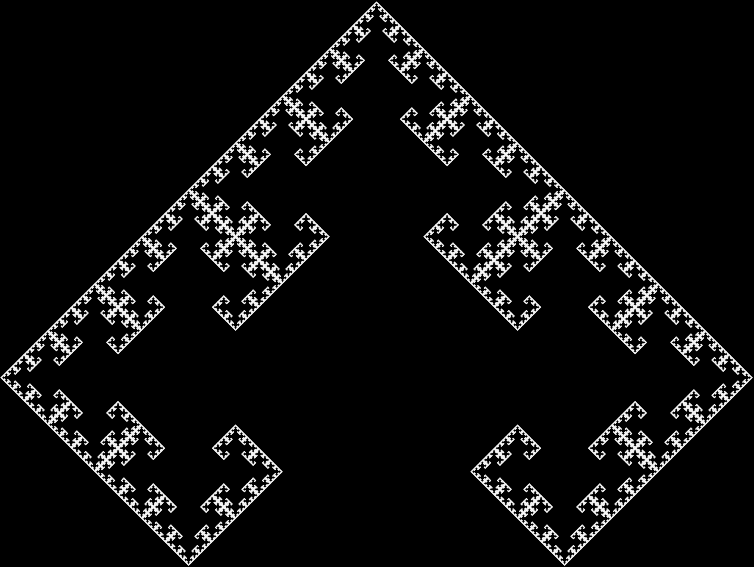
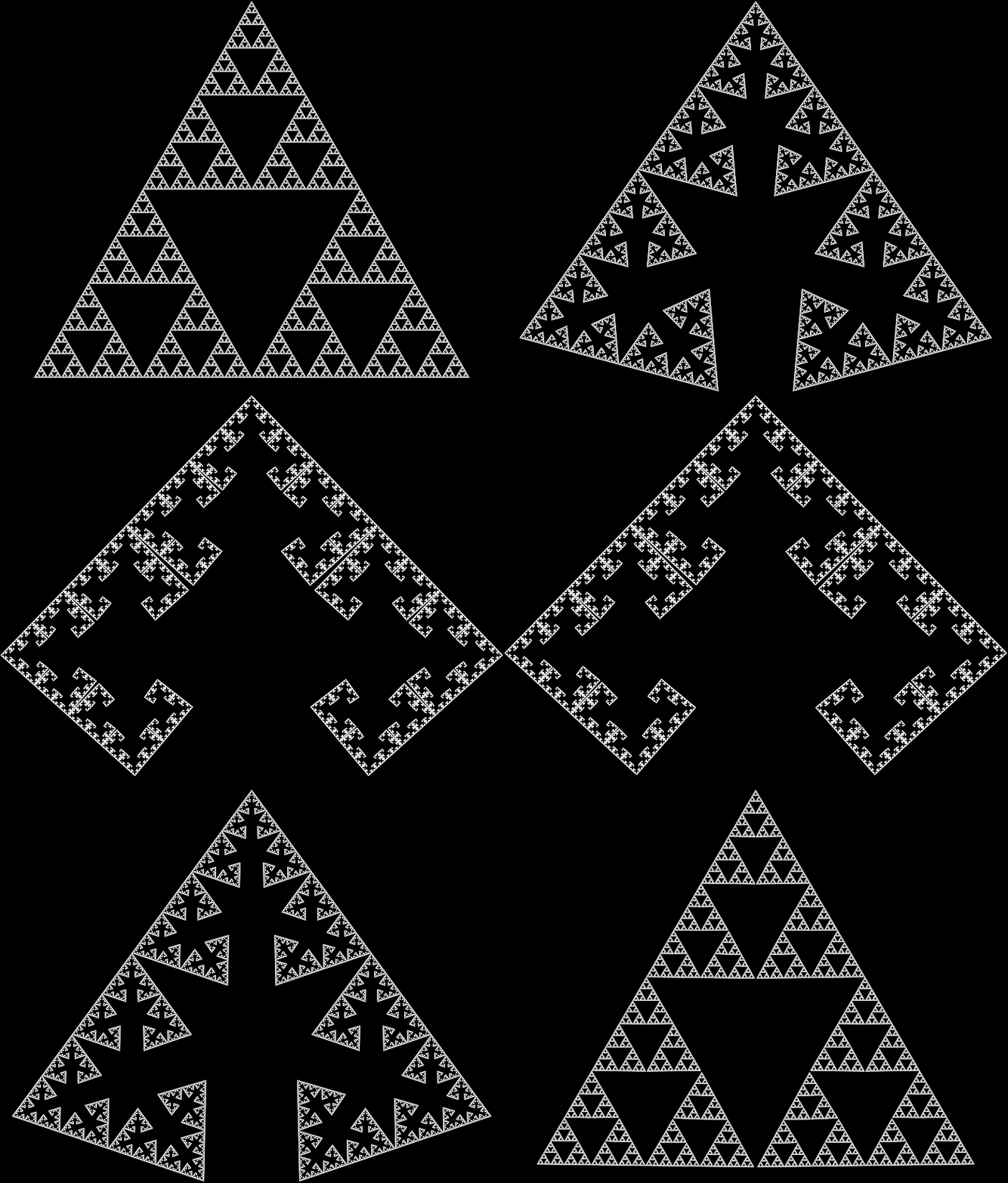
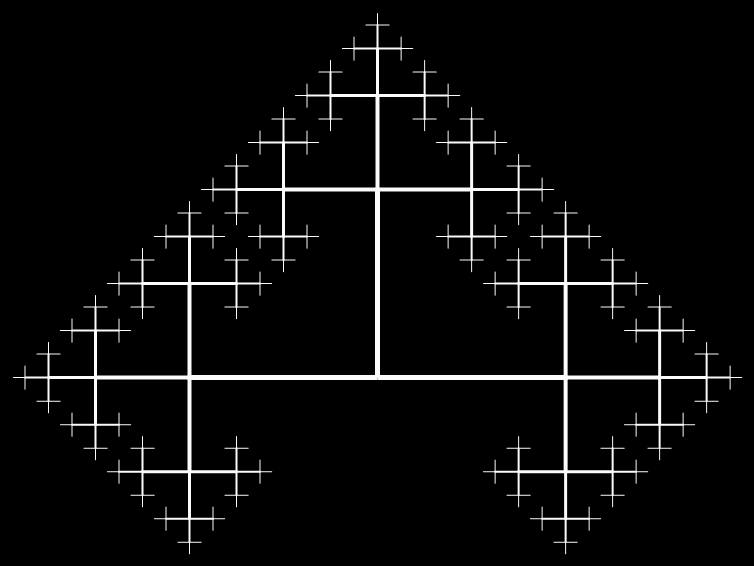
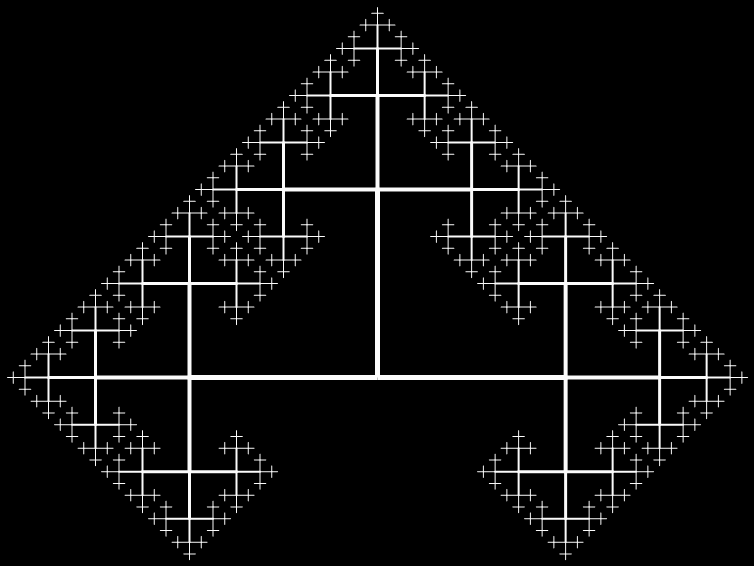
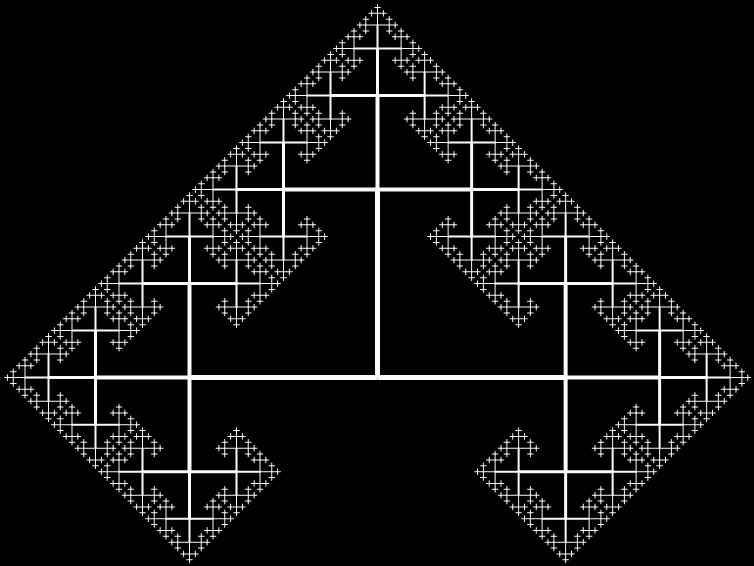
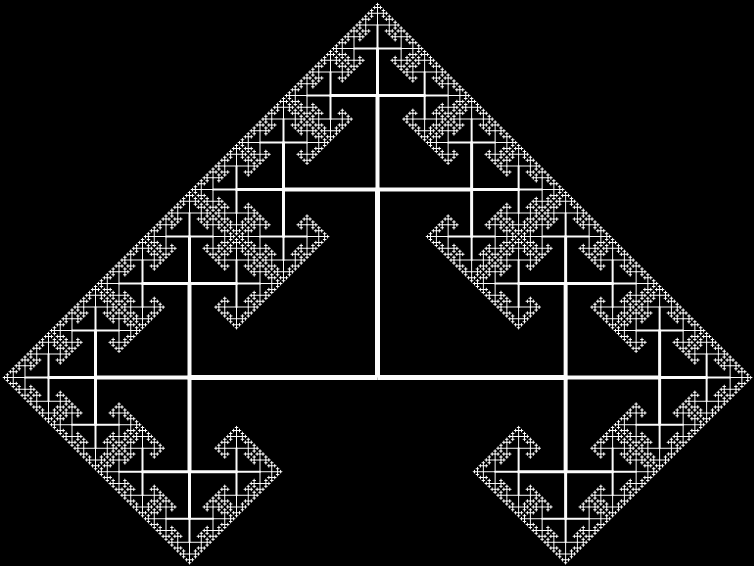
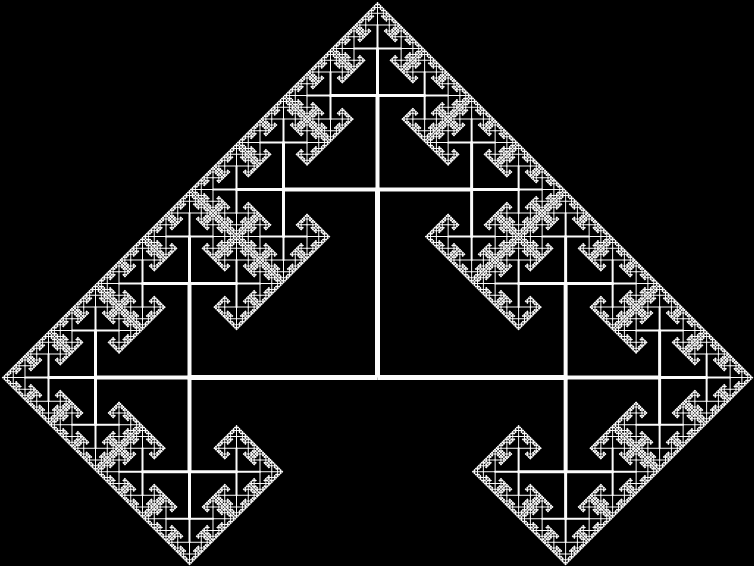
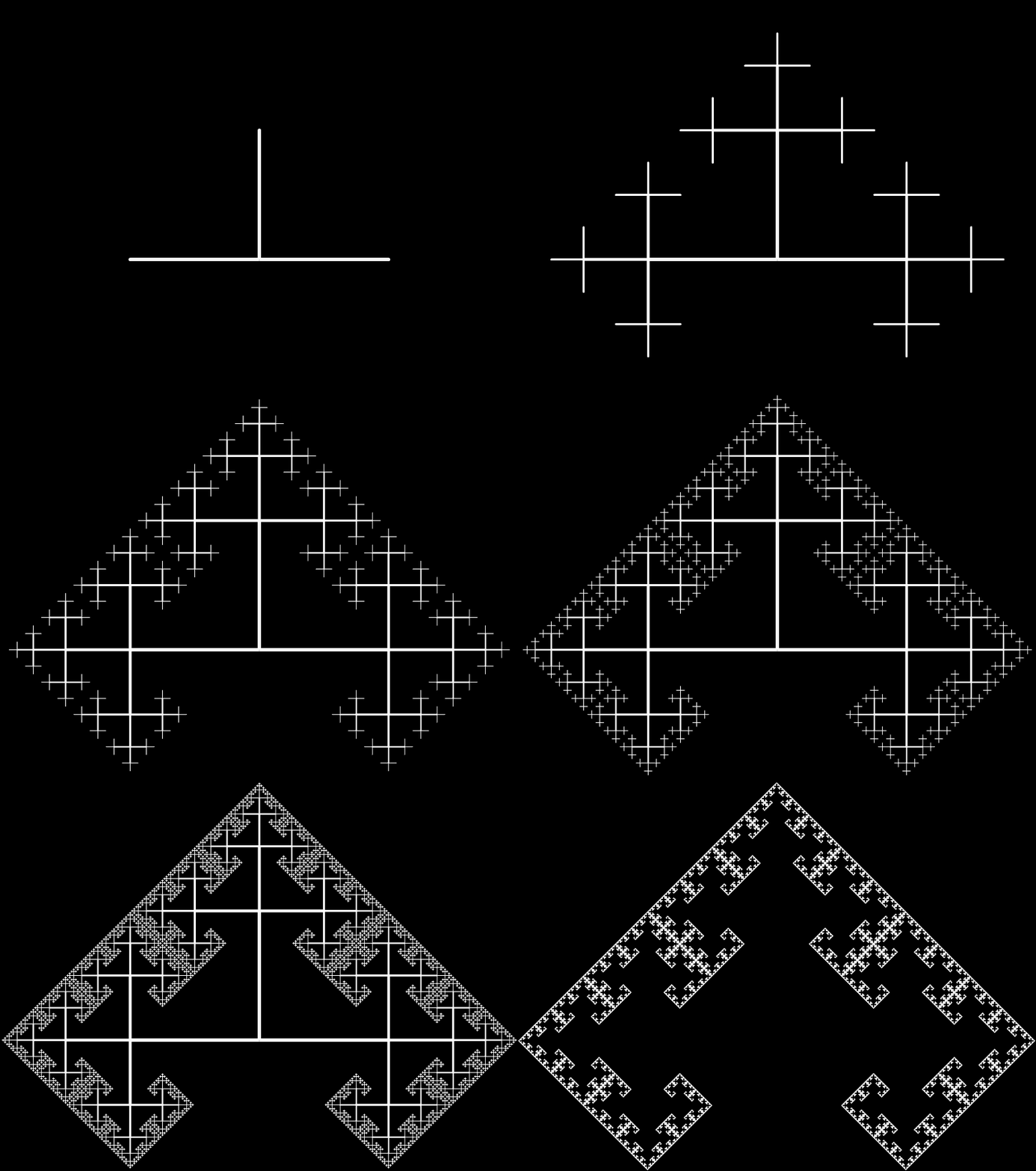
Circus Trix

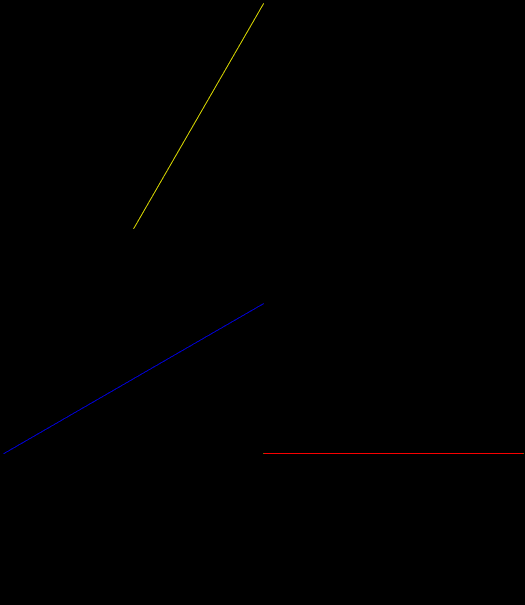
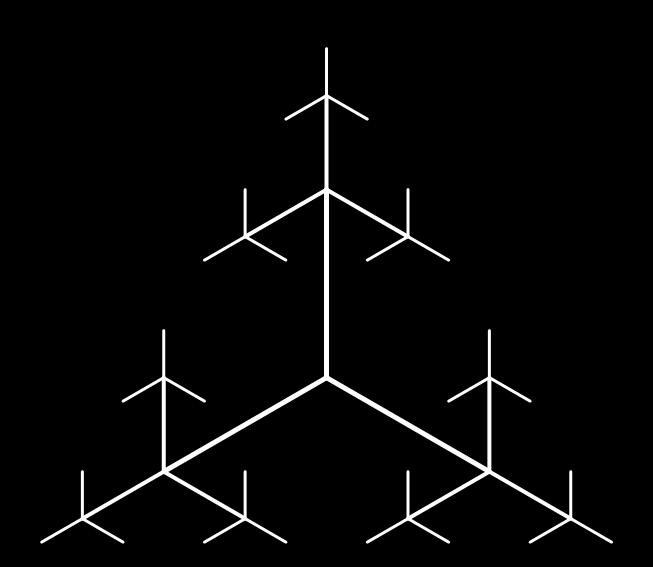
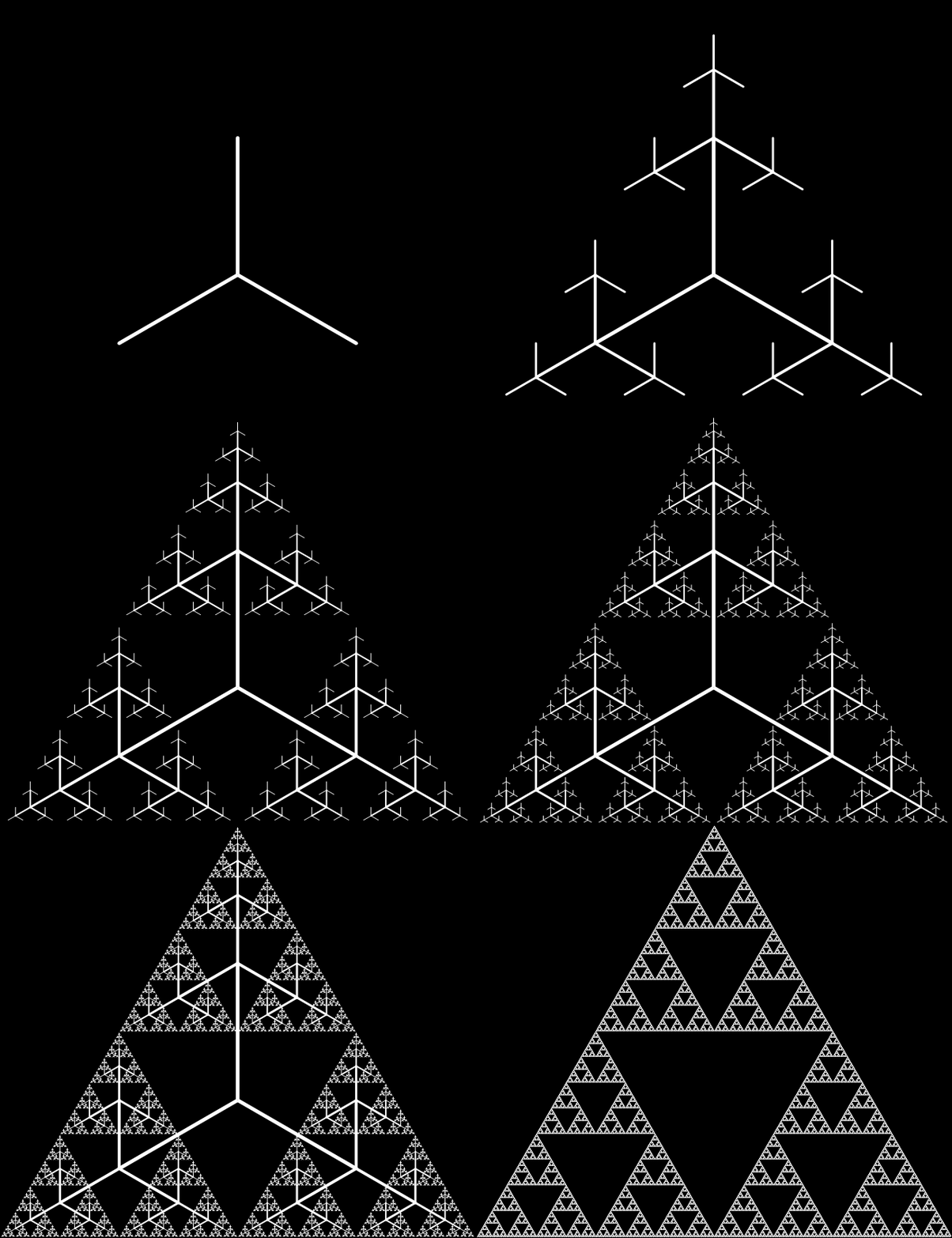
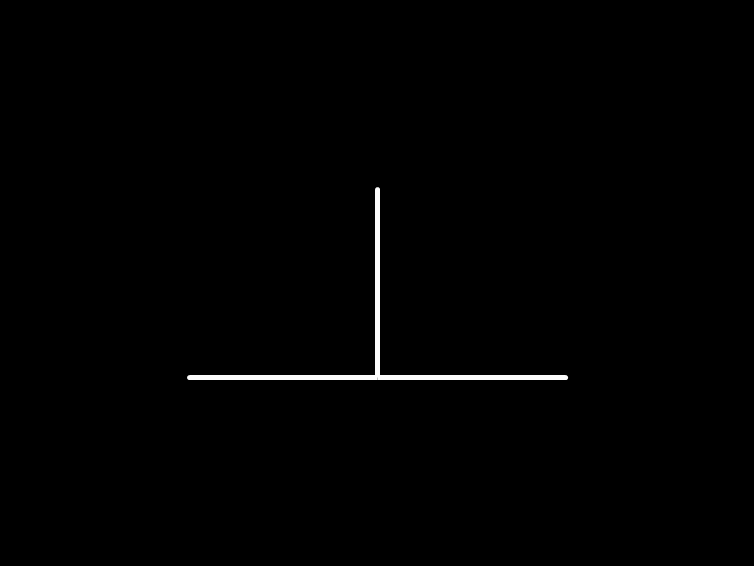
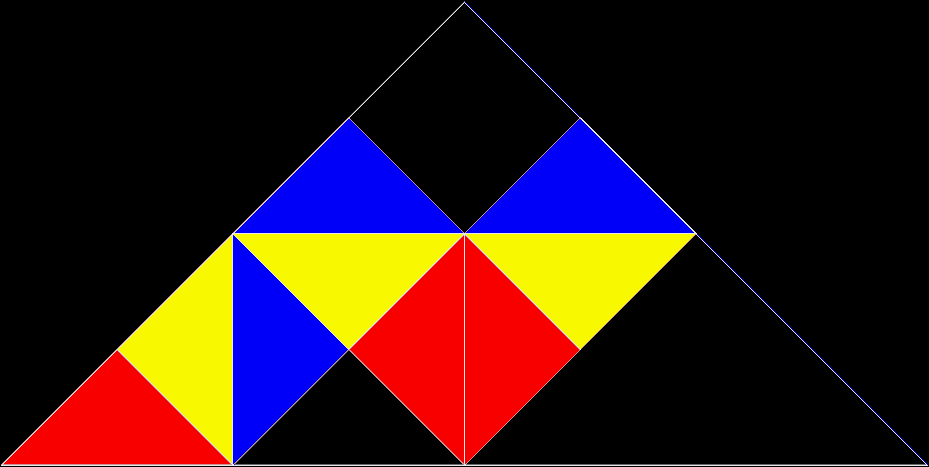
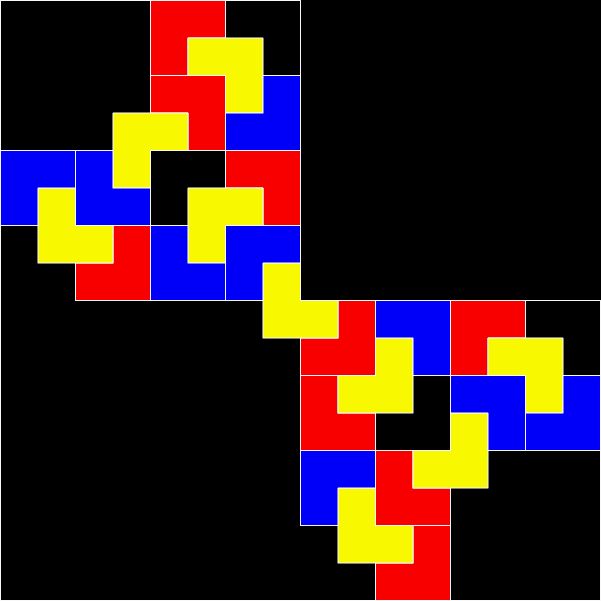
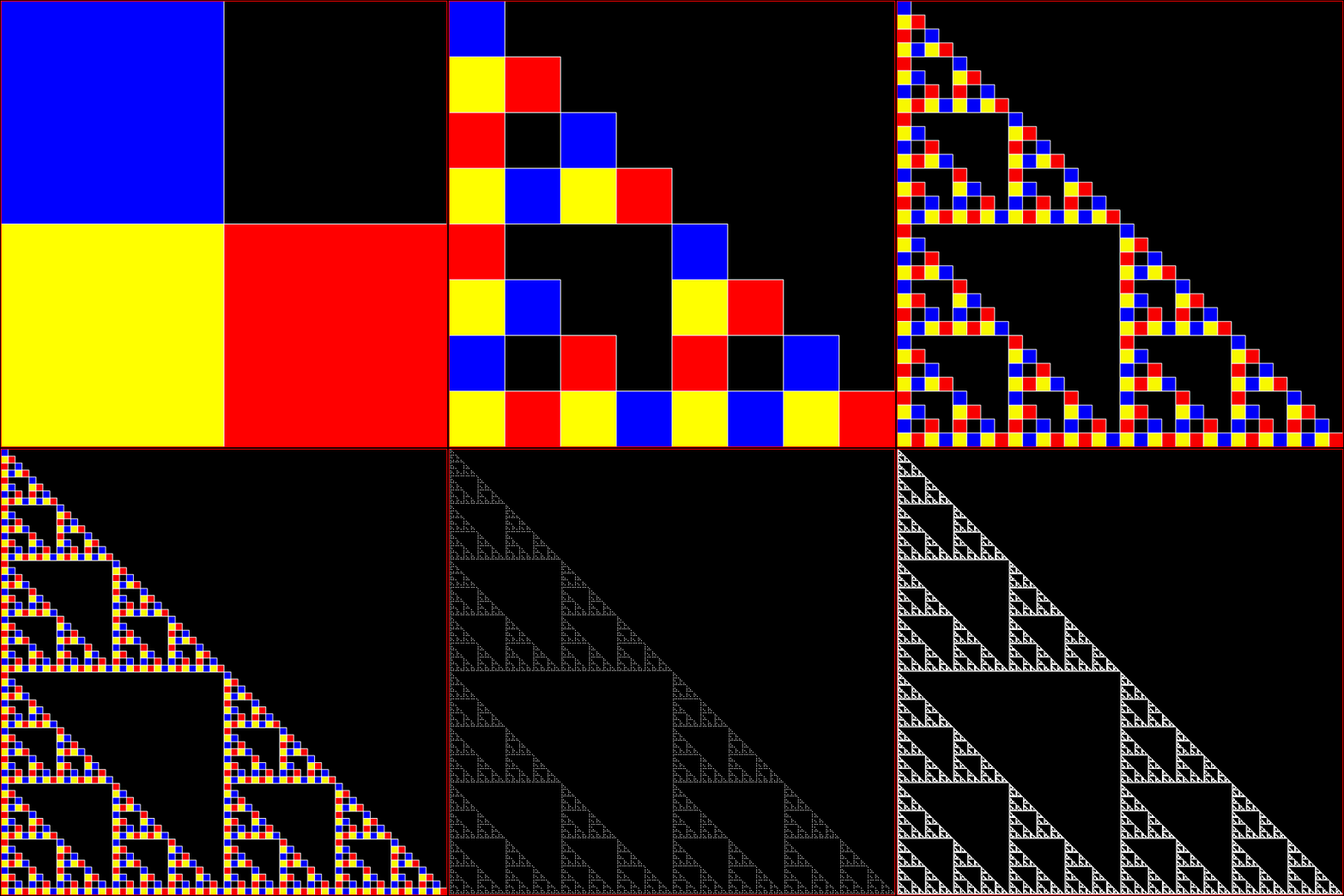
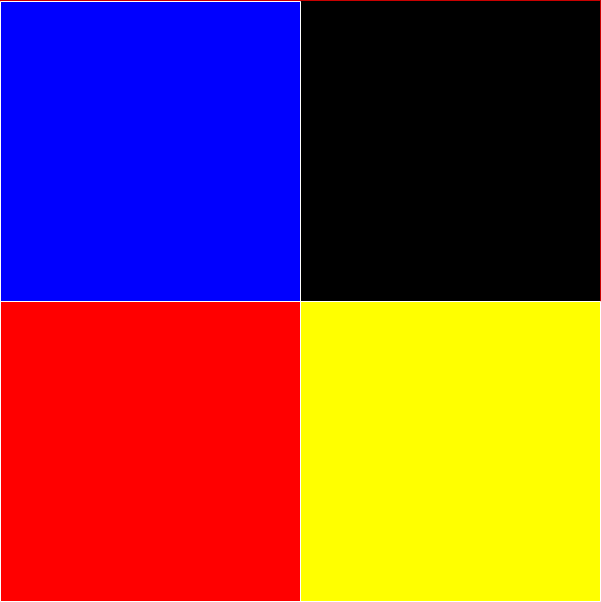
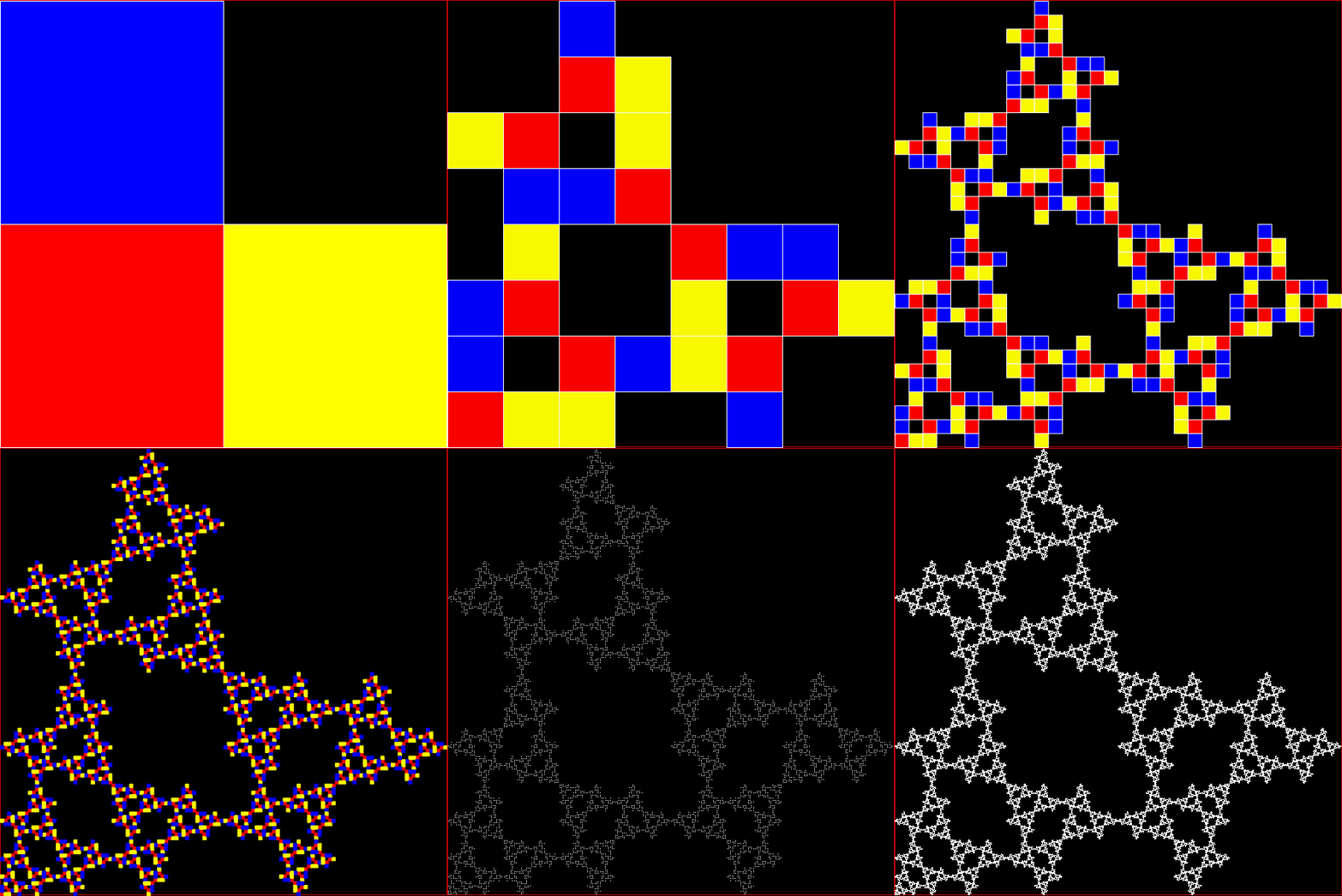
Here’s a trix, or triangle divided into six smaller triangles:
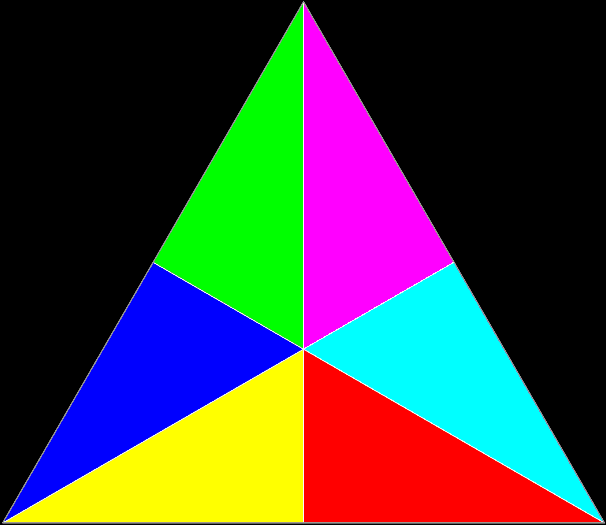
Trix, or triangle divided into six smaller triangles


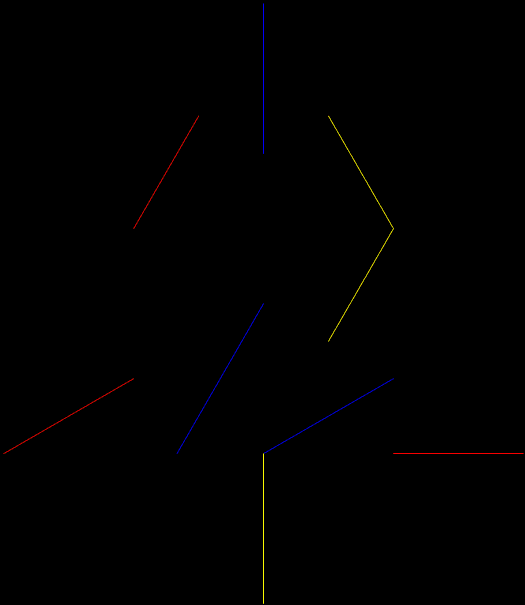
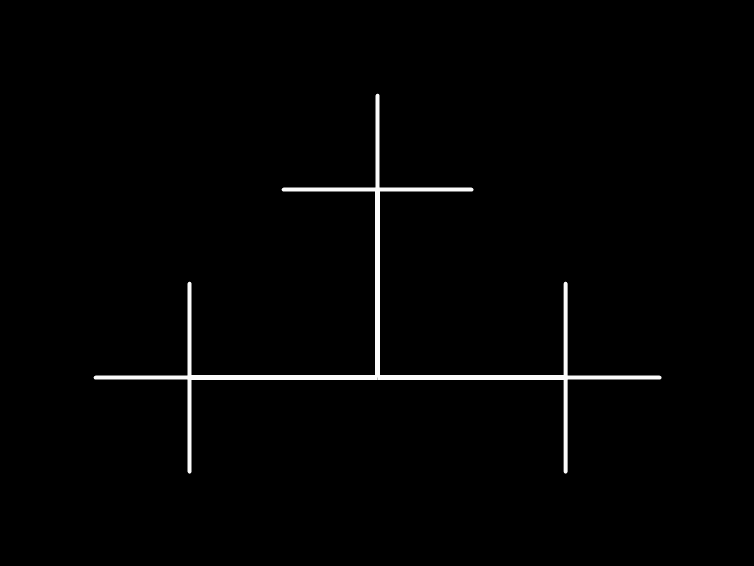
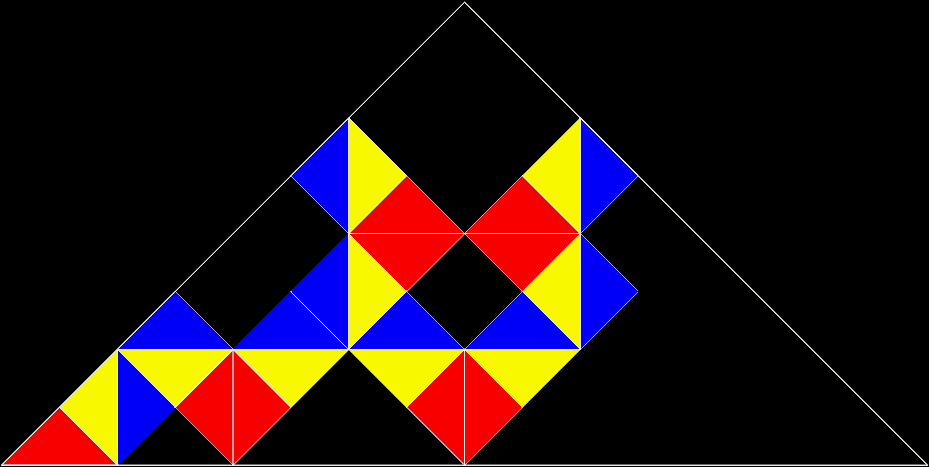
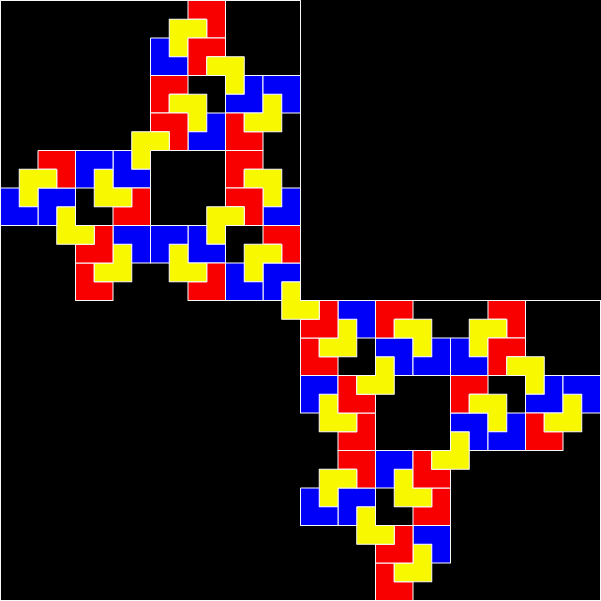
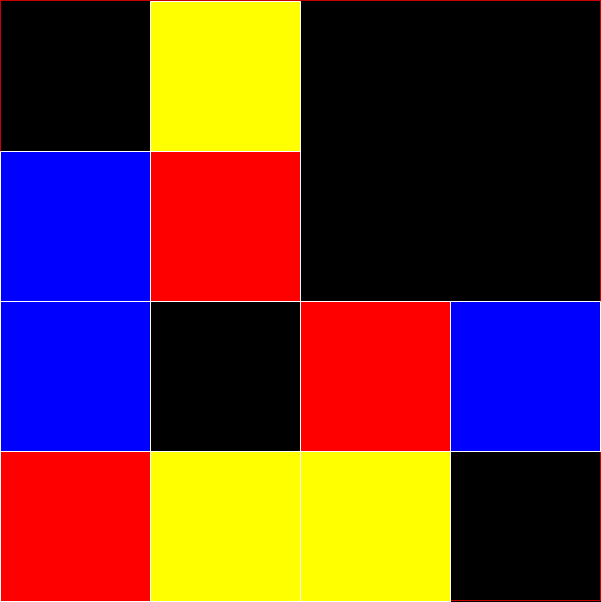
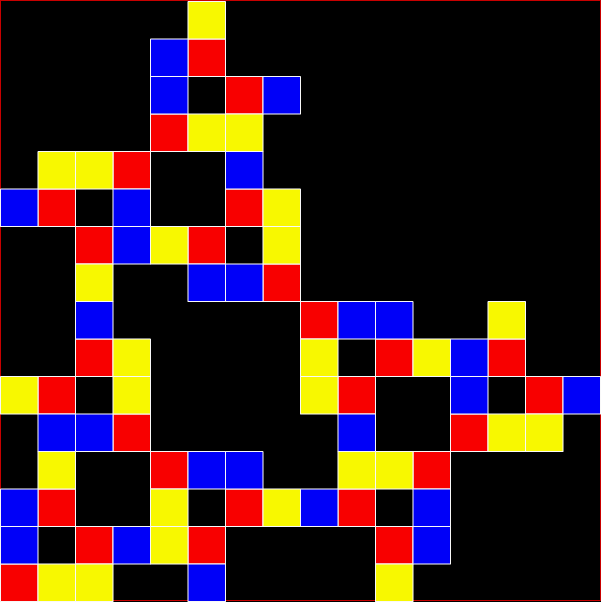
Now each sub-triangle becomes a trix in its turn:
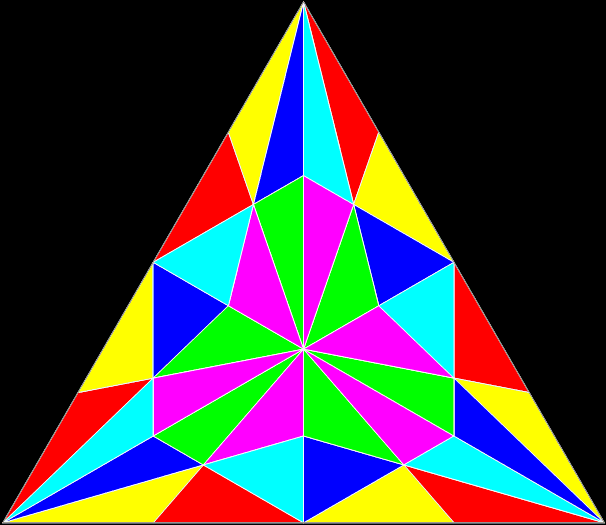
Trix stage #2


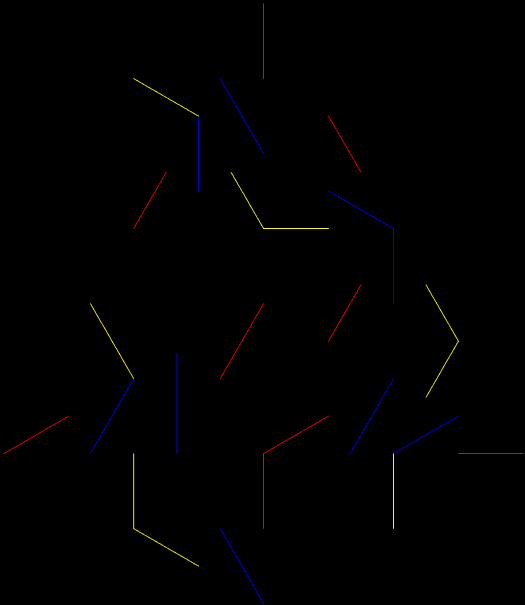
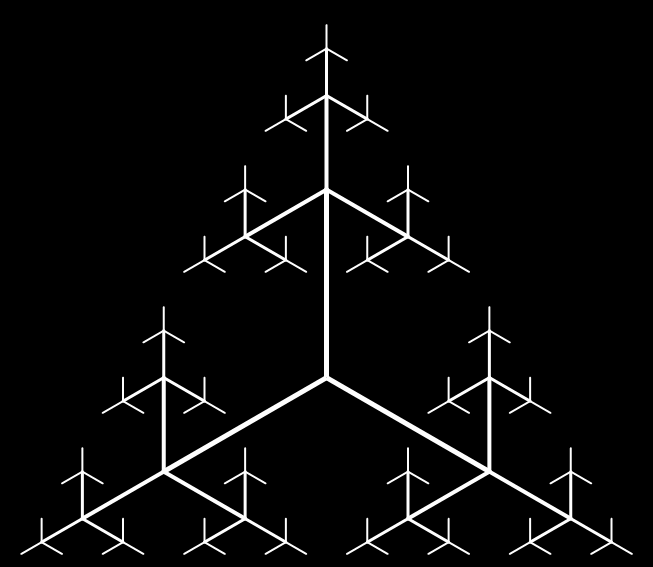
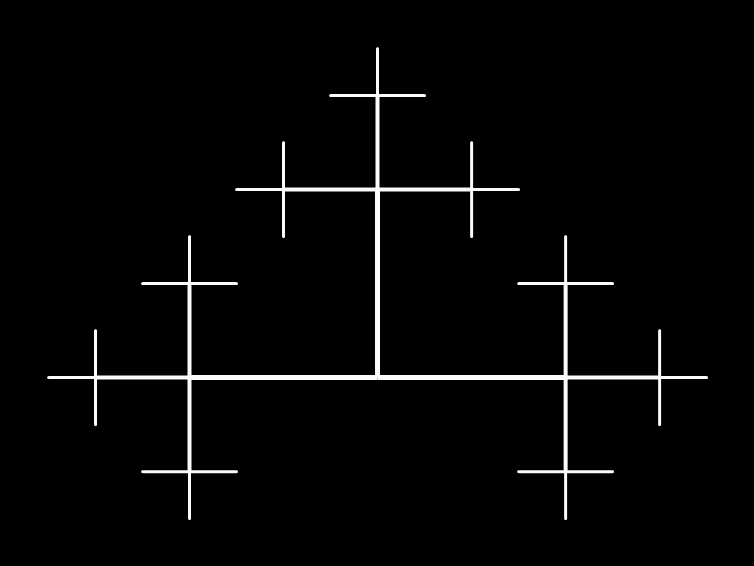
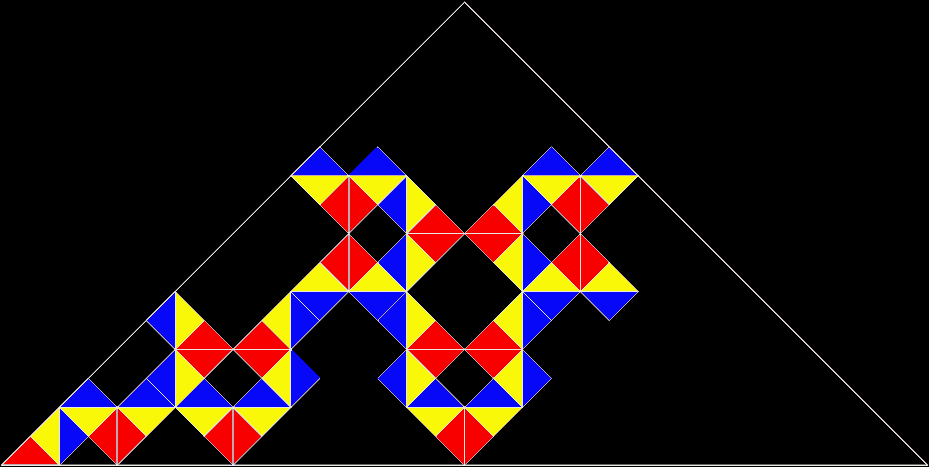
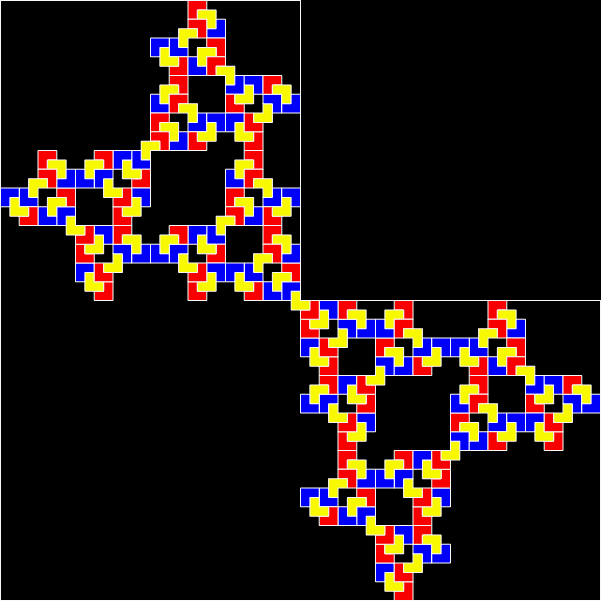
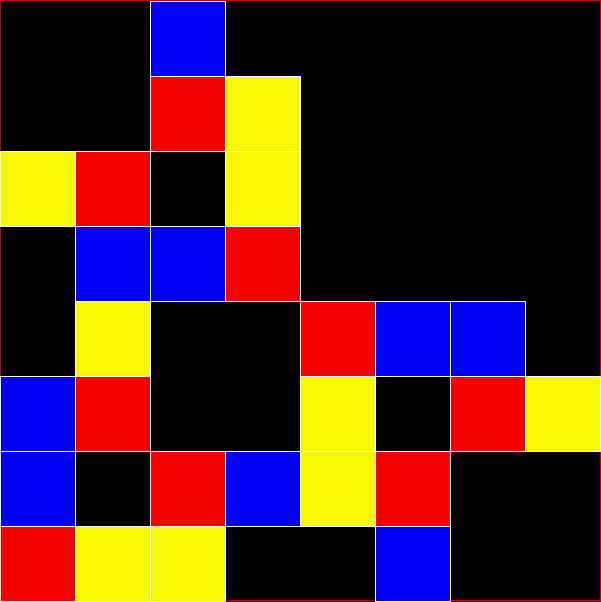
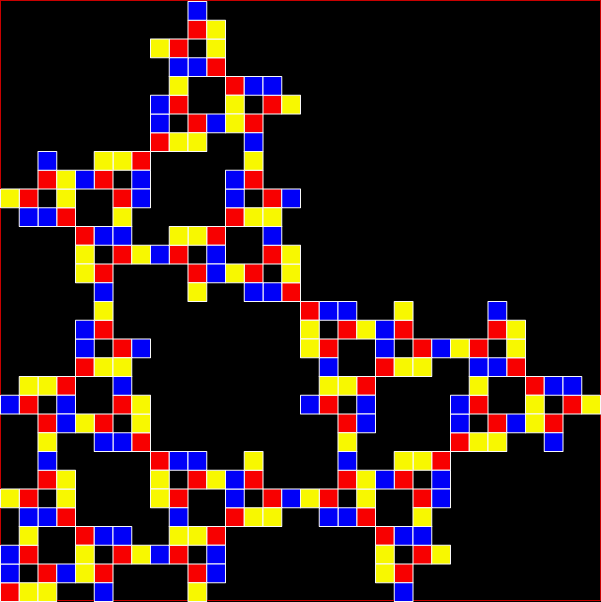
And again:

Trix #3
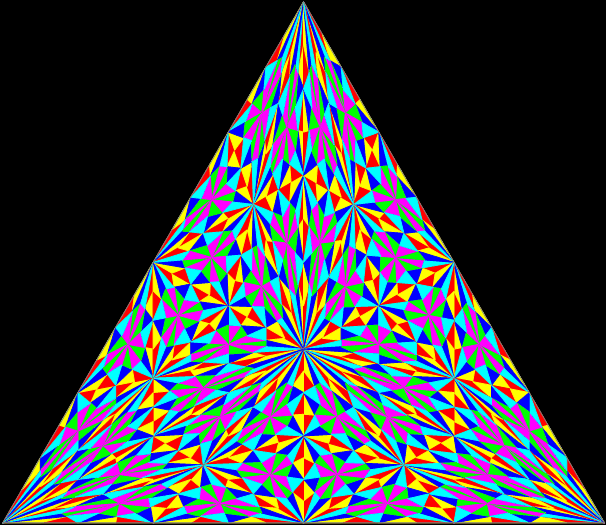

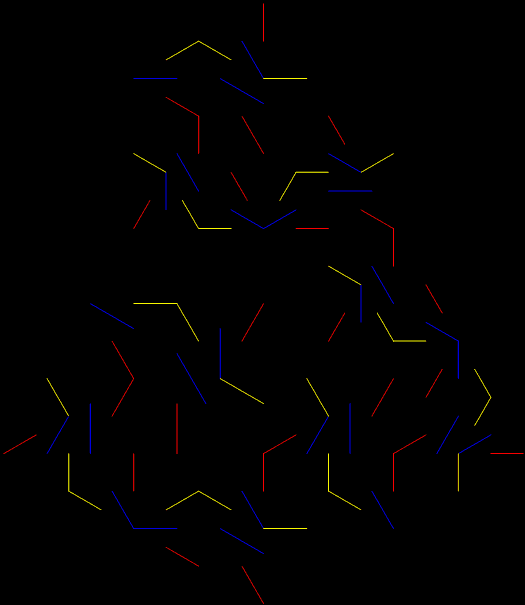
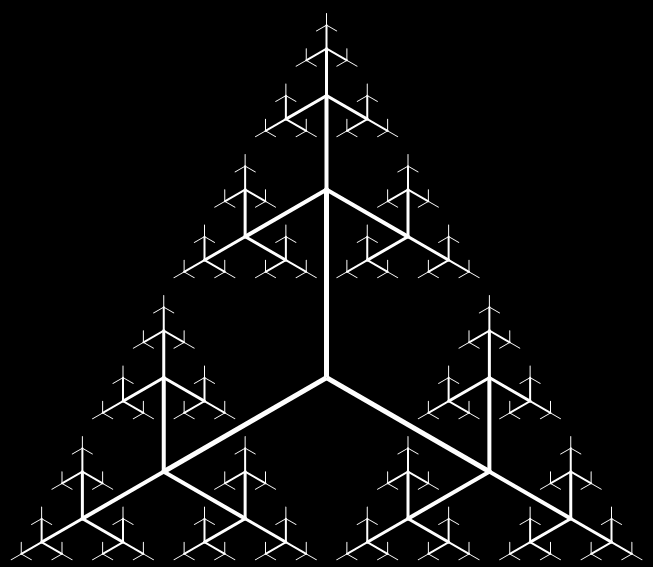
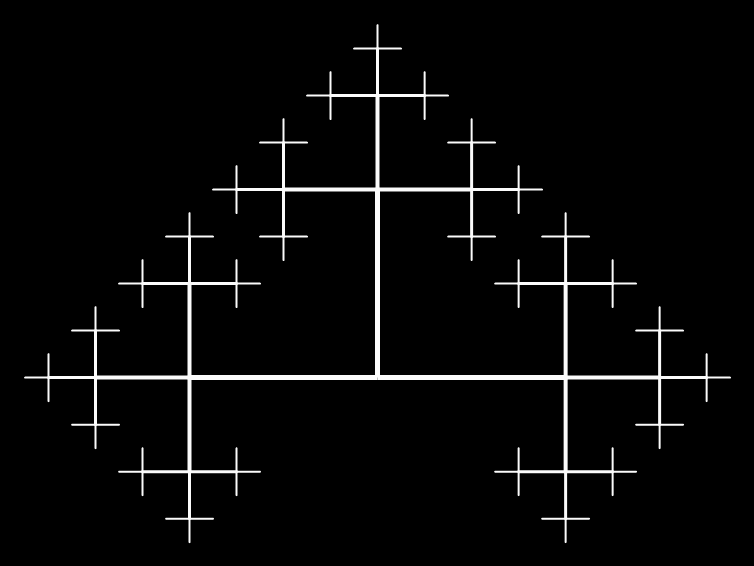
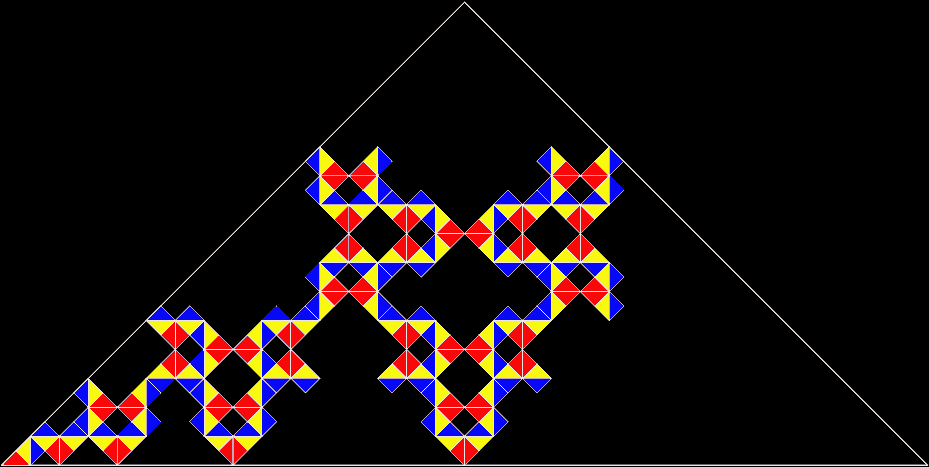
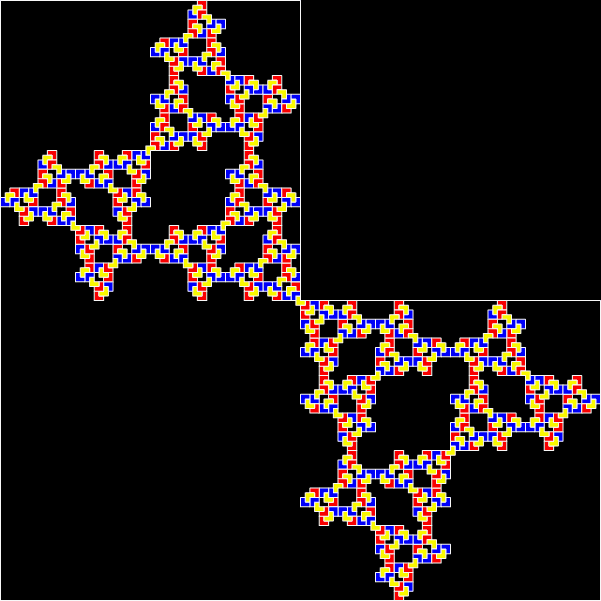
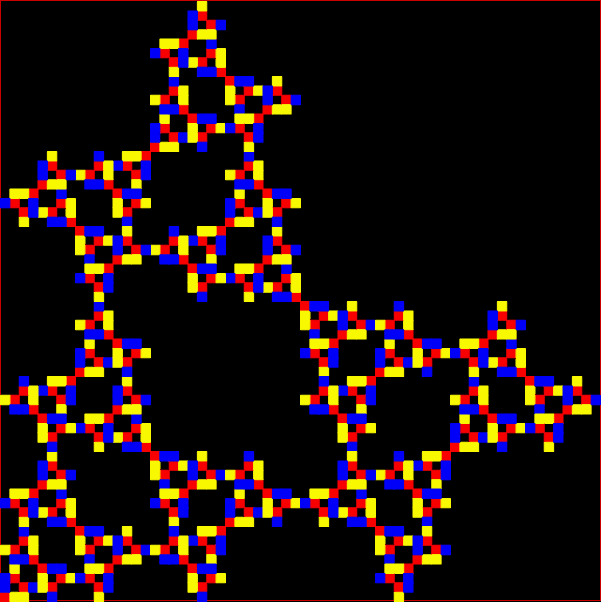
Trix #4
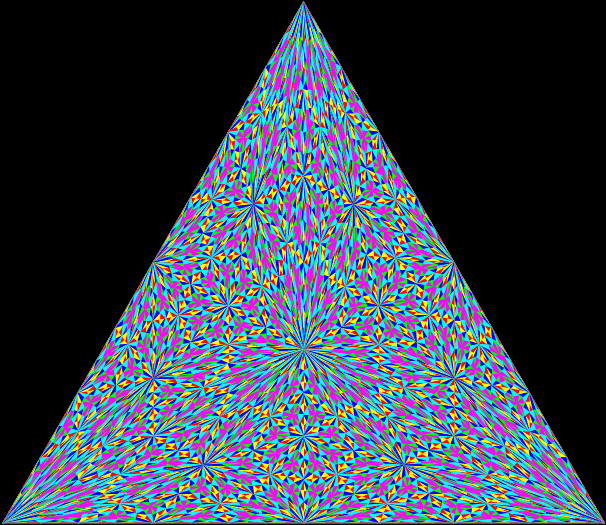

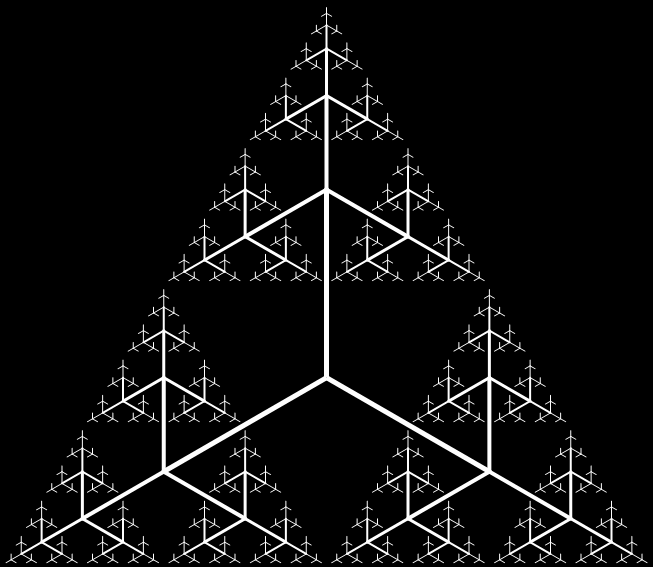
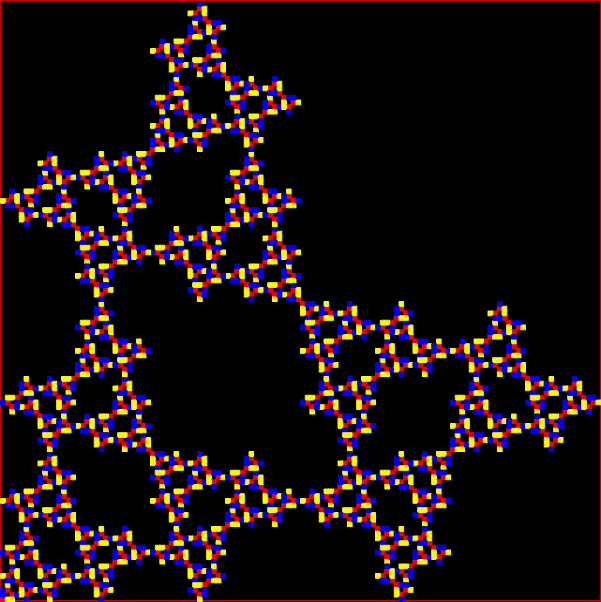
Trix #5


Trix divisions (animated)


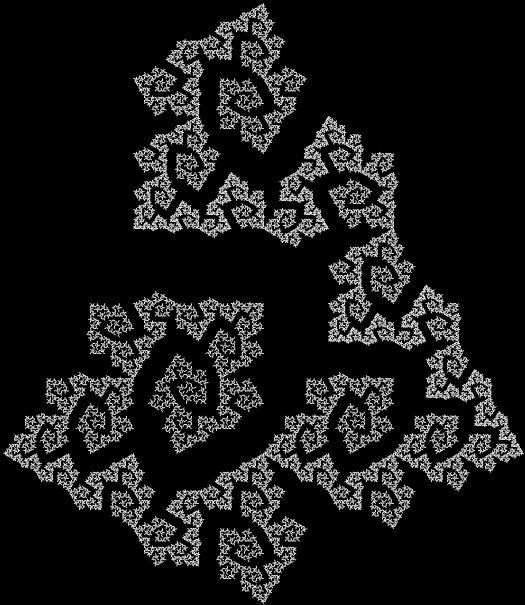
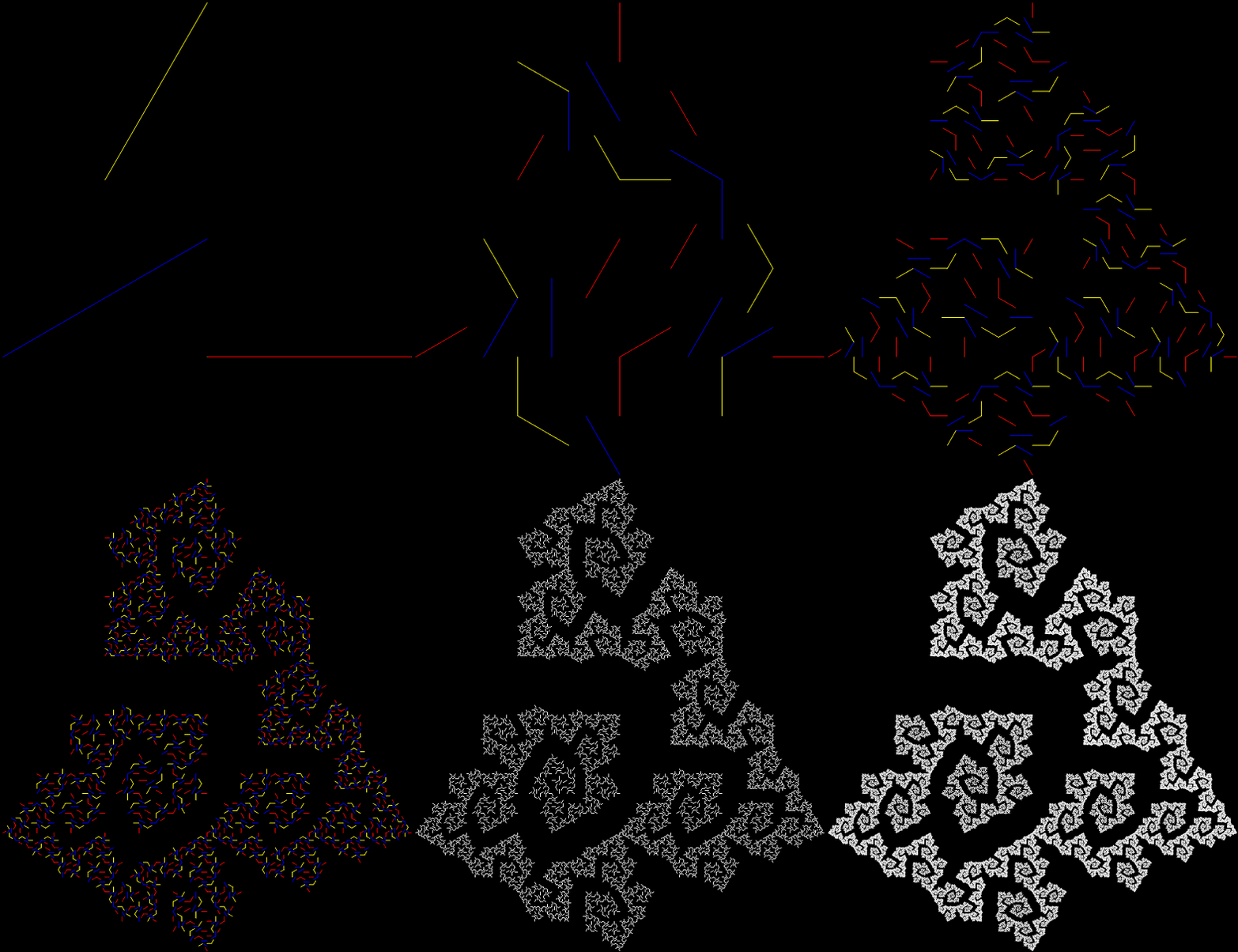
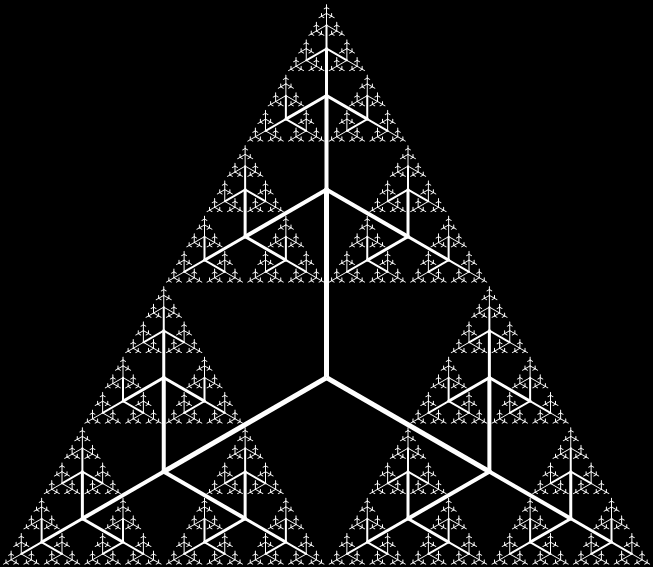
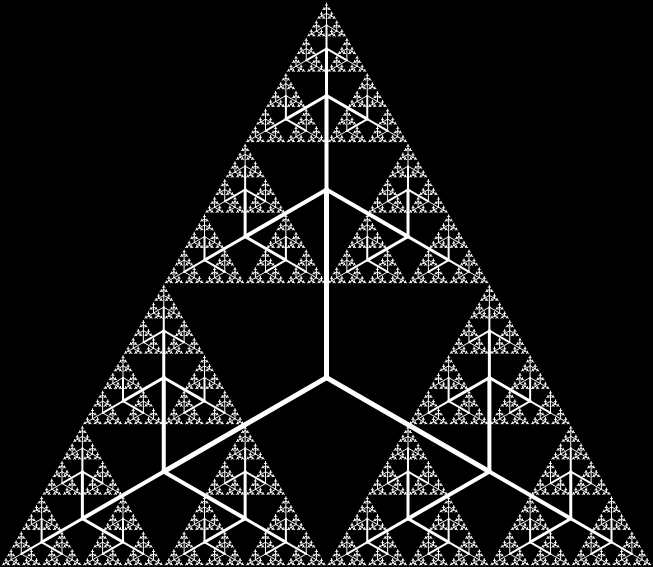
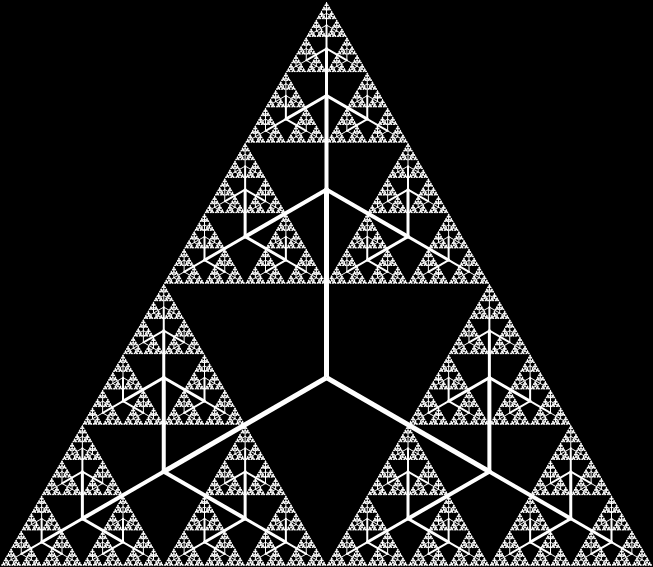
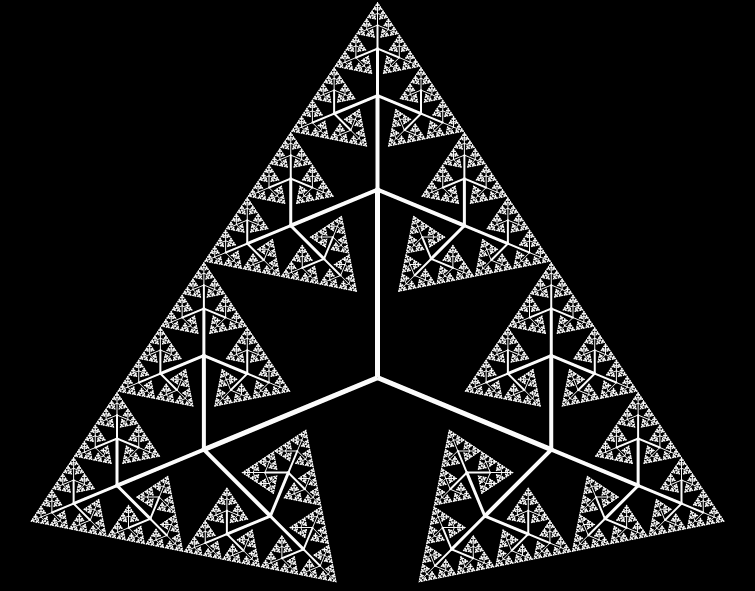
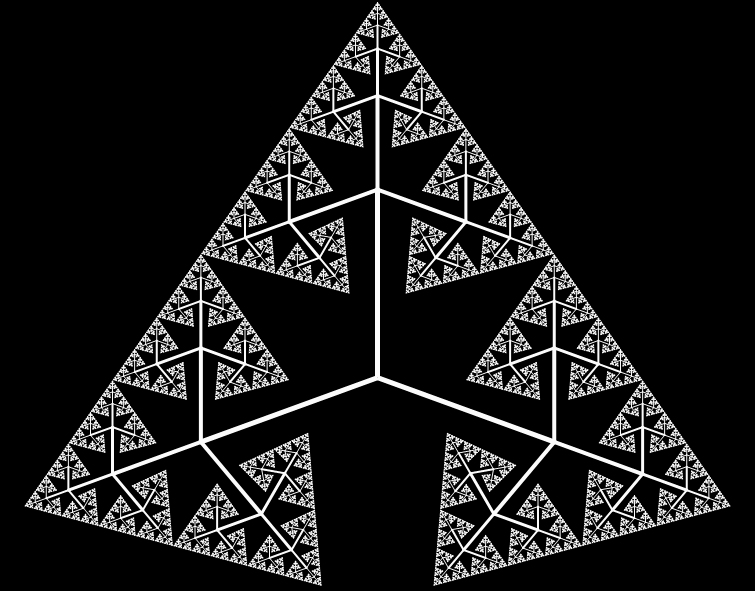
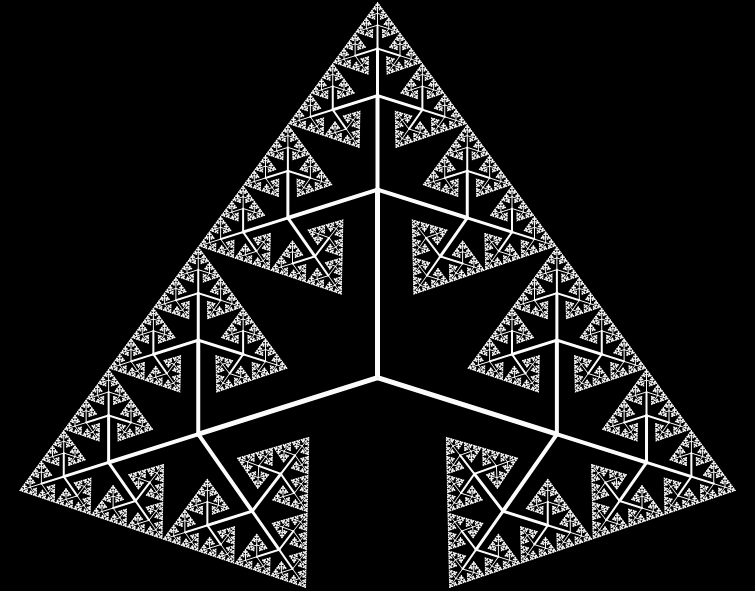
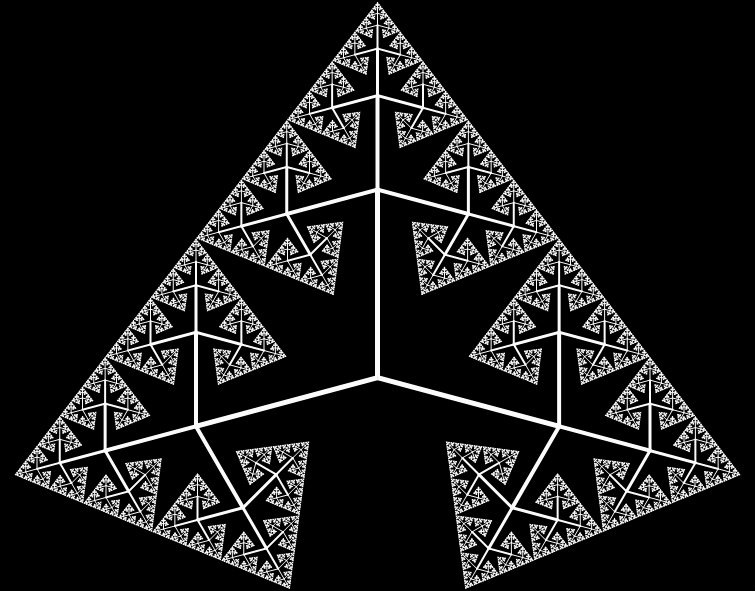
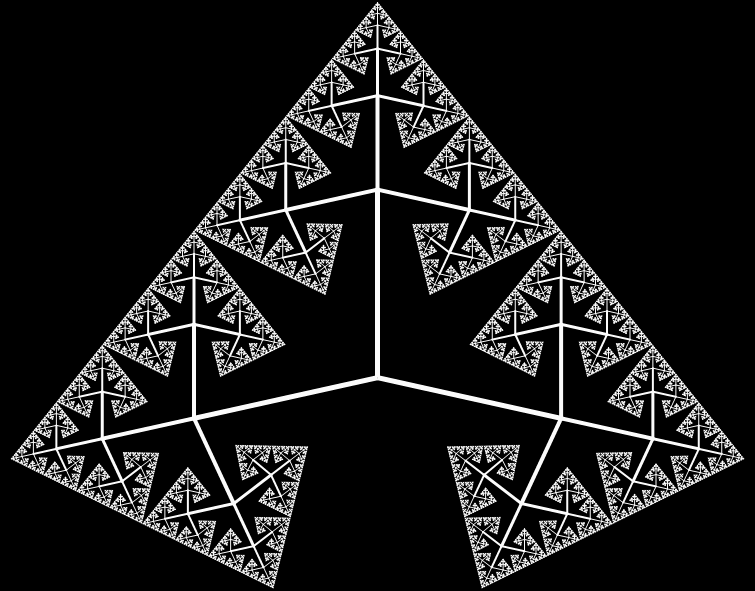
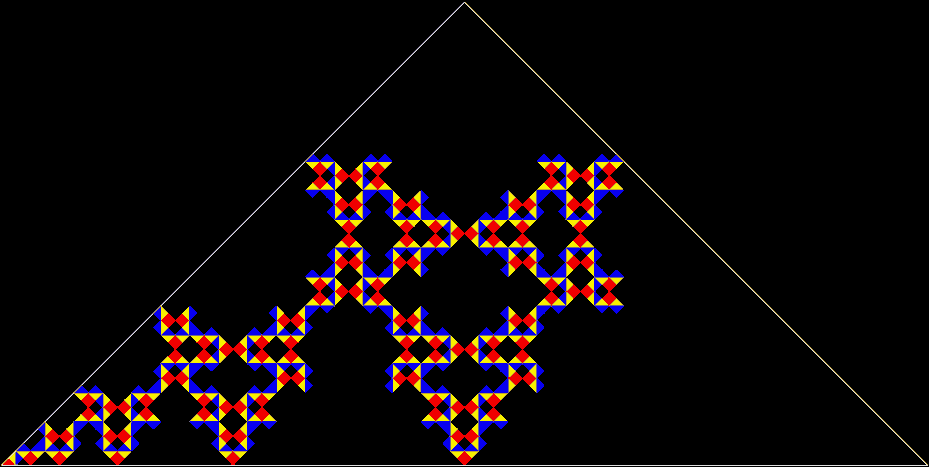
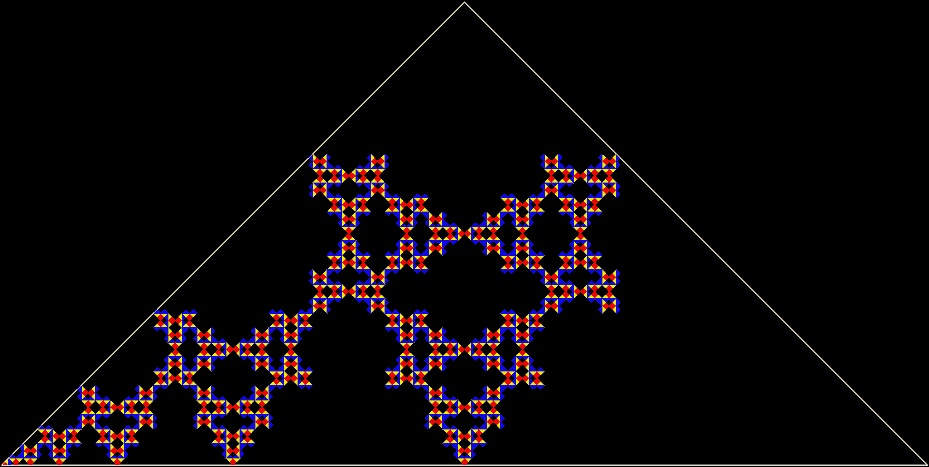
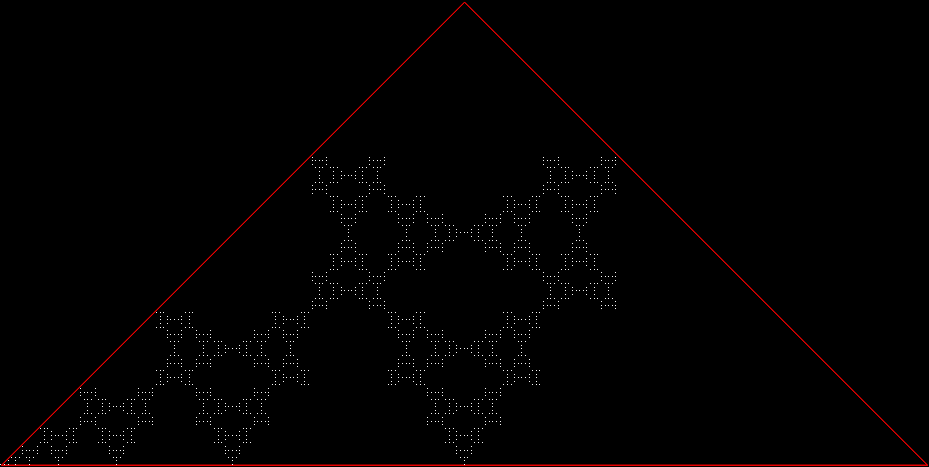
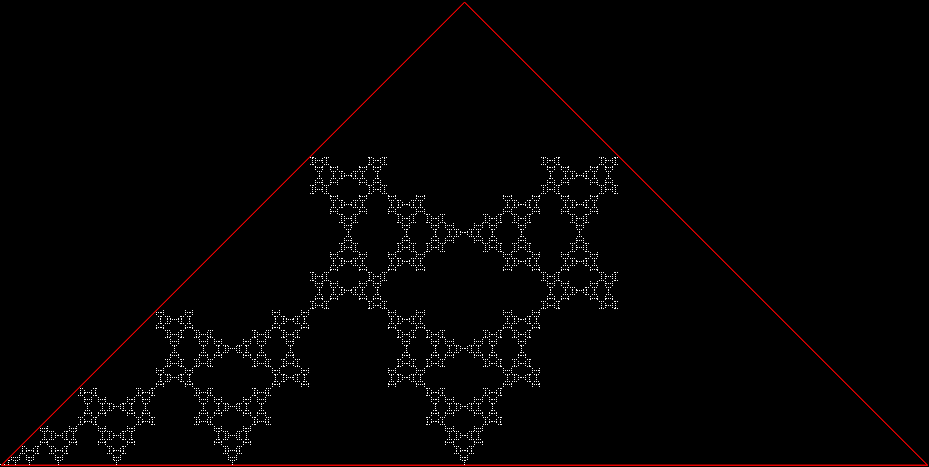
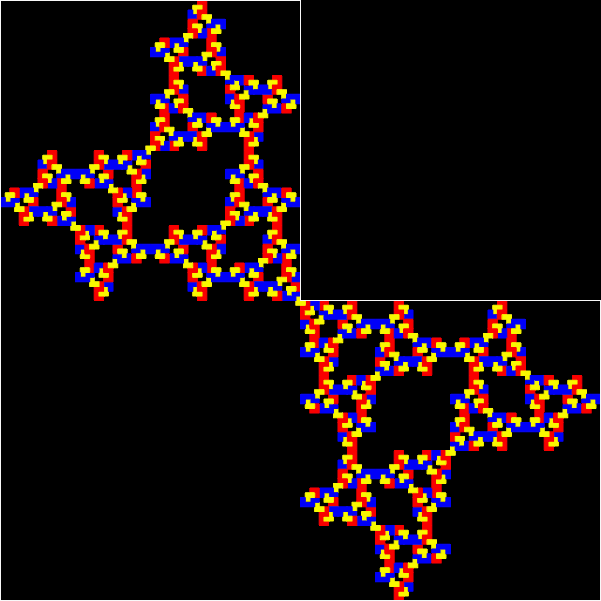
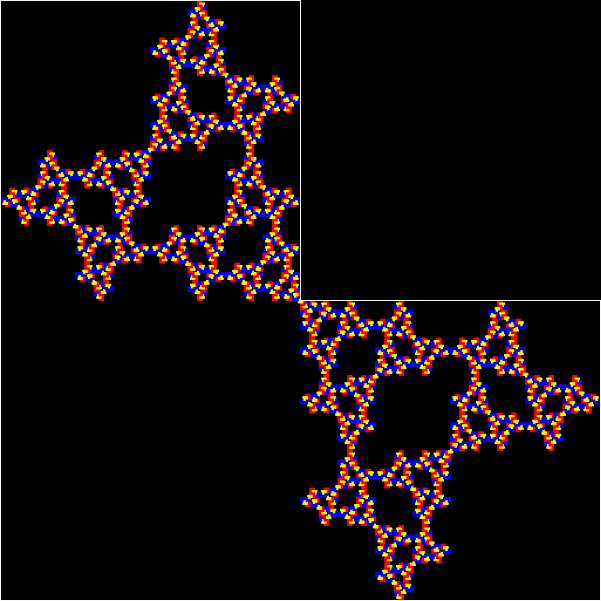
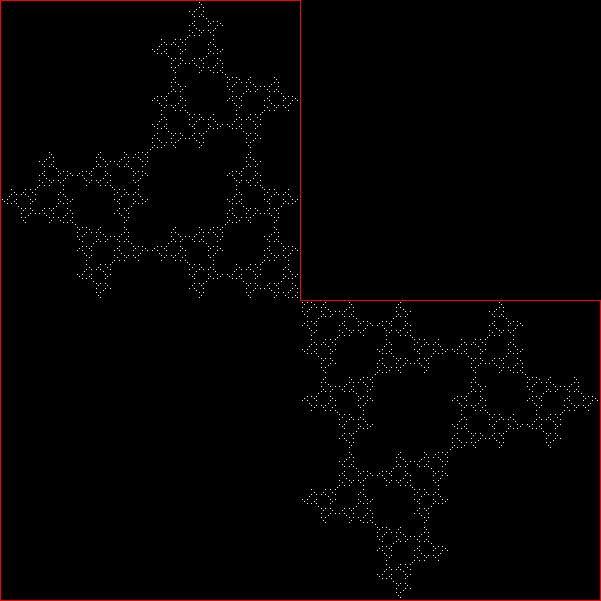
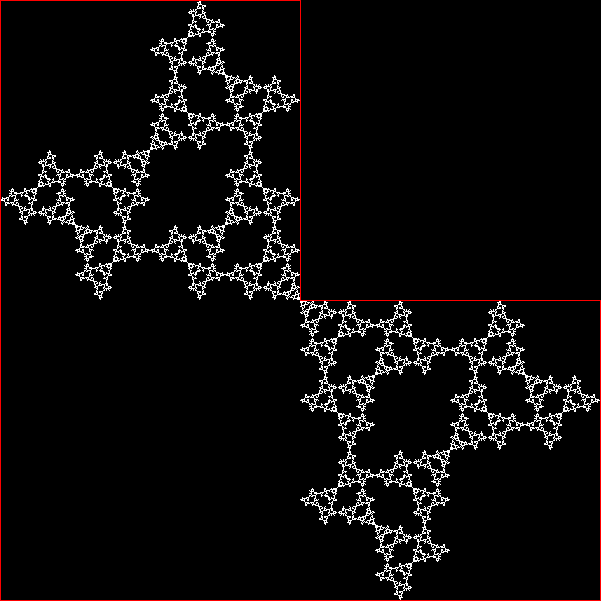
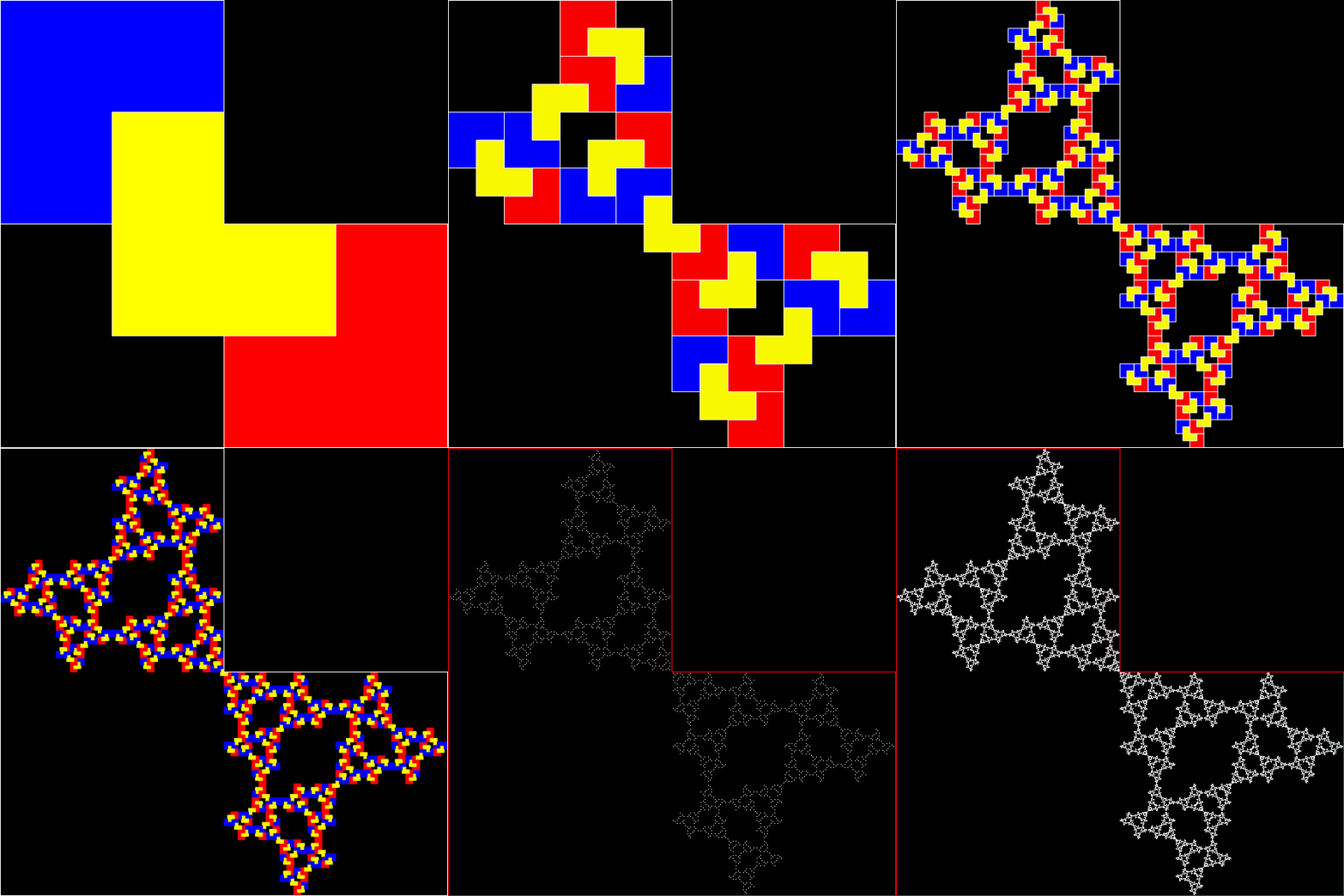
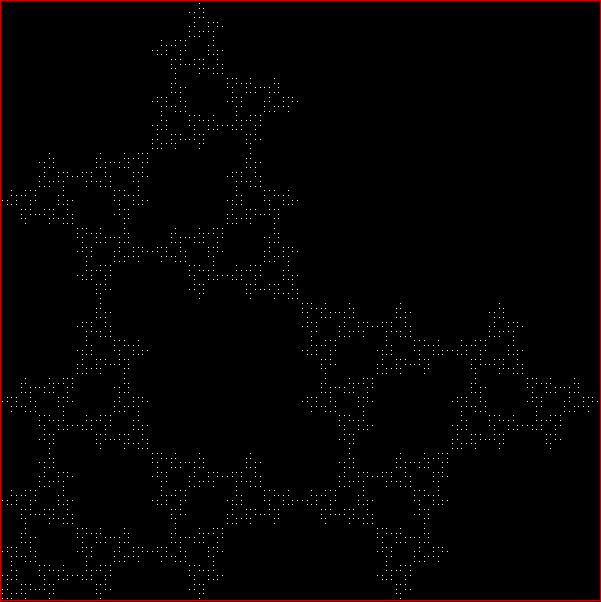
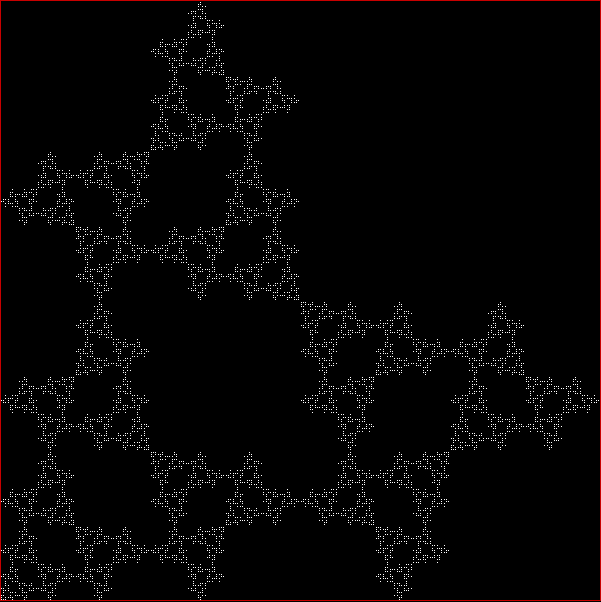
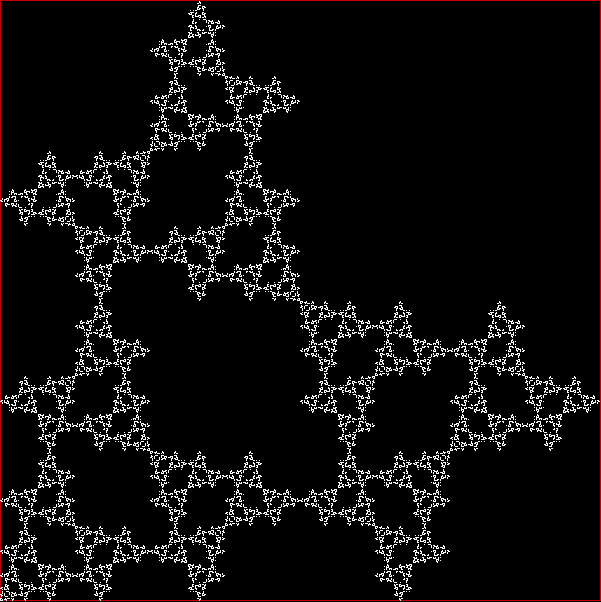
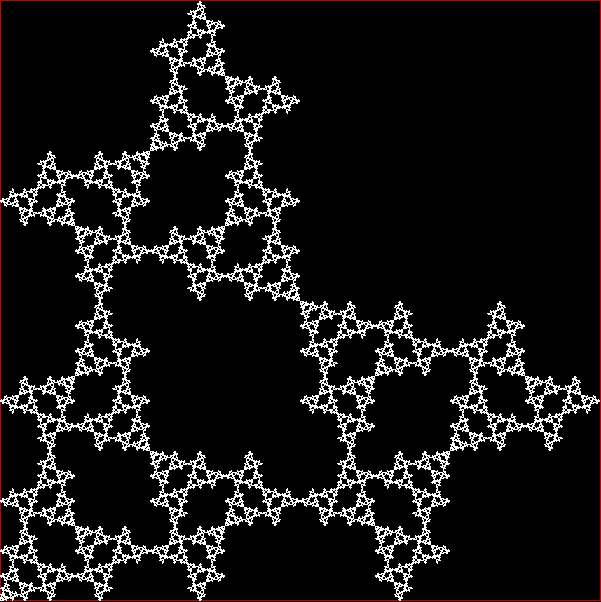
Now try dividing the trix and discarding sub-triangles, then repeating the process. A fractal appears:
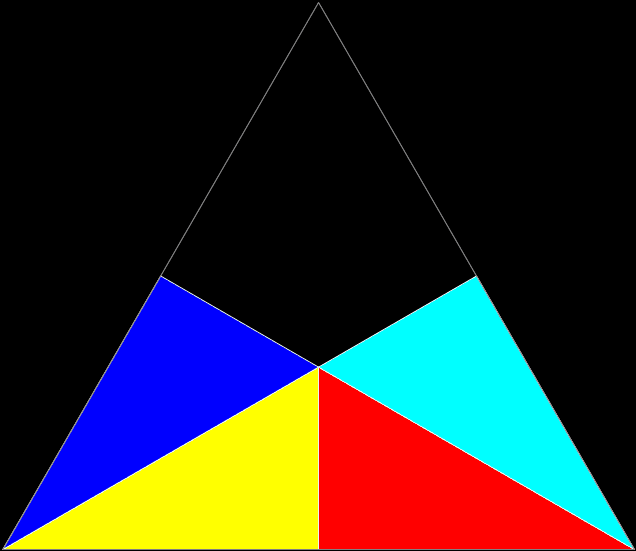
Trix fractal #1


Trix fractal #2
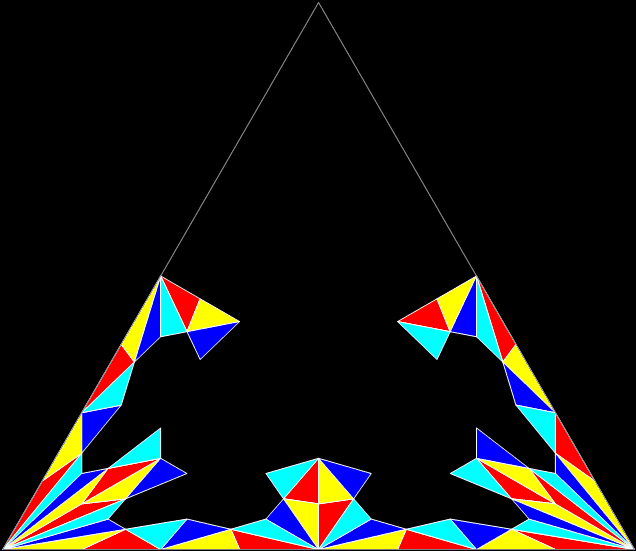

Trix fractal #3


Trix fractal #4


Trix fractal #5


Trix fractal #6
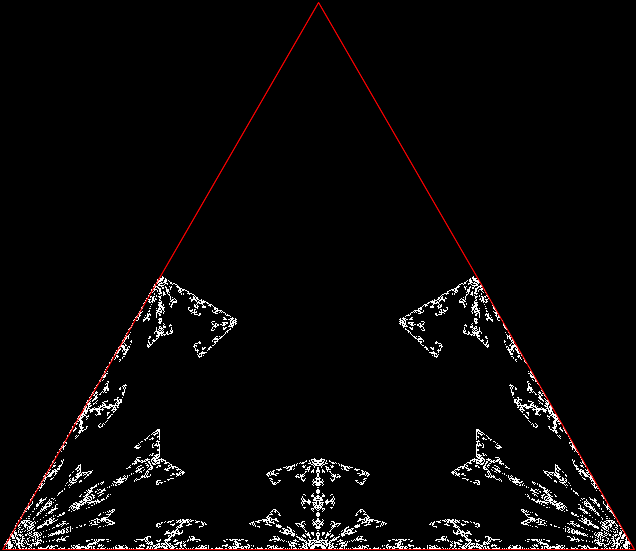

Trix fractal #7


Trix fractal (animated)


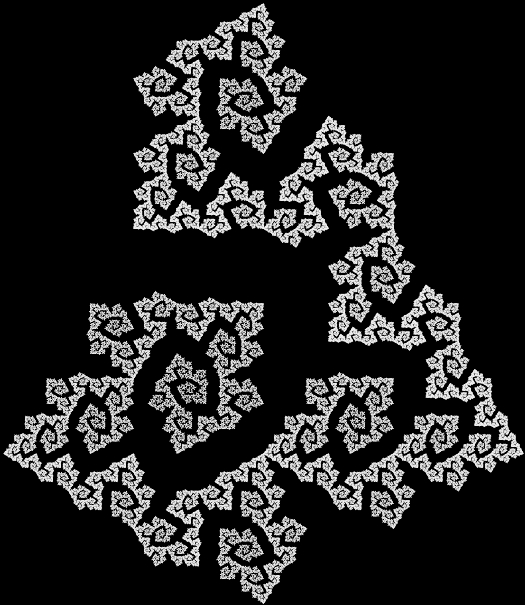
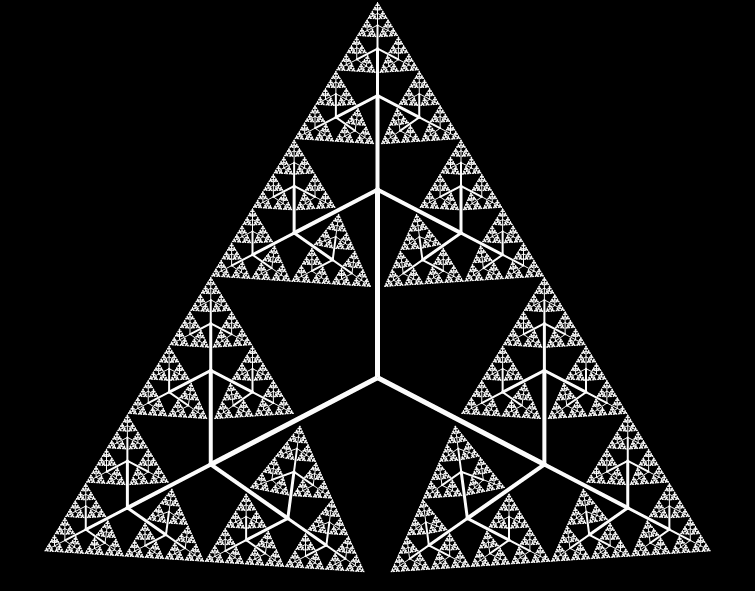
But what happens if you delay the discarding, first dividing the trix completely into sub-triangles, then dividing completely again? You get a more attractive and symmetrical fractal, like this:
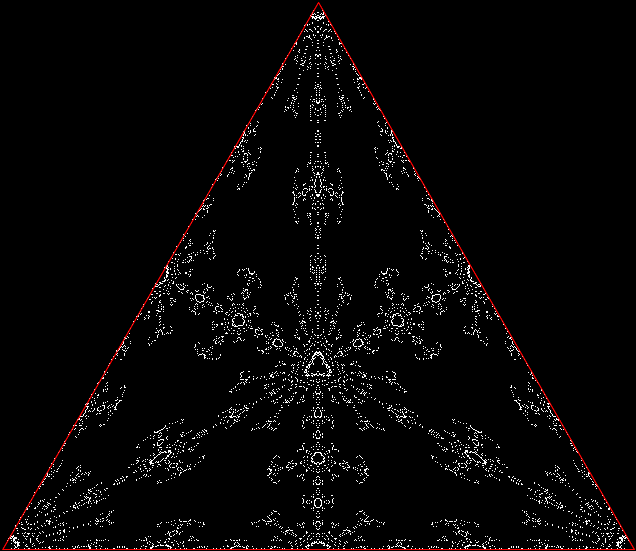
Trix fractal (delayed discard)


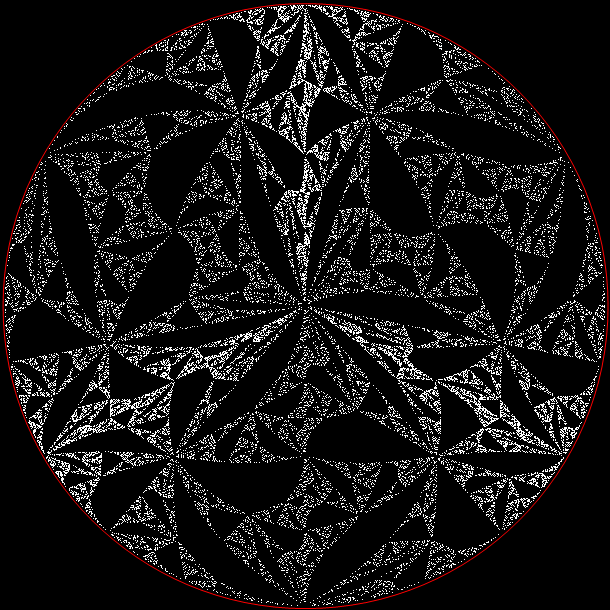
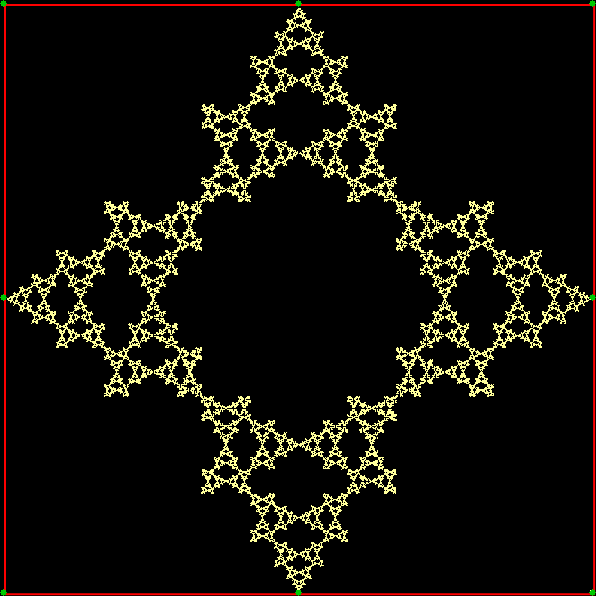
And it’s easy to convert the triangle into a circle, creating a fractal like this:
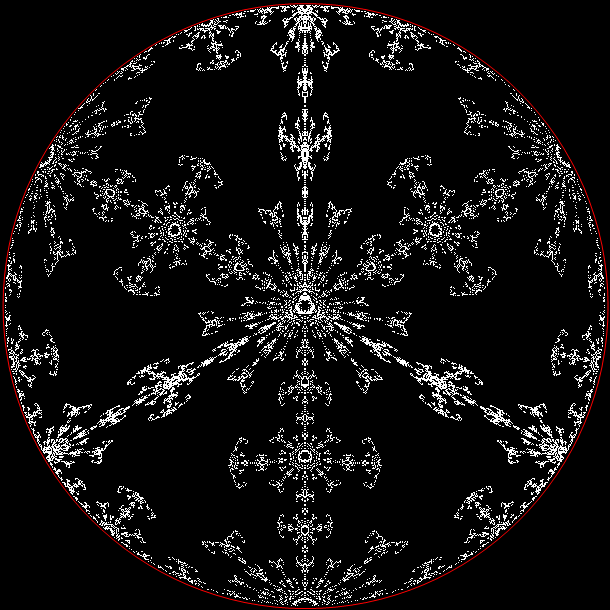
Delayed-discard trix fractal converted into circle
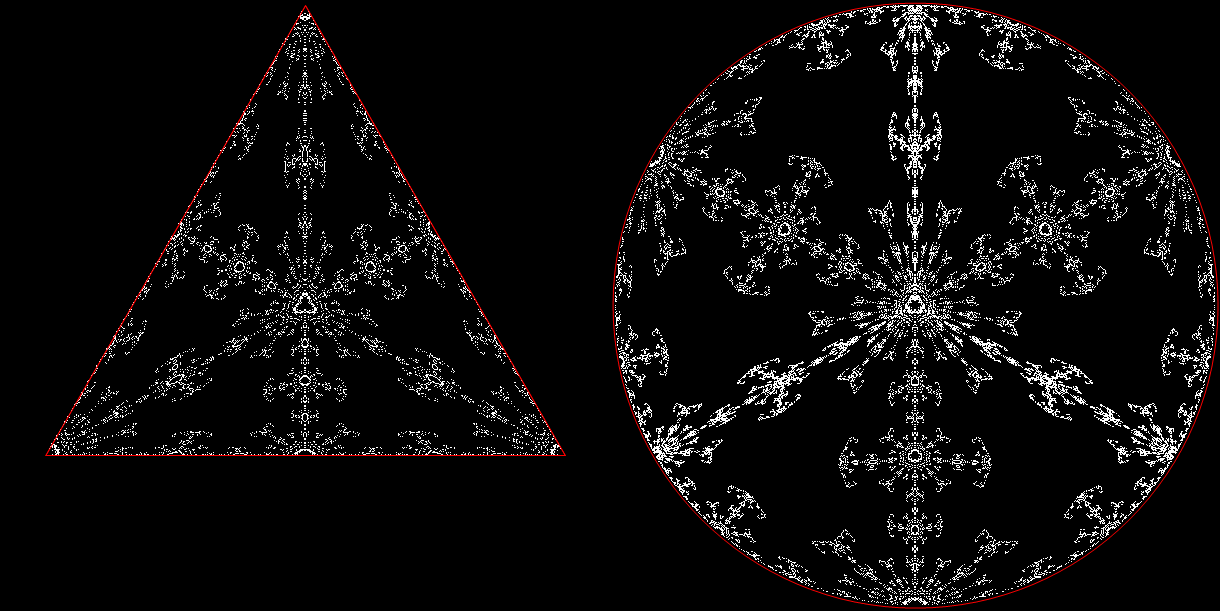

Delayed-discard trix fractal to circular fractal (animated)


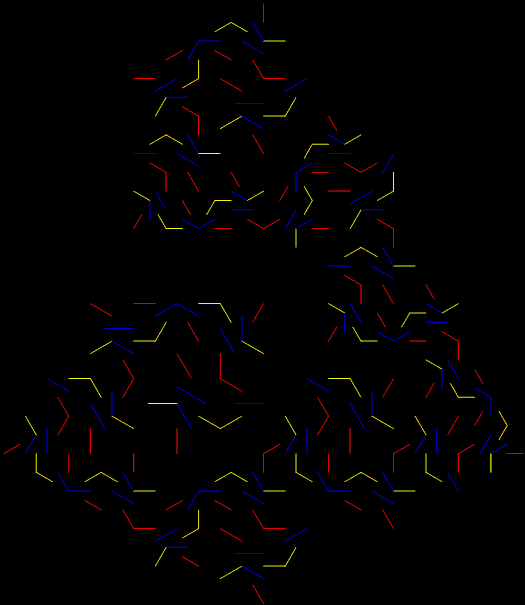
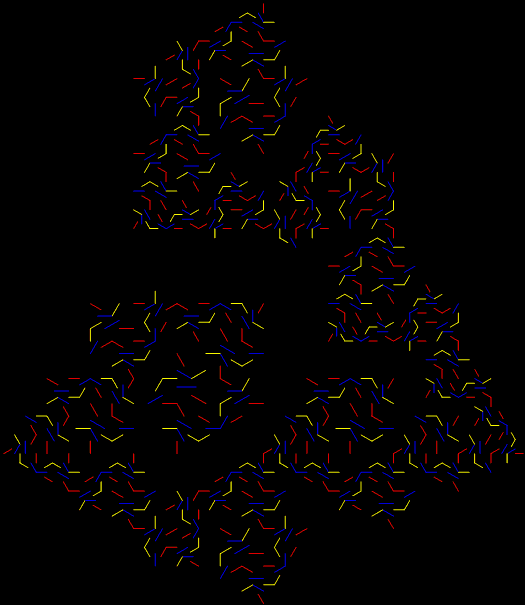
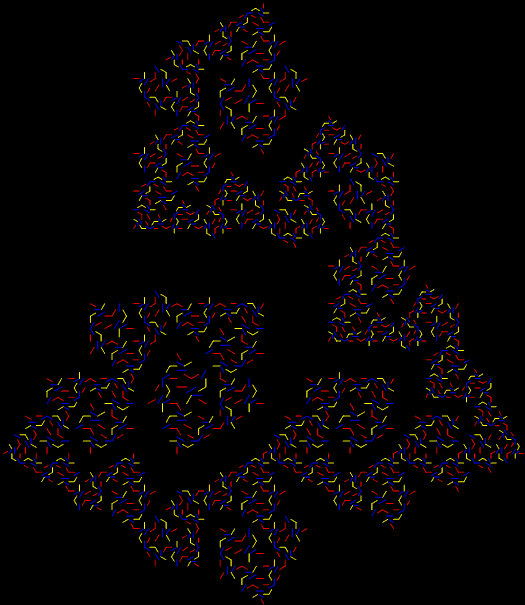
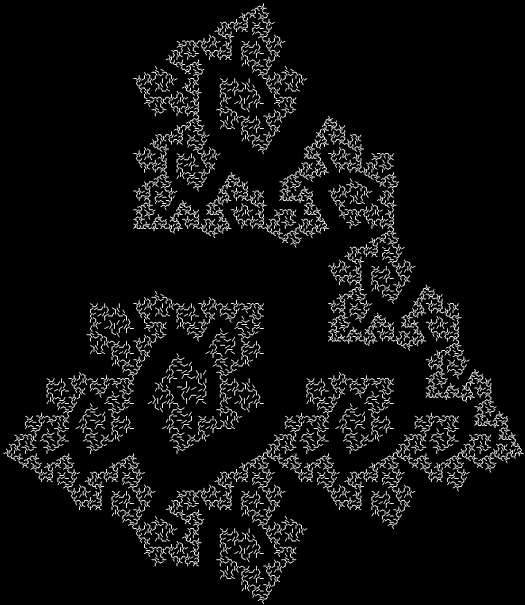
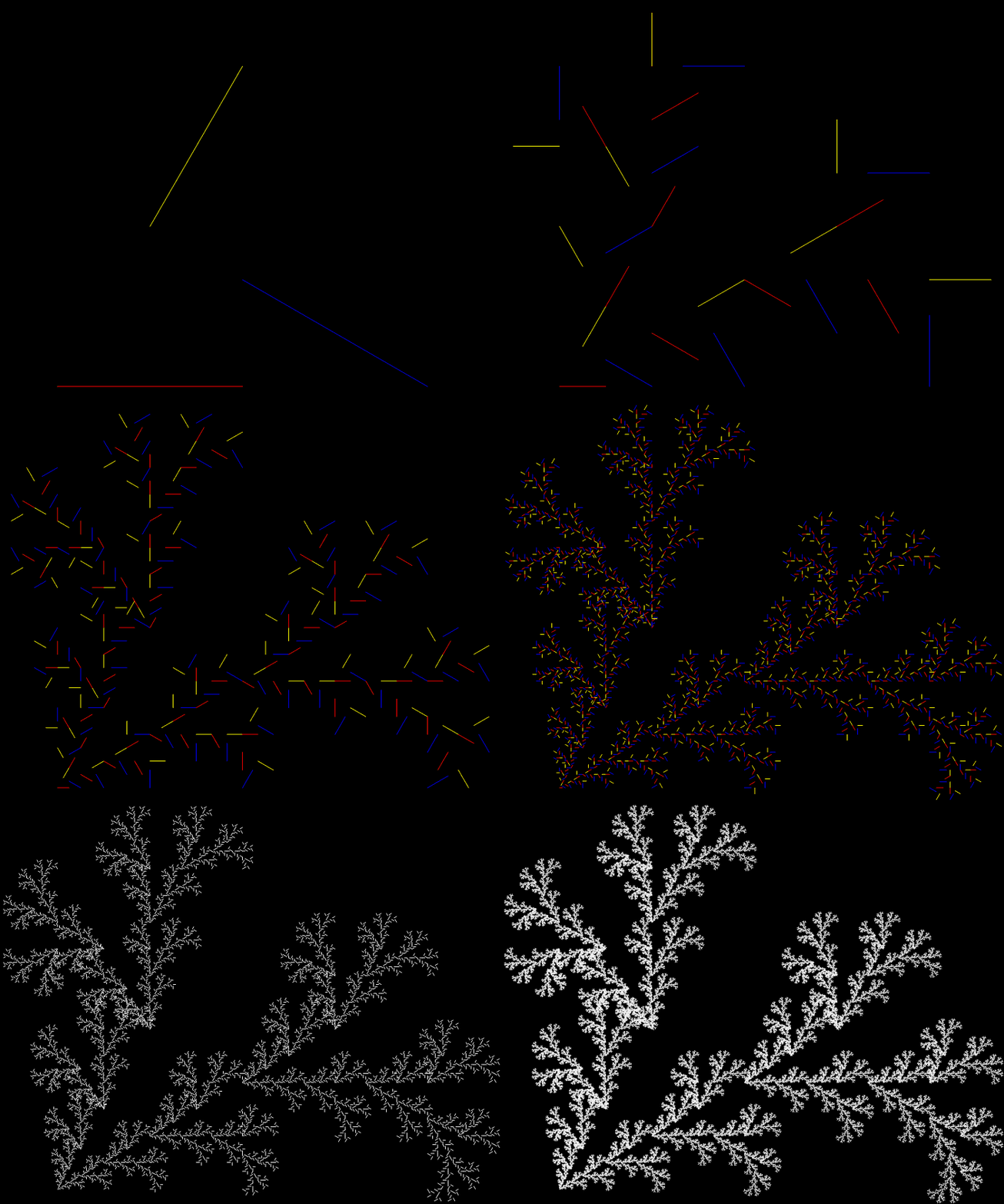
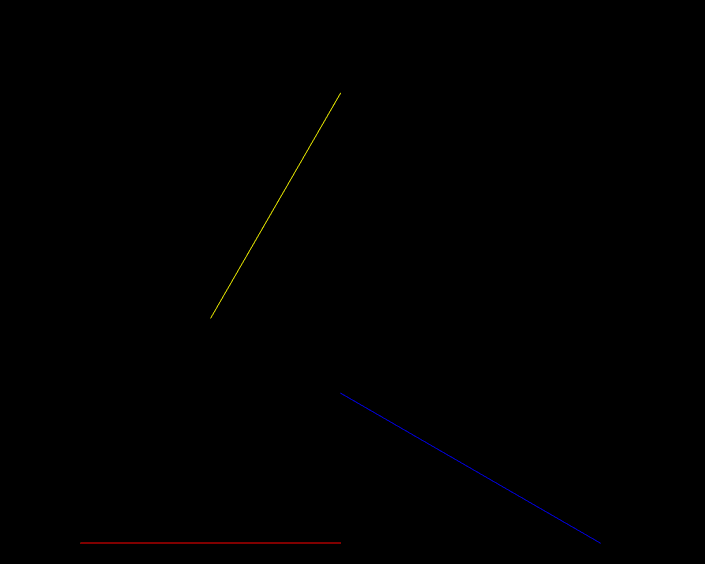
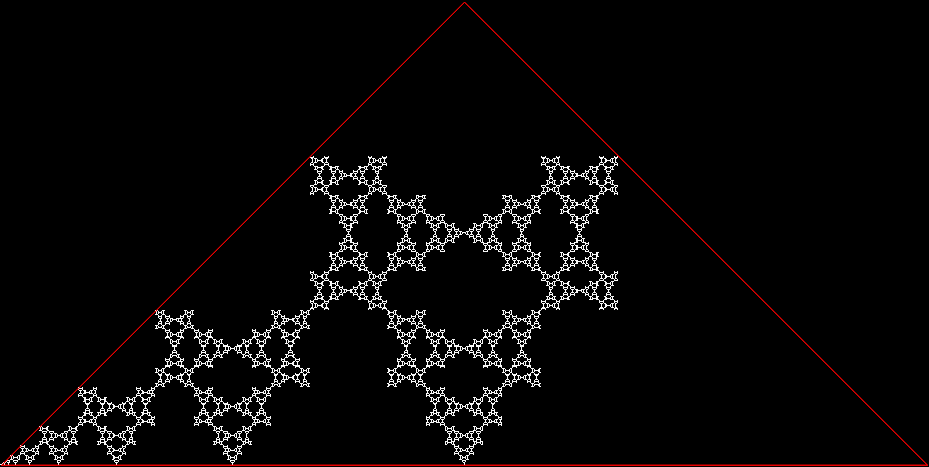
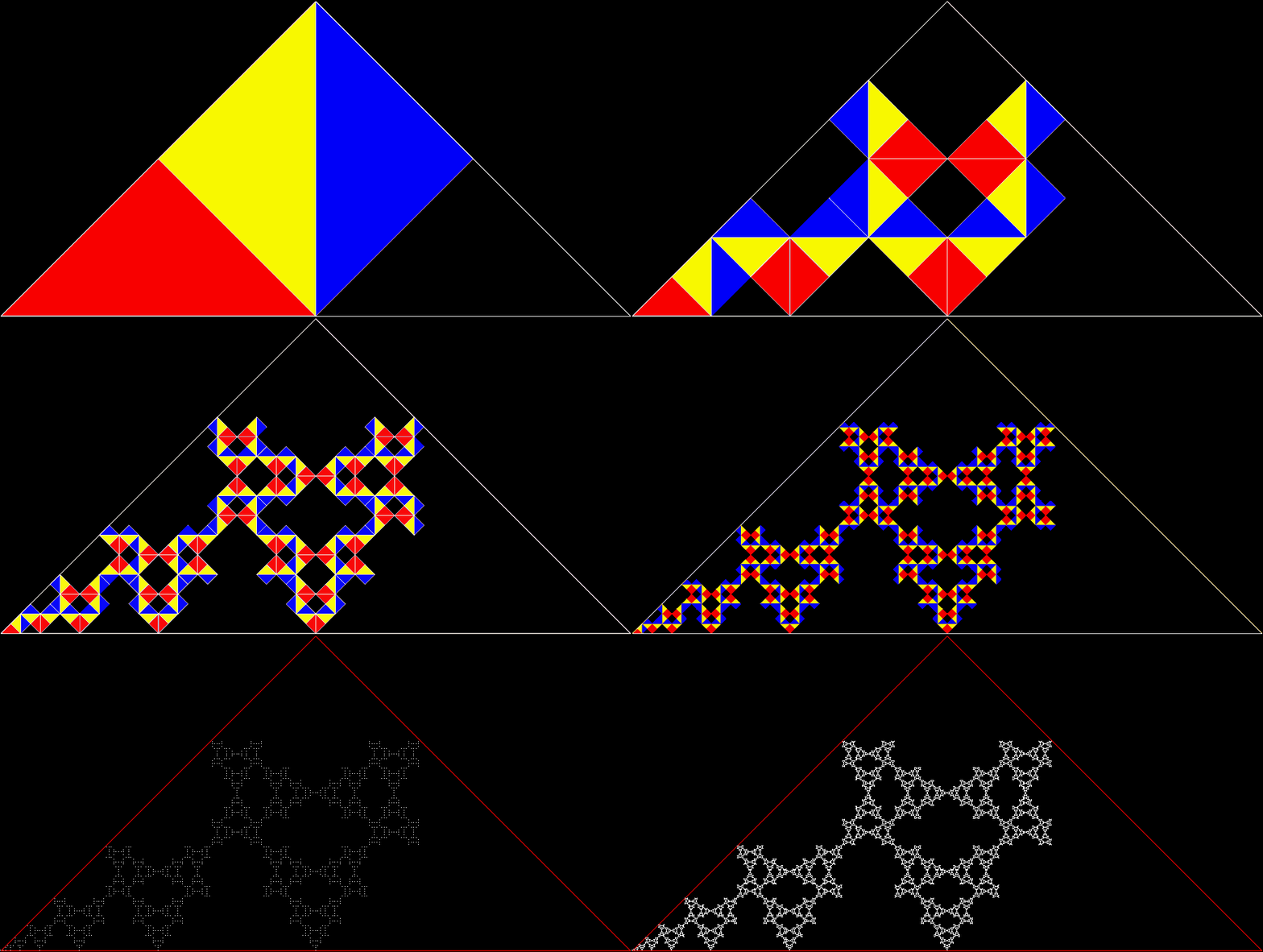
Now a trix fractal that looks like a hawk-god:
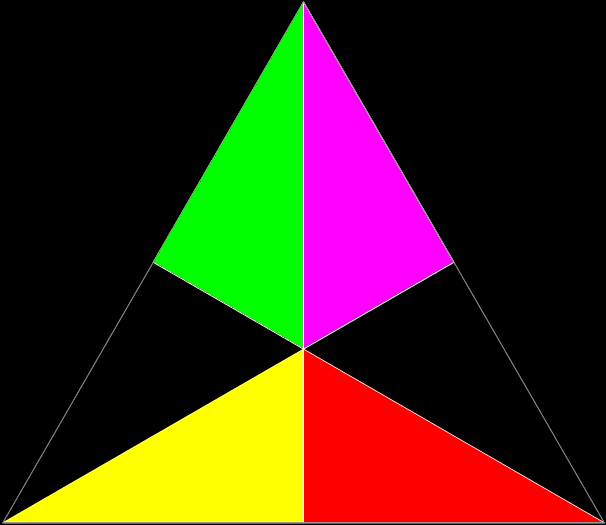
Trix hawk-god #1
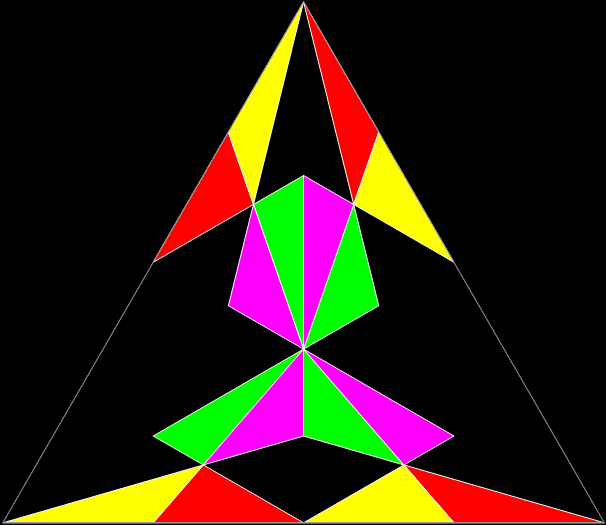

Trix hawk-god #2
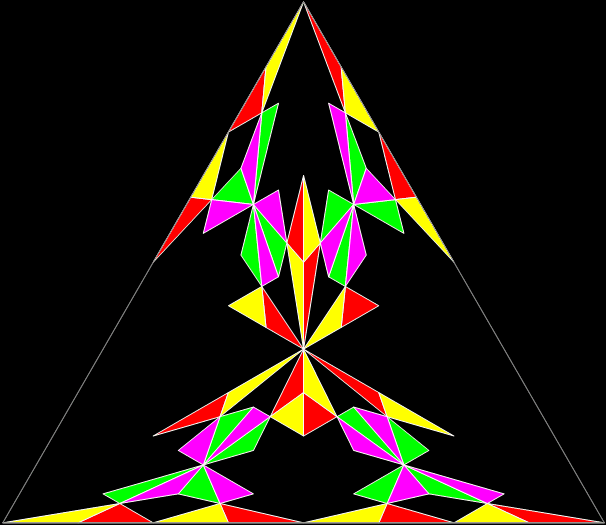

Trix hawk-god #3
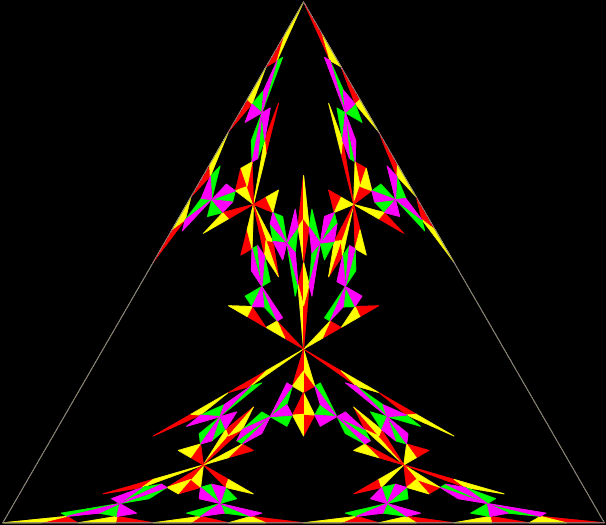

Trix hawk-god #4
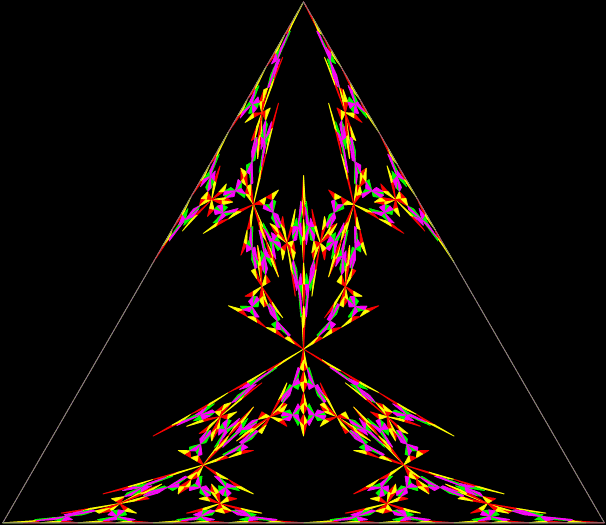

Trix hawk-god #5
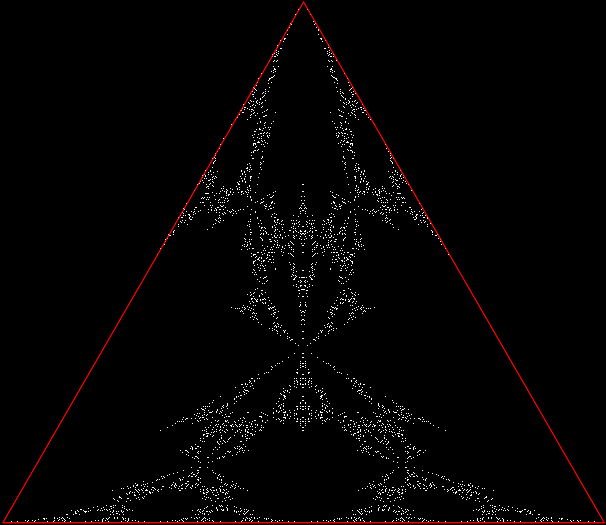

Trix hawk-god #6


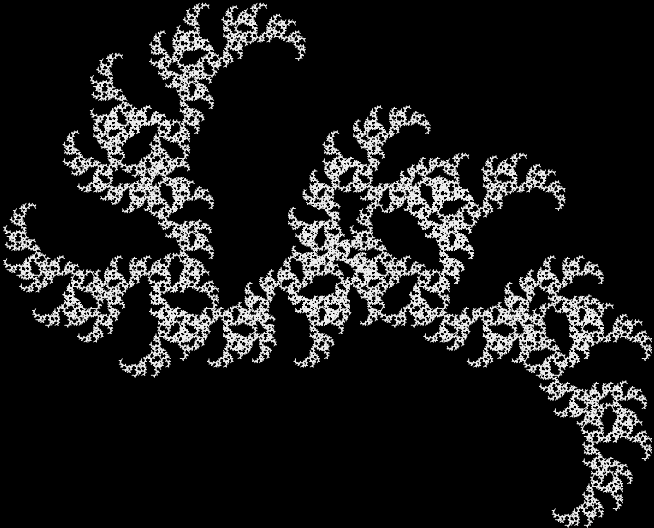
Trix hawk-god #7
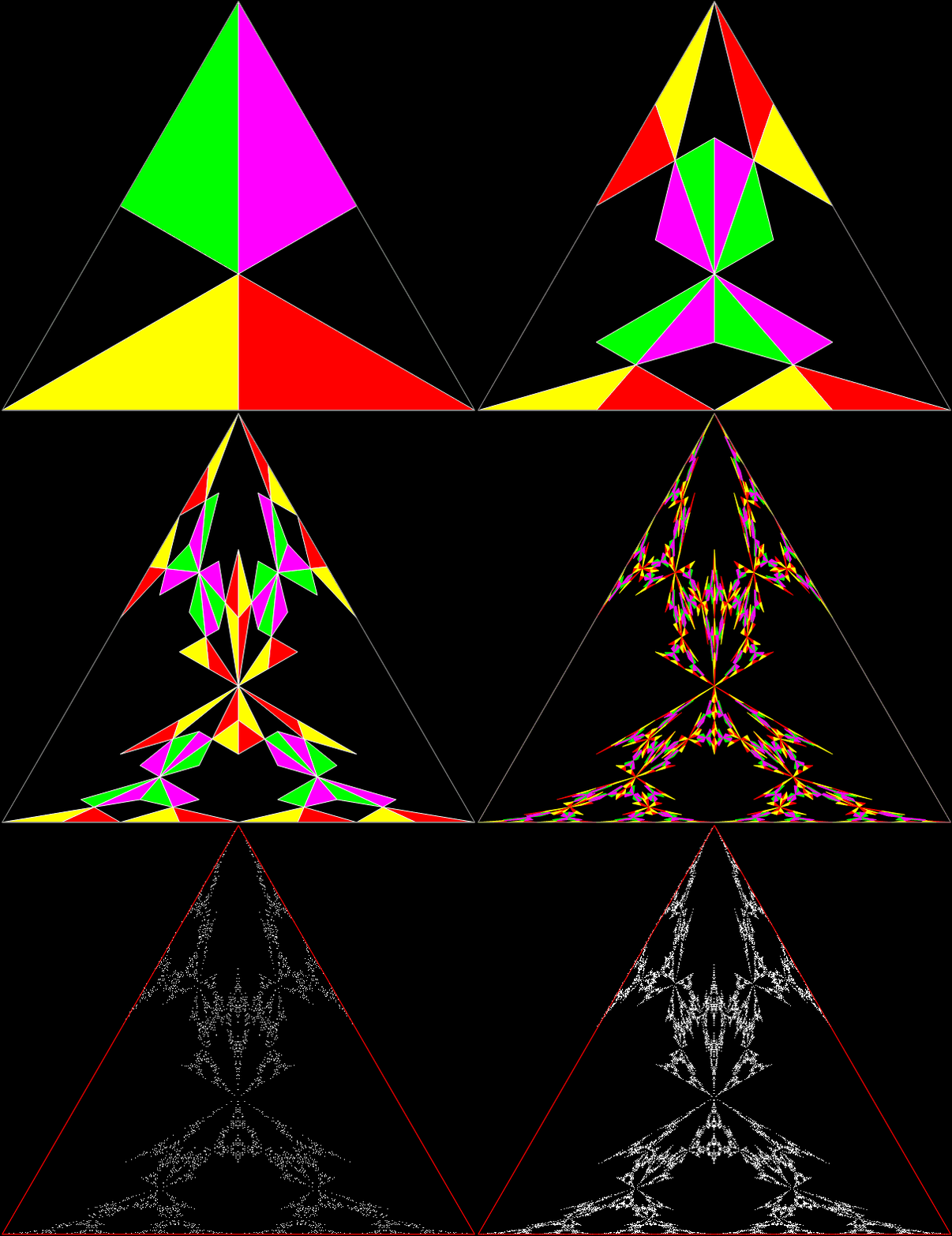

Trix hawk-god (animated)
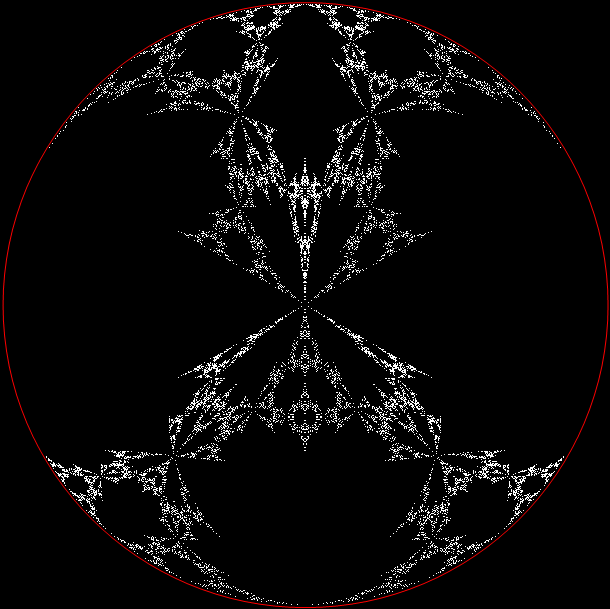

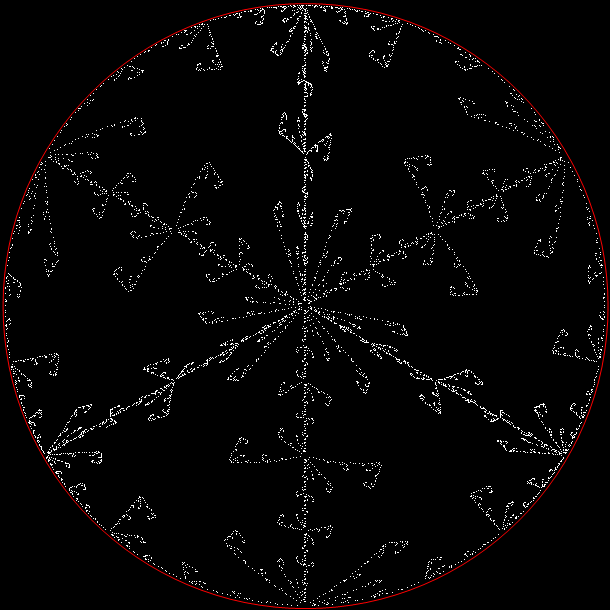
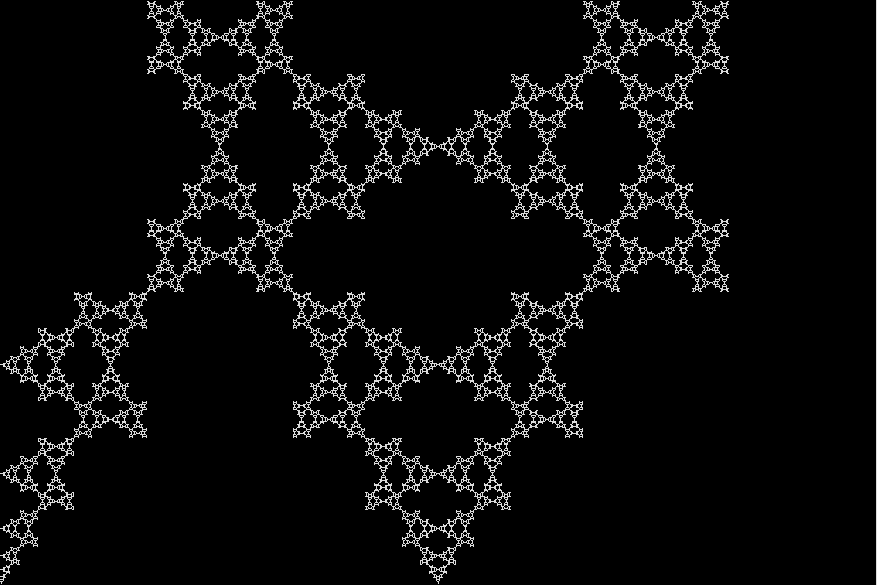
Trix hawk-god converted to circle
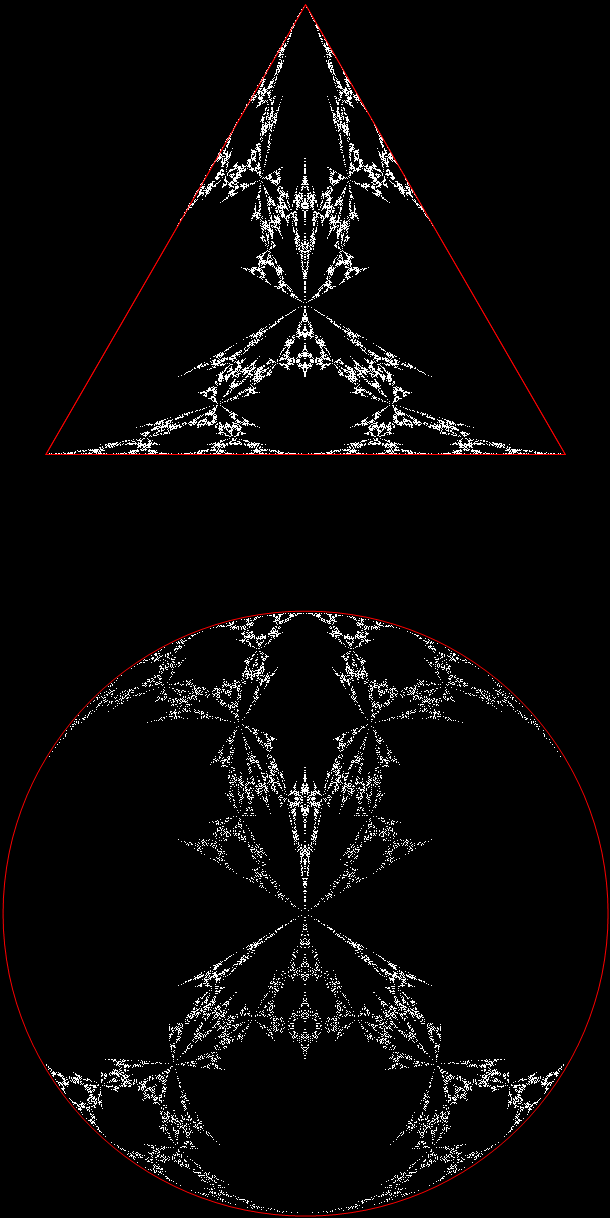

Trix hawk-god to circle (animated)


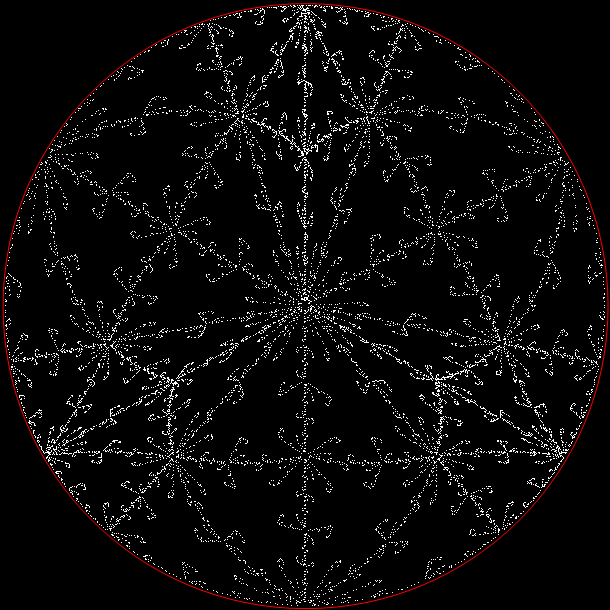
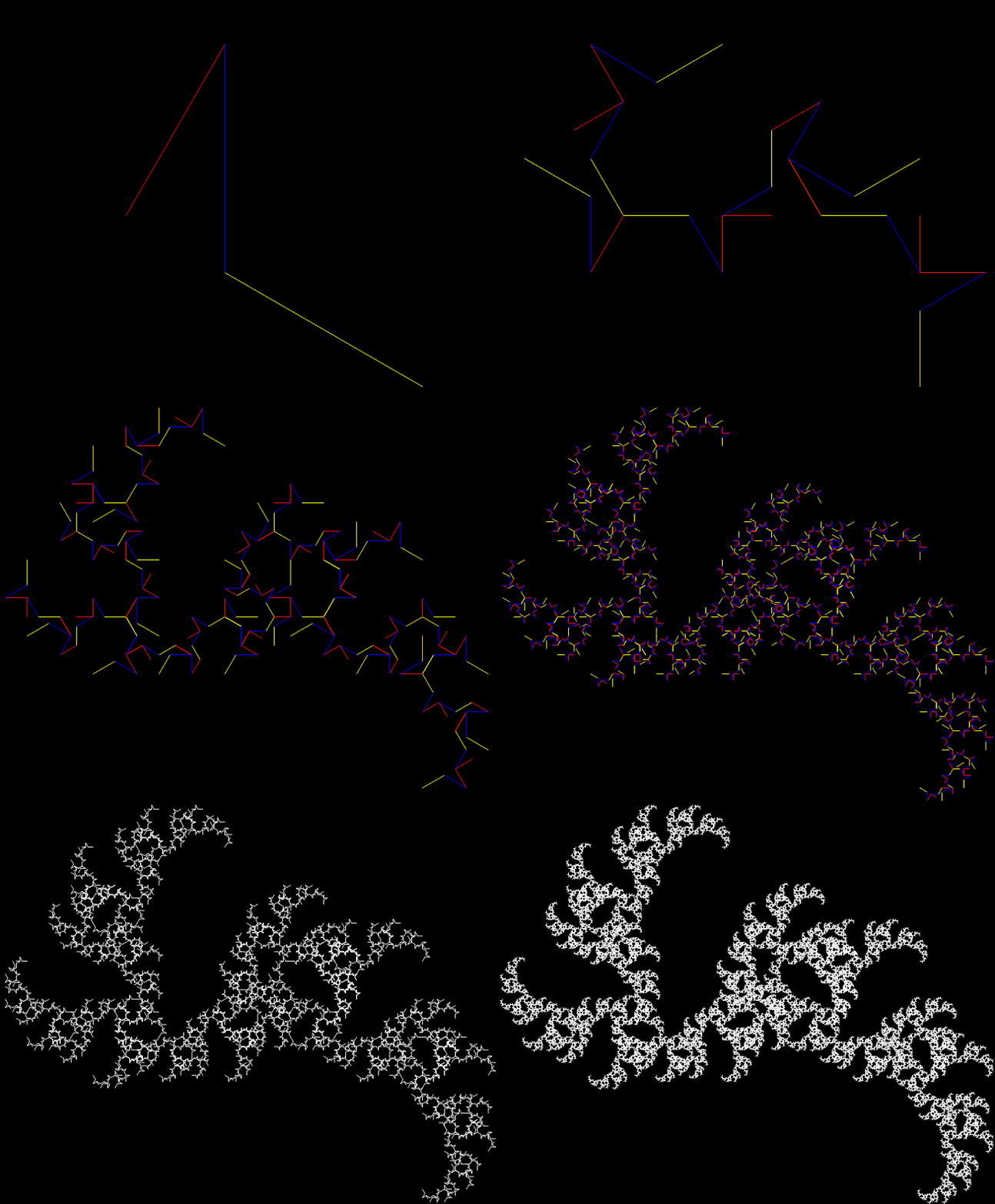
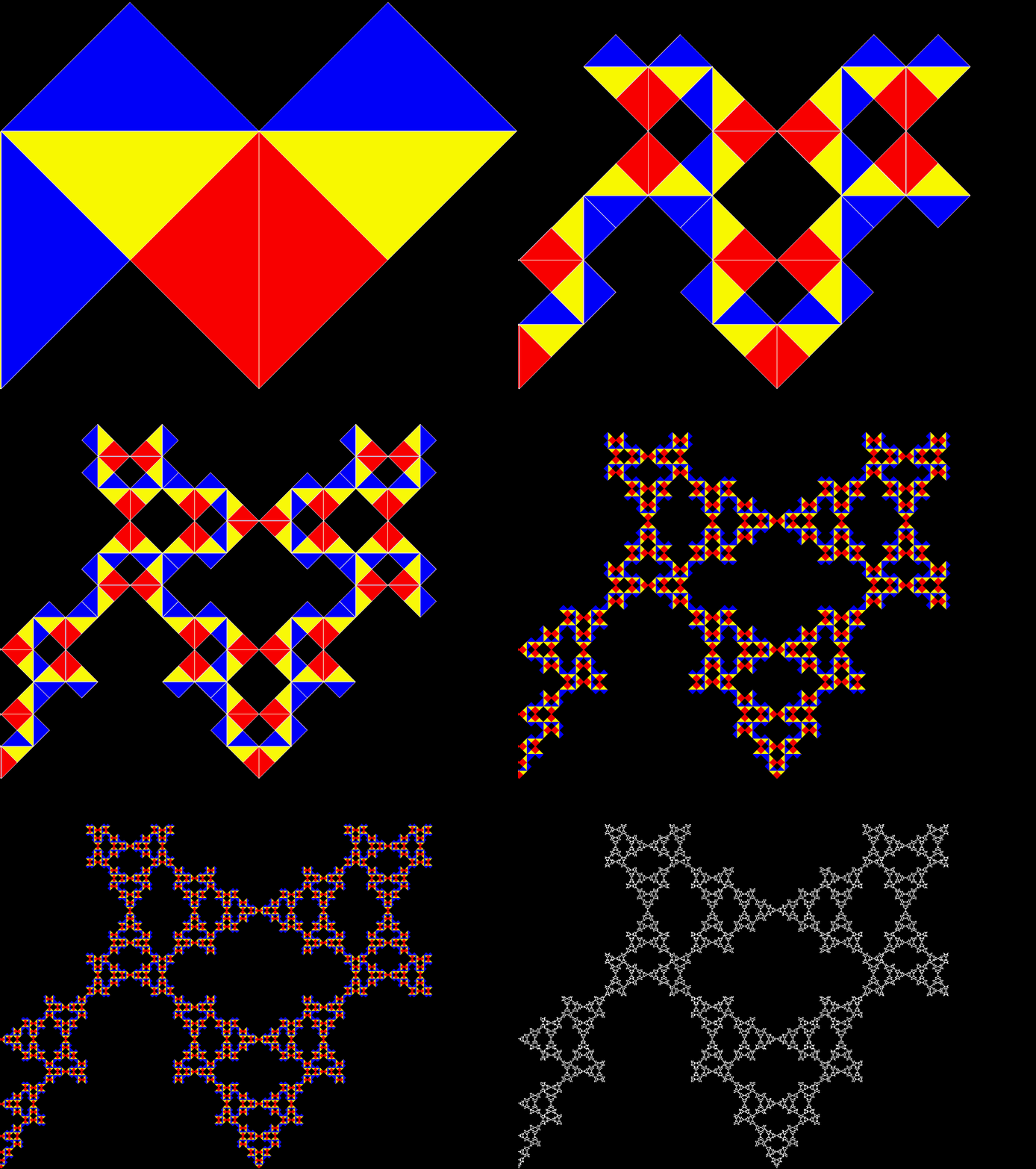
If you delay the discard, you get this:

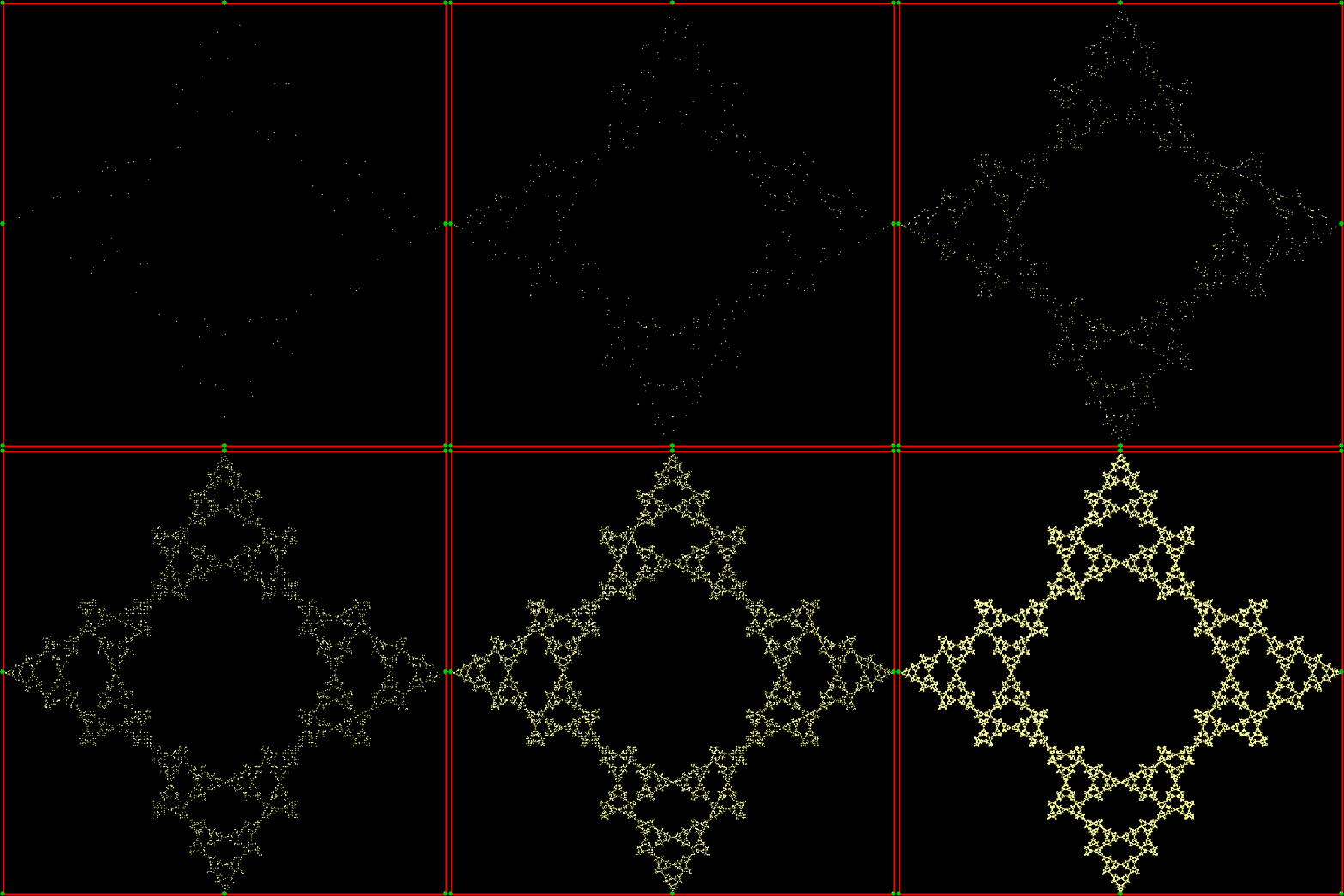
Trix hawk-god circle (delayed discard)


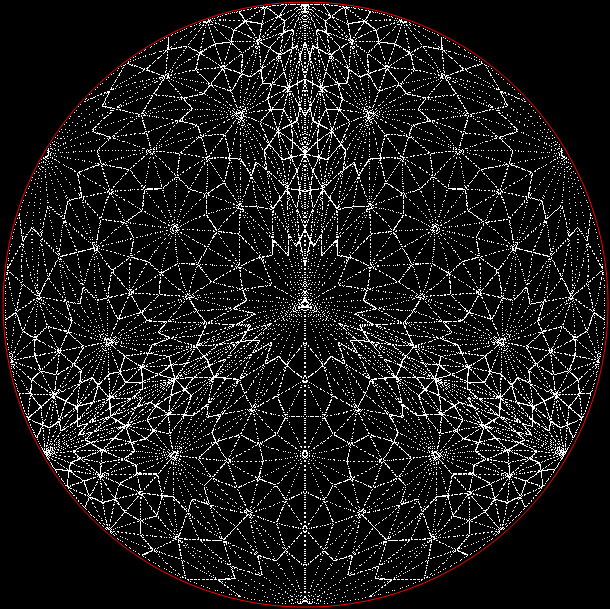
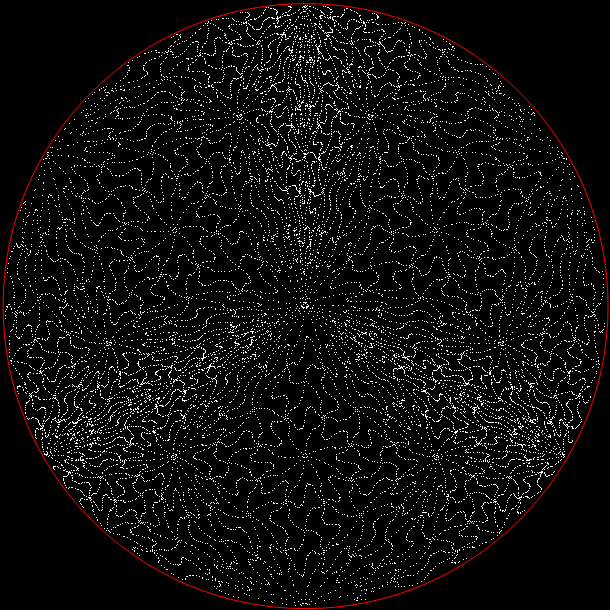
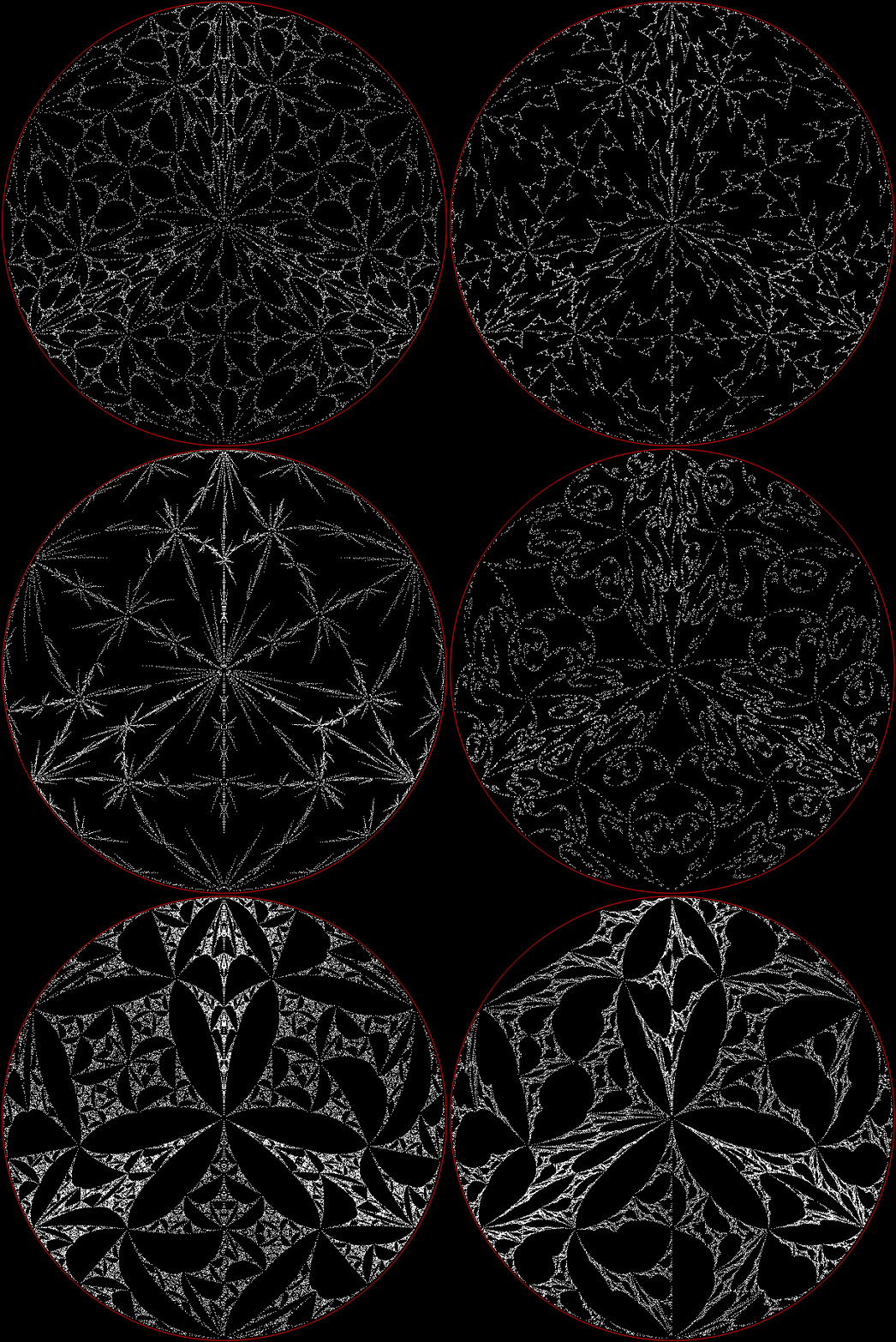
And here are more delayed-discard trix fractals:
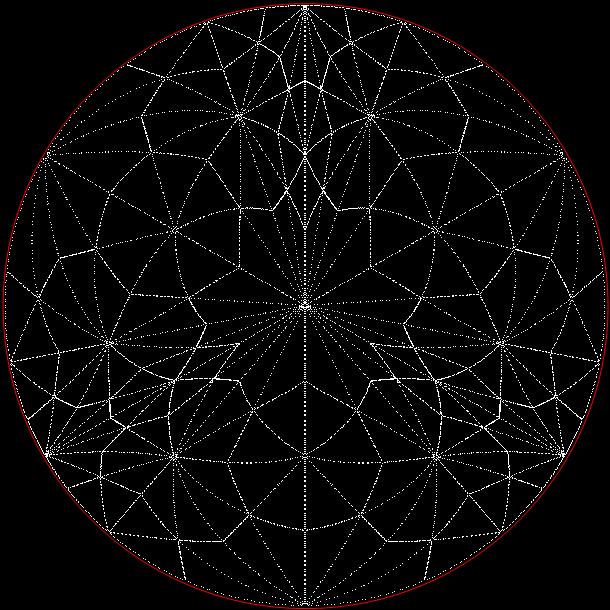


Various circular trix-fractals (animated)


Post-Performative Post-Scriptum

In Latin, circus means “ring, circle” — the English word “circle” is actually from the Latin diminutive circulus, meaning “little circle”.
Fractangular Frolics

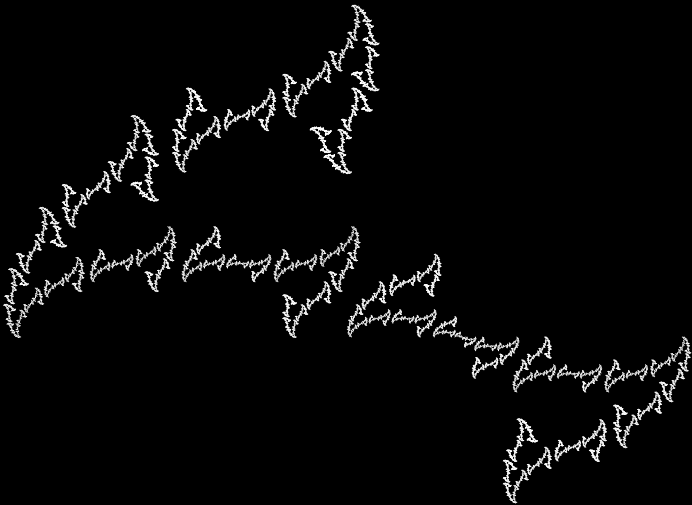
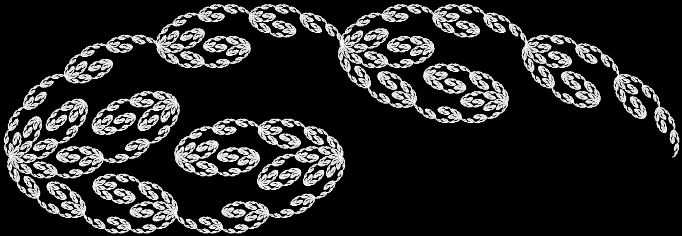
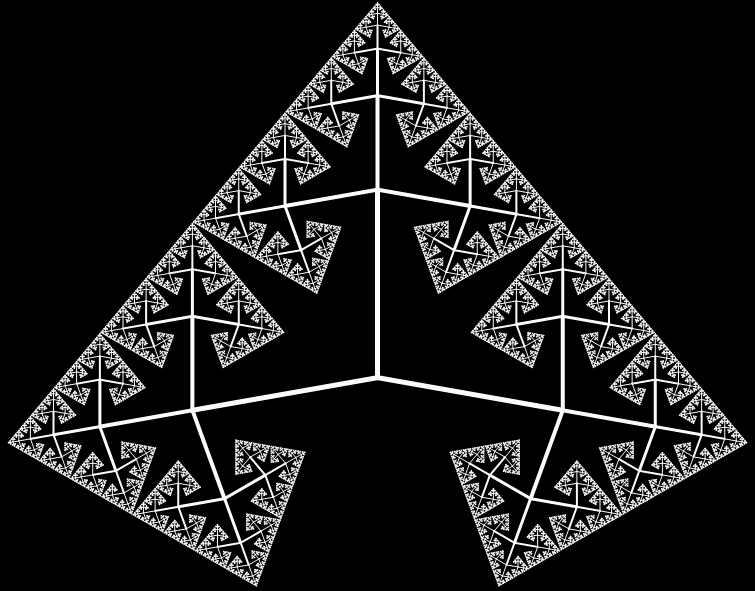
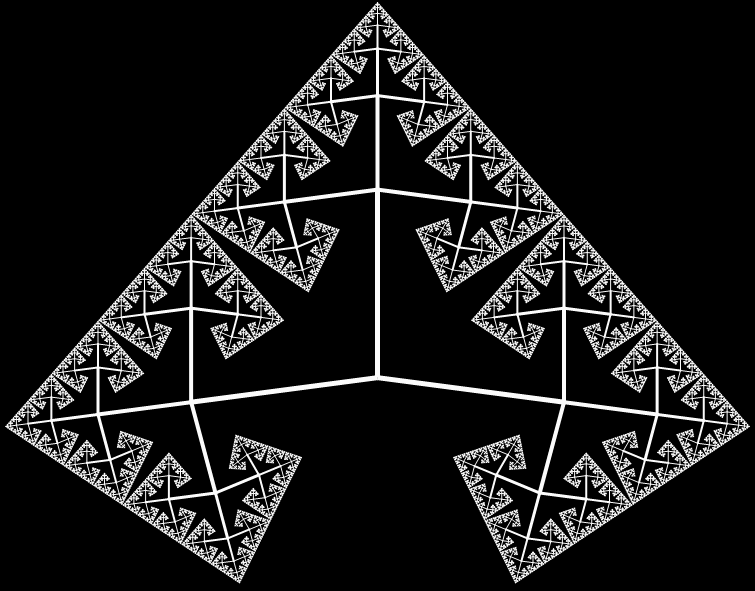
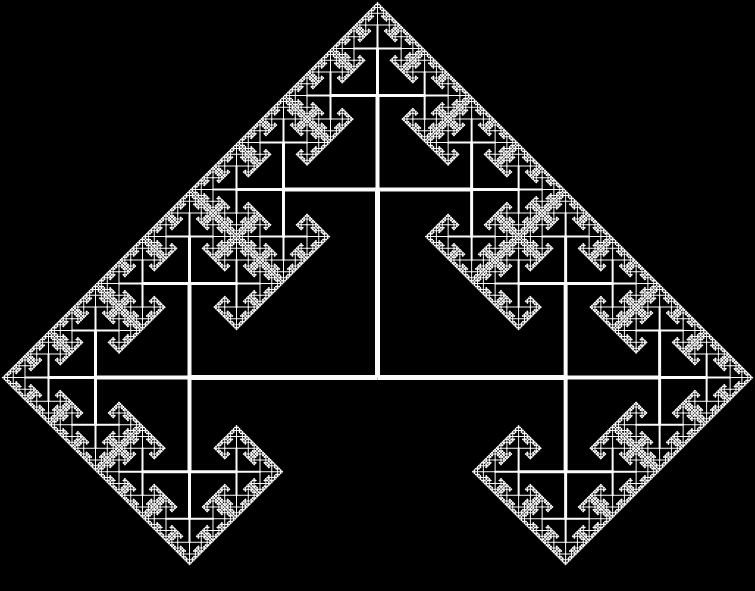
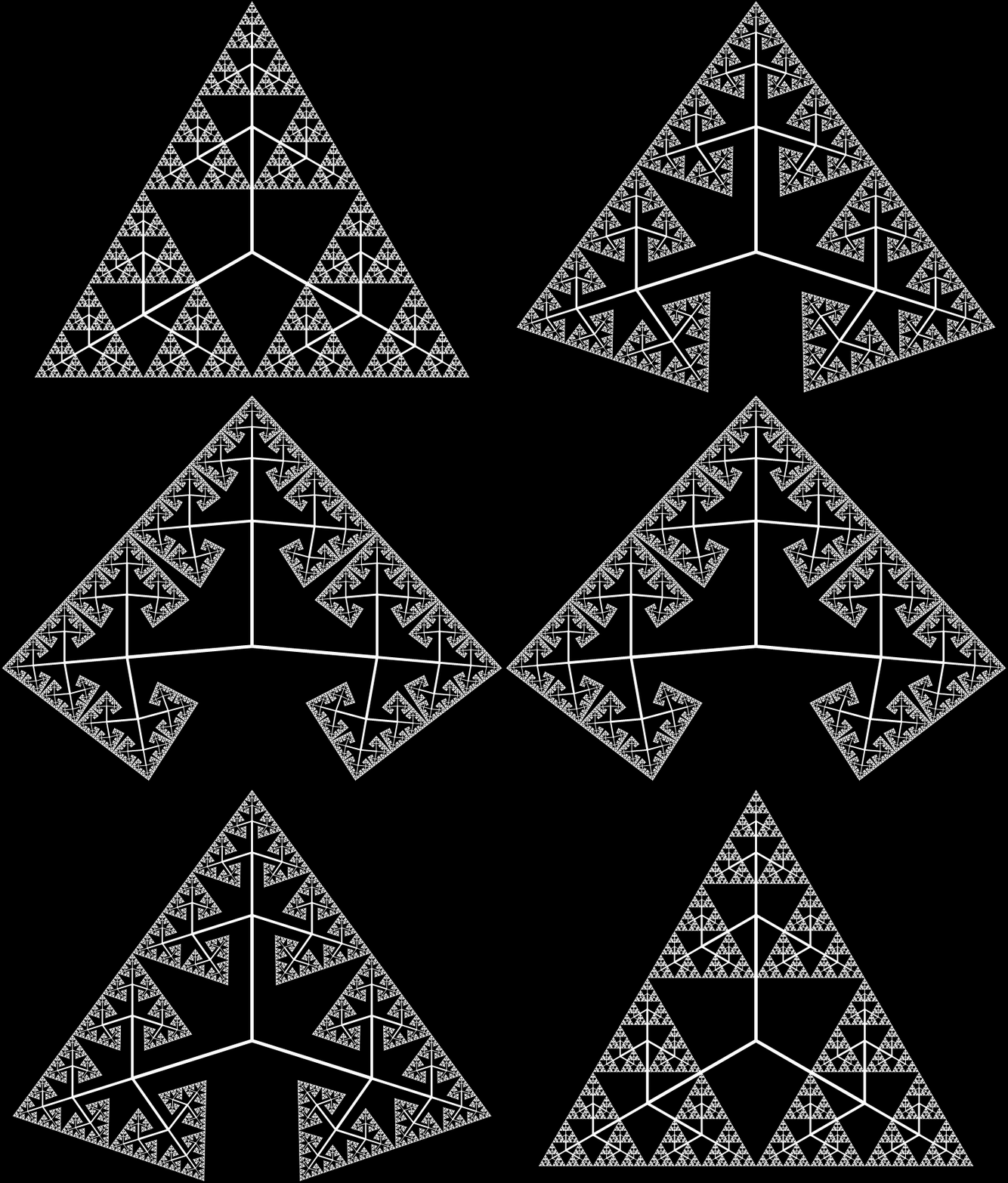
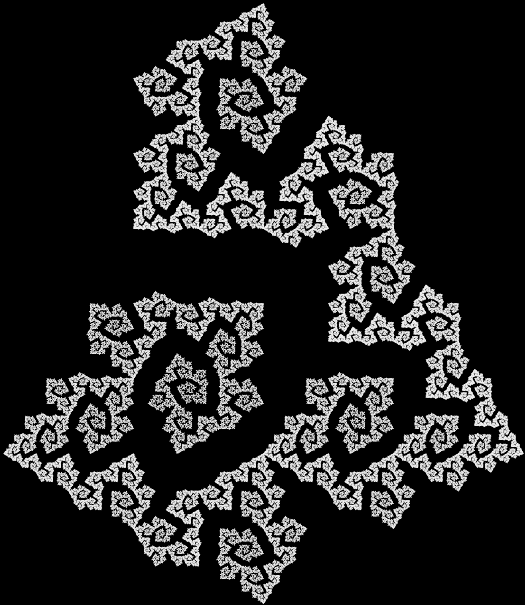
Here’s an interesting shape that looks like a distorted and dissected capital S:

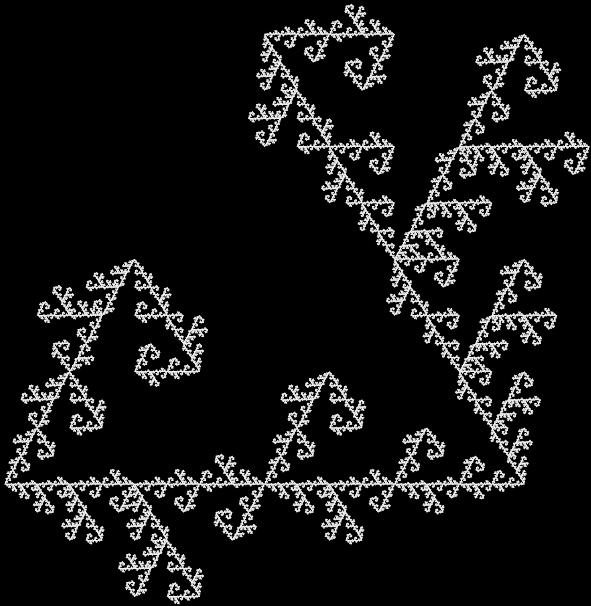
A distorted and dissected capital S


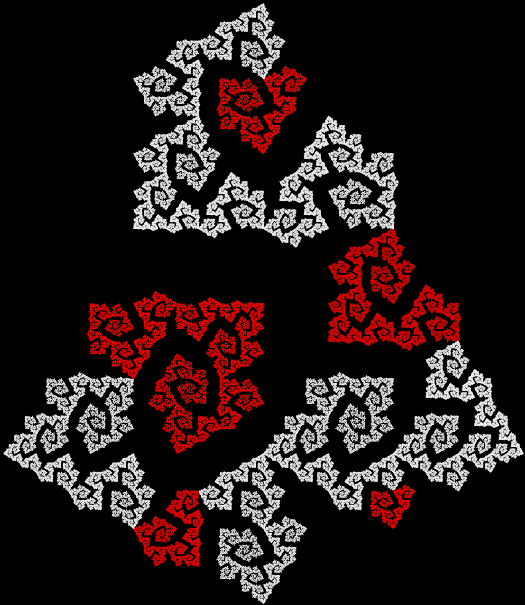
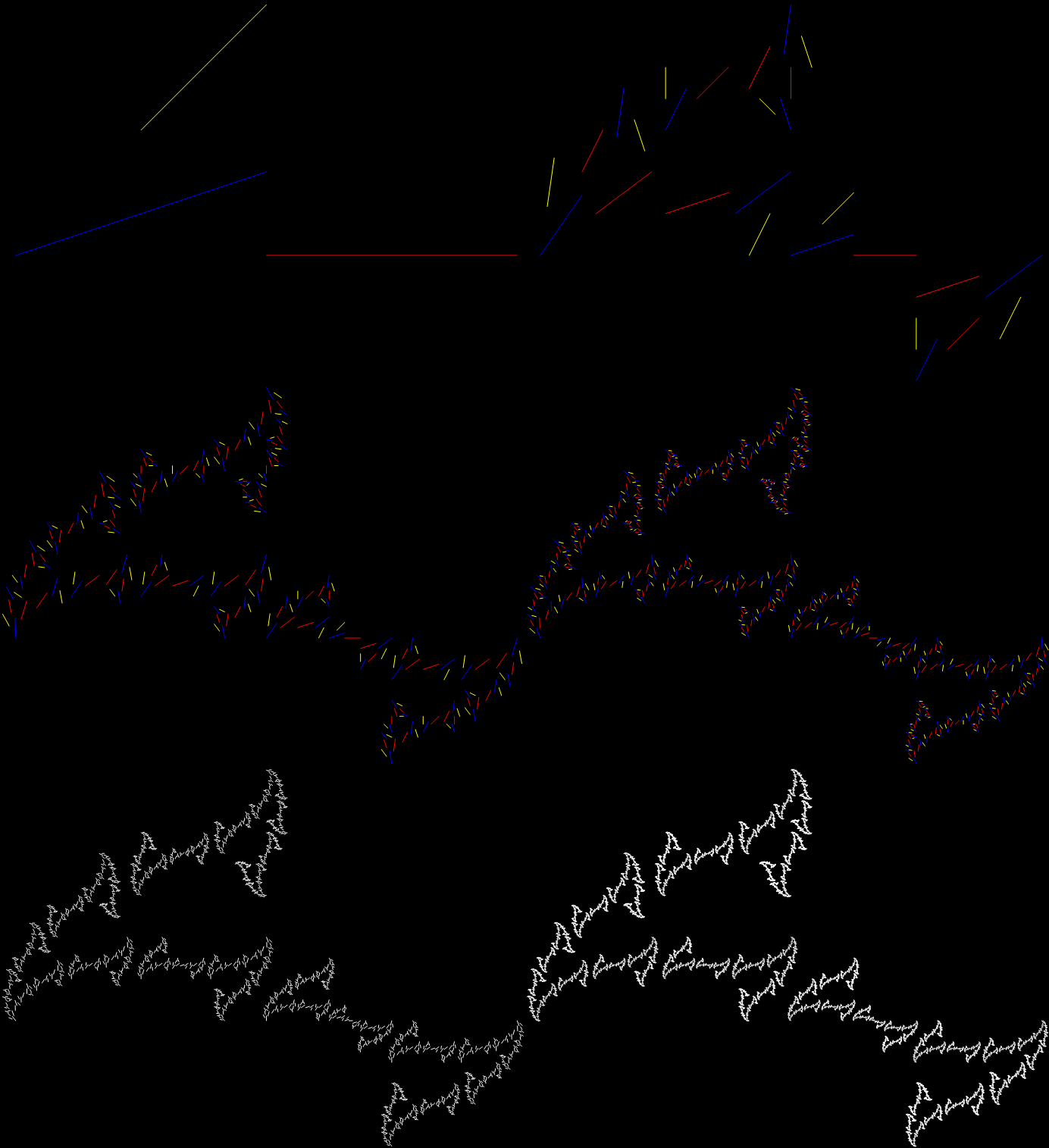
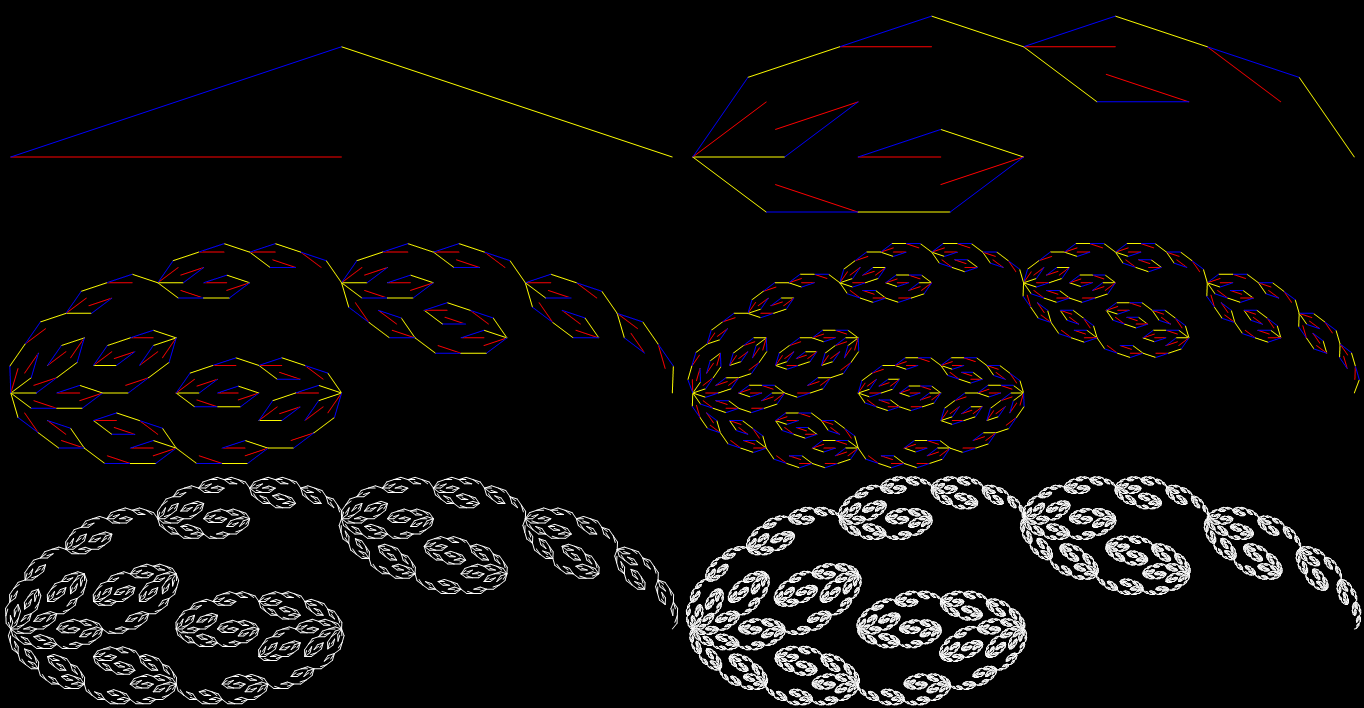
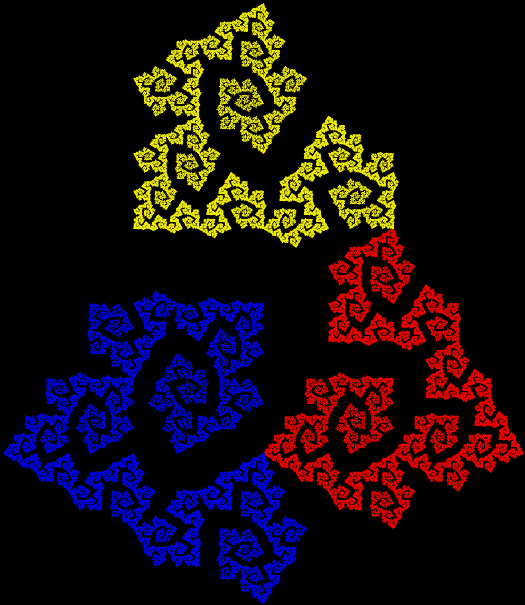
If you look at it more closely, you can see that it’s a fractal, a shape that contains itself over and over on smaller and smaller scales. First of all, it can be divided completely into three copies of itself (each corresponding to a line of the fractangle seed, as shown below):

The shape contains three smaller versions of itself


The blue sub-fractal is slightly larger than the other two (1.154700538379251…x larger, to be more exact, or √(4/3)x to be exactly exact). And because each sub-fractal can be divided into three sub-sub-fractals, the shape contains smaller and smaller copies of itself:

Five more sub-fractals


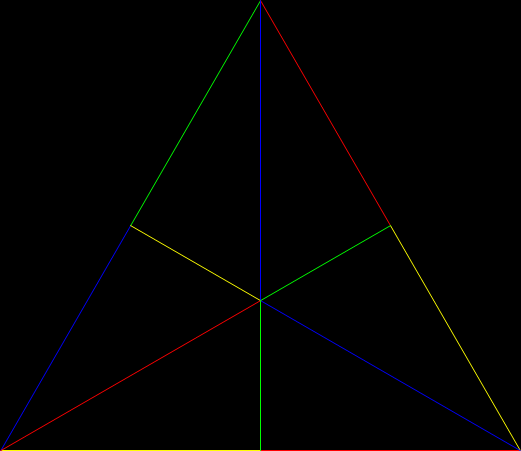
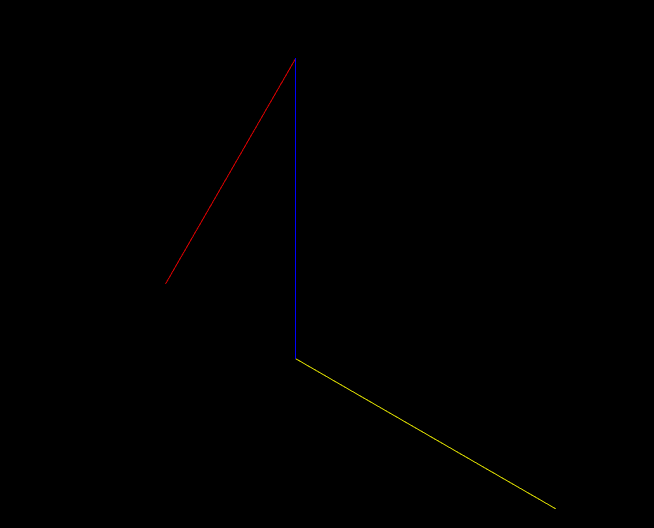
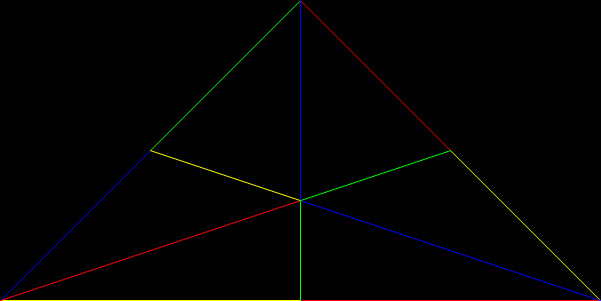
But how do you create the shape? You start by selecting three lines from this divided equilateral triangle:

A divided equilateral triangle


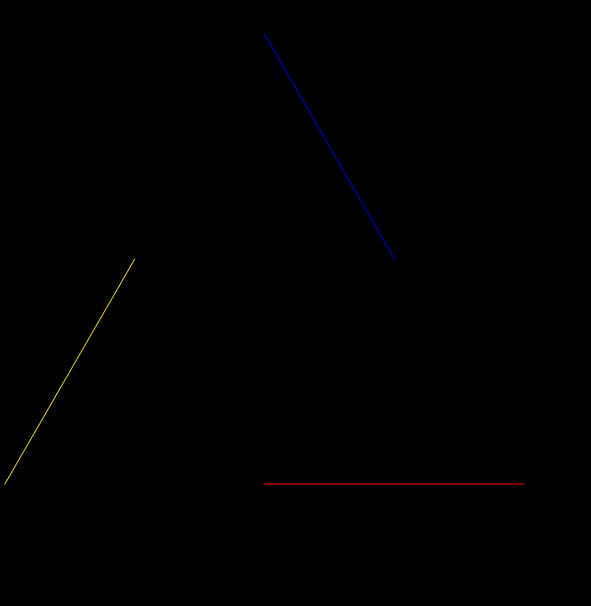
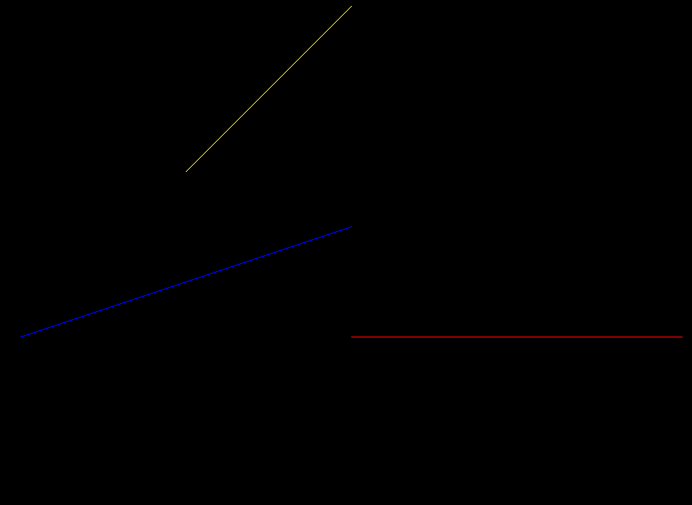
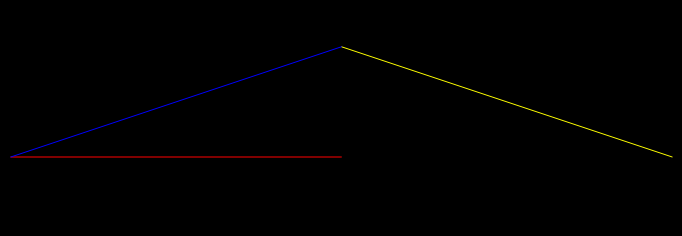
These are the three lines you need to create the shape:

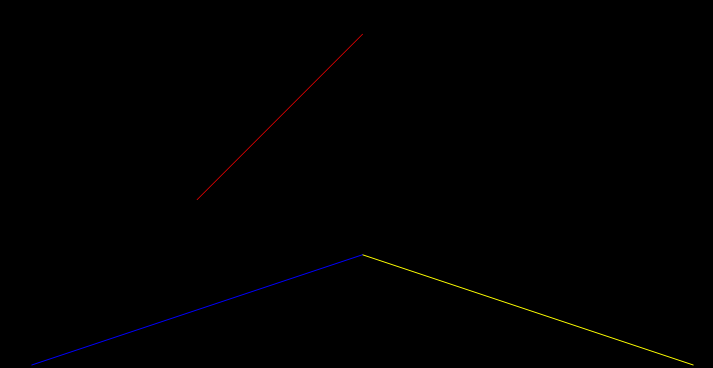
Fractangle seed (the three lines correspond to the three sub-fractals seen above)


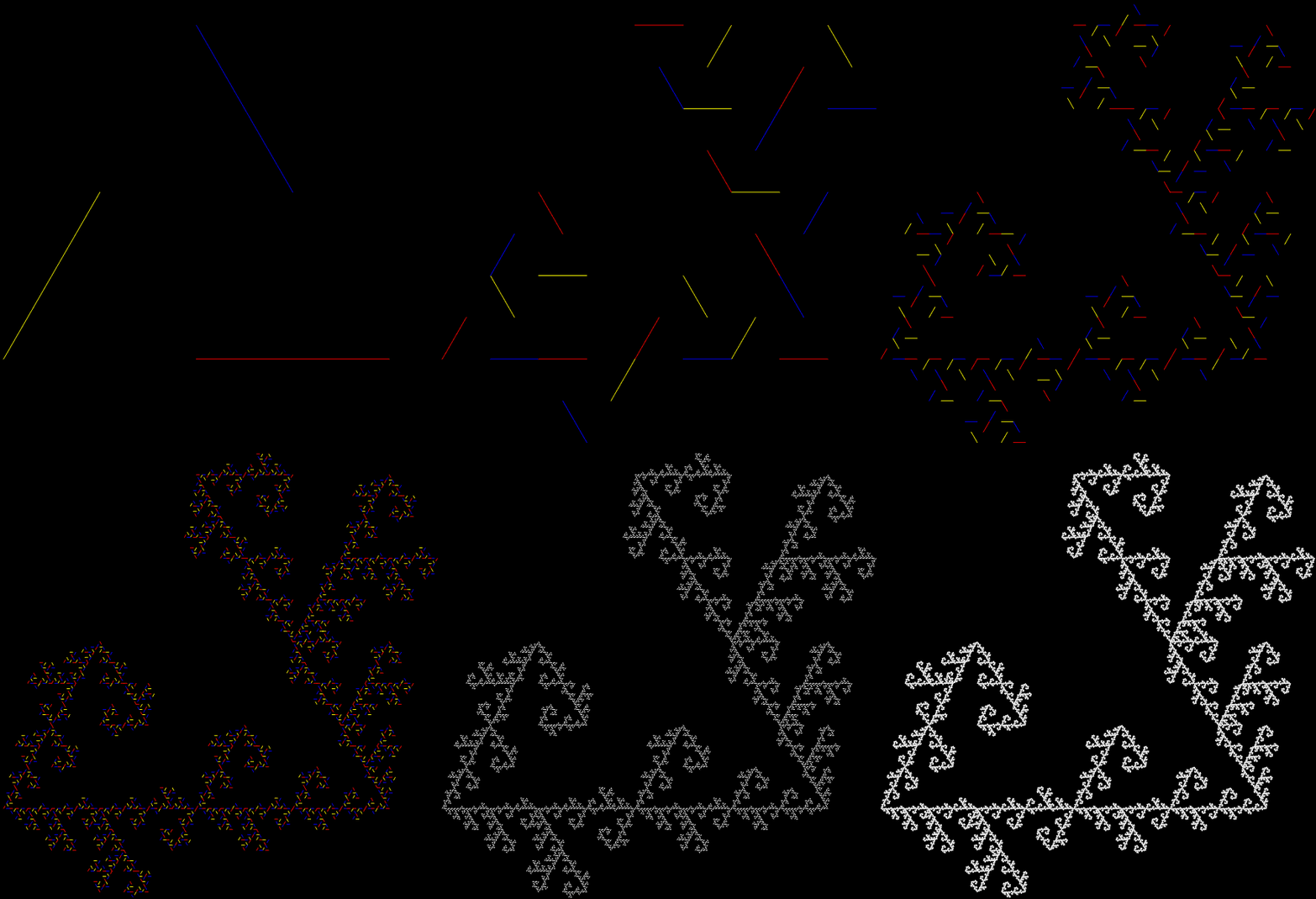
Now replace each line with a half-sized set of the same three lines:

Fractangle stage #2


And do that again:

Fractangle stage #3


And again:

Fractangle stage #4


And carry on doing it as you create what I call a fractangle, i.e. a fractal derived from a triangle:

Fractangle stage #5


Fractangle stage #6


Fractangle stage #7


Fractangle stage #8


Fractangle stage #9


Fractangle stage #10


Fractangle stage #11


Here’s an animation of the process:

Creating the fractangle (animated)


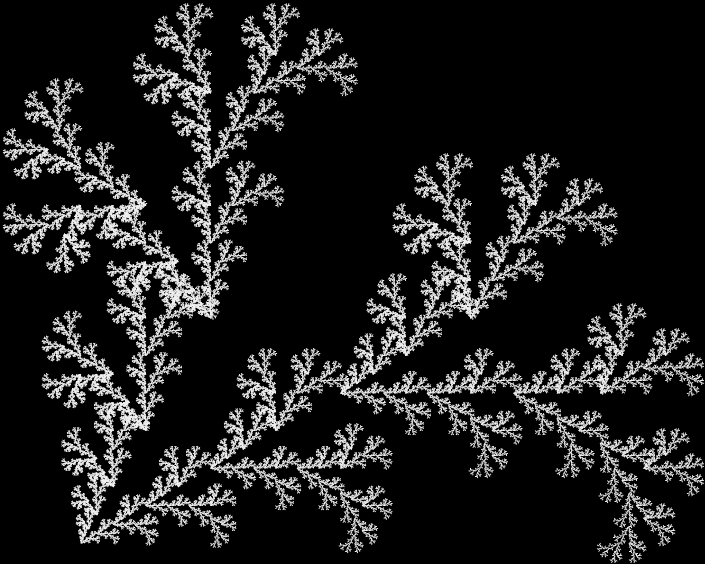
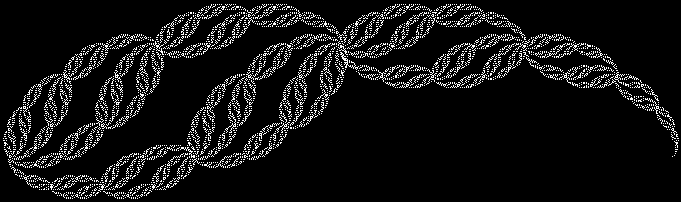
And here are more fractangles created in a similar way from three lines of the divided equilateral triangle:

Fractangle #2


Fractangle #2 (anim)

(open in new window if distorted)


Fractangle #2 (seed)


Fractangle #3


Fractangle #3 (anim)


Fractangle #3 (seed)


Fractangle #4


Fractangle #4 (anim)


Fractangle #4 (seed)


You can also use a right triangle to create fractangles:

Divided right triangle for fractangles


Here are some fractangles created from three lines chosen of the divided right triangle:

Fractangle #5


Fractangle #5 (anim)


Fractangle #5 (seed)


Fractangle #6


Fractangle #6 (anim)


Fractangle #6 (seed)


Fractangle #7


Fractangle #7 (anim)


Fractangle #7 (seed)


Fractangle #8


Fractangle #8 (anim)


Fractangle #8 (seed)


At the Mountings of Mathness

Mounting n. a backing or setting on which a photograph, work of art, gem, etc. is set for display. — Oxford English Dictionary

Viewer’s advisory: If you are sensitive to flashing or flickering images, you should be careful when you look at the final fourth and fifth of the animated gifs below.


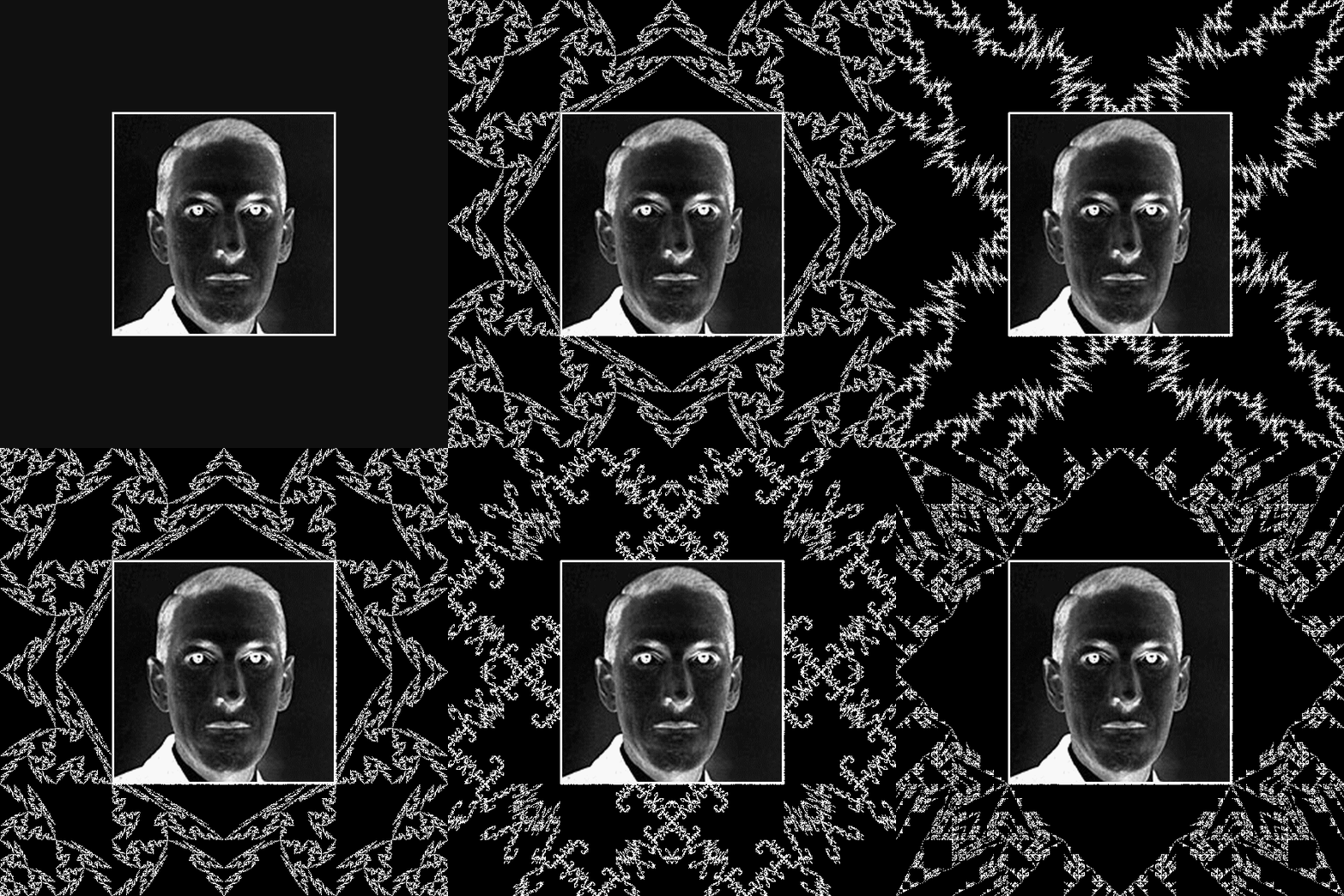
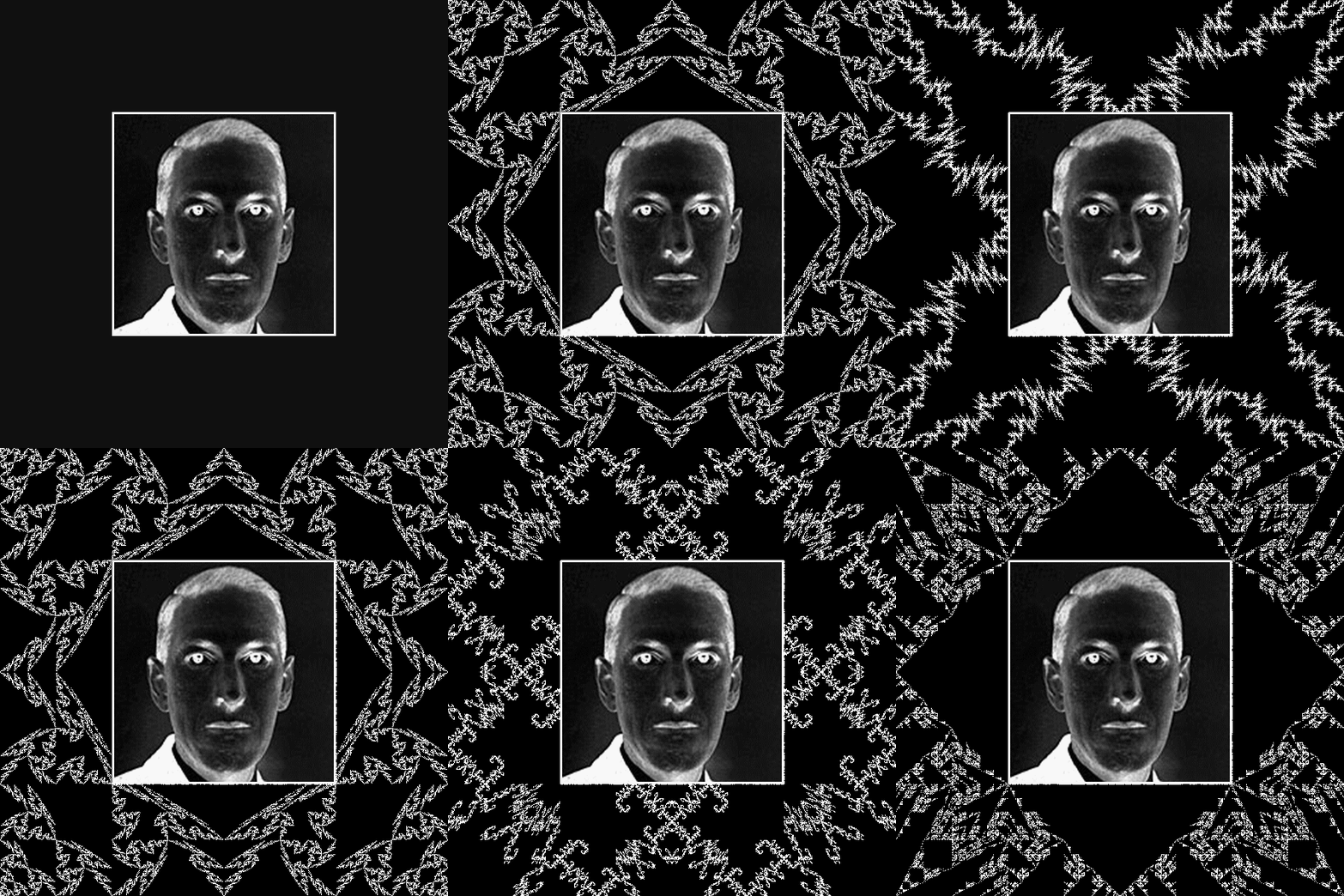
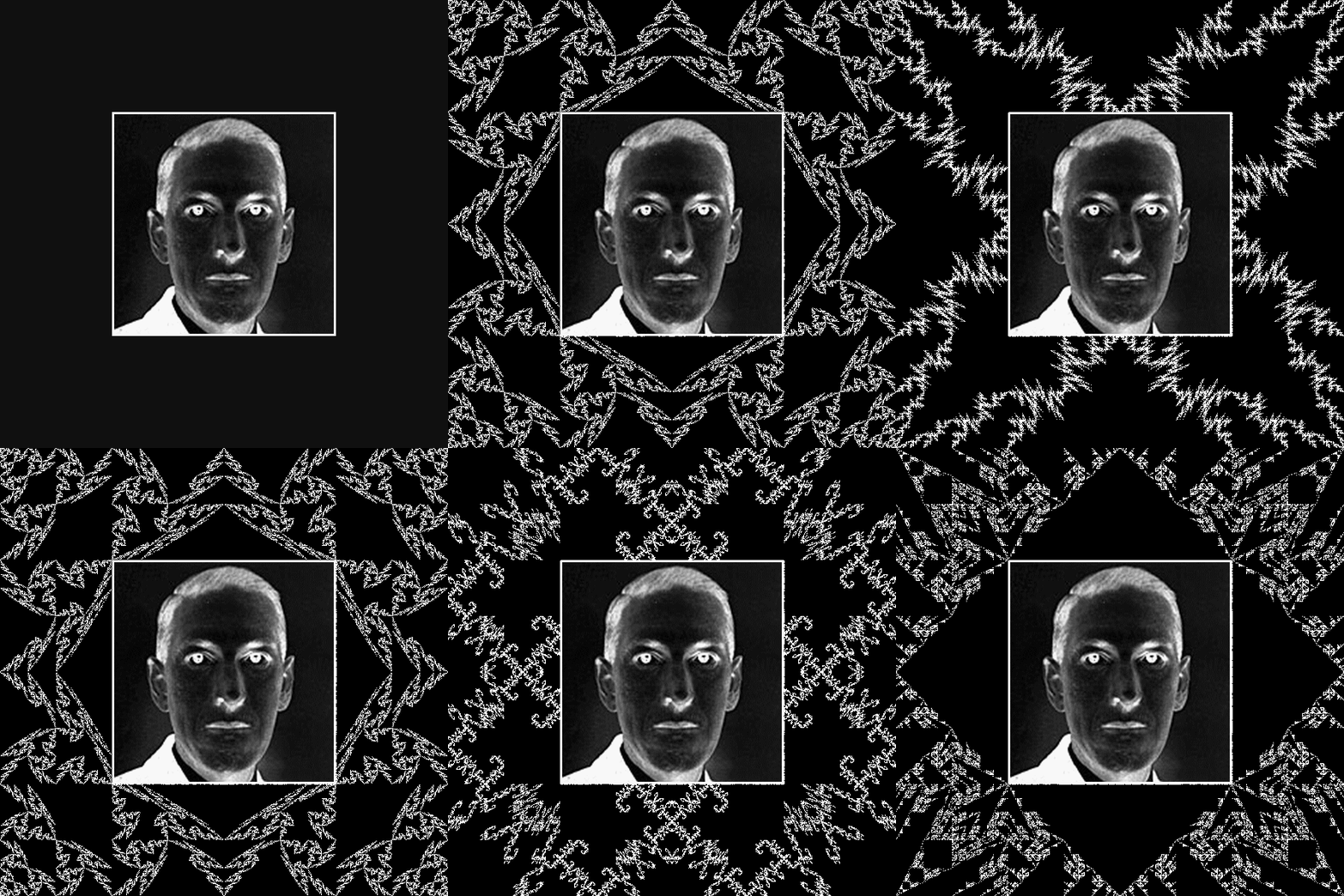
H.P. Lovecraft in some Mountings of Mathness


Agnathous Analysis

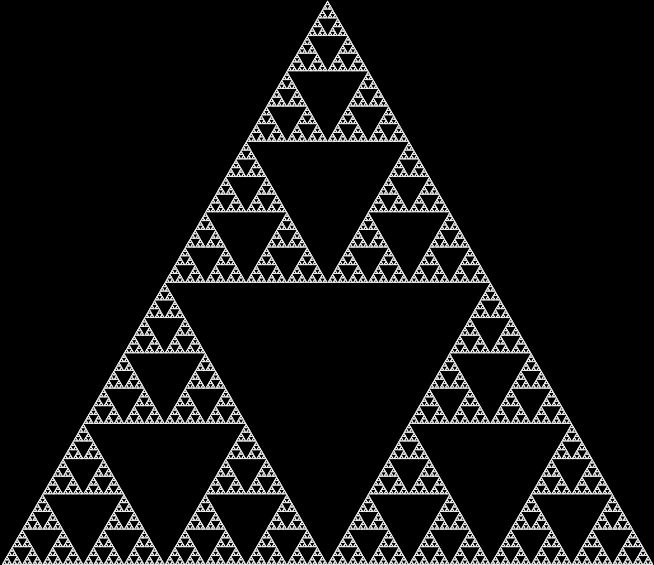
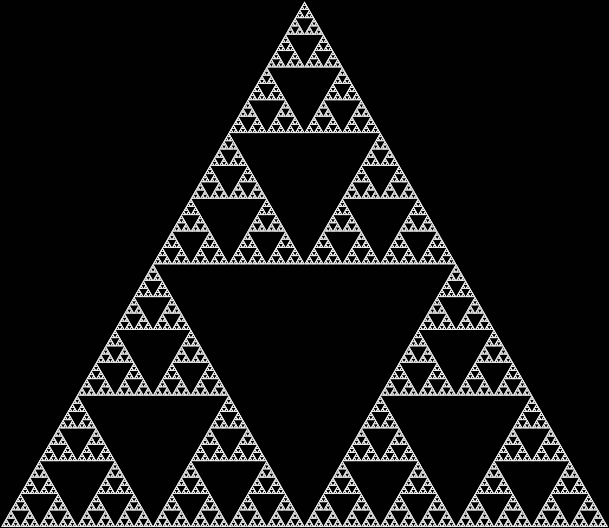
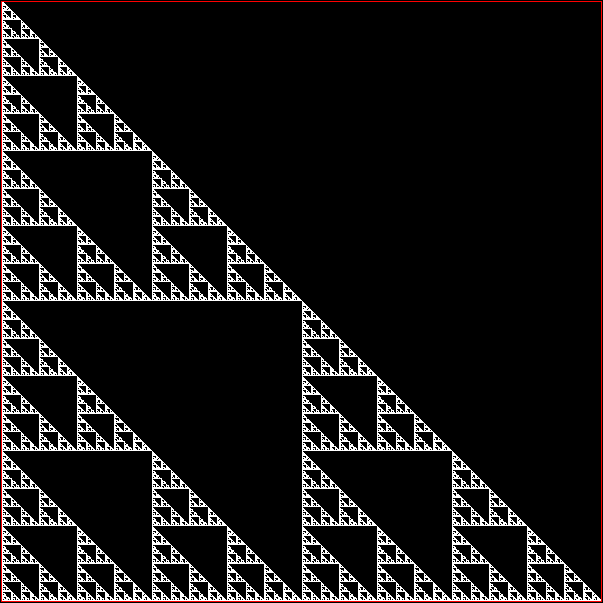
In Mandibular Metamorphosis, I looked at two distinct fractals and how you could turn one into the other in one smooth sweep. The Sierpiński triangle was one of the fractals:

Sierpiński triangle


The T-square fractal was the other:

T-square fractal (or part thereof)


And here they are turning into each other:

Sierpiński ↔ T-square (anim)
(Open in new window if distorted)


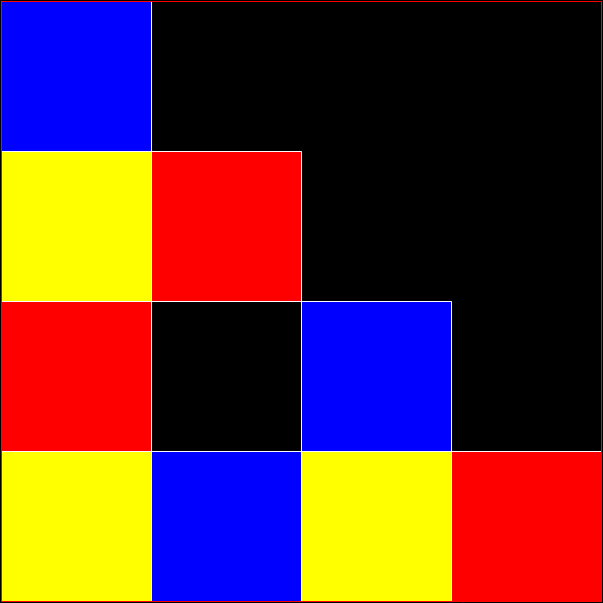
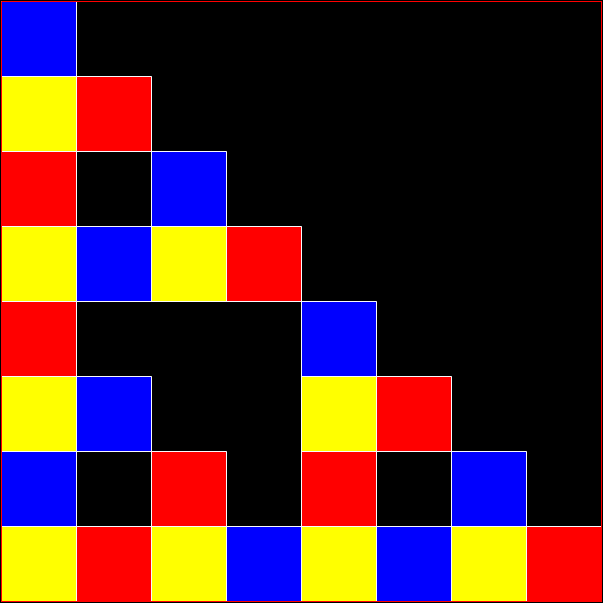
But what exactly is going on? To answer that, you need to see how the two fractals are created. Here are the stages for one way of constructing the Sierpiński triangle:

Sierpiński triangle #1


Sierpiński triangle #2


Sierpiński triangle #3


Sierpiński triangle #4


Sierpiński triangle #5


Sierpiński triangle #6


Sierpiński triangle #7


Sierpiński triangle #8


Sierpiński triangle #9


When you take away all the construction lines, you’re left with a simple Sierpiński triangle:


Constructing a Sierpiński triangle (anim)


Now here’s the construction of a T-square fractal:

T-square fractal #1


T-square fractal #2


T-square fractal #3


T-square fractal #4


T-square fractal #5


T-square fractal #6


T-square fractal #7


T-square fractal #8


T-square fractal #9


Take away the construction lines and you’re left with a simple T-square fractal:

T-square fractal


Constructing a T-square fractal (anim)


And now it’s easy to see how one turns into the other:

Sierpiński → T-square #1


Sierpiński → T-square #2


Sierpiński → T-square #3


Sierpiński → T-square #4


Sierpiński → T-square #5


Sierpiński → T-square #6


Sierpiński → T-square #7


Sierpiński → T-square #8


Sierpiński → T-square #9


Sierpiński → T-square #10


Sierpiński → T-square #11


Sierpiński → T-square #12


Sierpiński → T-square #13


Sierpiński ↔ T-square (anim)
(Open in new window if distorted)


Post-Performative Post-Scriptum

Mandibular Metamorphosis also looked at a third fractal, the mandibles or jaws fractal. Because I haven’t included the jaws fractal in this analysis, the analysis is therefore agnathous, from Ancient Greek ἀ-, a-, “without”, + γνάθ-, gnath-, “jaw”.
Mandibular Metamorphosis

Here’s the famous Sierpiński triangle:

Sierpiński triangle


And here’s the less famous T-square fractal:

T-square fractal (or part of it, at least)


How do you get from one to the other? Very easily, as it happens:

From Sierpiński triangle to T-square (and back again) (animated)
(Open in new window if distorted)


Now, here are the Sierpiński triangle, the T-square fractal and what I call the mandibles or jaws fractal:

Sierpiński triangle


T-square fractal


Mandibles / Jaws fractal


How do you cycle between them? Again, very easily:

From Sierpiński triangle to T-square to Mandibles (and back again) (animated)
(Open in new window if distorted)


Elsewhere other-accessible…

Agnathous Analysis — a closer look at these shapes

Allus Pour, Horic

*As a rotating animated gif (optimized at ezGIF).


Performativizing Paronomasticity

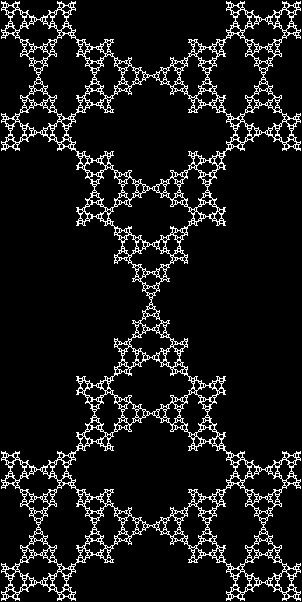
The title of this incendiary intervention is a paronomasia on Shakespeare’s “Alas, poor Yorick!” (Hamlet, Act 5, scene 1). “Allus” is a northern form of “always”, “pour” has its standard meaning, and “Horic” is from the Greek ὡρῐκός, hōrikos, which strictly speaking means “in one’s prime, blooming”. However, it could also be interpreted as meaning “hourly”. So the paronomasia means “Always pour, O Hourly One!” (i.e. hourglass).
A Seed Indeed

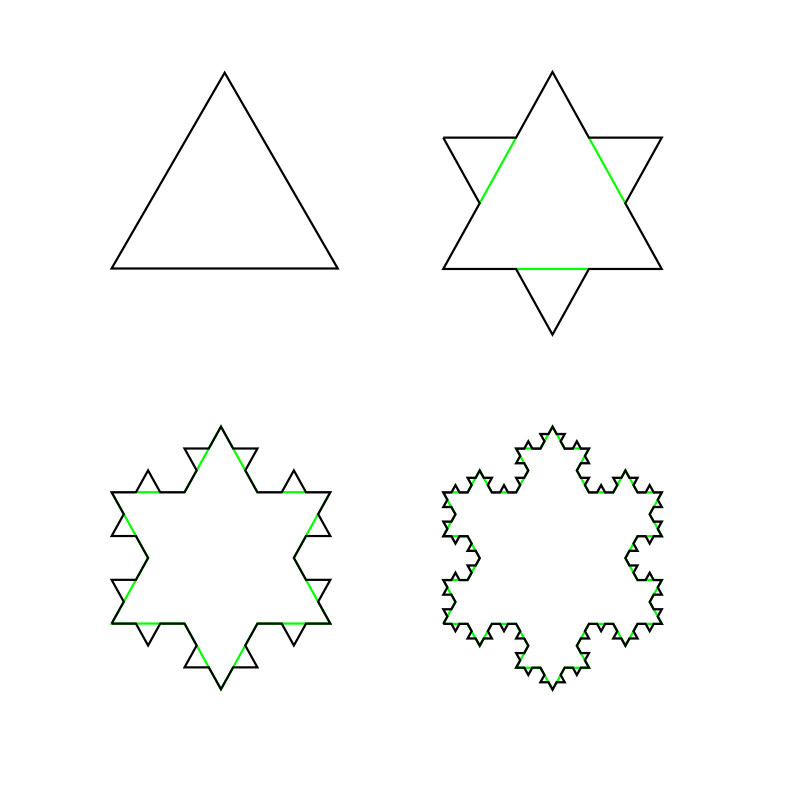
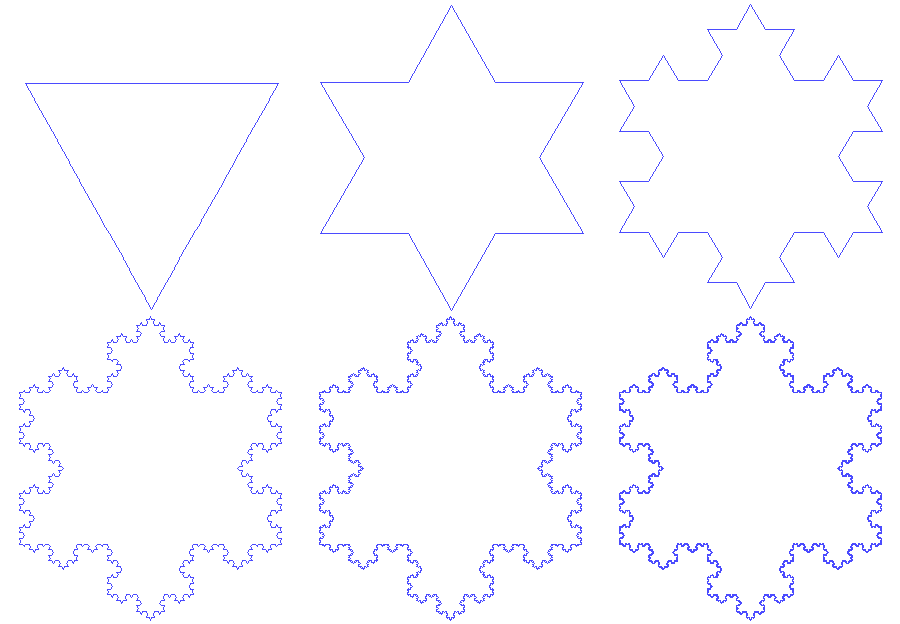
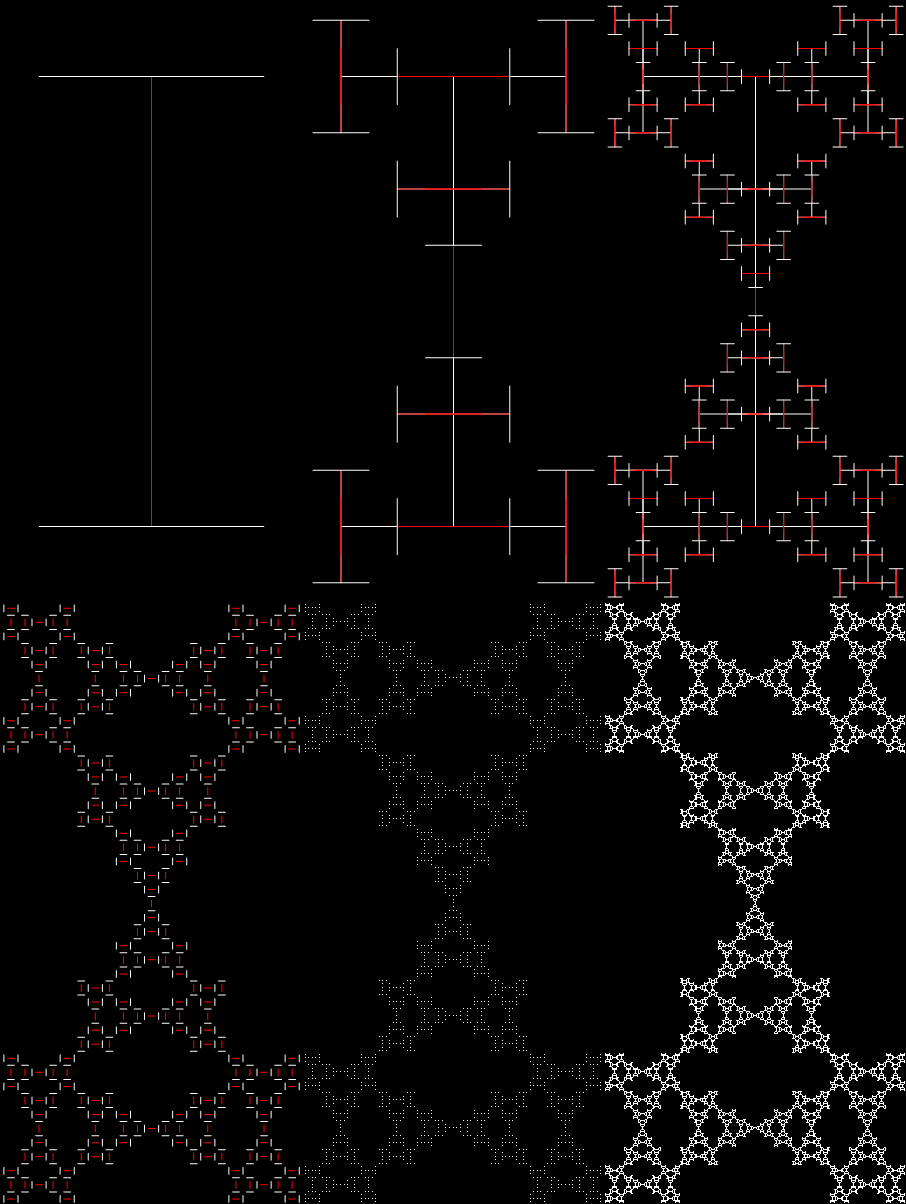
Like plants, fractals grow from seeds. But plants start with a small seed that gets bigger. Fractals start with a big seed that gets smaller. For example, perhaps the most famous fractal of all is the Koch snowflake. The seed of the Koch snowflake is step #2 here:

Stages of the Koch snowflake (from Fractals and the coast of Great Britain)


To create the Koch snowflake, you replace each straight line in the initial triangle with the seed:

Creating the Koch snowflake (from Wikipedia)


Animated Koch snowflake (from Wikipedia)


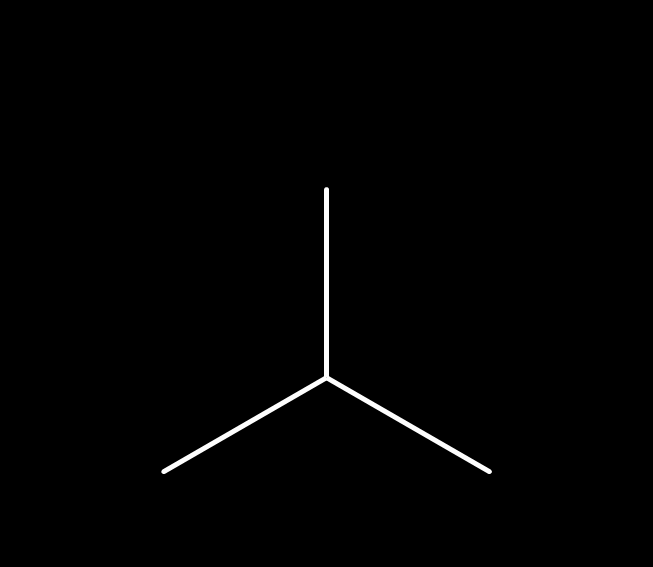
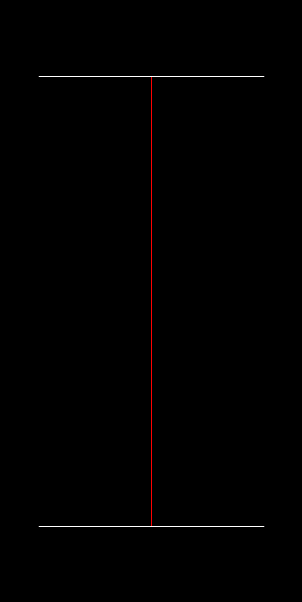
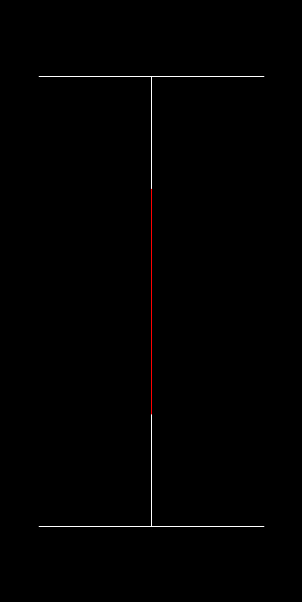
Now here’s another seed for another fractal:

Fractal stage #1


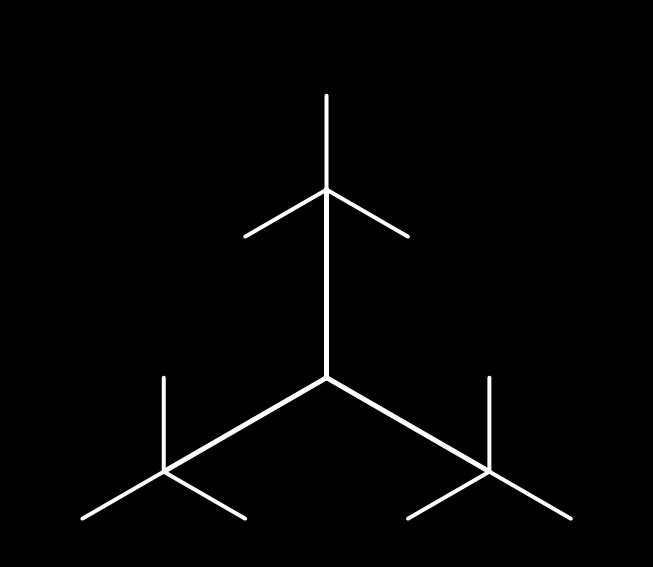
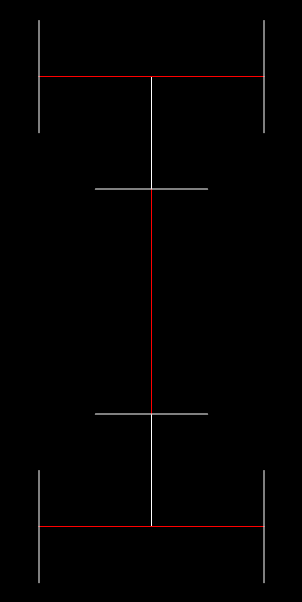
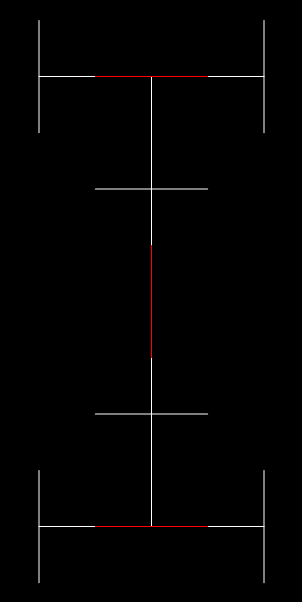
The seed is like a capital “I”, consisting of a line of length l sitting between two lines of length l/2 at right angles. The rule this time is: Replace the center of the longer line and the two shorter lines with ½-sized versions of the seed:

Fractal stage #2


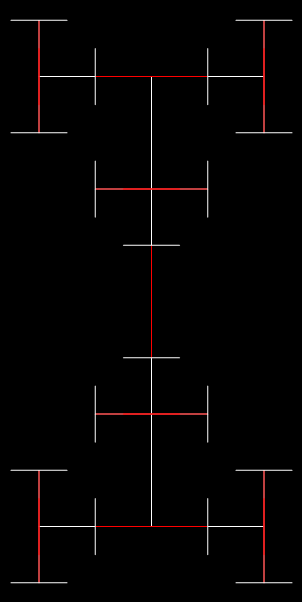
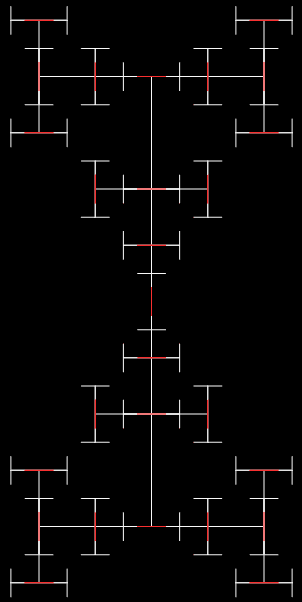
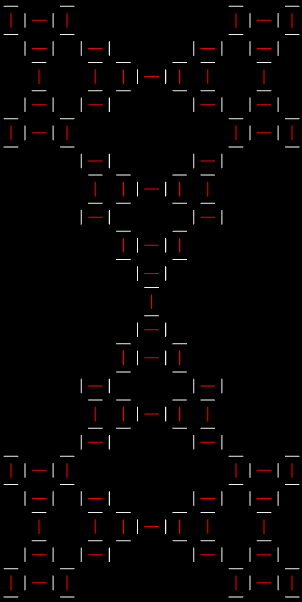
Try and guess what the final fractal looks like when this rule is applied again and again:

Fractal stage #3


Fractal stage #4


Fractal stage #5


Fractal stage #6


Fractal stage #7


Fractal stage #8


Fractal stage #9


Fractal stage #10


I call this fractal the hourglass. And there are a lot of ways to create it. Here’s an animated version of the way shown in this post:

Hourglass fractal (animated)


Hour Re-Re-Powered

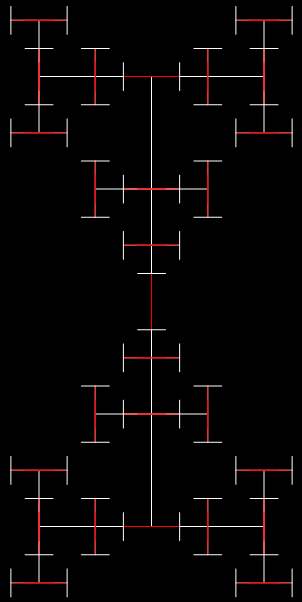
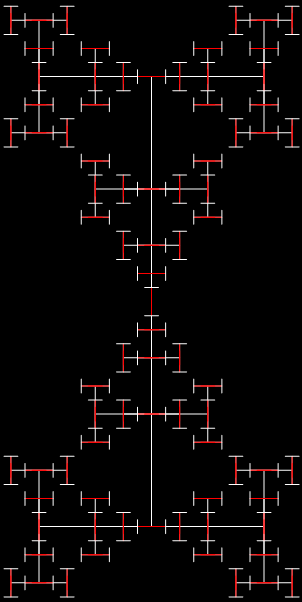
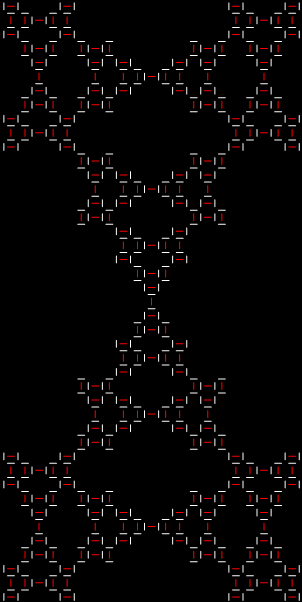
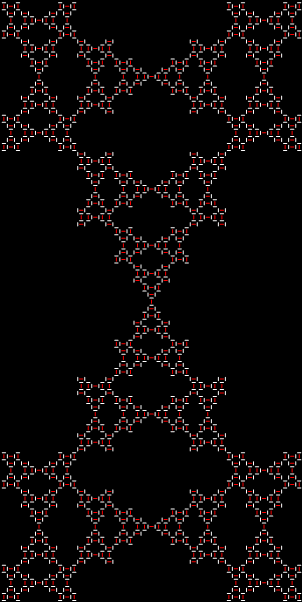
In “Hour Power” I looked at my favorite fractal, the hourglass fractal:

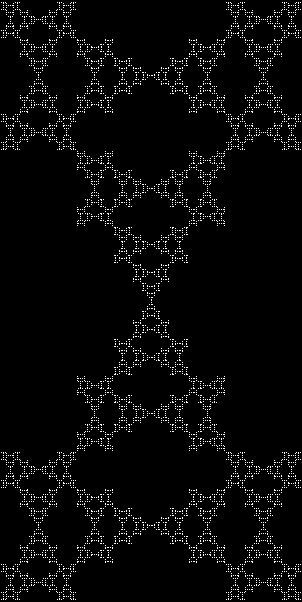
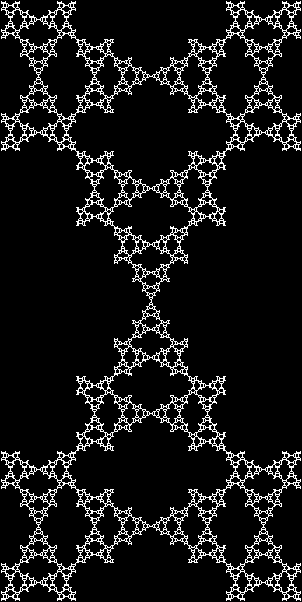
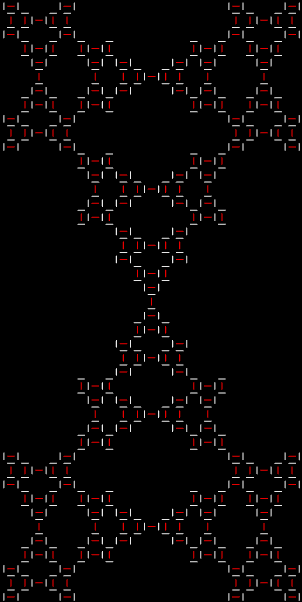
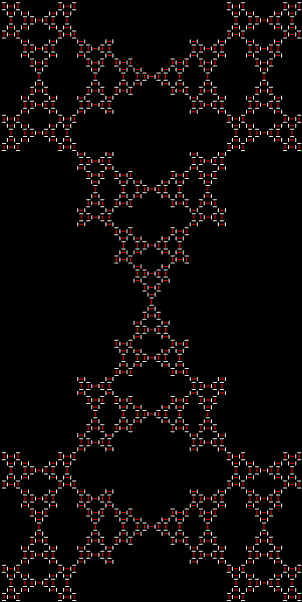
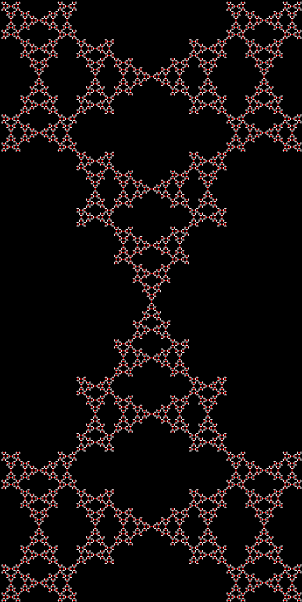
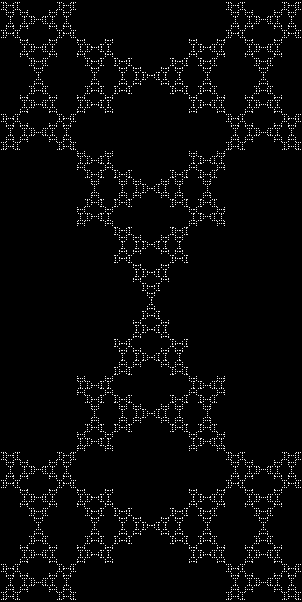
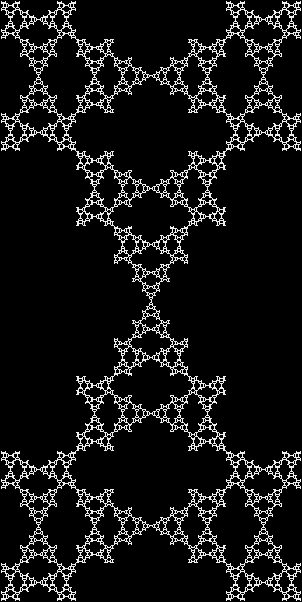
The hourglass fractal


I showed three ways to create the fractal. Next, in “Hour Re-Powered”, I showed a fourth way. Now here’s a fifth (previously shown in “Tri Again”).

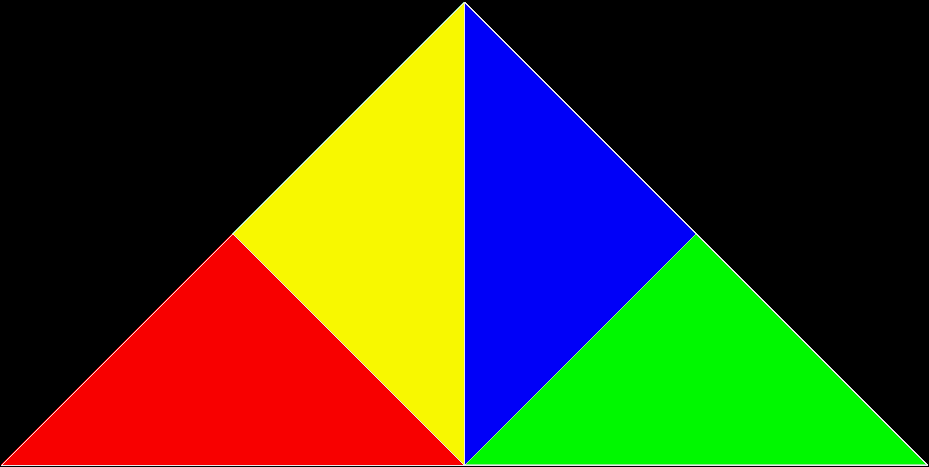
This is a rep-4 isosceles right triangle:

Rep-4 isosceles right triangle


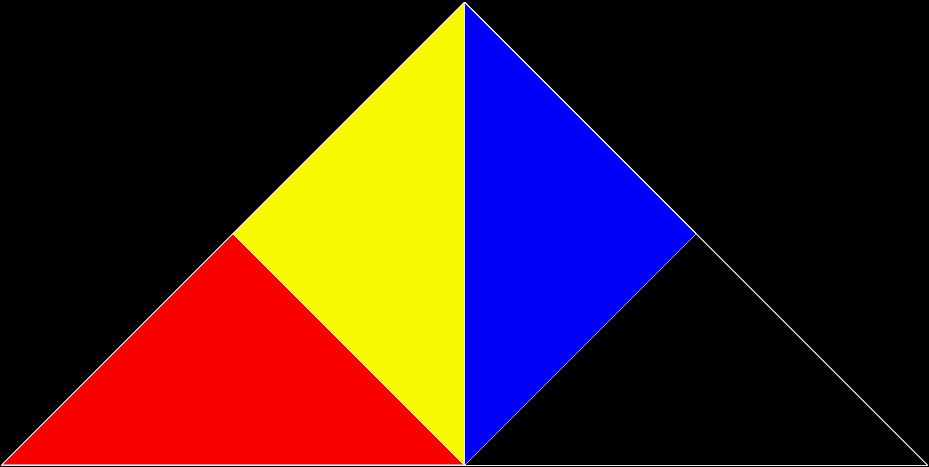
If you divide and discard one of the four sub-triangles, then adjust one of the three remaining sub-triangles, then keep on dividing-and-discarding (and adjusting), you can create a certain fractal — the hourglass fractal:

Triangle to hourglass #1


Triangle to hourglass #2


Triangle to hourglass #3


Triangle to hourglass #4


Triangle to hourglass #5


Triangle to hourglass #6


Triangle to hourglass #7


Triangle to hourglass #8


Triangle to hourglass #9


Triangle to hourglass #10


Triangle to hourglass (anim) (open in new tab to see full-sized version)


And here is a zoomed version:

Triangle to hourglass (large)


Triangle to hourglass (large) (anim)


Hour Re-Powered

Pre-previously on Overlord in terms of the Über-Feral, I looked at my favorite member of the fractal community, the Hourglass Fractal:

The hourglass fractal


A real hourglass for comparison


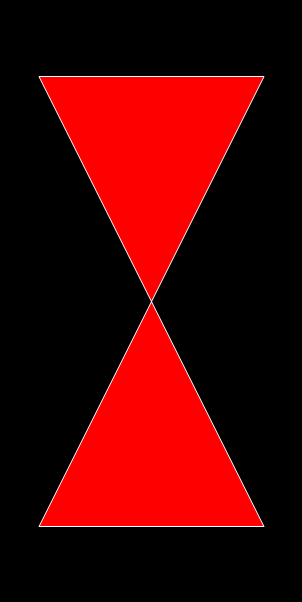
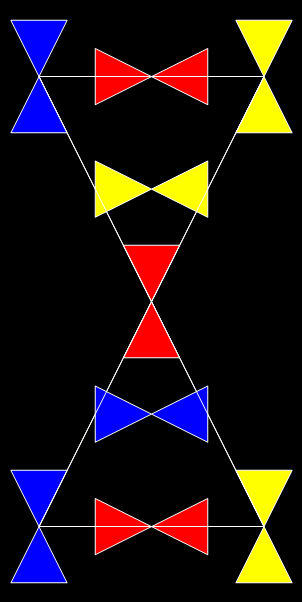
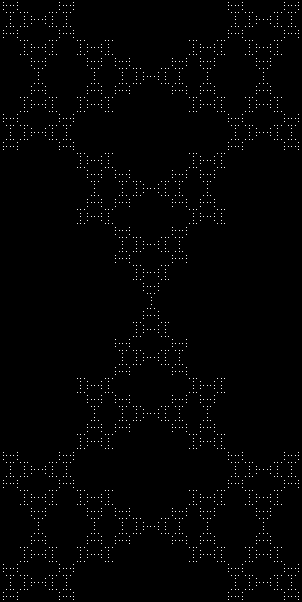
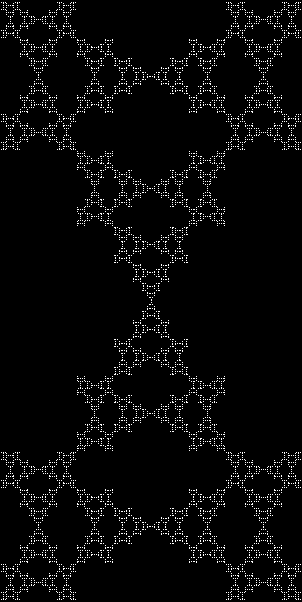
As I described how I discovered the hourglass fractal indirectly and by accident, then showed how to create it directly, using two isosceles triangles set apex-to-apex in the form of an hourglass:

Triangles to hourglass #1


Triangles to hourglass #2


Triangles to hourglass #3


Triangles to hourglass #4


Triangles to hourglass #5


Triangles to hourglass #6

[…]

Triangles to hourglass #10


Triangles to hourglass #11


Triangles to hourglass #12


Triangles to hourglass (animated)


Now, here’s an even simpler way to create the hourglass fractal, starting with a single vertical line:

Line to hourglass #1


Line to hourglass #2


Line to hourglass #3


Line to hourglass #4


Line to hourglass #5


Line to hourglass #6


Line to hourglass #7


Line to hourglass #8


Line to hourglass #9


Line to hourglass #10


Line to hourglass #11


Line to hourglass (animated)


Hour Power

Would it be my favorite fractal if I hadn’t discovered it for myself? It might be, because I think it combines great simplicity with great beauty. I first came across it when I was looking at this rep-tile, that is, a shape that can be divided into smaller copies of itself:

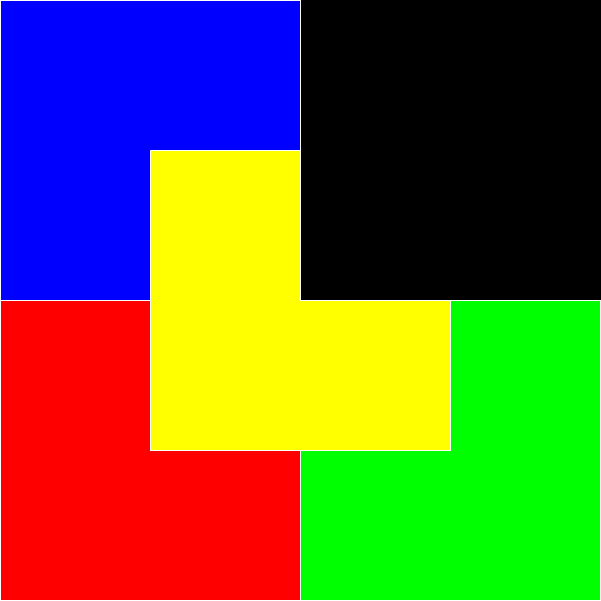
Rep-4 L-Tromino


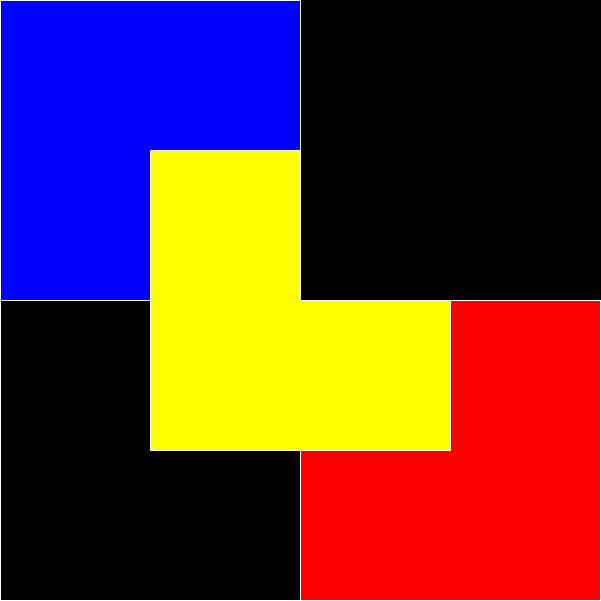
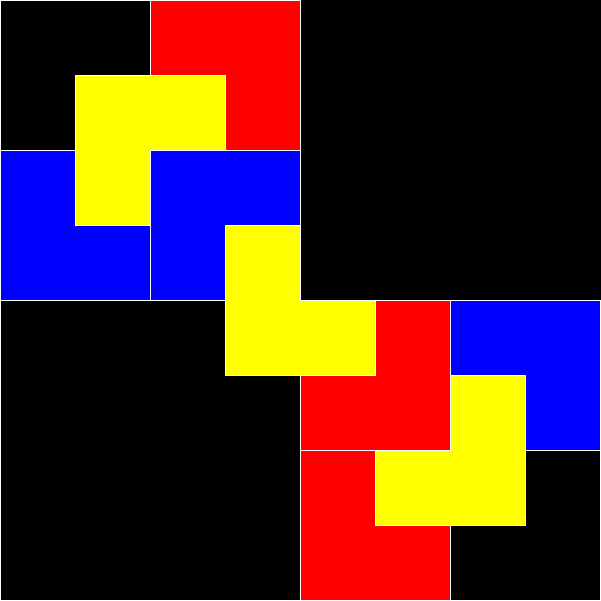
It’s called a L-tromino and is a rep-4 rep-tile, because it can be divided into four copies of itself. If you divide the L-tromino into four sub-copies and discard one particular sub-copy, then repeat again and again, you’ll get this fractal:

Tromino fractal #1


Tromino fractal #2


Tromino fractal #3


Tromino fractal #4


Tromino fractal #5


Tromino fractal #6


Tromino fractal #7


Tromino fractal #8


Tromino fractal #9


Tromino fractal #10


Tromino fractal #11


Hourglass fractal (animated)


I call it an hourglass fractal, because it reminds me of an hourglass:

A real hourglass


The hourglass fractal for comparison


I next came across the hourglass fractal when applying the same divide-and-discard process to a rep-4 square. The first fractal that appears is the Sierpiński triangle:

Square to Sierpiński triangle #1


Square to Sierpiński triangle #2


Square to Sierpiński triangle #3


[…]


Square to Sierpiński triangle #10


Square to Sierpiński triangle (animated)


However, you can rotate the sub-squares in various ways to create new fractals. Et voilà, the hourglass fractal appears again:

Square to hourglass #1


Square to hourglass #2


Square to hourglass #3


Square to hourglass #4


Square to hourglass #5


Square to hourglass #6


Square to hourglass #7


Square to hourglass #8


Square to hourglass #9


Square to hourglass #10


Square to hourglass #11


Square to hourglass (animated)


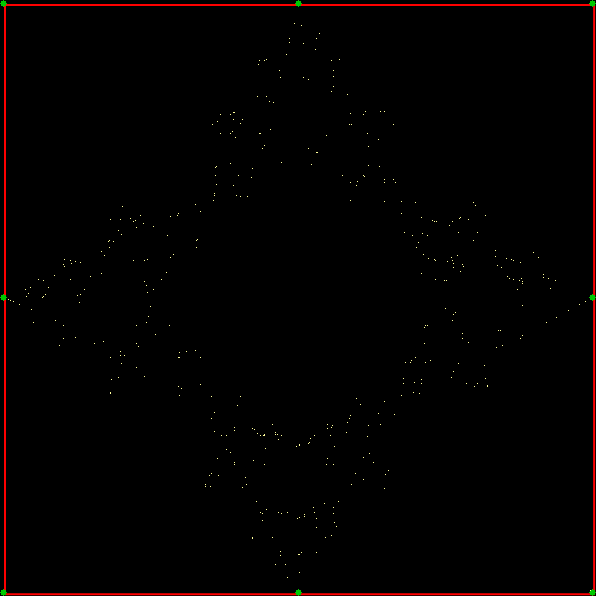
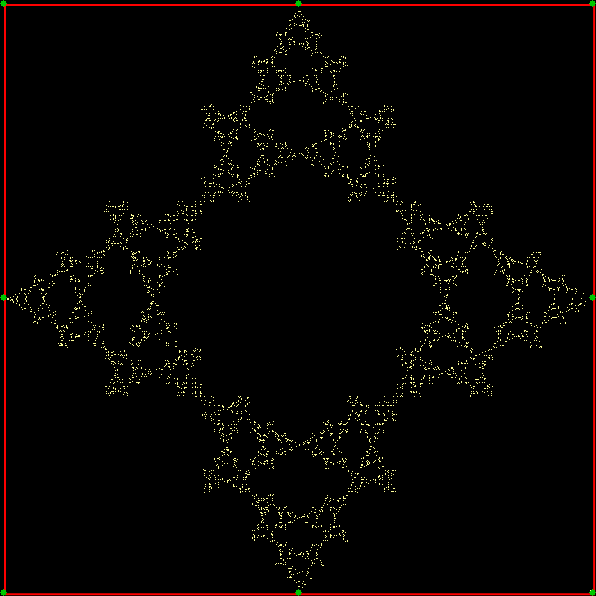
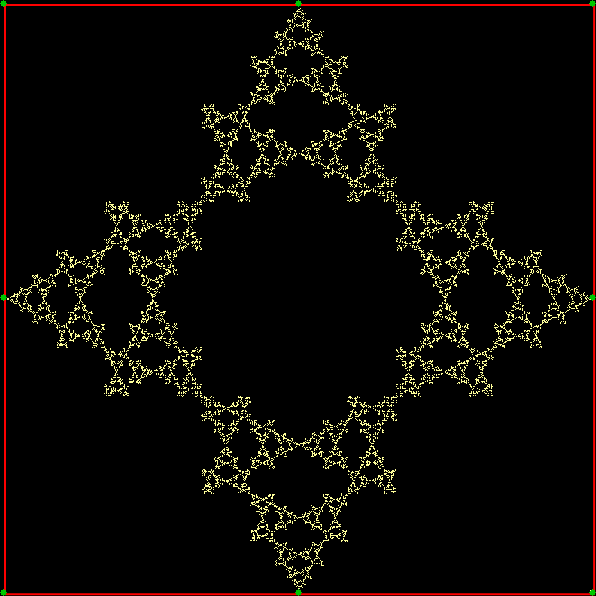
Finally, I was looking at variants of the so-called chaos game. In the standard chaos game, a point jumps half-way towards the randomly chosen vertices of a square or other polygon. In this variant of the game, I’ve added jump-towards-able mid-points to the sides of the square and restricted the point’s jumps: it can only jump towards the points that are first-nearest, seventh-nearest and eighth-nearest. And again the hourglass fractal appears:

Chaos game to hourglass #1


Chaos game to hourglass #2


Chaos game to hourglass #3


Chaos game to hourglass #4


Chaos game to hourglass #5


Chaos game to hourglass #6


Chaos game to hourglass (animated)


But what if you want to create the hourglass fractal directly? You can do it like this, using two isosceles triangles set apex-to-apex in the form of an hourglass:

Triangles to hourglass #1


Triangles to hourglass #2


Triangles to hourglass #3


Triangles to hourglass #4


Triangles to hourglass #5


Triangles to hourglass #6


Triangles to hourglass #7


Triangles to hourglass #8


Triangles to hourglass #9


Triangles to hourglass #10


Triangles to hourglass #11


Triangles to hourglass #12


Triangles to hourglass (animated)