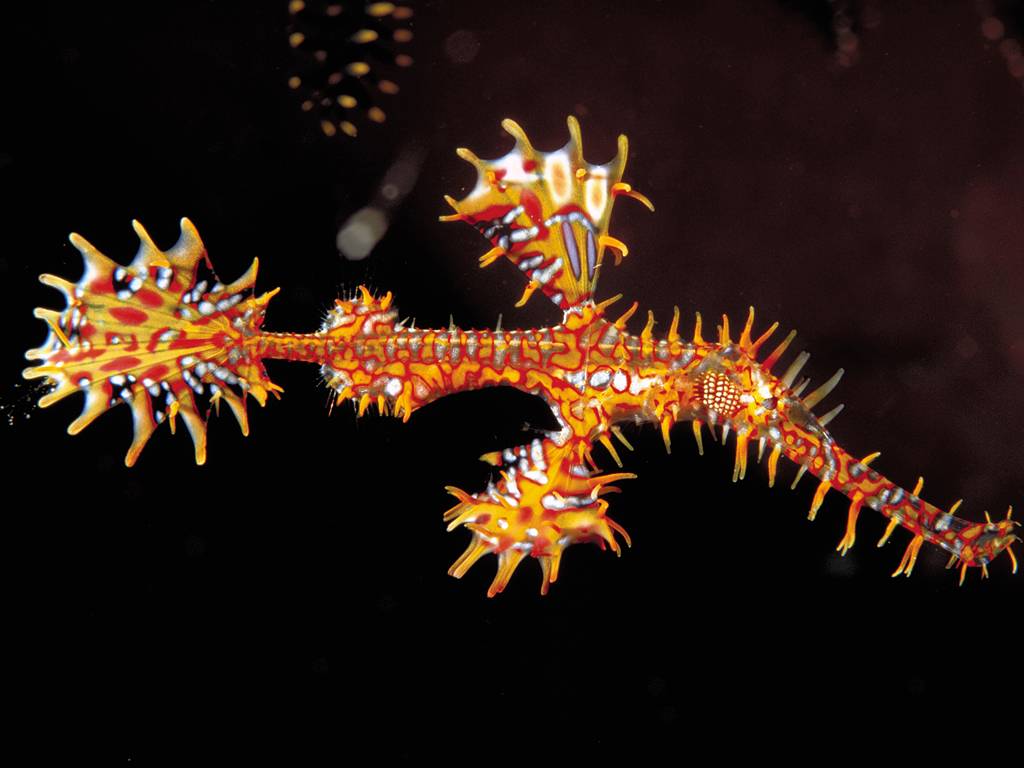
Solenostomus paradoxus (Pallas, 1770)

Solenostomus paradoxus (Pallas, 1770)
It’s said that, if you hear “in terms of” 23 times in 23 hours on the 23rd of the month, the ghost of William Burroughs will appear and offer you a heroin enema.
I don’t know whether this is true.
Elsewhere other-engageable:
• William S. Burroughs
• Alan Moore, C.B.E.
• Michael Moorcock
• Will Self
• Stewart Home
• Cormac McCarthy
• Dr Joan Jay Jefferson
• Serpent’s Tail
• Titans of Trangression…
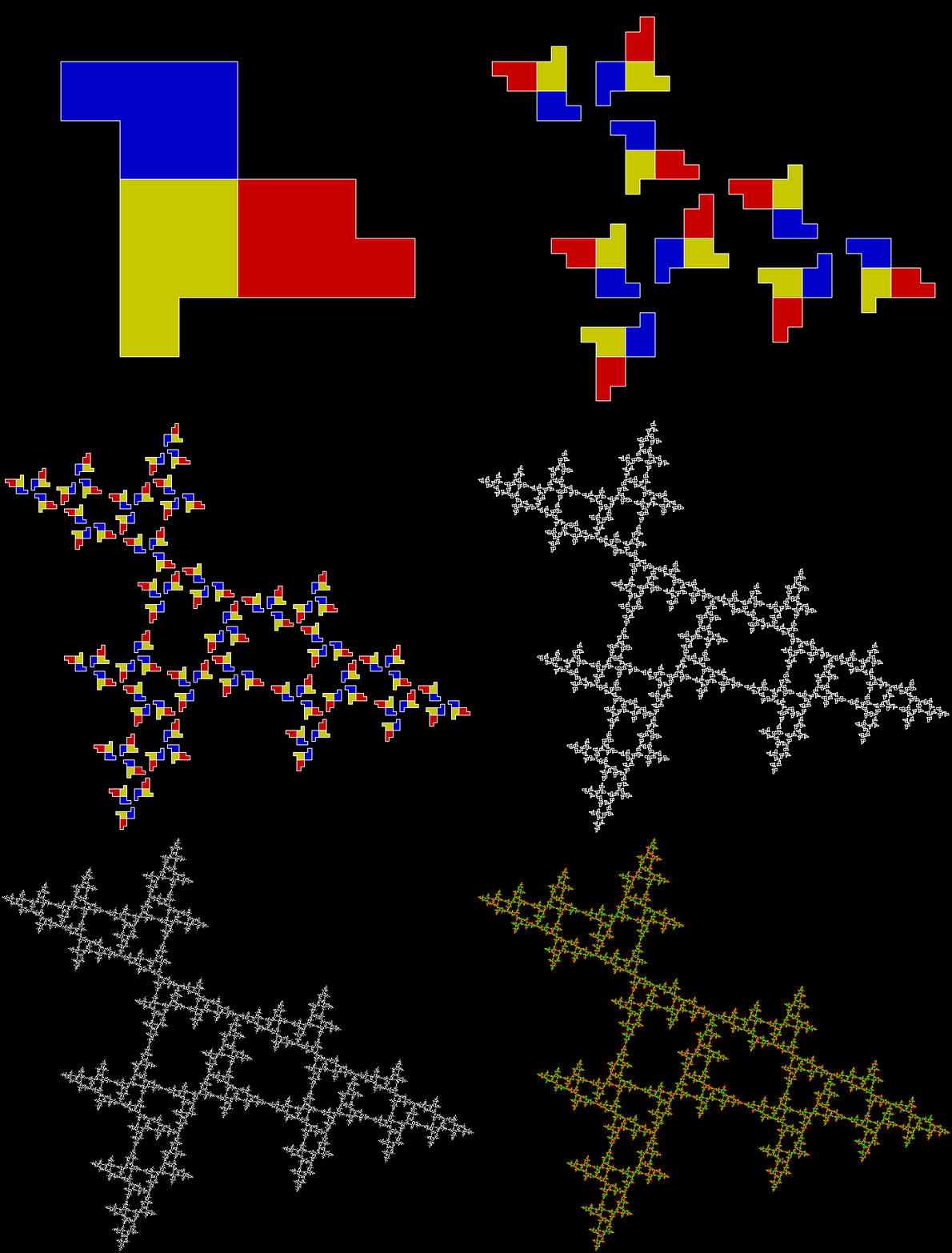
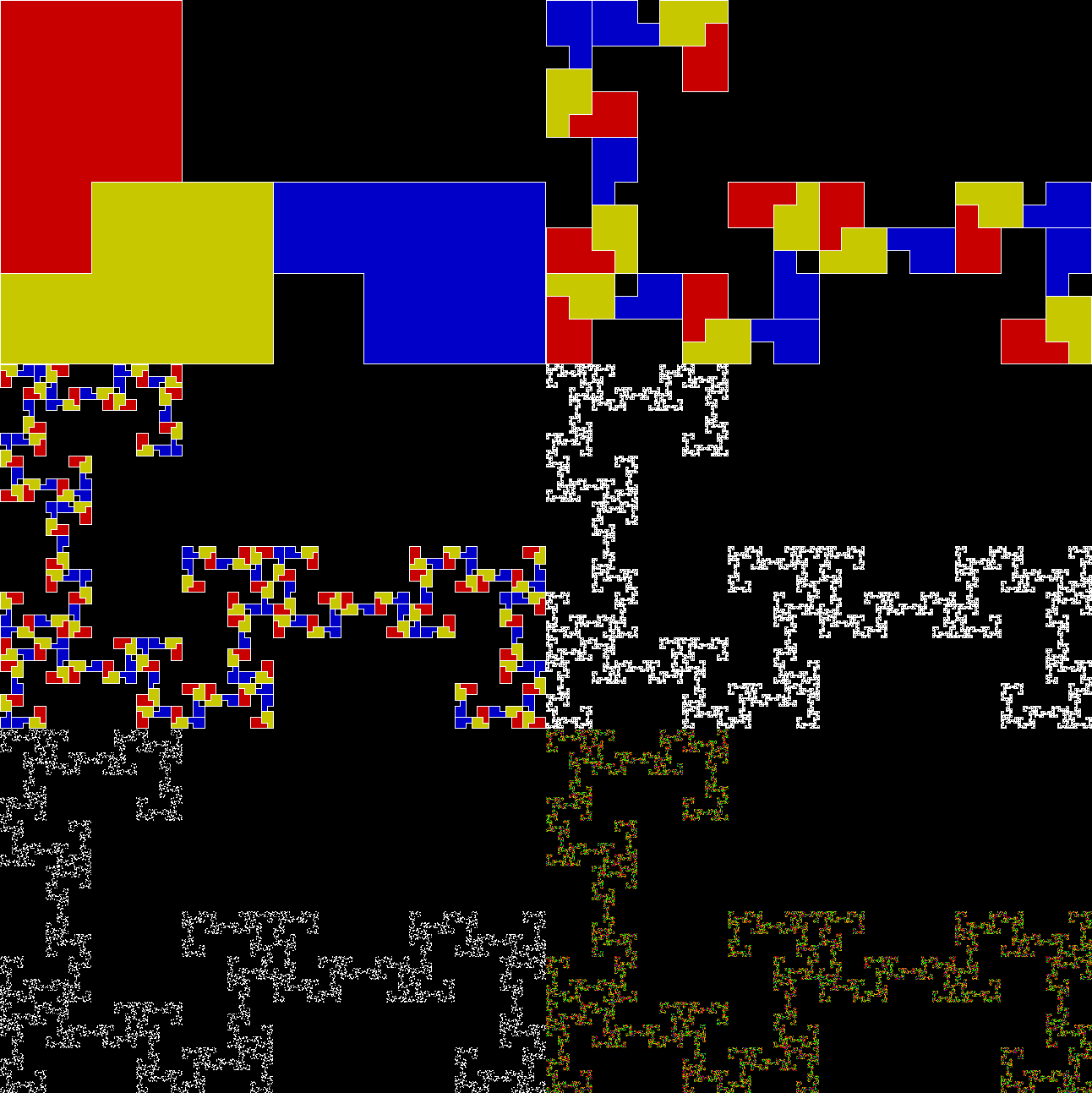
A pentomino is one of the shapes created by laying five squares edge-to-edge. There are twelve of them (not counting reflections) and this is the P-pentomino:

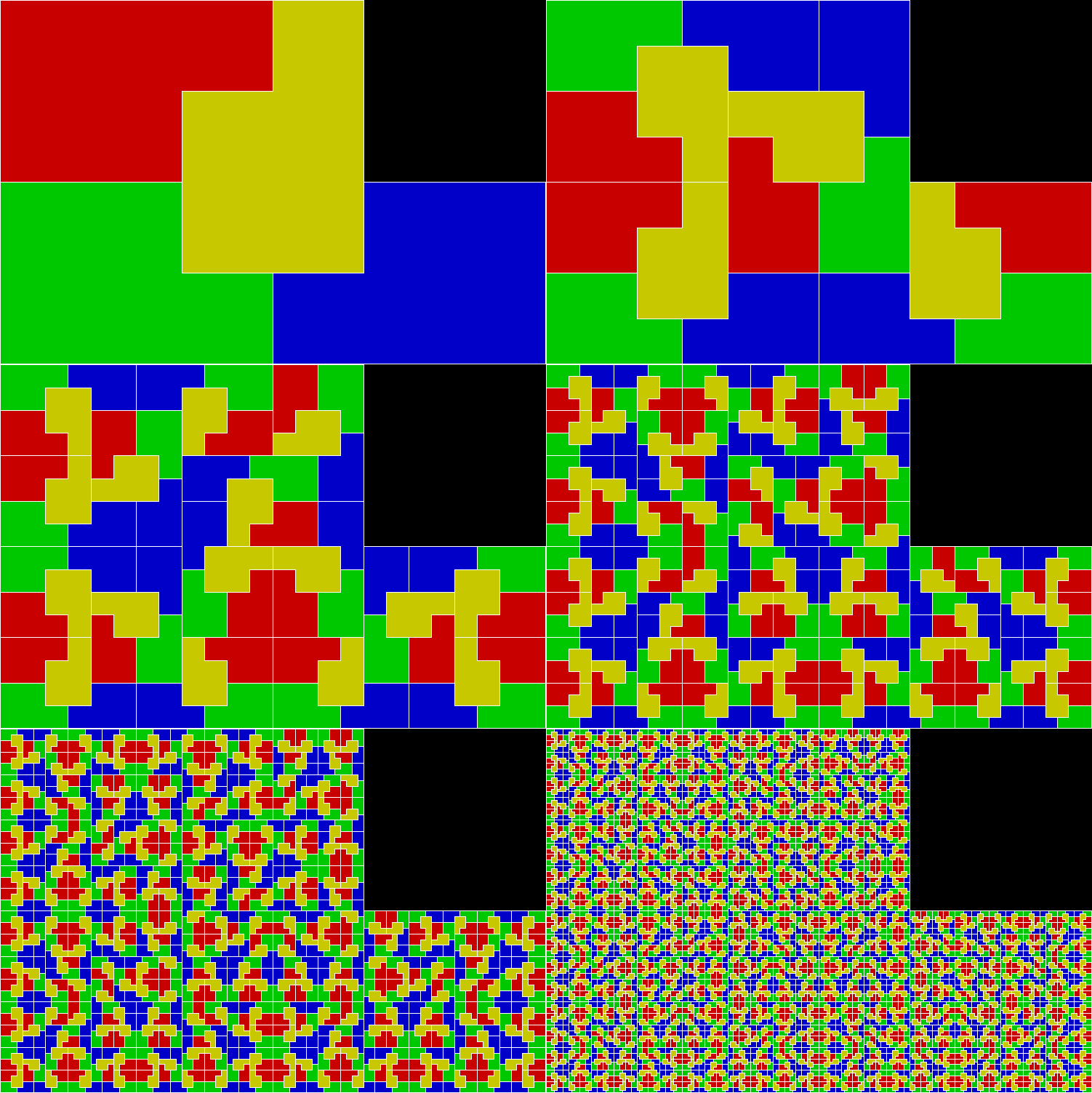
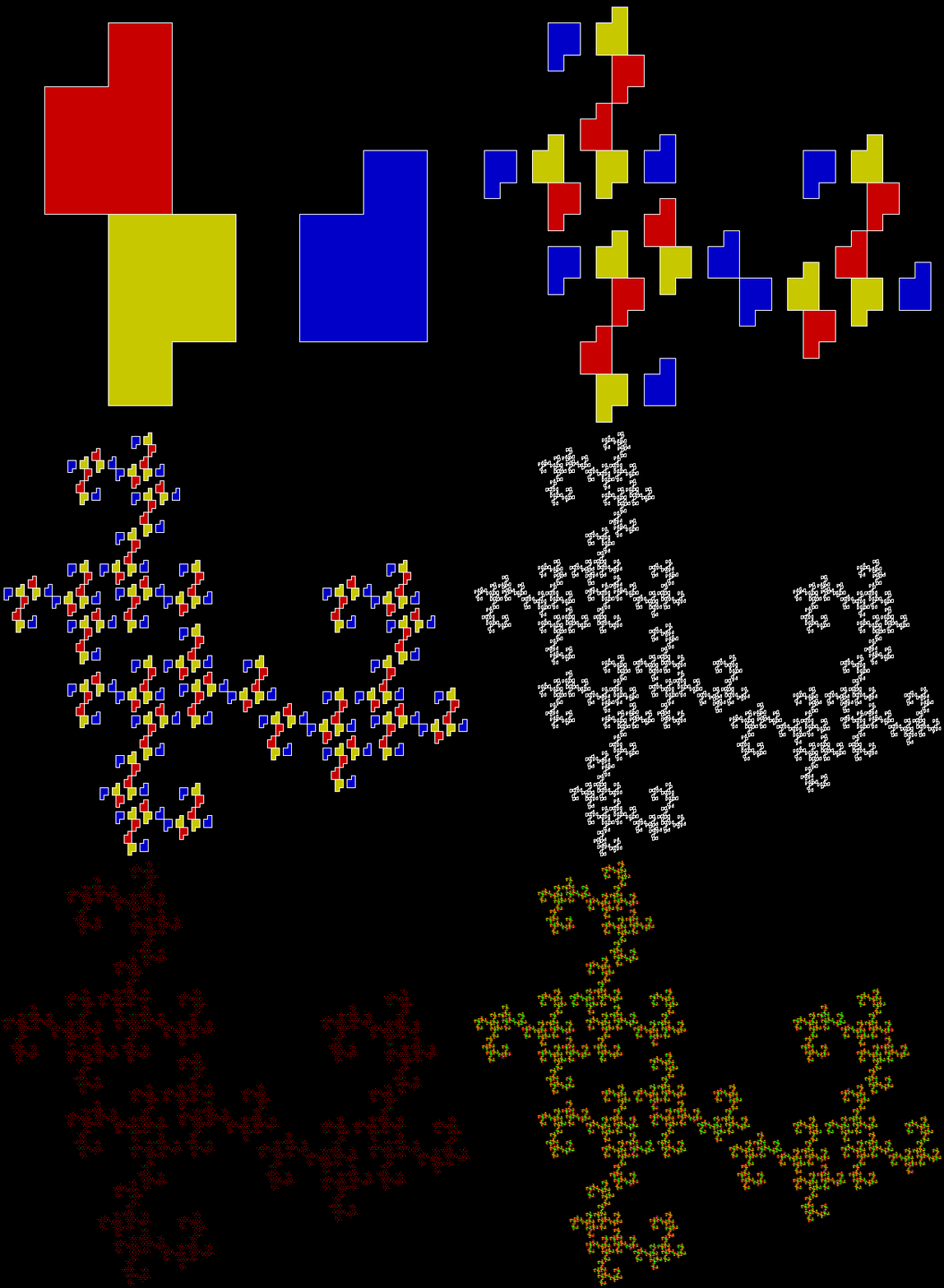
But it’s not just a pentomino, it’s also a rep-tile, or a shape that can divided into smaller copies of itself. There are two ways of doing this (I’ve rotated the pentomino 90° to make the images look better):
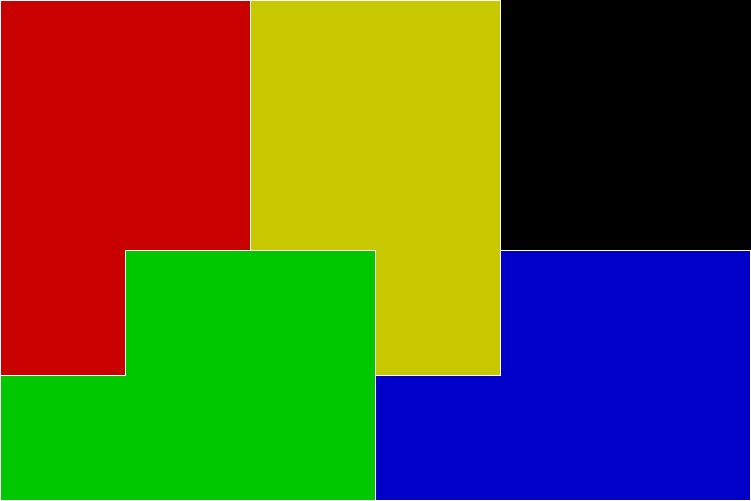
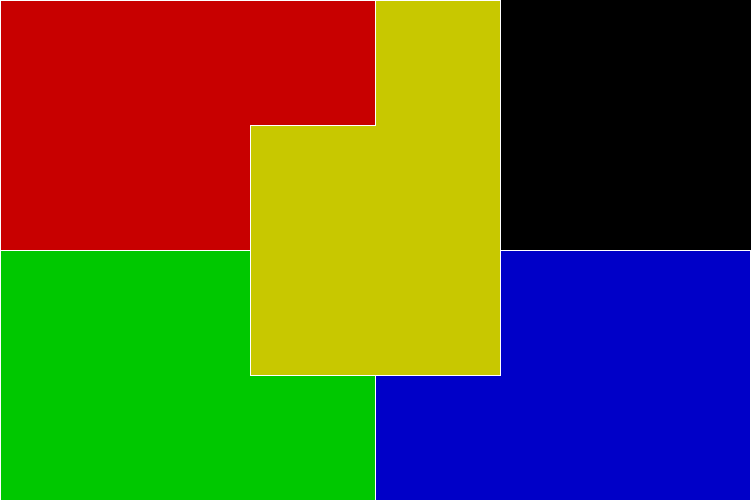
Once you’ve divided the shape into four copies, you can divide the copies, then the copies of the copies, and the copies of the copies of the copies, and so on for ever:
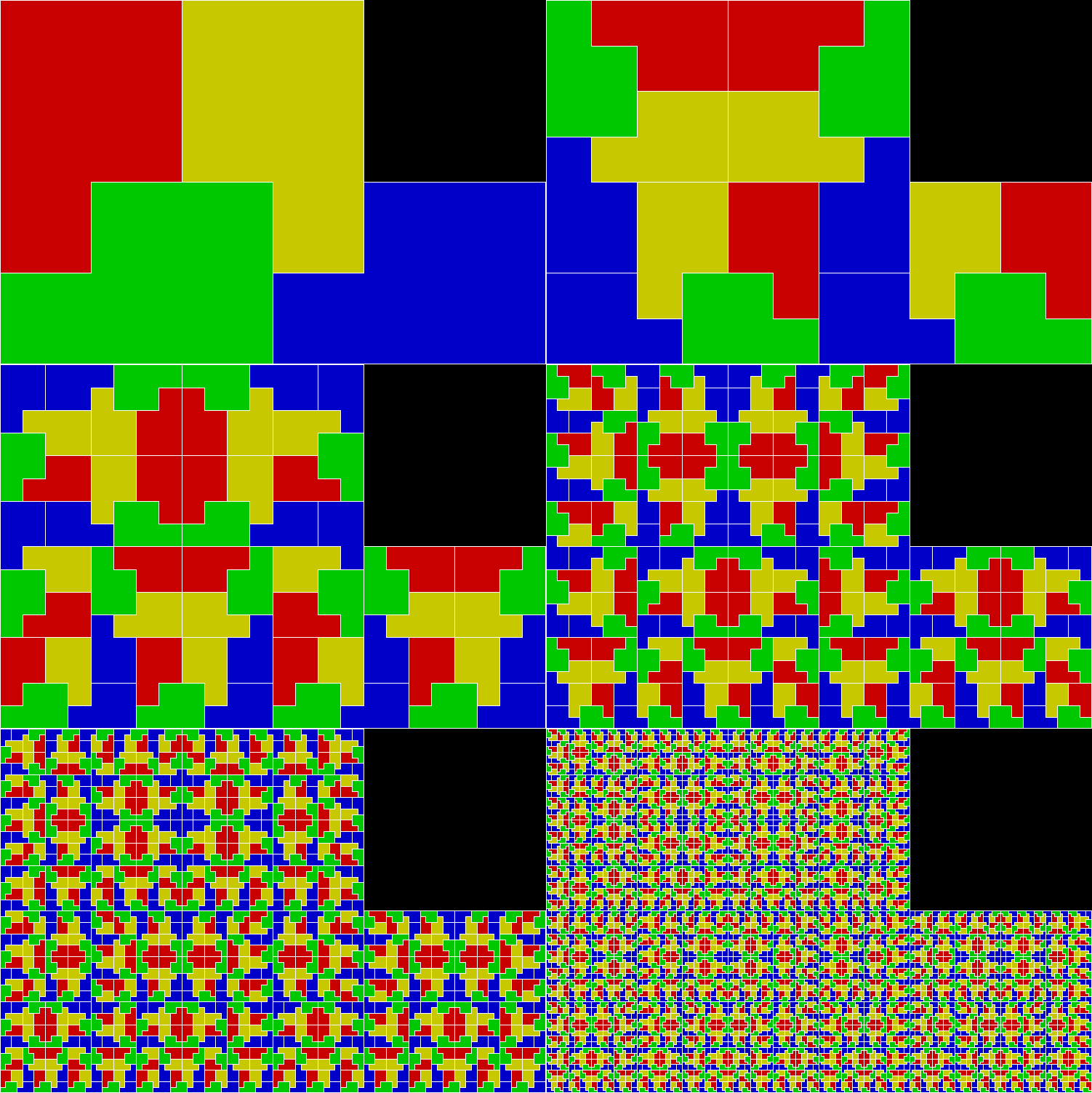
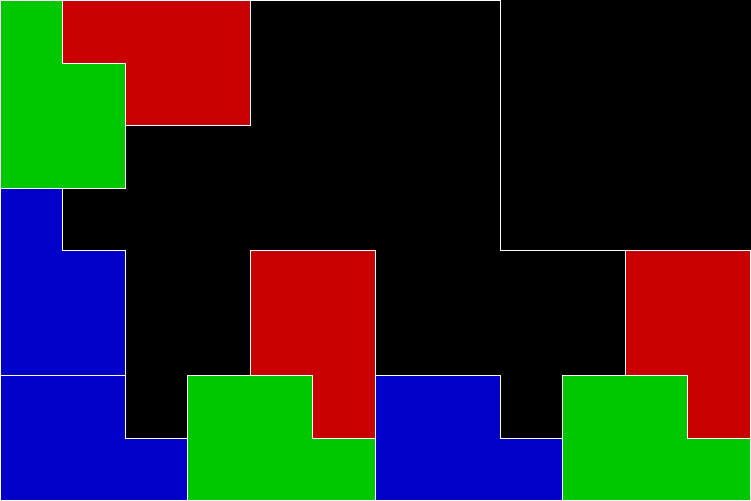
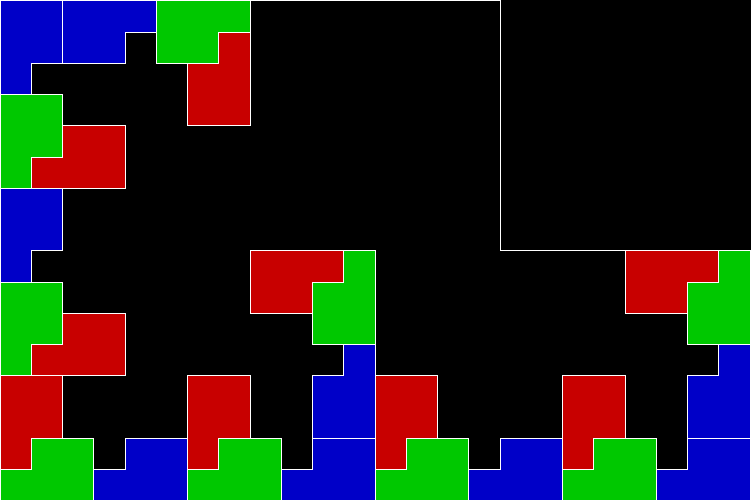
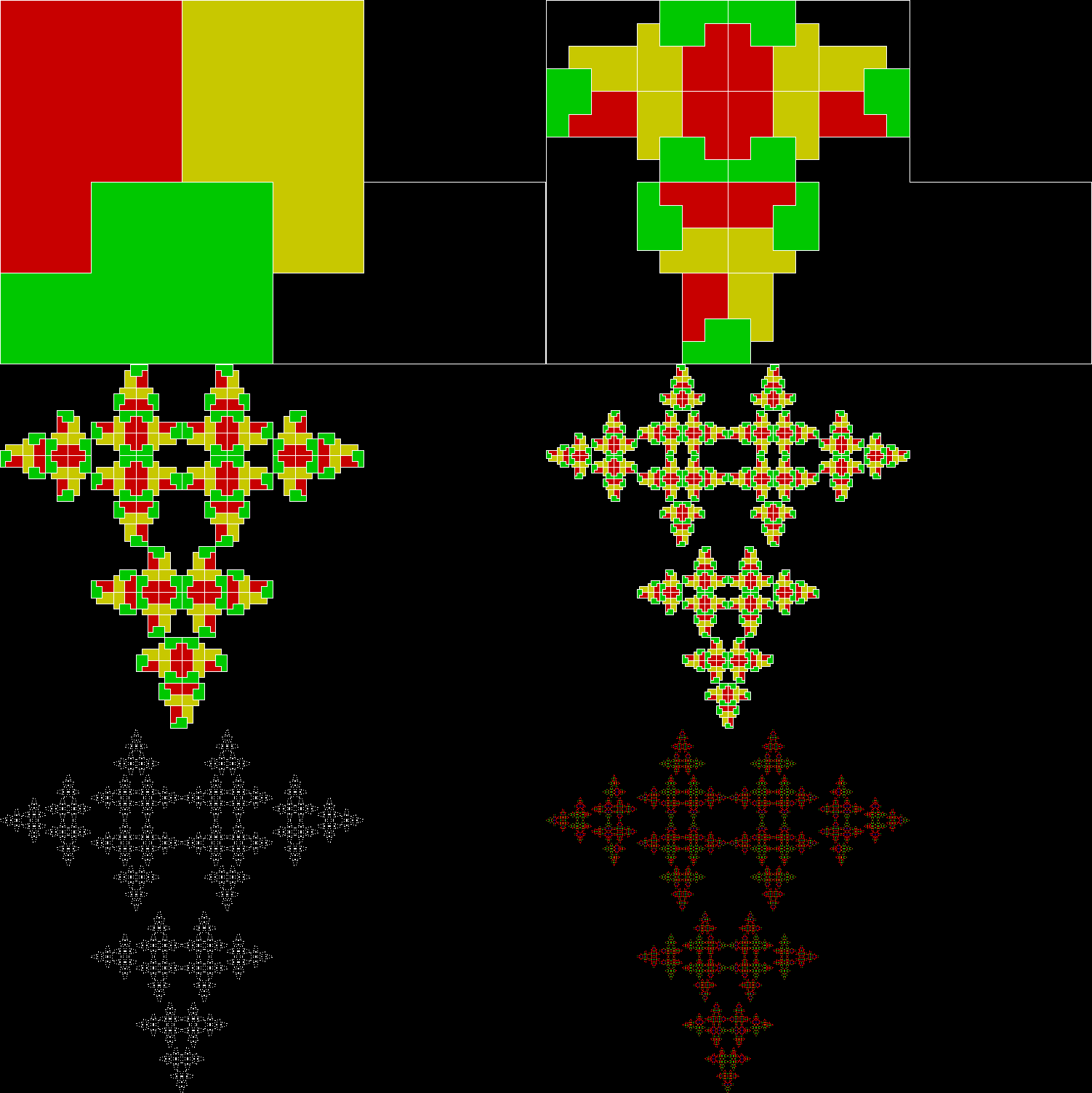
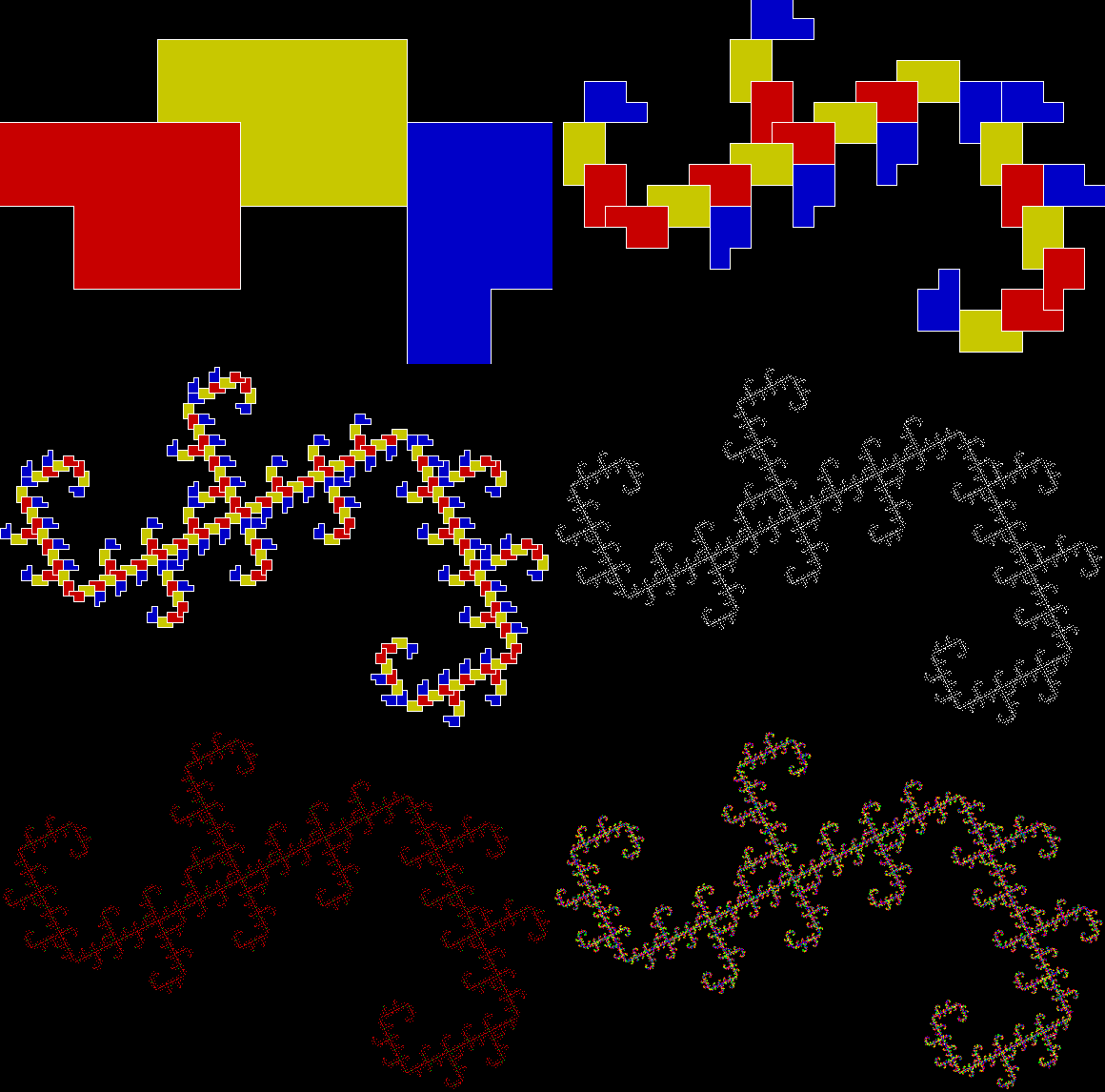
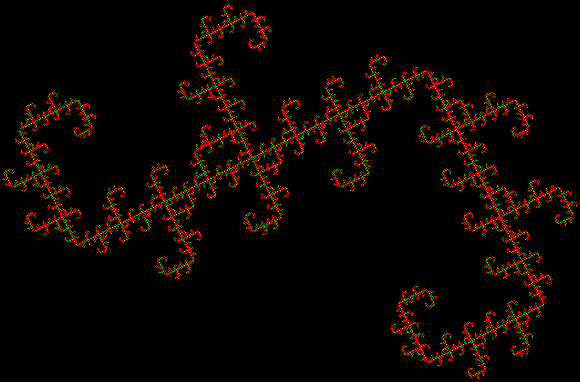
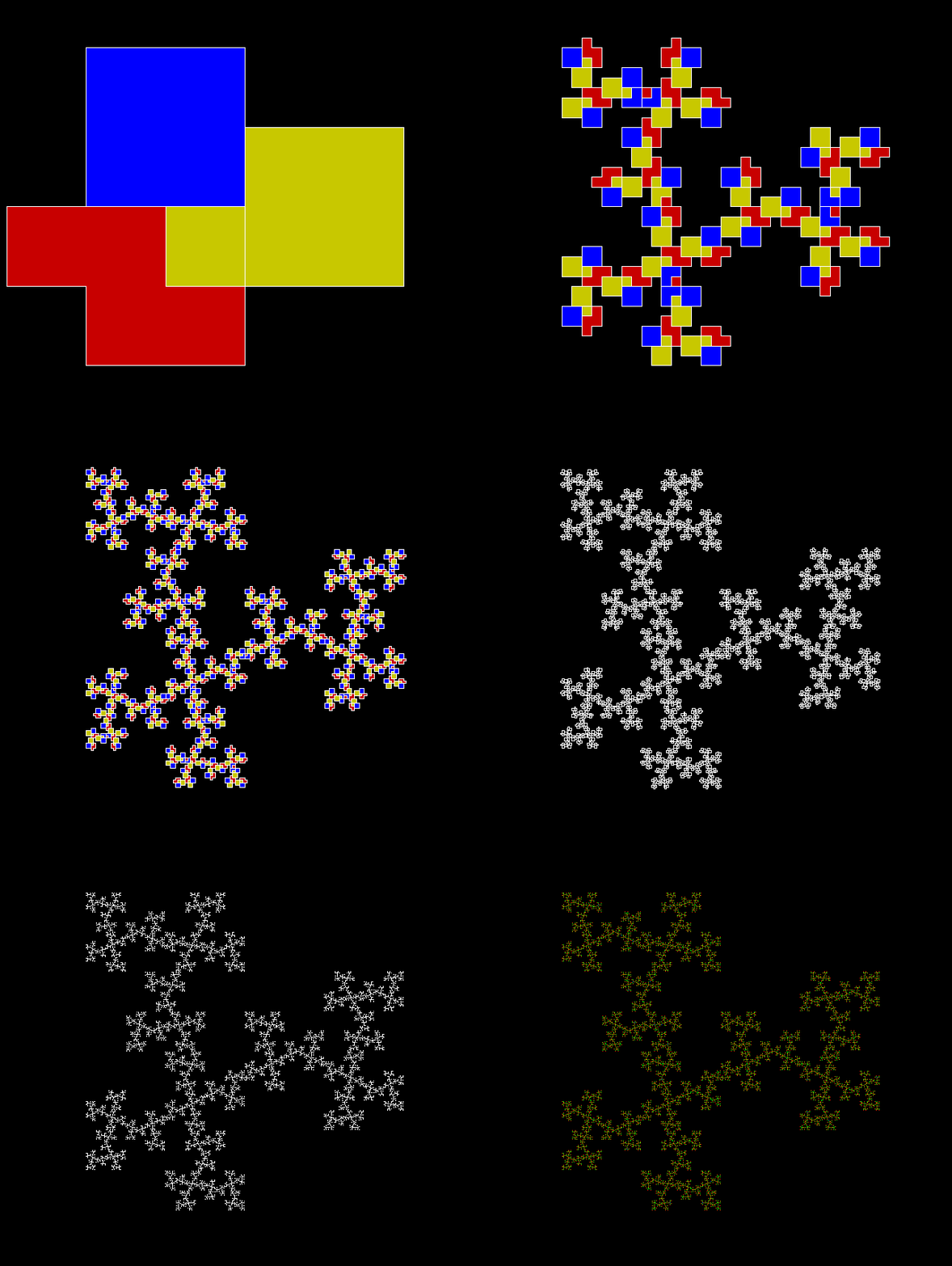
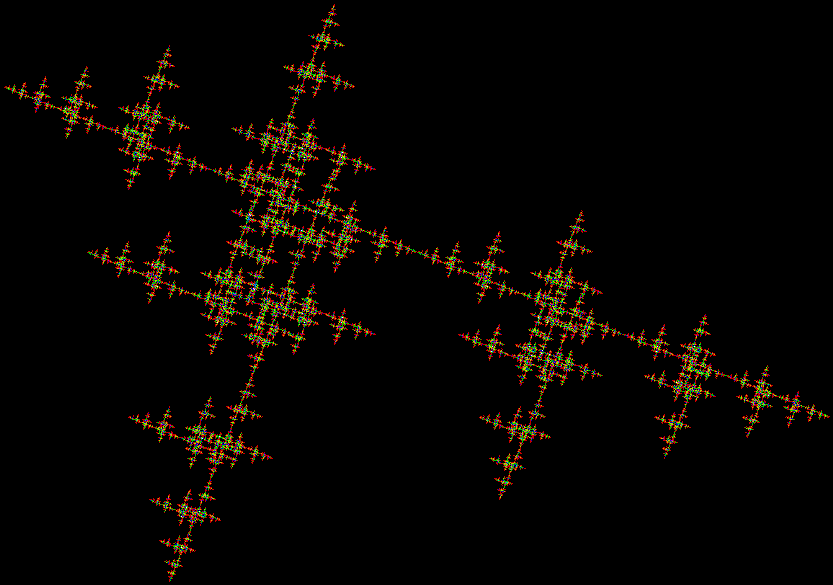
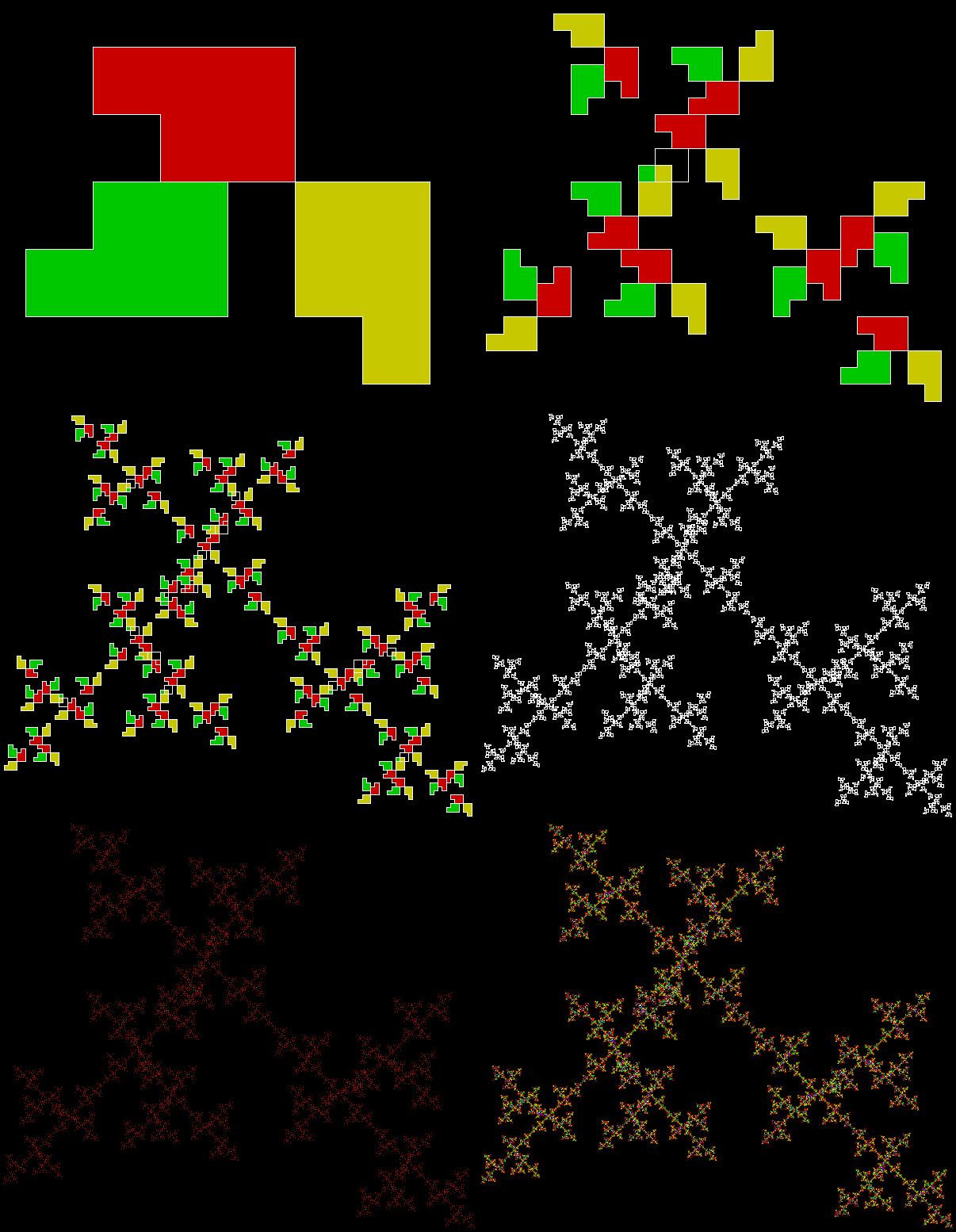
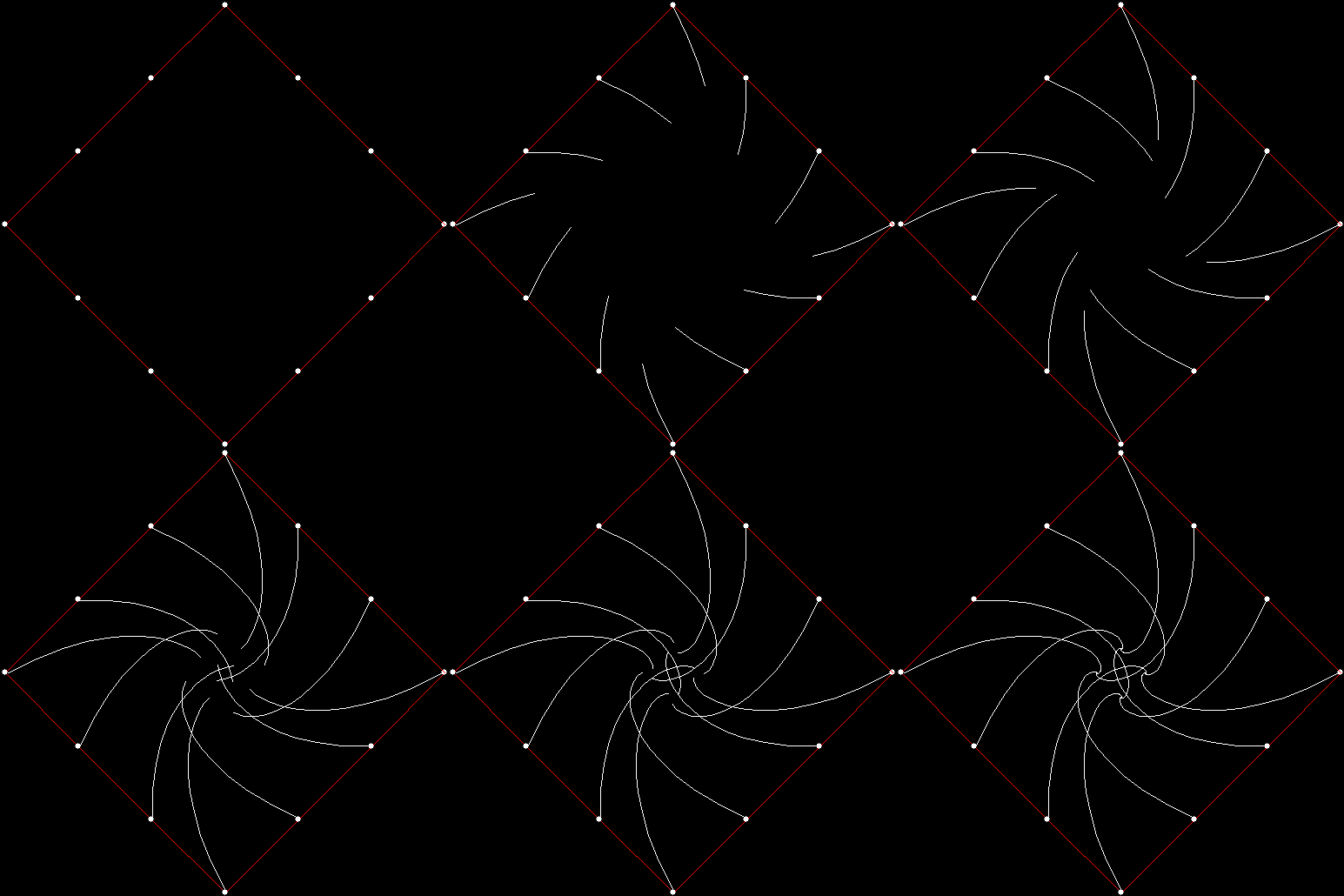
And if you’ve got a reptile, you can turn it into a fractal. Simply divide the shape, discard one or more copies, and continue:

Pentomino-based fractal stage 1
Pentomino-based fractal stage 2
Pentomino-based fractal stage 3
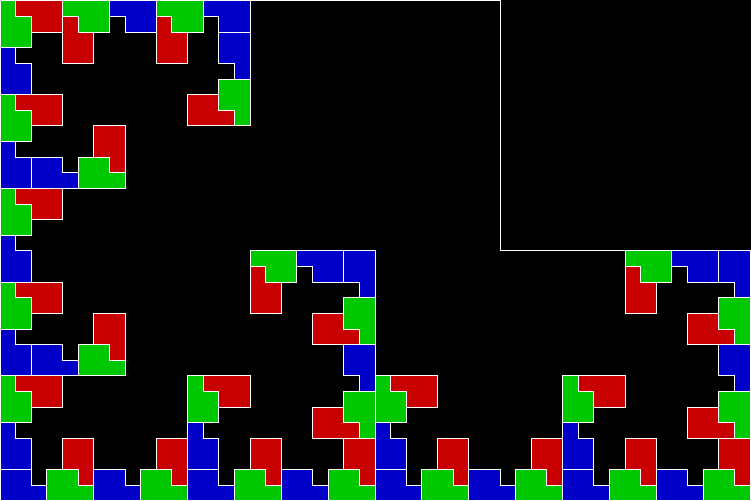
Stage 4

Stage 5
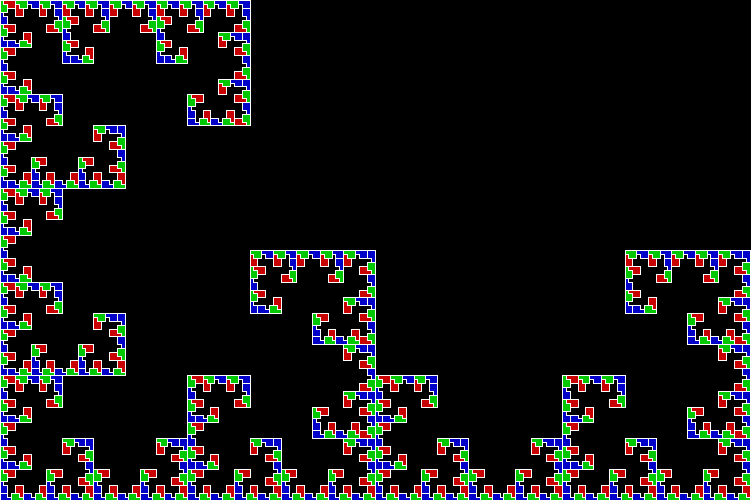
Stage 6
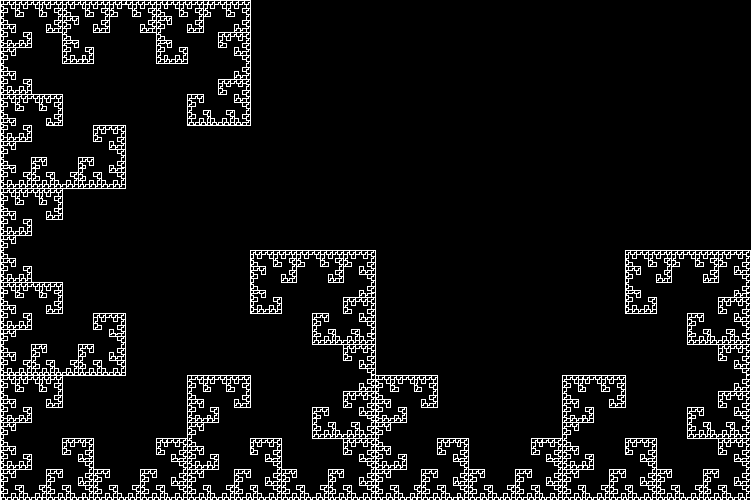
Stage 7
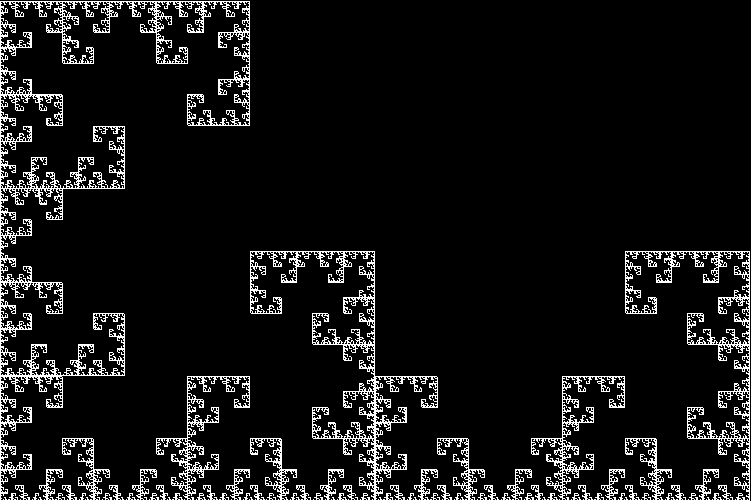
Stage 8
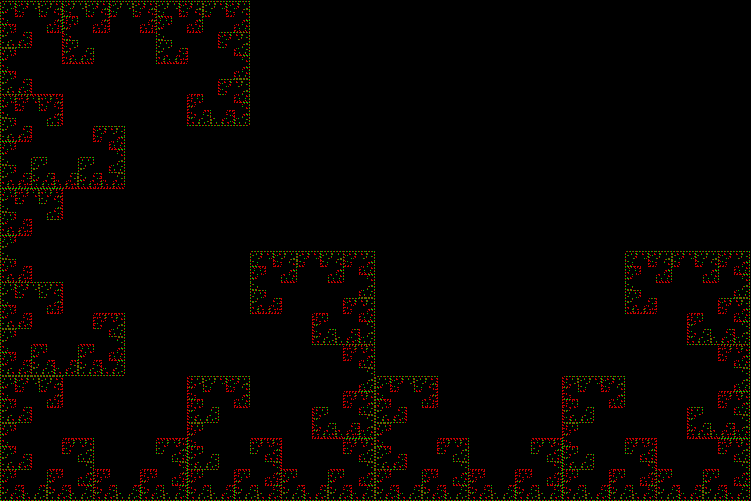
Stage 9

Stage 10
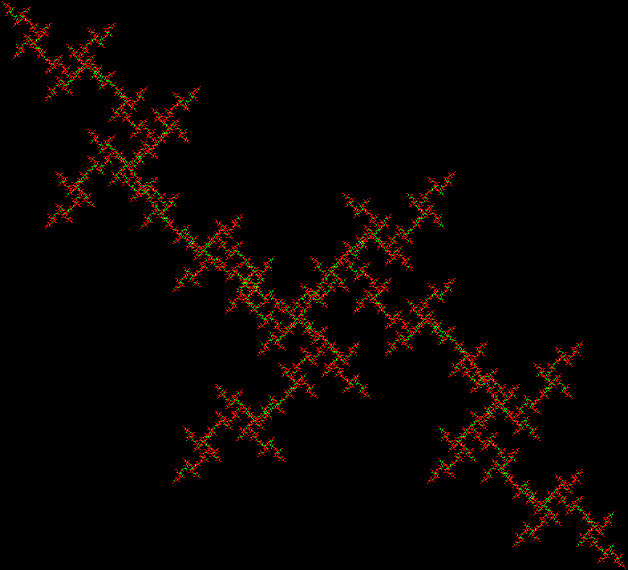
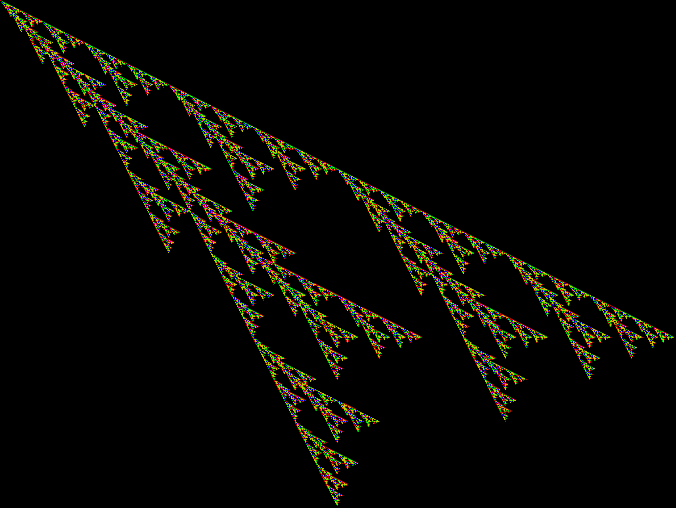
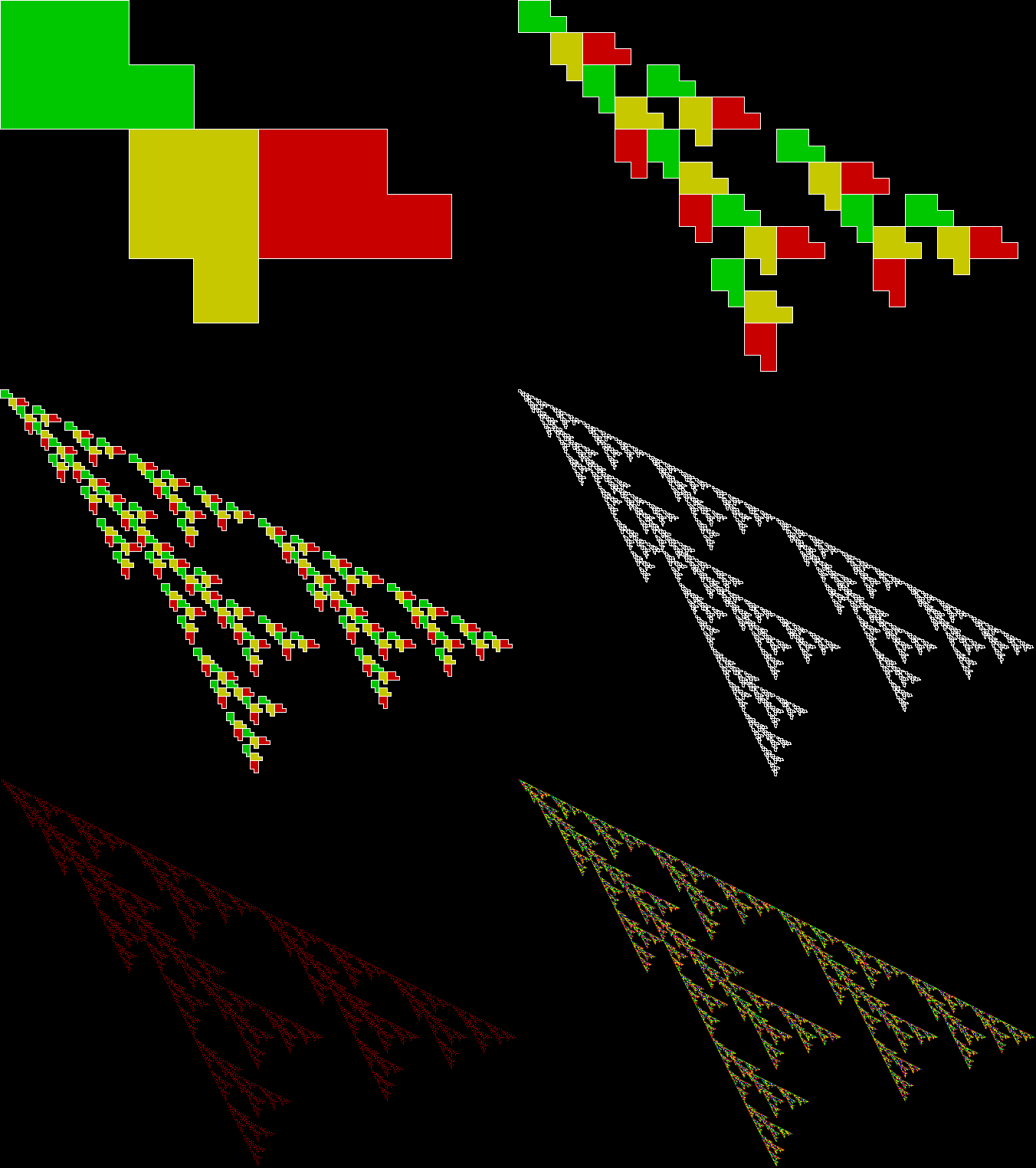
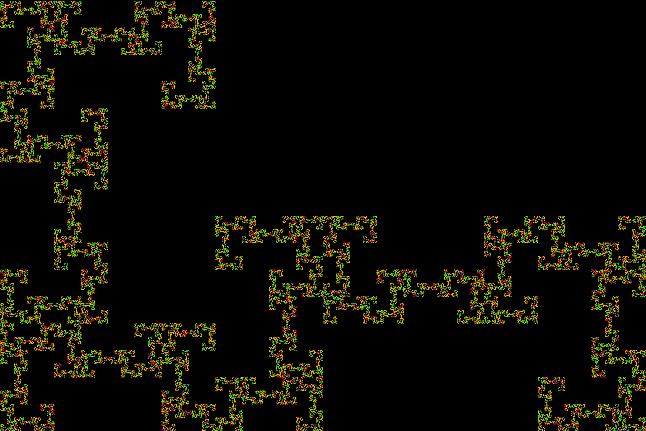
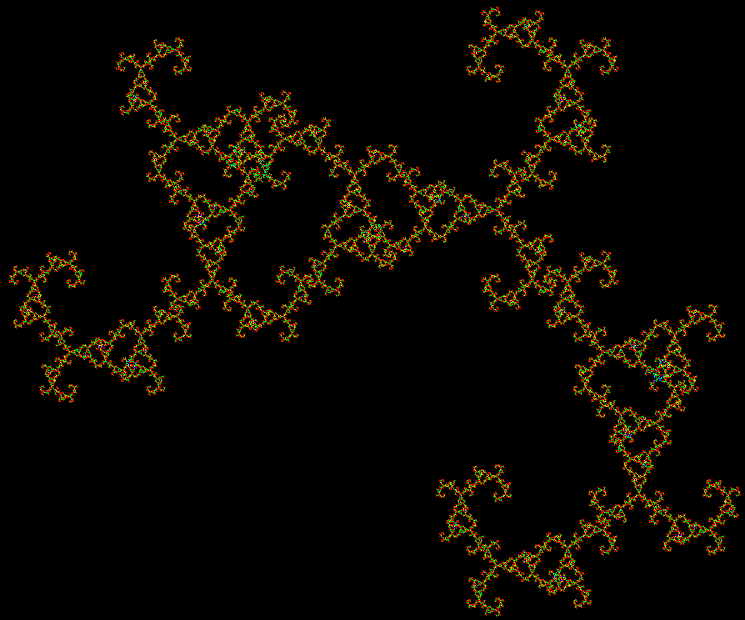
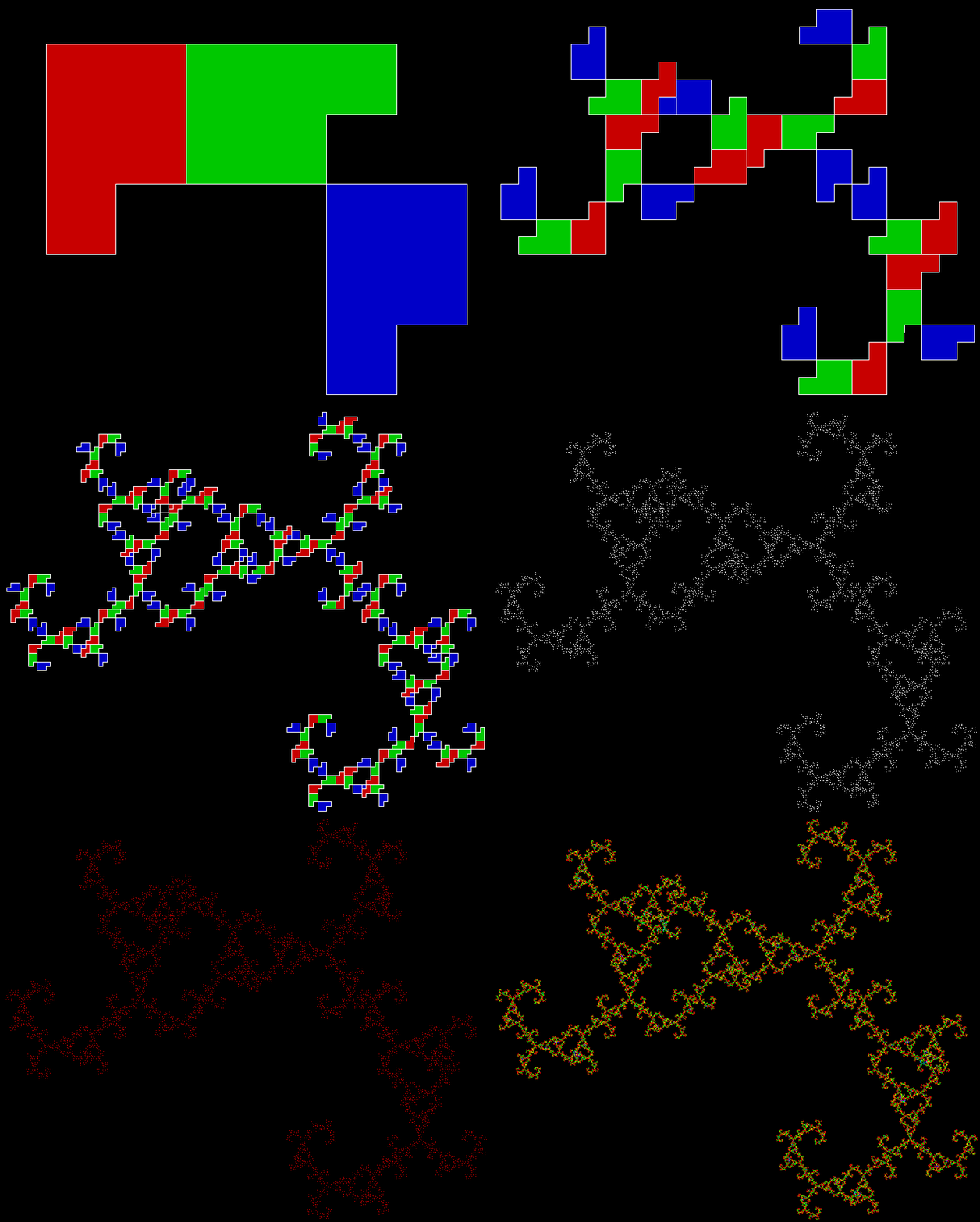
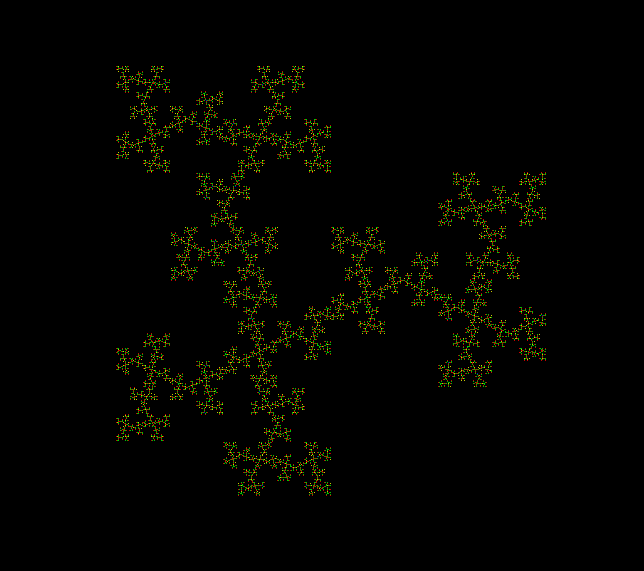
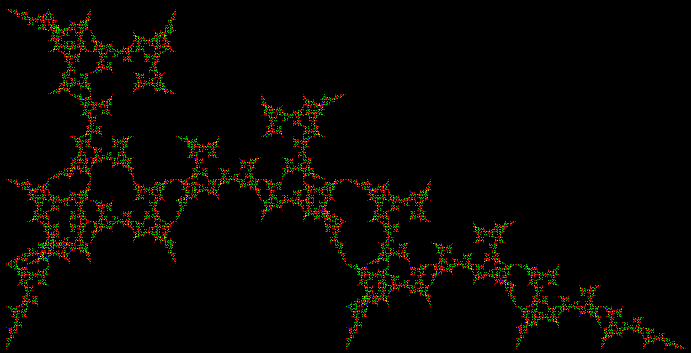
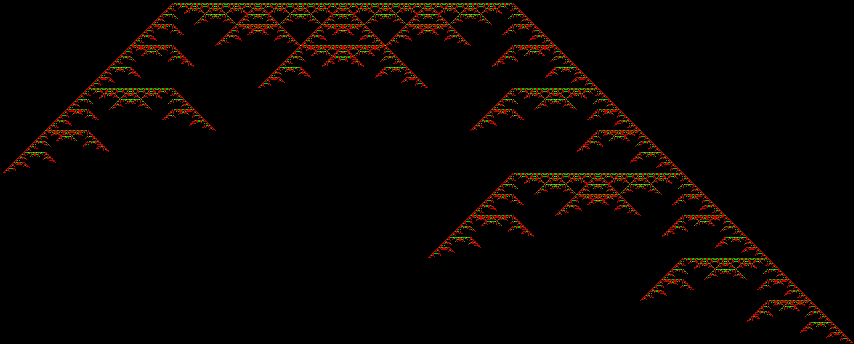
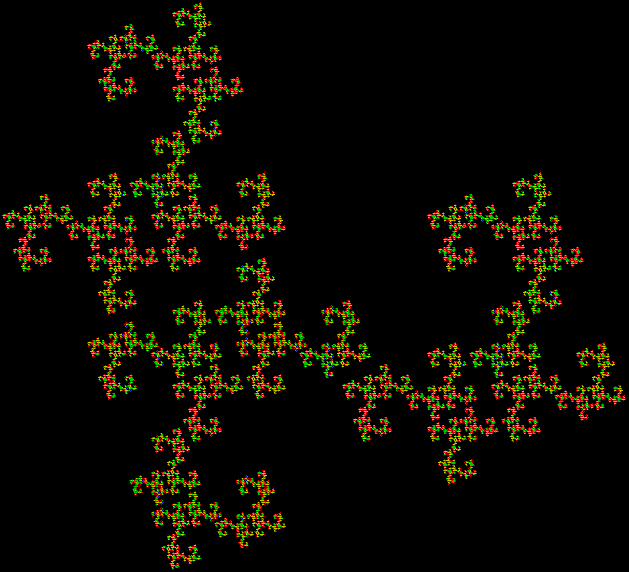
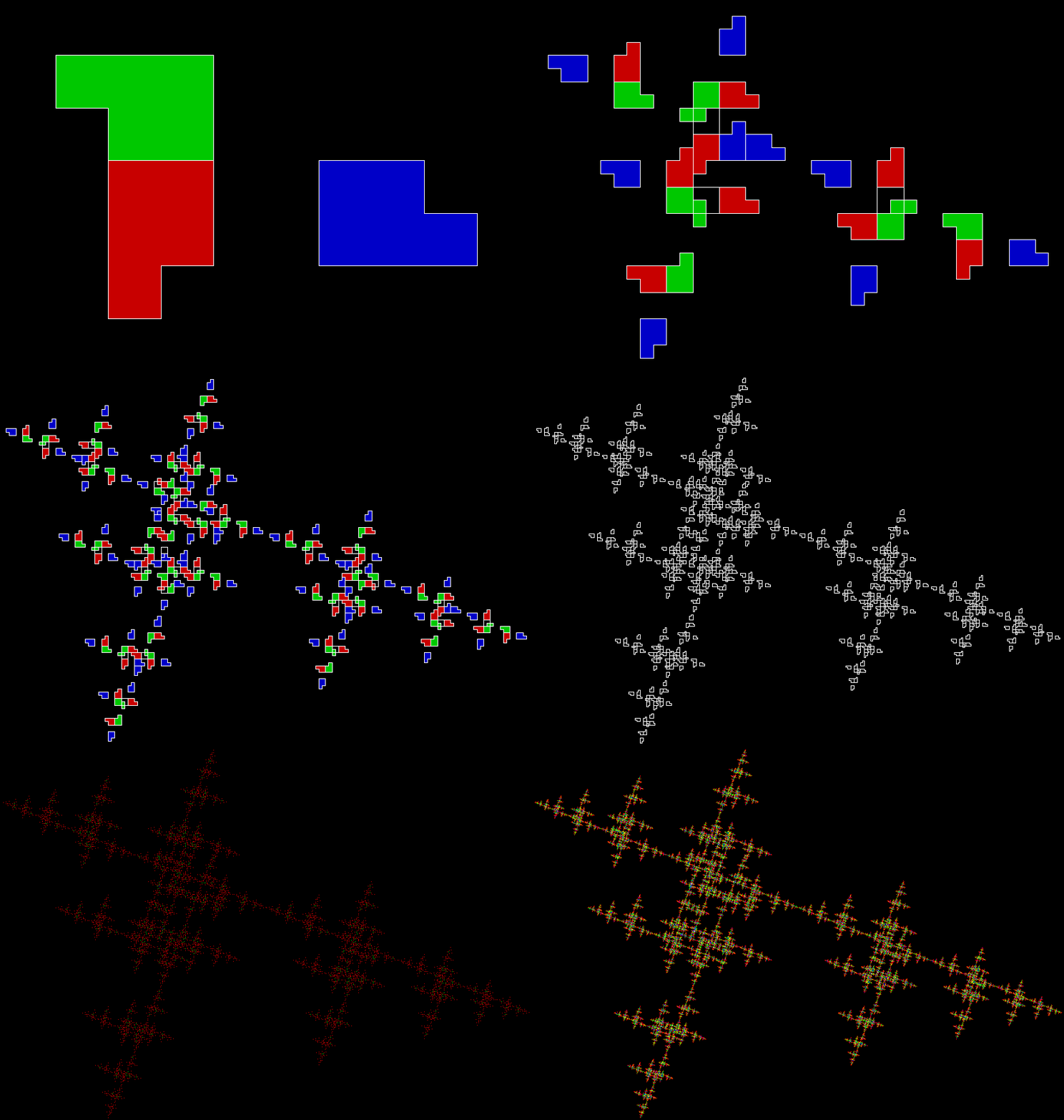
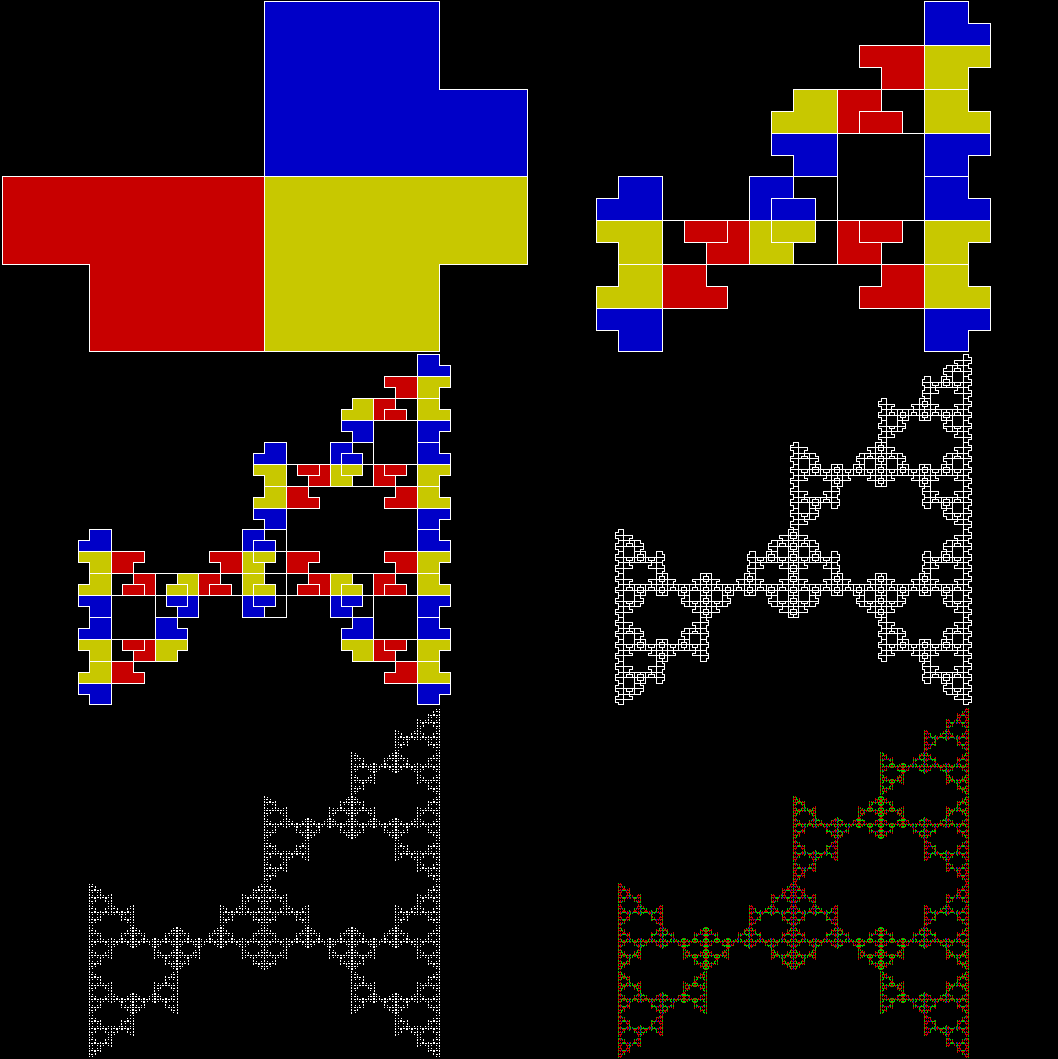
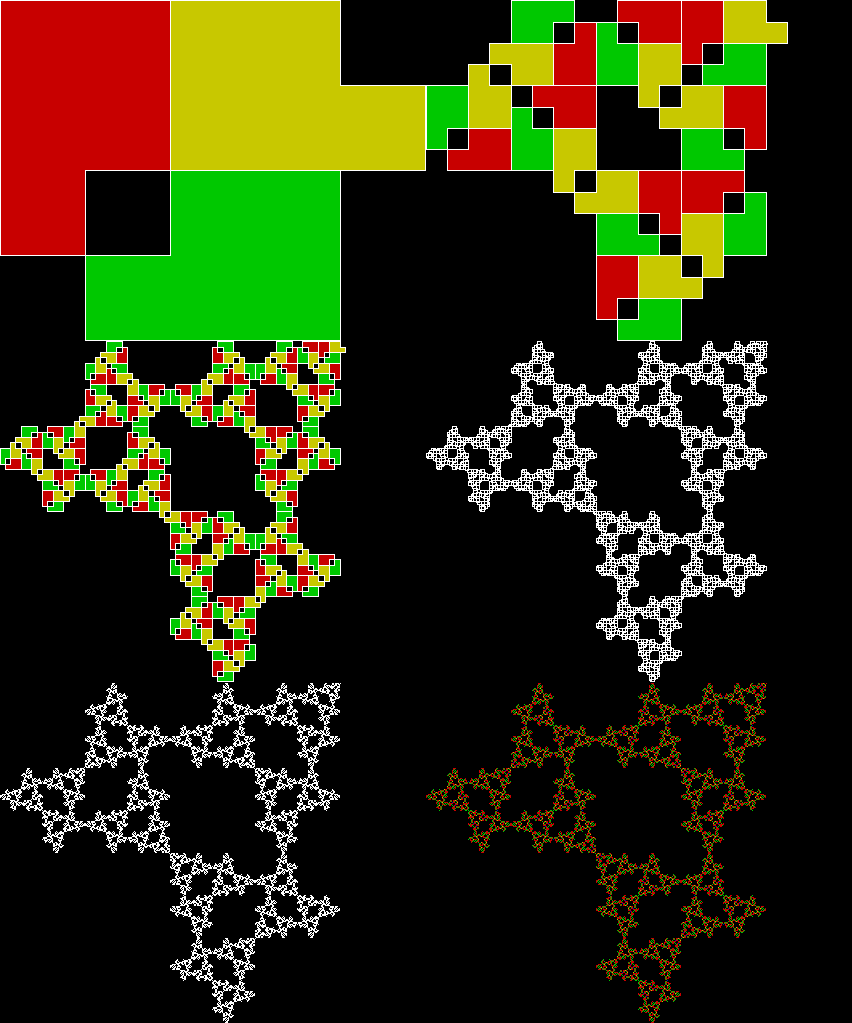
Here are some more fractals created using the same divide-and-discard process:
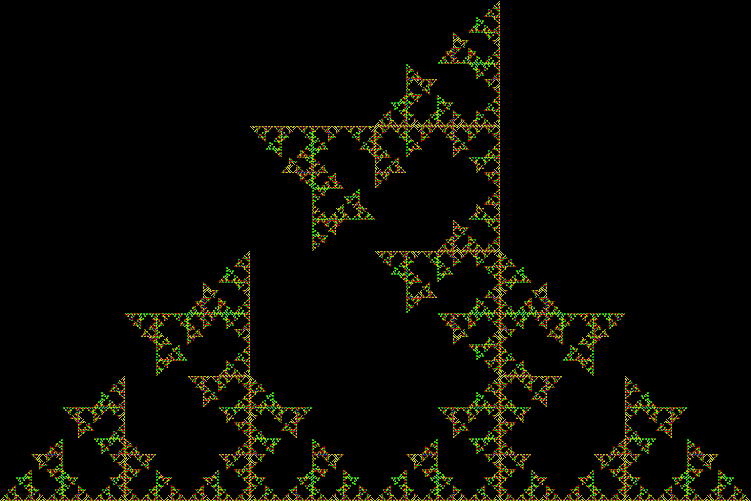
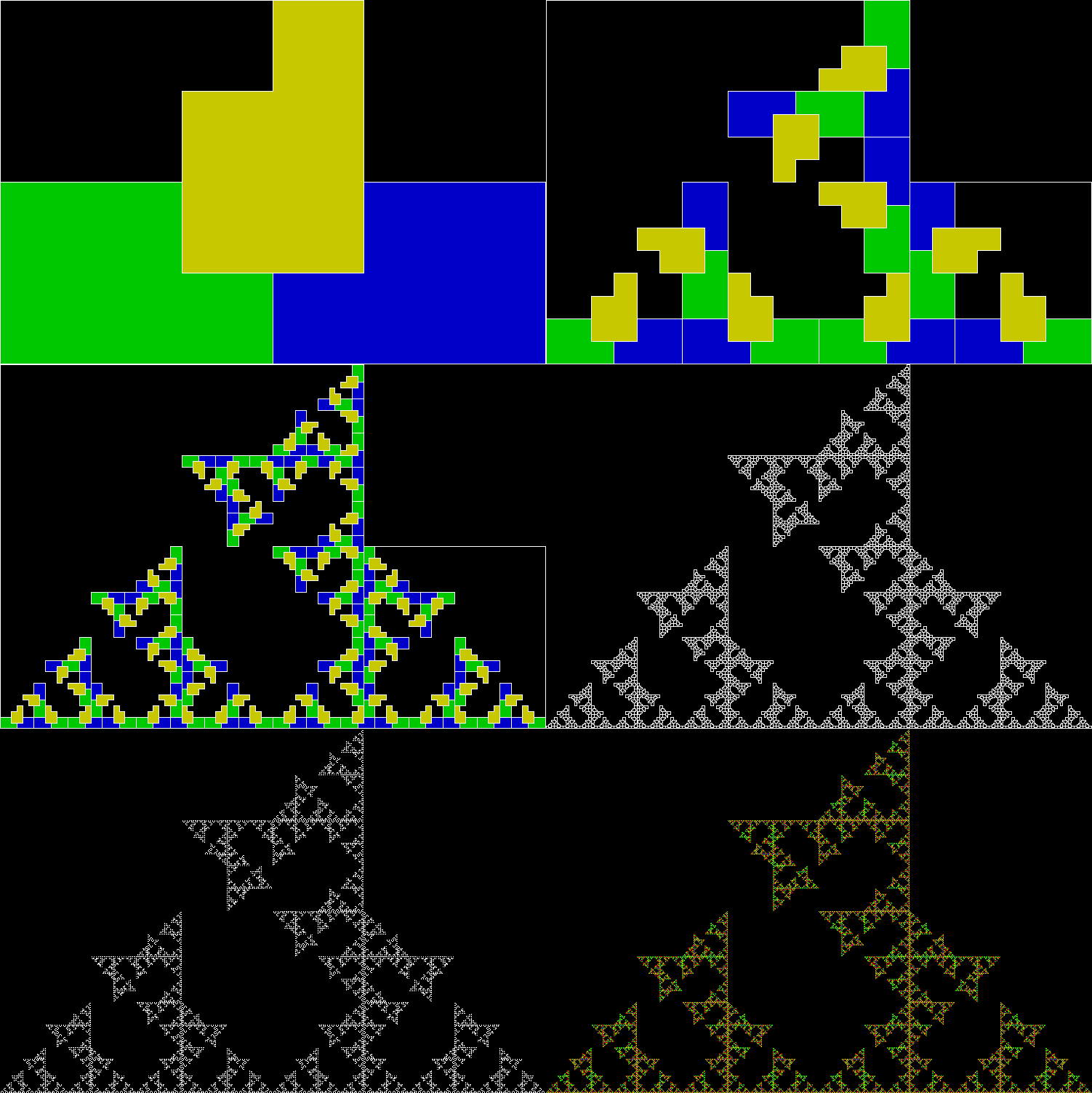
Animated version
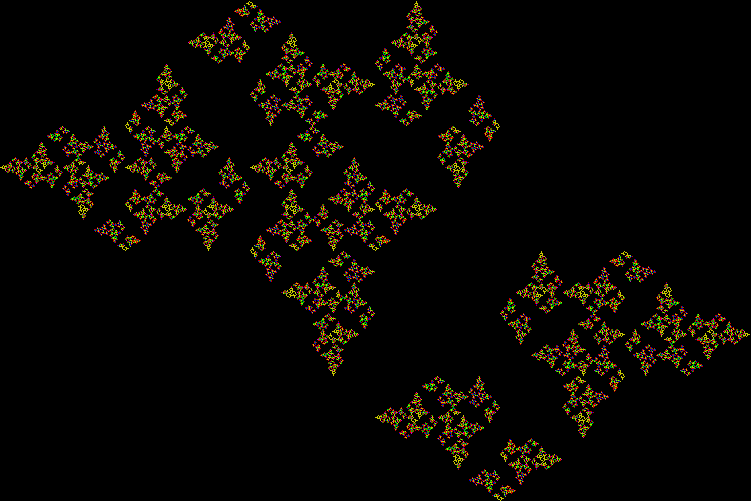
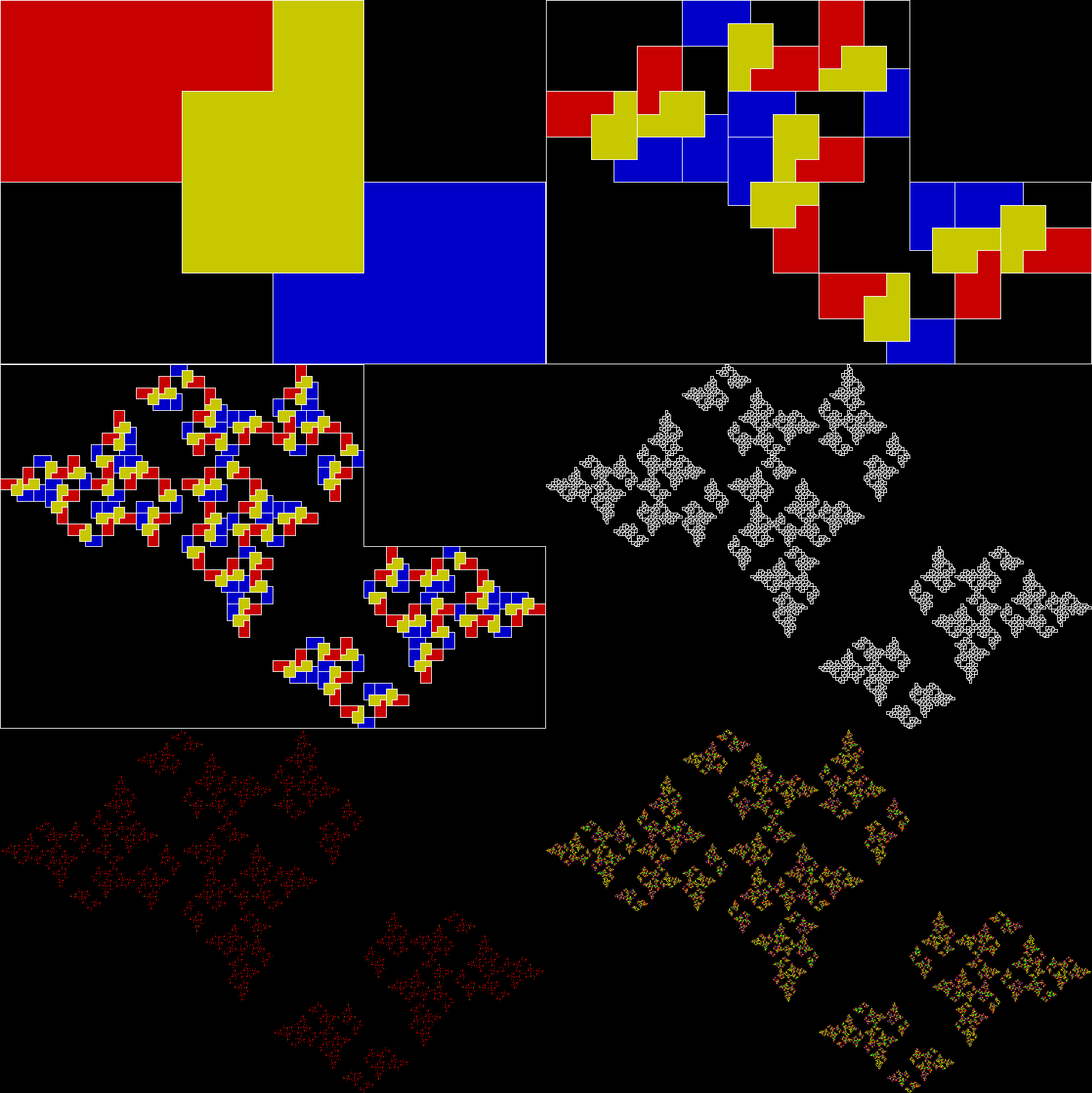
Animated version
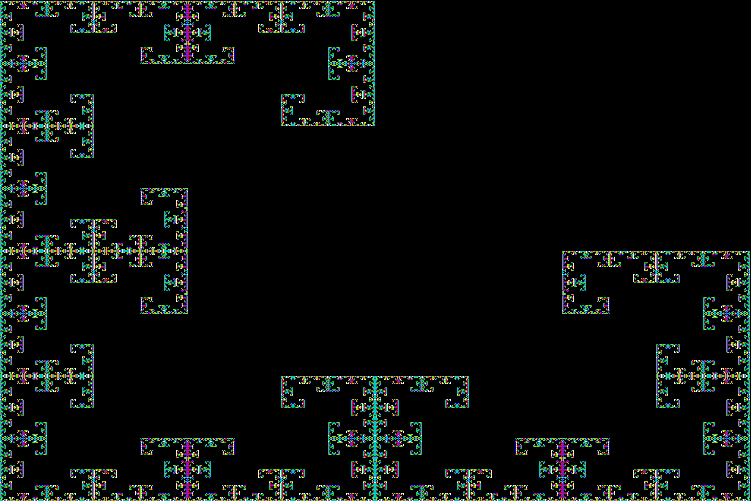
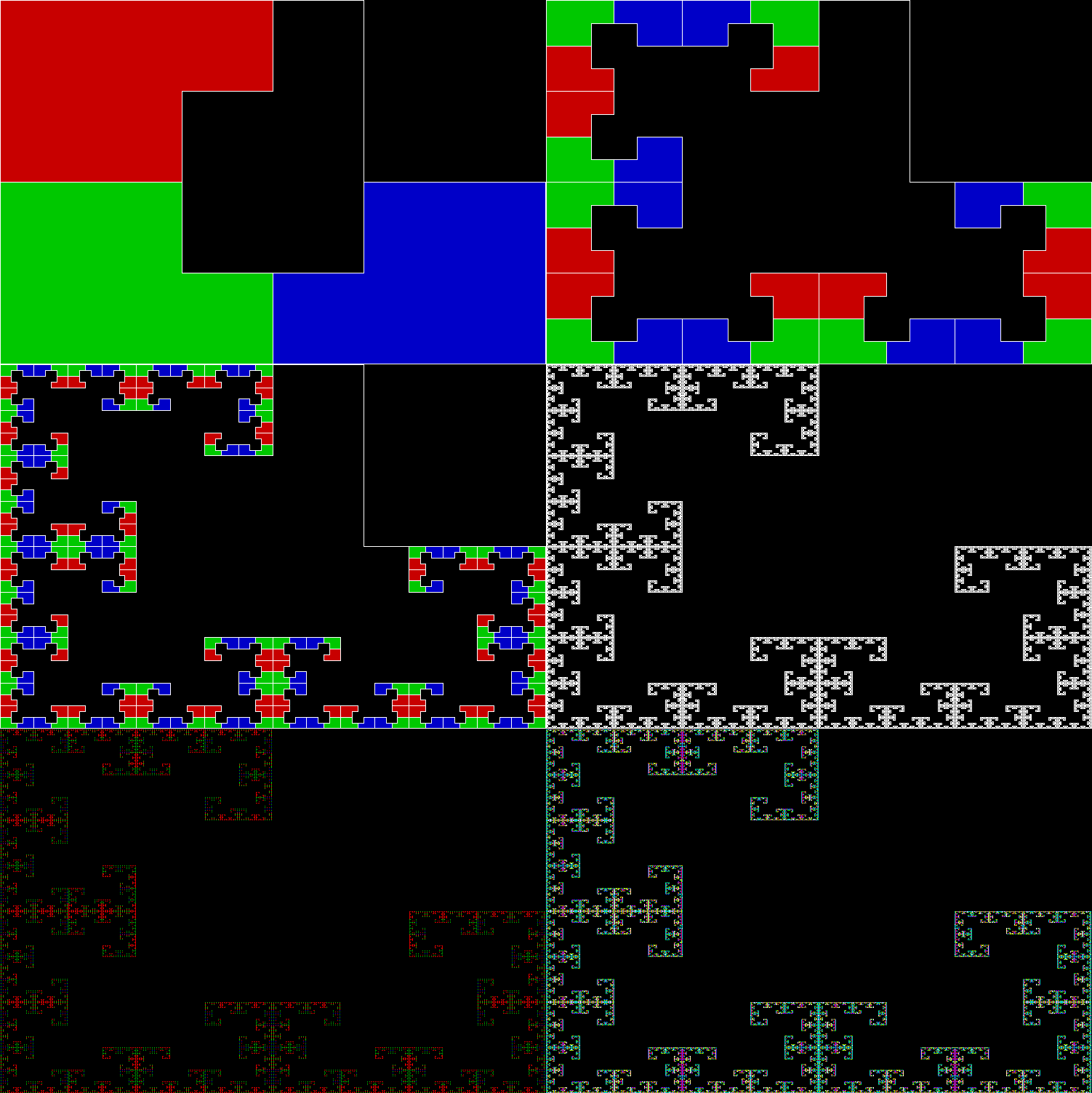
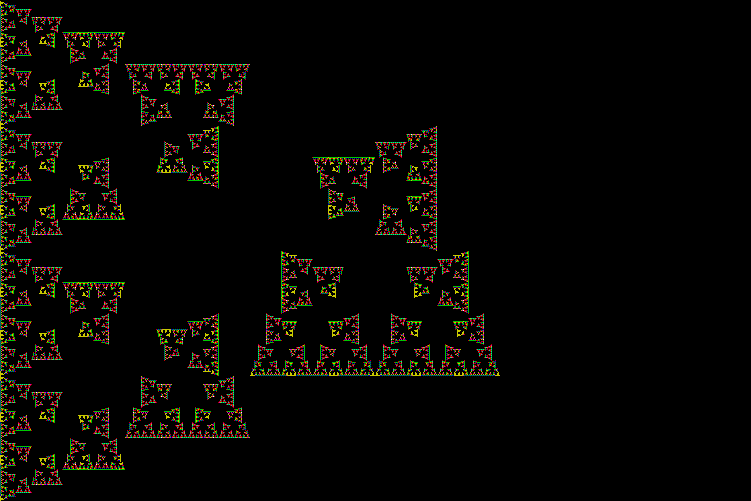
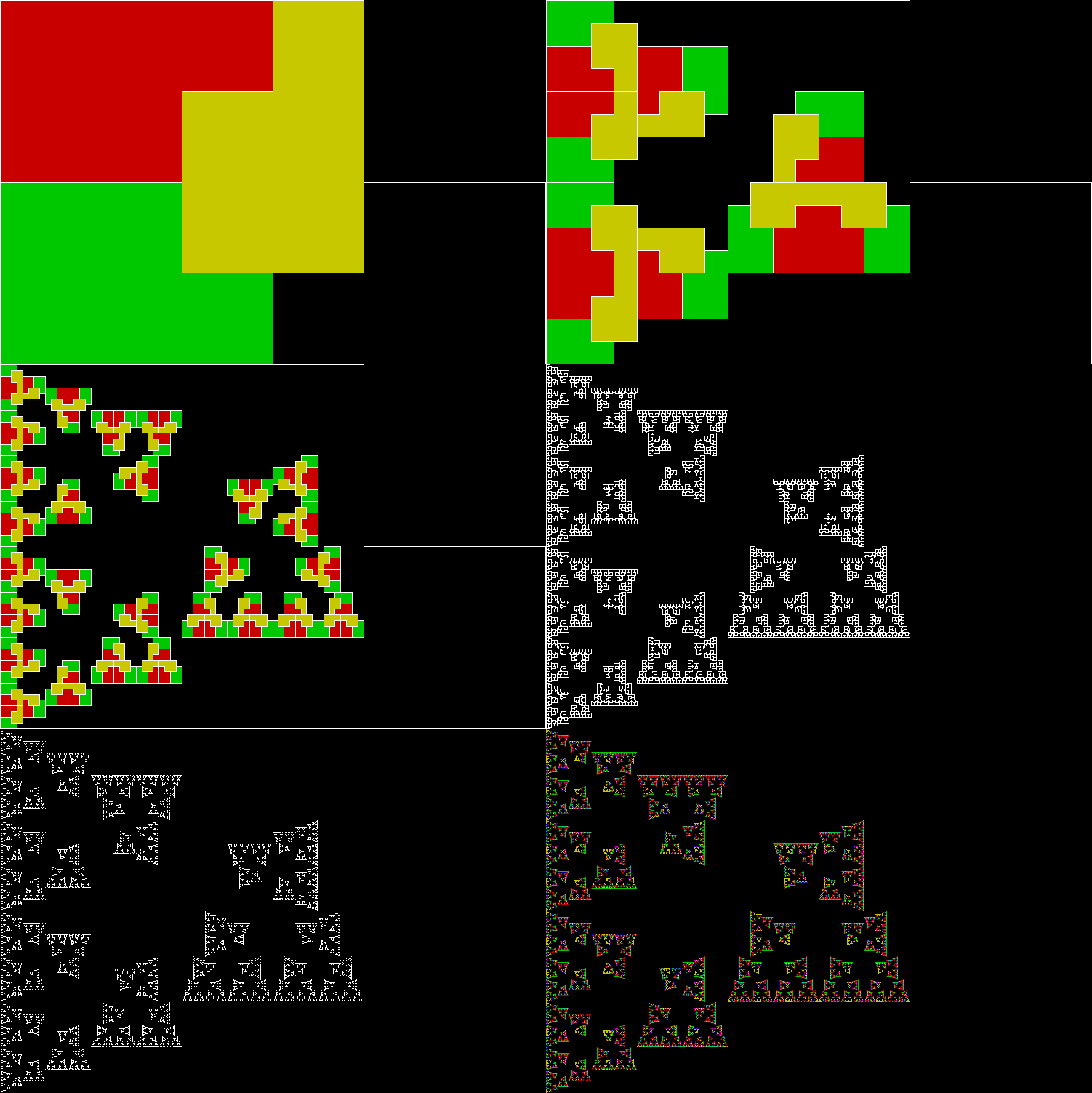
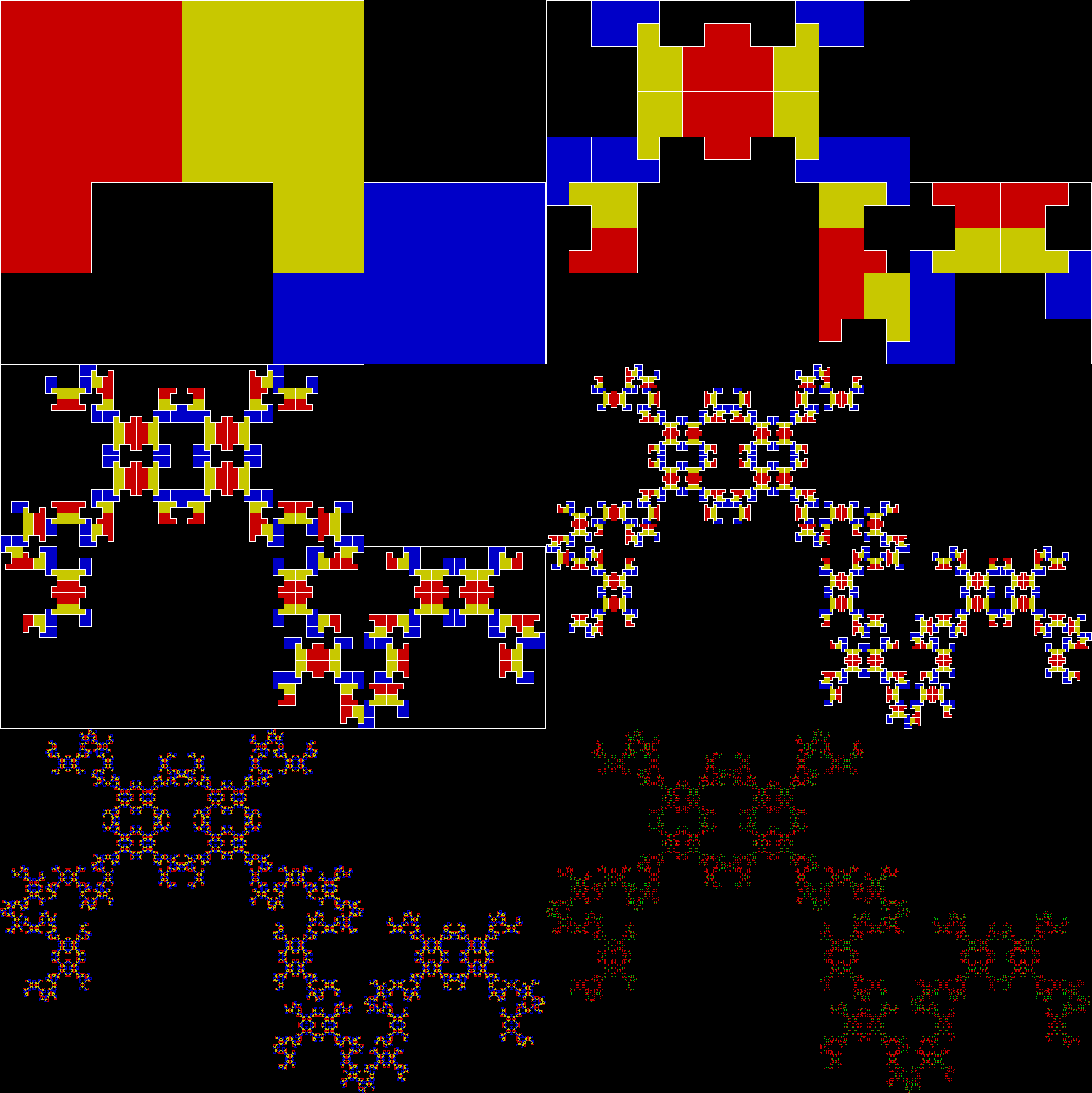
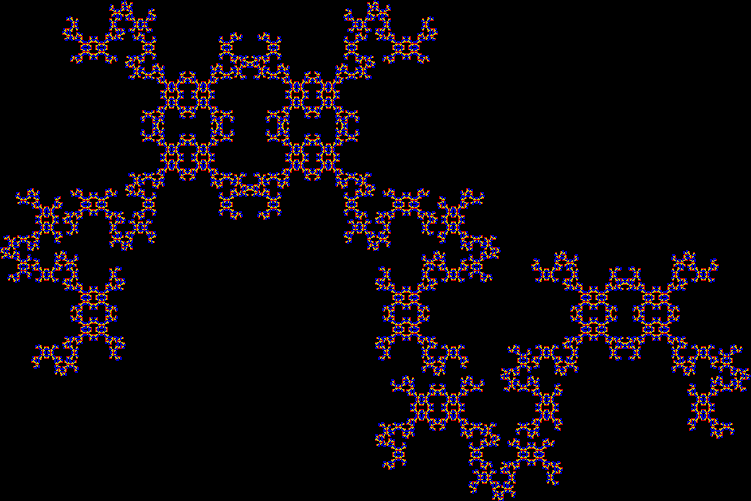

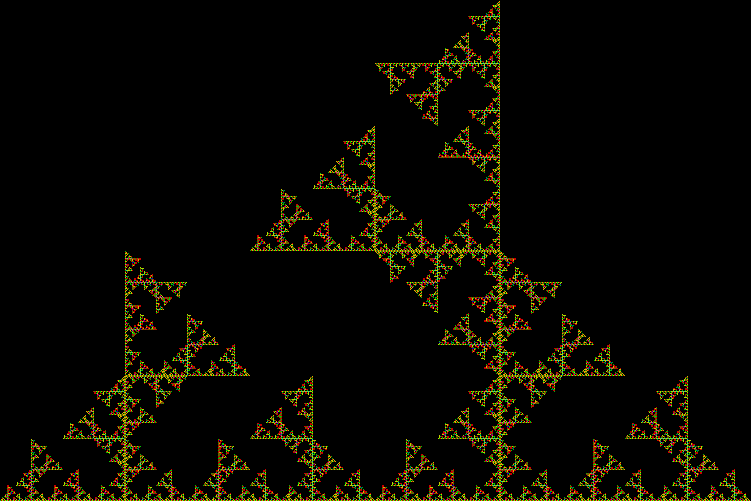


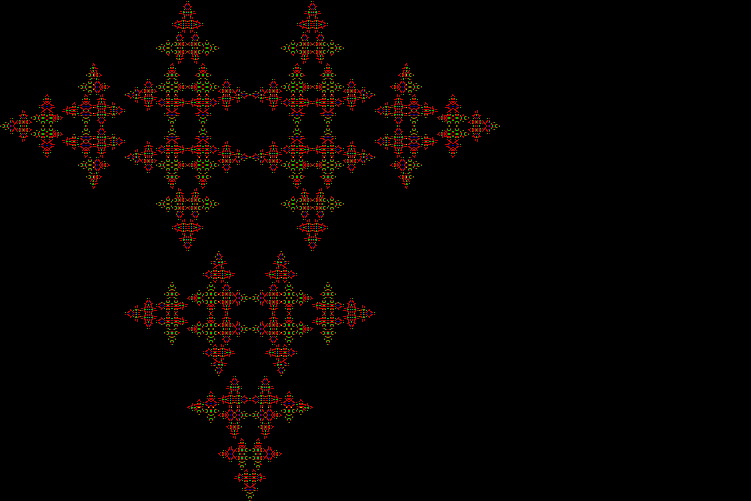
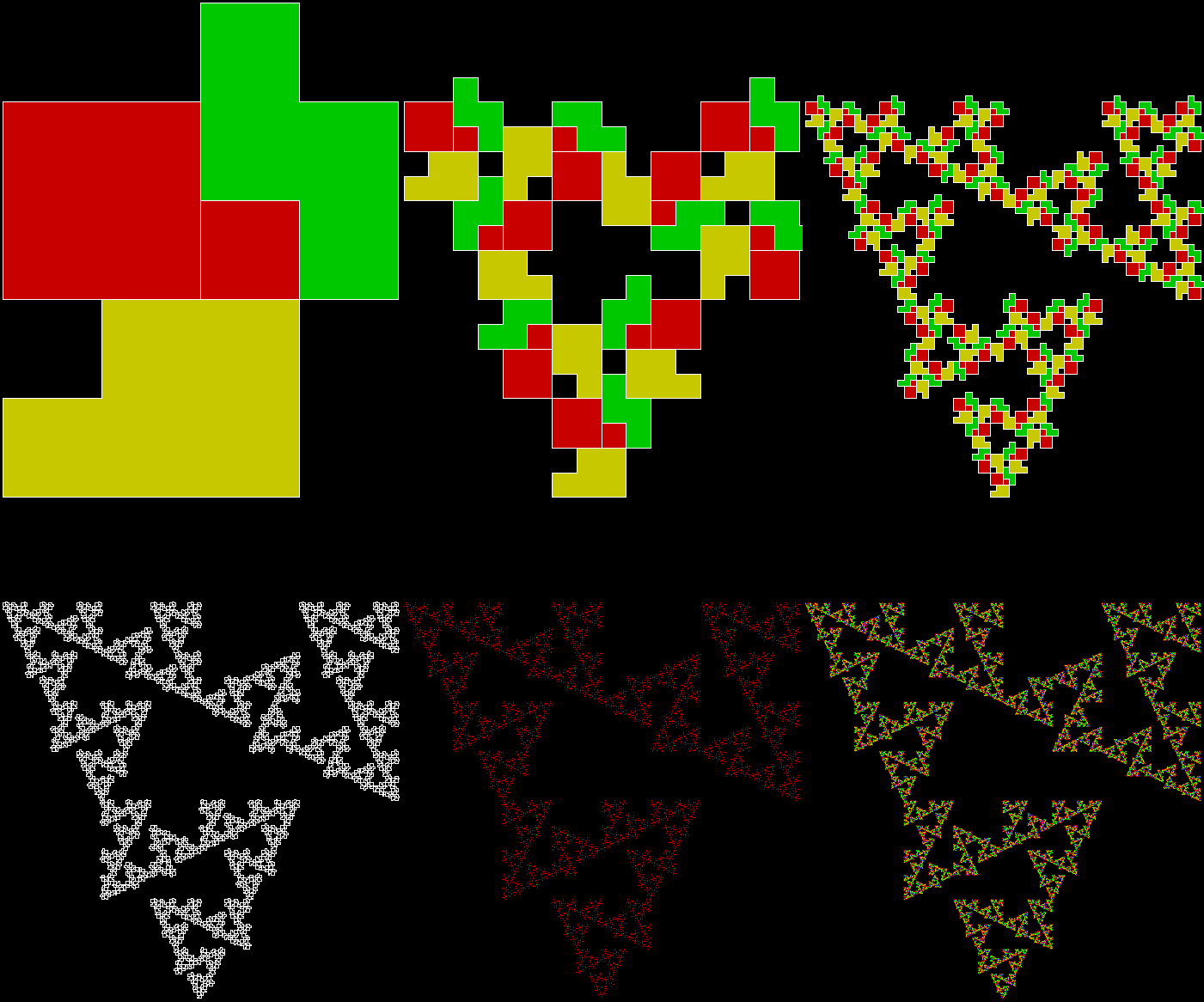
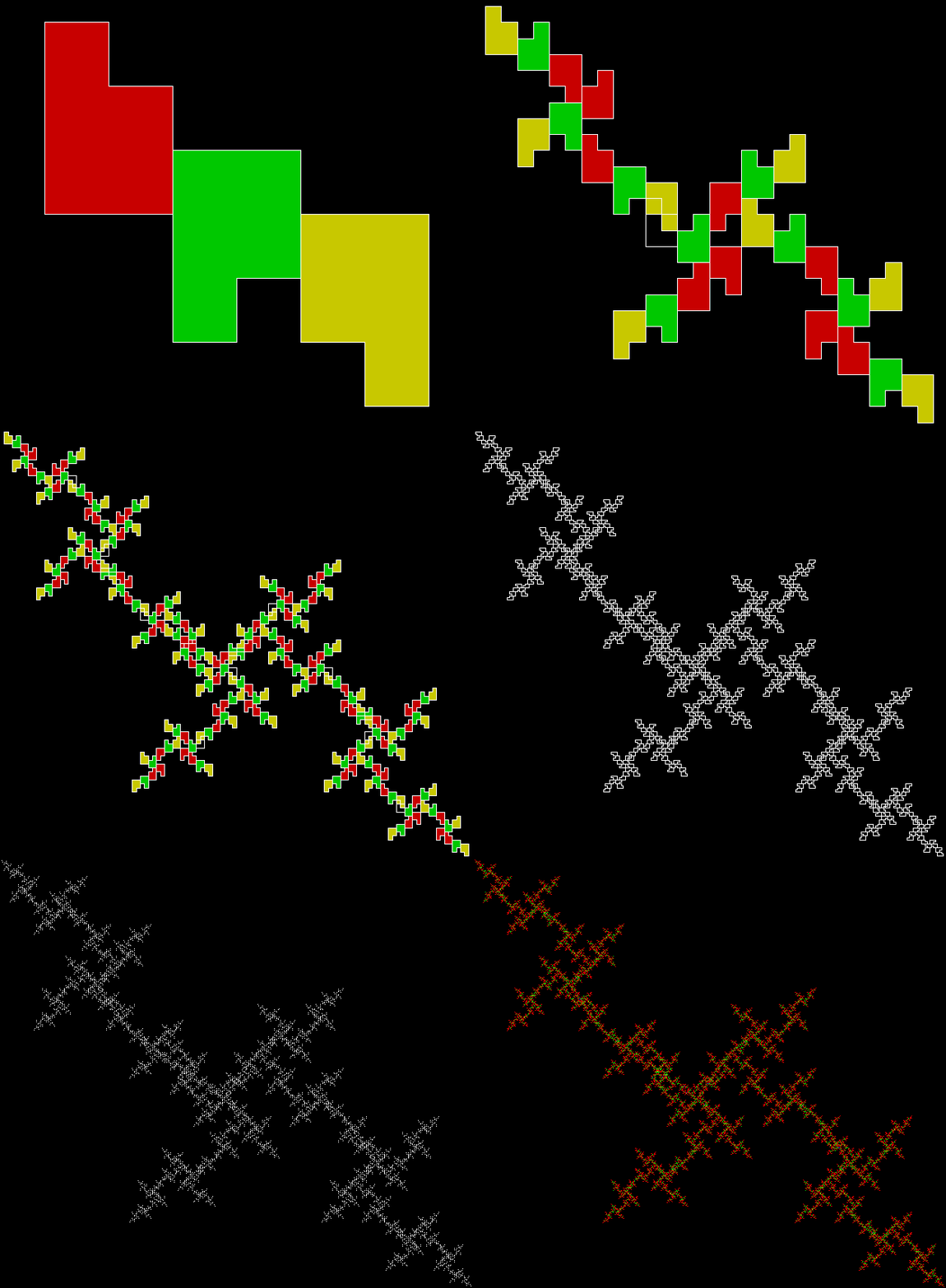
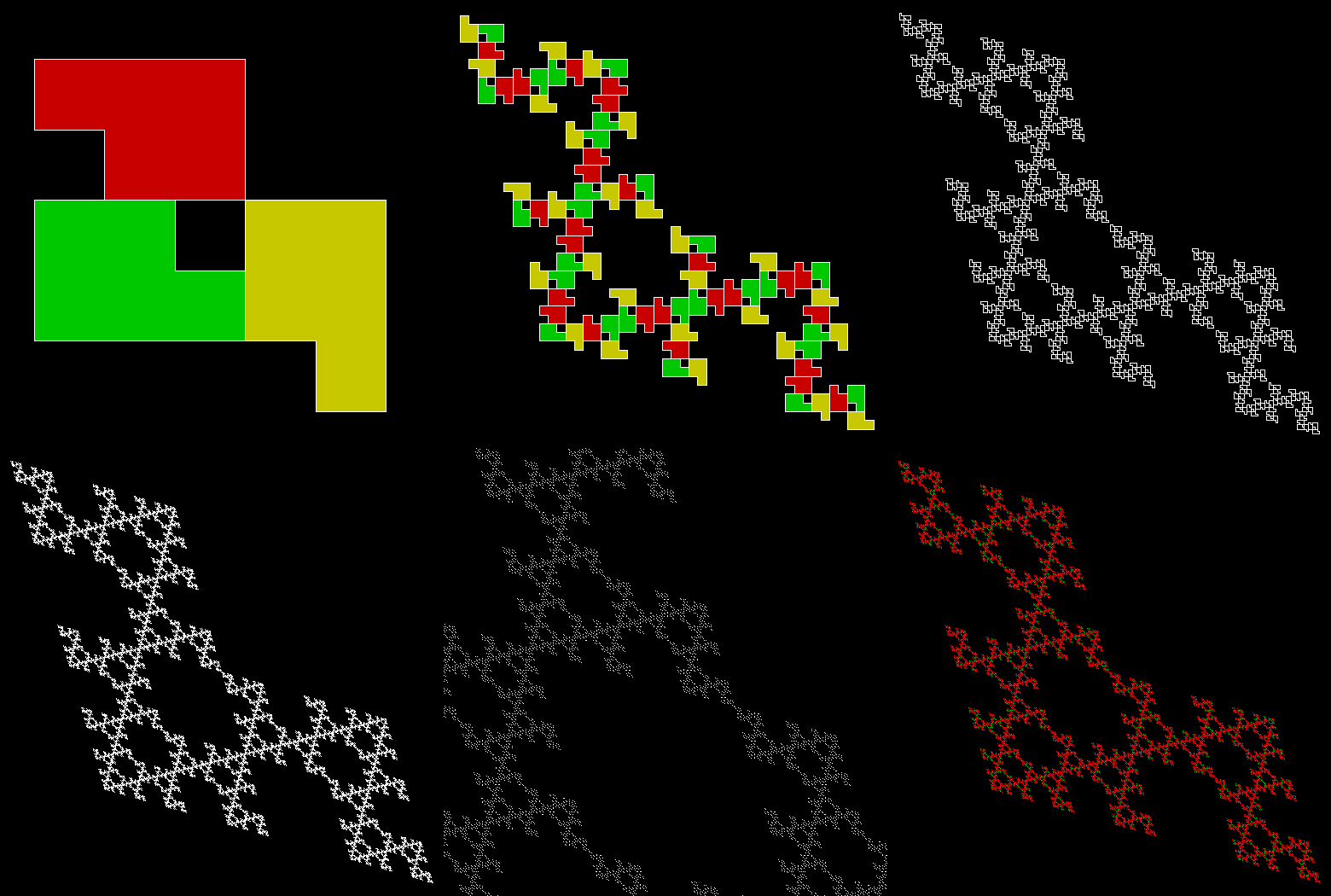
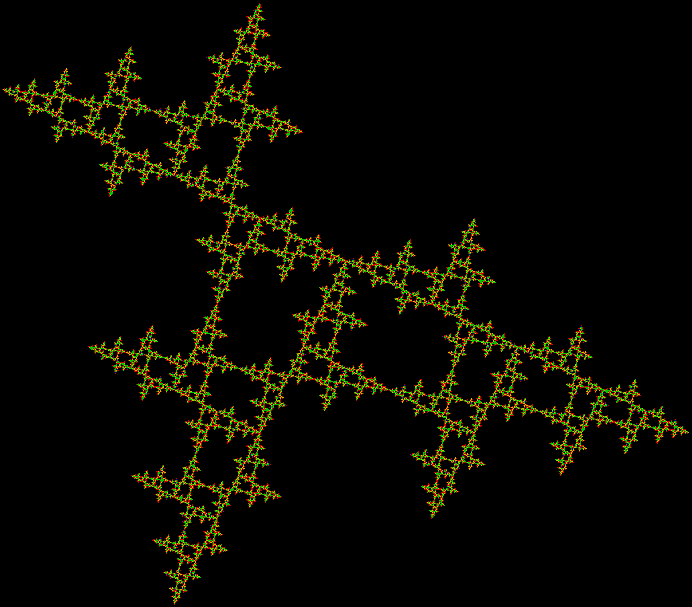
You can also use variants on a standard rep-tile dissection, like rotating the copies or trying different patterns of dissection at different levels to see what new shapes appear:





Q. Each face of a convex polyhedron can serve as a base when the solid is placed on a horizontal plane. The center of gravity of a regular polyhedron is at the center, therefore it is stable on any face. Irregular polyhedrons are easily constructed that are unstable on certain faces; that is, when placed on a table with an unstable face as the base, they topple over. Is it possible to make a model of an irregular convex polyhedron that is unstable on every face?
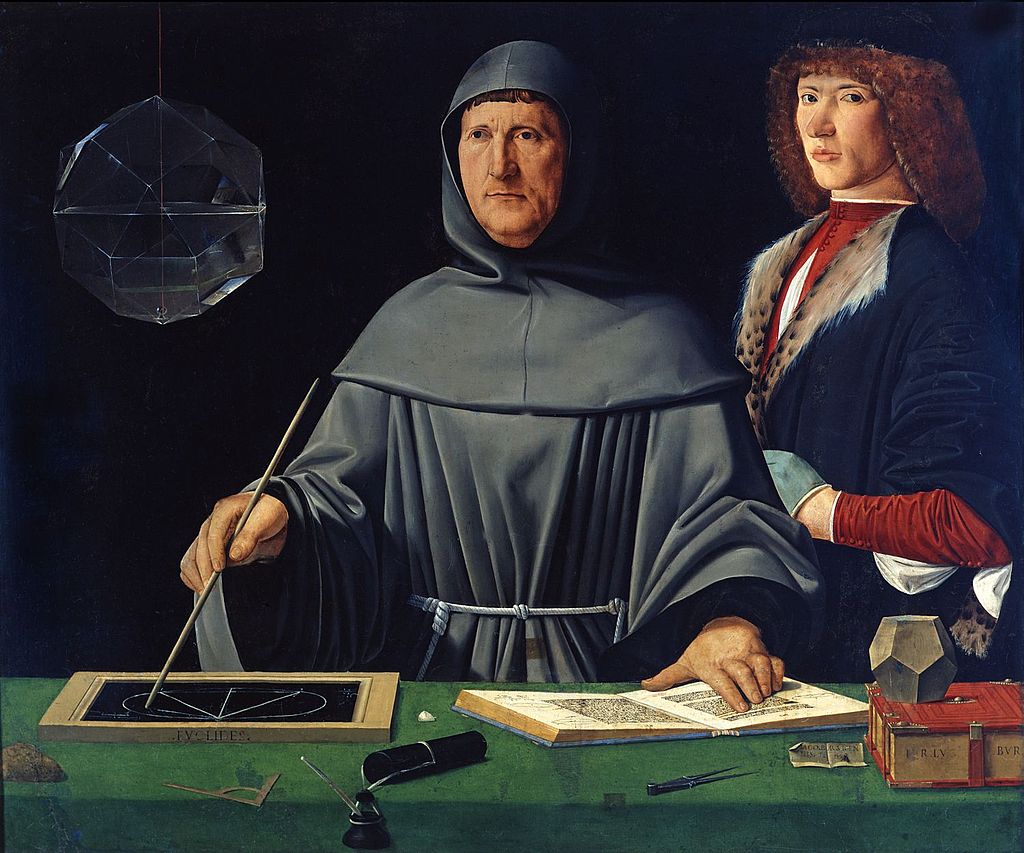
Portrait of Luca Pacioli (1495)
A. No. If a convex polyhedron were unstable on every face, a perpetual motion machine could be built. Each time the solid toppled over onto a new base it would be unstable and would topple over again.
— From “Ridiculous Questions” in Martin Gardner’s Mathematical Magical Show (1965), chapter 10.
Auberon Waugh called himself a “practitioner of the vituperative arts”. Perhaps it was a Catholic thing. And unless you know Latin, you won’t understand. Or you won’t understand as much as you might. I don’t know Latin well, but I can appreciate some of the wonderful vituperation in a book of Latin exorcisms I’ve found scanned at Google Books. The title alone is good: Flagellum Daemonum: Exorcismos Terribiles, Potentissimos et Efficaces, which means (I think) The Flail of Demons: Exorcisms Terrible, Most Potent and Effective. Or is the title Fustis Daemonum: Adiurationes Formidabiles, Potentissimas et Efficaces, meaning The Cudgel of Demons: Adjurations Formidable, Most Potent and Effective?

Vituperation from the Flagellum Daemonum (1644)
Pessimus Dux Tenebrarum is “Most Evil Duke of Darkness” and Janua et Vorago Inferni is “Door and Abyss of Hell”. Seminator Zizaniarum, meaning “Sower of Tares”, refers to Matthew xiii, 25: “But while men slept, his enemy came and sowed tares among the wheat, and went his way.” And those are only a few of the curses poured on the Devil’s head. I’ve turned the full list into plain text. As it says in the book that originally led me to the Flagellum Daemonum, “The following is a specimen of one of these vituperative addresses”:
Audi igitur insensate, false, reprobe, et iniquissime Spiritus. Inimice fidei. Adversarie generis humani. Mortis adductor. Vitæ raptor. Justitiæ declinator. Malorum radix. Fomes vitiorum. Seductor hominum. Proditor gentium. Incitator invidiæ. Origo aravitiæ. Causa discordiæ. Excitator malorum. Dæmonum magister. Miserrima Creature. Tentator Homininum. Deceptor malorum Angelorum. Fallax animarum. Dux Hæreticorum. Pater Mendacii. Fatue Bestialis. Tui creatoris Inimicus. Insipiens ebriose. Inique et iniquorum caput. Prædo infernalis. Serpens iniquissime. Lupe rapacissime. Sus macra, famelica, et immundissima. Bestia eruginosa. Bestia scabiosa. Bestia truculentissima. Bestia crudelis. Bestia cruenta. Bestia omnium Bestiarum Bestialissima. Ejecte de Paradise. De gratiâ Dei. De Cœli fastigio. De loco inerrabili. De Societate et consortia Angelorum. Immundissime Spiritus Initium omnium malorum. Trangressor bonæ vitæ. Veritatis et Justitiæ persecutor. Auctor fornicationum. Seminator zizaniarum. Dissipator pacis. Latro discordiæ. Pessime dux tenebrarum. Mortis inventor. Janua et vorago Inferni. Crudelis devorator animarum omniumque malorum causa. Malignissime Dæmon. Spurcissime Spiritus. Nefandissime susurrator. Nequissima Creatura. Vilissime apostata. Scelestissima latro. Impiissima bestia infernalis. Superbissime et ingratissime Spiritus. Iniquissime refuga. Tyranne, Omni bono vacue. Plene omni dolo et fallaciâ. Hominum exterminator. Derisio totius Angelicæ Naturæ. Maledicte Satana a Deo. Excommunicate a totâ cœlesti curiâ. Blaspheme Dei et omnium Sanctorum. Damnate a Deo atque Damnande. Spiritus Acherontine. Spiritus Tartaree. Fili Perditionis. Fili maledictionis æternæ. Rebellis Dei et totius cœlestis curiæ. Serpens crudelissime. Draco iniquissime. Creatura damnata, reprobata et maledicta a Deo in æternum ob superbiam nequitiam tuam.
The first line, Audi igitur insensate, false, reprobe, et iniquissime Spiritus means something like “Hear, then, Senseless, False, Reprobate and Most Iniquitous Spirit”. Then the Devil is called Inimicus Fidei, “Enemy of the Faith”, Adversarius Generis Humani, “Adversary of the Human Race”, Mortis Adductor, “Dragger to Death”, and Vitæ Raptor, “Snatcher of Life”. Then the vituperation really begins.
Maths is like a jungle: rich, teeming and full of surprises. A waterfall here, a glade of butterflies there, a bank of orchids yonder. There is always something new to see and a different route to try. But sometimes a different route will take you to the same place. I’ve already found two ways to reach this fractal (see Fingering the Frigit and Performativizing the Polygonic):
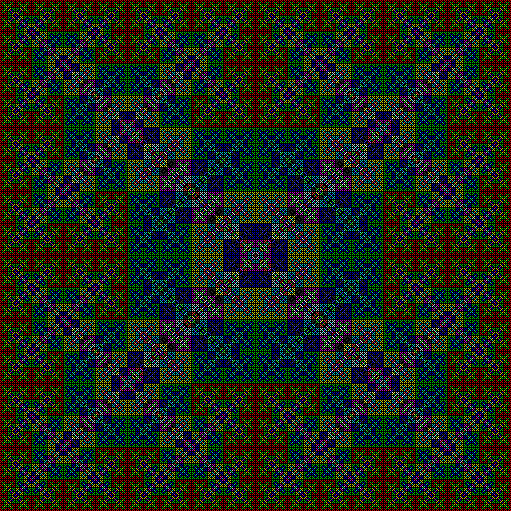
Fractal Carpet
Now I’ve found a third way. You could call it the rep-tile route. Divide a square into four smaller squares:

Add an extra square over the centre:
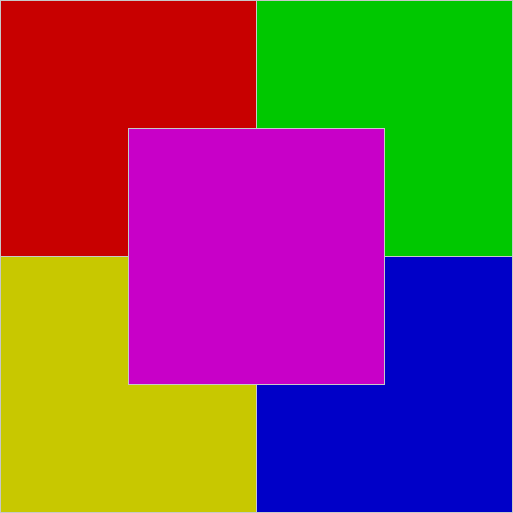
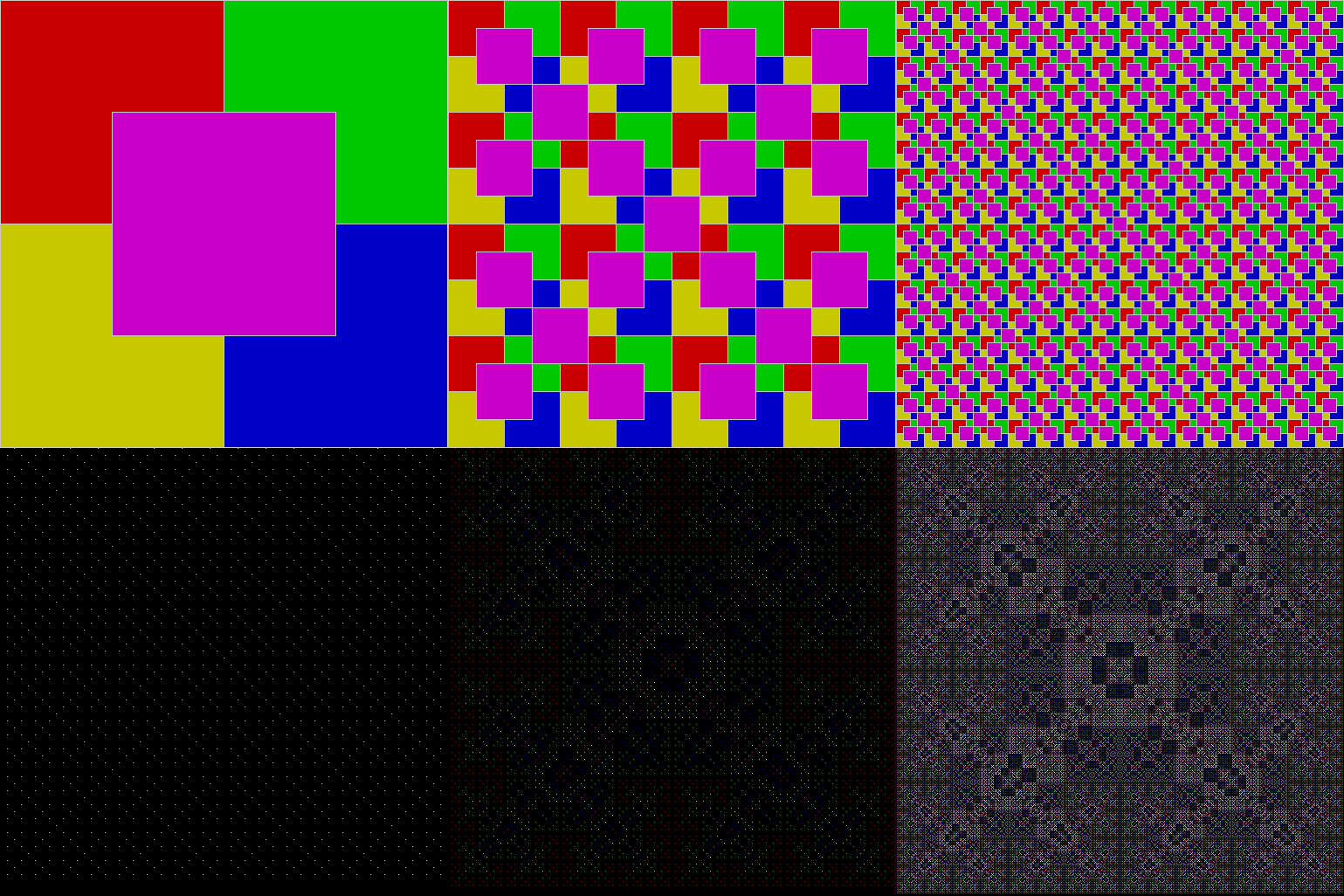
Then keep dividing the squares in the same way:
Animated carpet (with coloured blocks)

Animated carpet (with empty blocks)
The colours of the fractal appear when the same pixel is covered repeatedly: first it’s red, then green, yellow, blue, purple, and so on. Because the colours and their order are arbitrary, you can use different colour schemes:
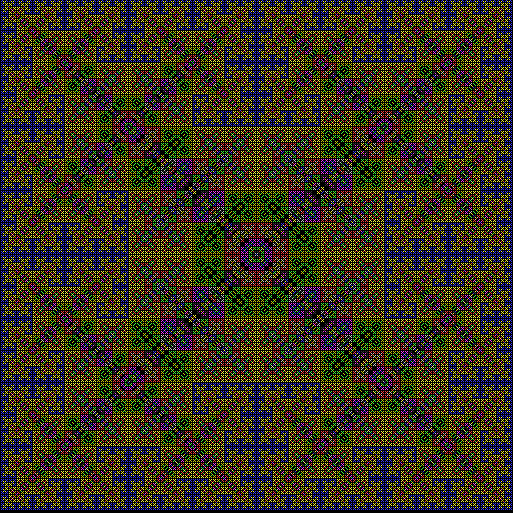
Colour scheme #1
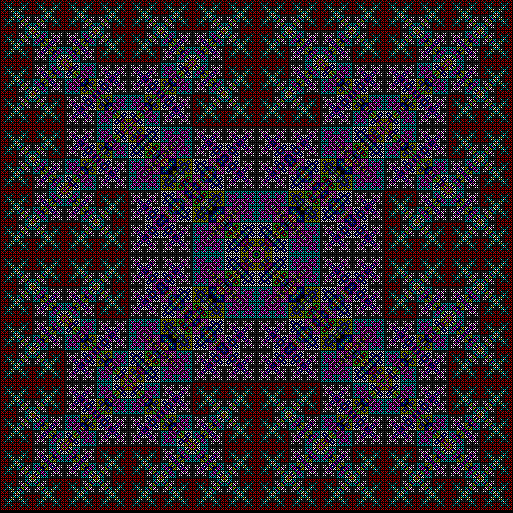
Colour scheme #2
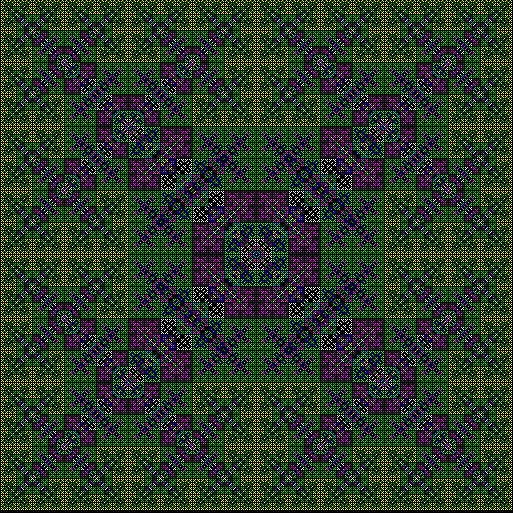
Colour scheme #3
Here are more colour-schemes in an animated gif:
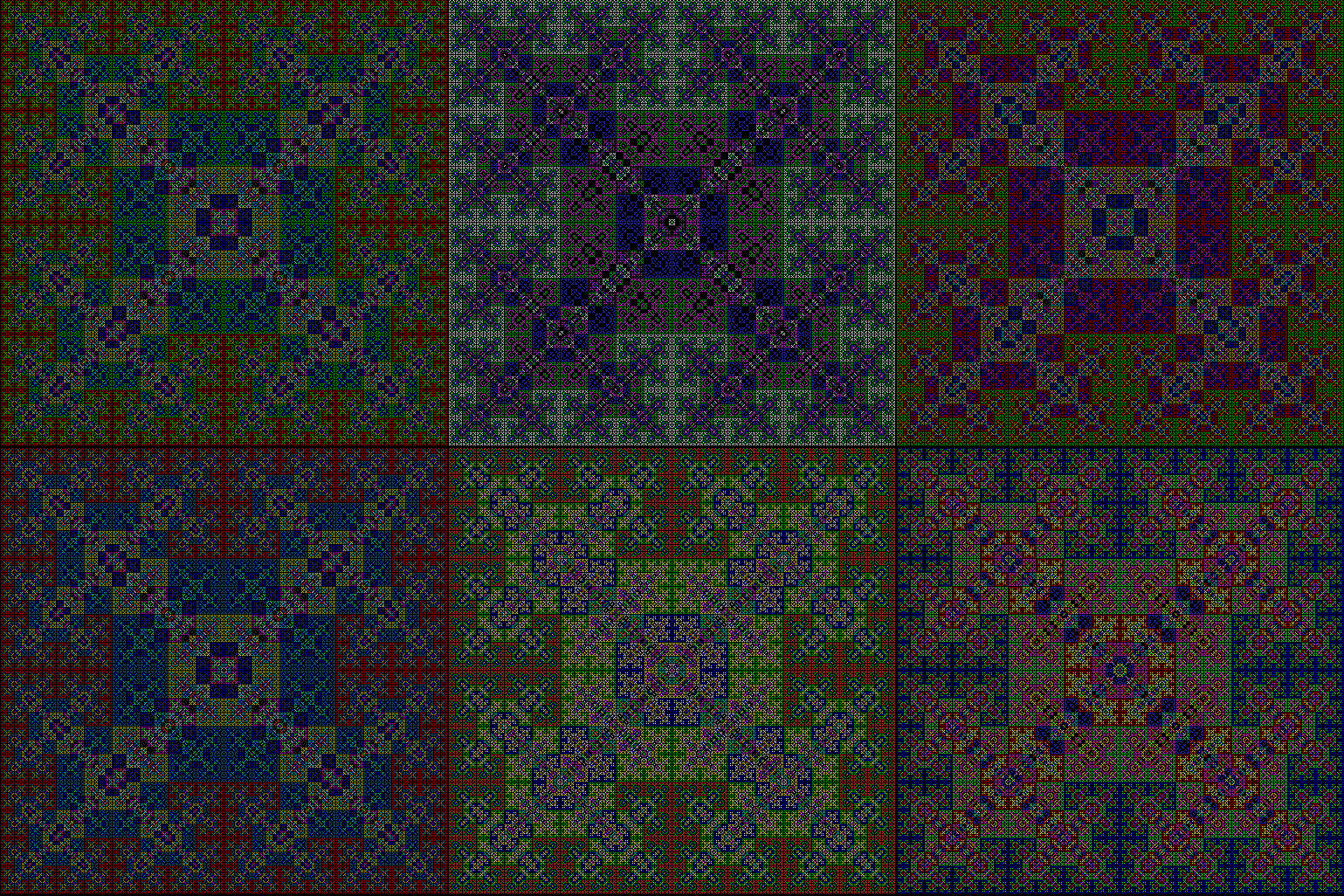
Various colour-schemes
Now try dividing the square into nine and sixteen, with an extra square over the centre:
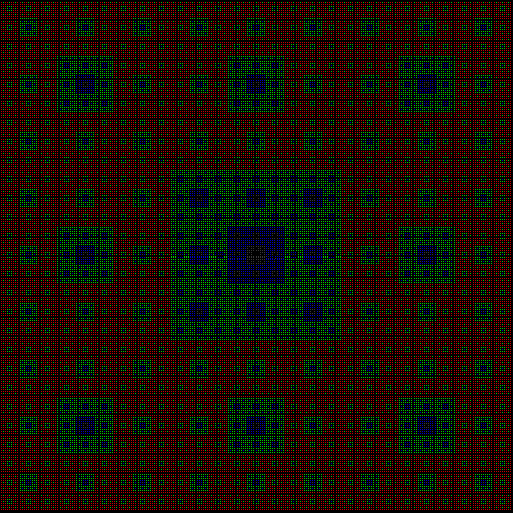
3×3 square + central square
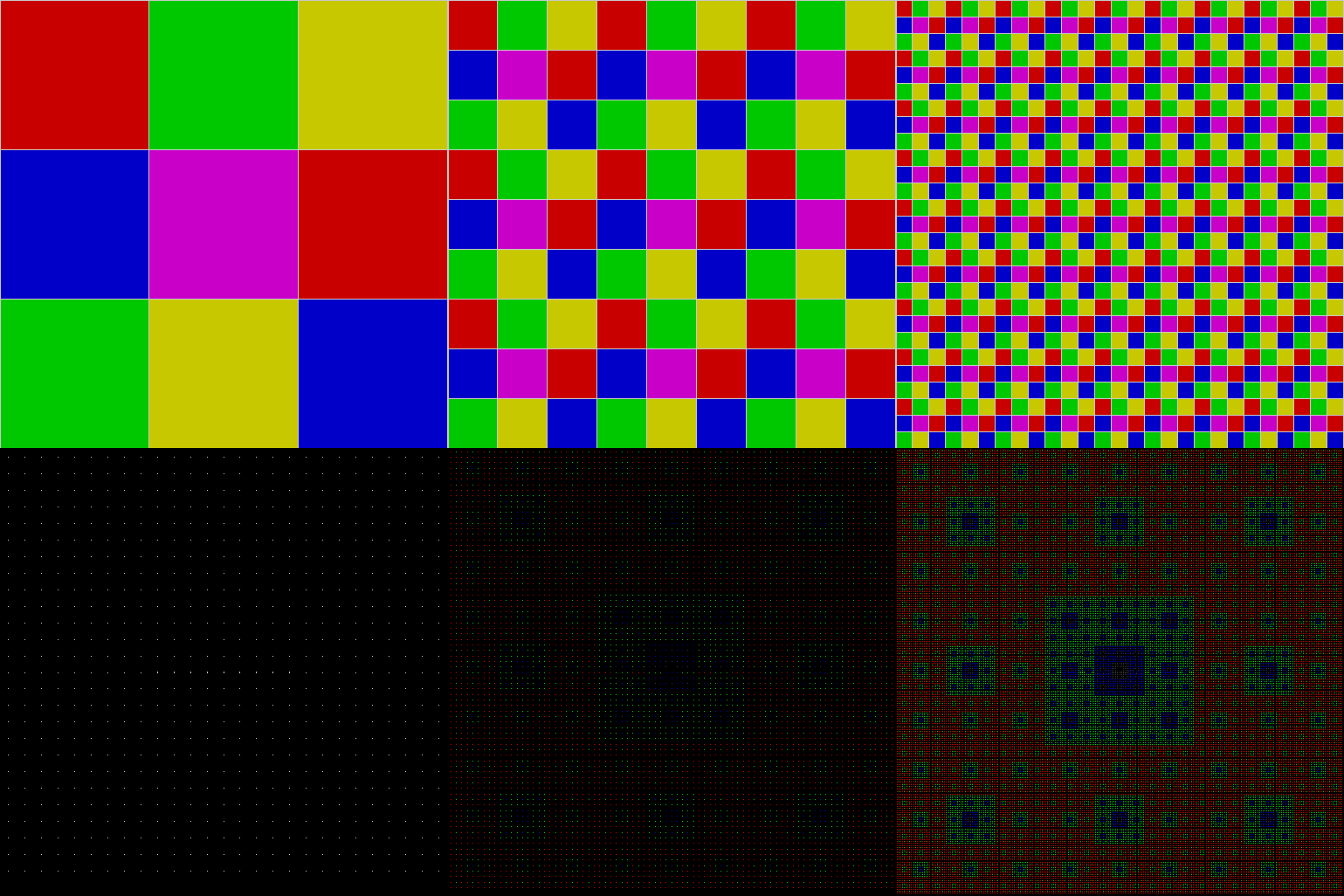
3×3 square + central square (animated)

4×4 square + central square

4×4 square + central square (animated)
You can also adjust the size of the square added to the 2×2 subdivision:

2×2 square + 1/2-sized central square

2×2 square + 3/4-sized central square
Elsewhere Other-Posted:
Currently listening…
• Slow Exploding Gulls, Salmaris EP (1997)
• Dubioso, Codicil LVI (1968)
• Ubair Yex, Weever (1973)
• Dux Tenebrarum, Quinque Fatuae (2012)
• Arctic Midge, Celsius (1992)
• Ijek Mveodeybda, Terë Conuva (1980)
• Schwarzschrein, Du Bist Dunst (1995)
Previously pre-posted:
Suppose four mice are standing on the corners of a large square. Each mouse begins running at the same speed towards the mouse one place away, reckoning clockwise. The mice will meet at the centre of the square and the path taken by each mouse will be what is known as a pursuit curve:
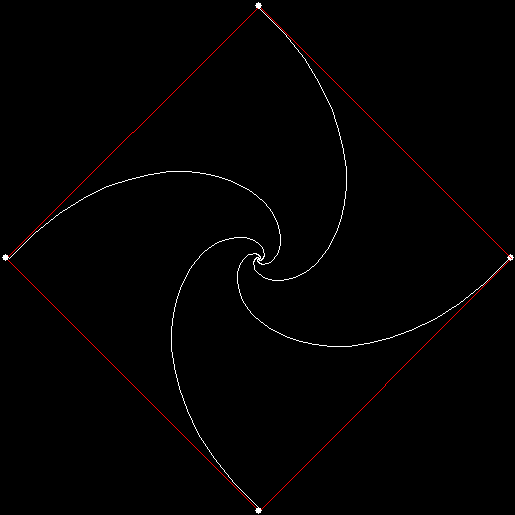
vertices = 4, mouse-increment = 1

v = 4, mi = 1 (animated)
As I showed in “Persecution Complex”, it’s easy to find variants on the basic pursuit curve. If mi = 2, i.e. each mouse runs towards the mouse two places away, the mice will run in straight lines direct to the centre of the square:
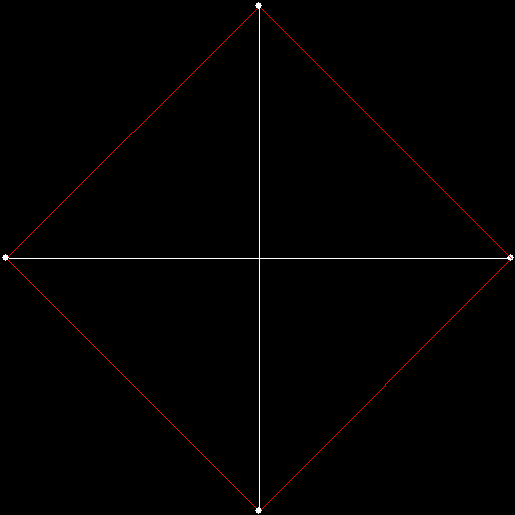
v = 4, mi = 2

v = 4, mi = 2 (animated)
That variant is trivial, but suppose there are eight mice, four starting on the corners of the square and four starting on the midpoints of the sides. Mice starting on the corners will run different pursuit curves to those starting on the midpoints, because the corners are further from the centre than the midpoints are:
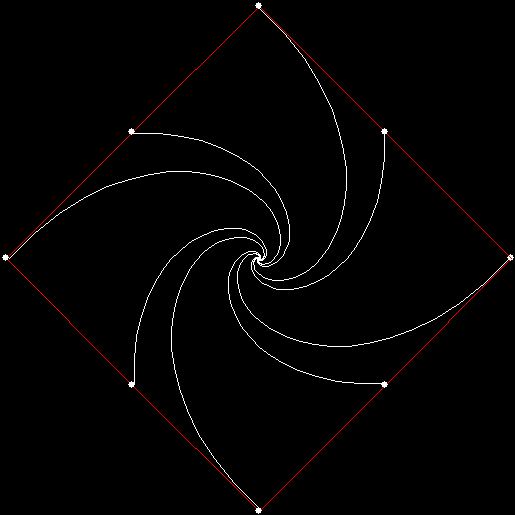
v = 4, si = 1, mi = 1
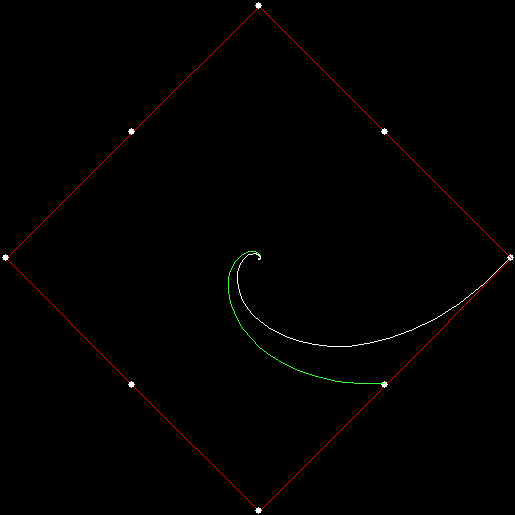
If mi = 3, the pursuit curves look like this:
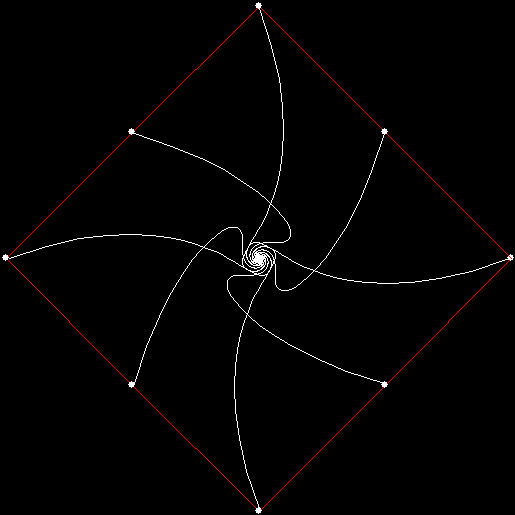
v = 4, si = 1, mi = 3
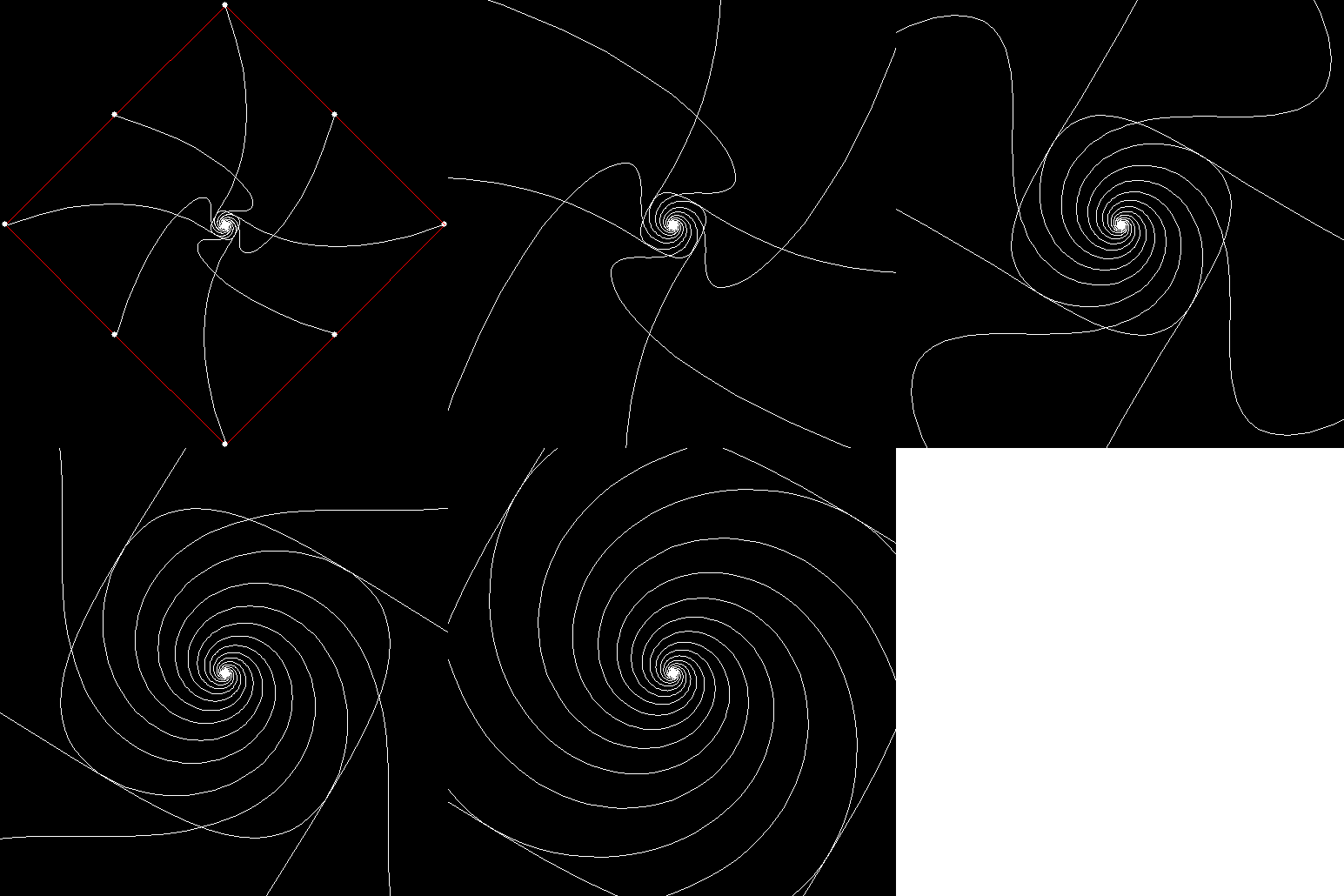
v = 4, si = 1, mi = 3 (animated)
Suppose there are twelve mice, four on each corner and two more on each side. If each mouse runs towards the mouse four places away, then the pursuit curves don’t all meet in the centre of the square. Instead, they meet in groups of three at four points equidistant from the centre, like this:

v = 4, si = 2, mi = 4
v = 4, si = 2, mi = 4 (animated)

v = 4, si = 4, mi = 4 (animated)
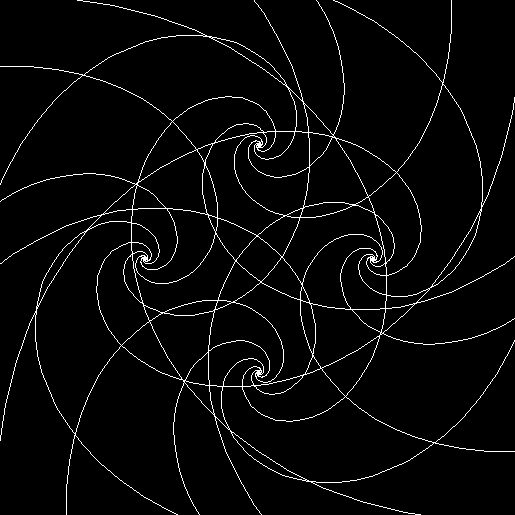
v = 4, si = 4, mi = 4 (zoom)
Now suppose each mouse become sophisticated and runs toward the combined positions of two other mice, one two places away, the other three places away, like this:

v = 4, si = 1, mi = (2, 3)

v = 4, si = 1, mi = (2, 3) (animated)
These polypursuits, as they could be called, can have complicated central regions:
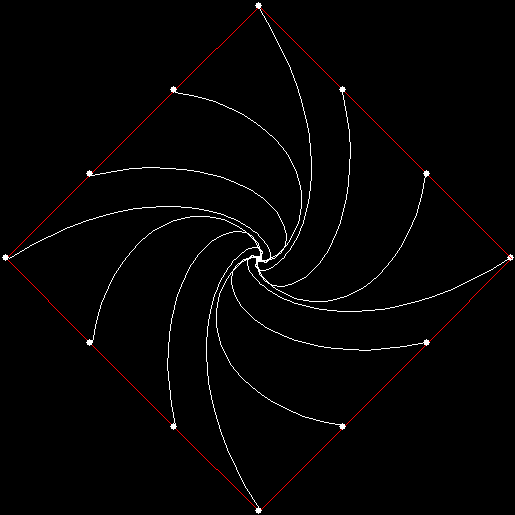
v = 4, si = 2, mi = (1, 4)

v = 4, si = 2, mi = (1, 4) (animated)

v = 4, si = various, mi = various
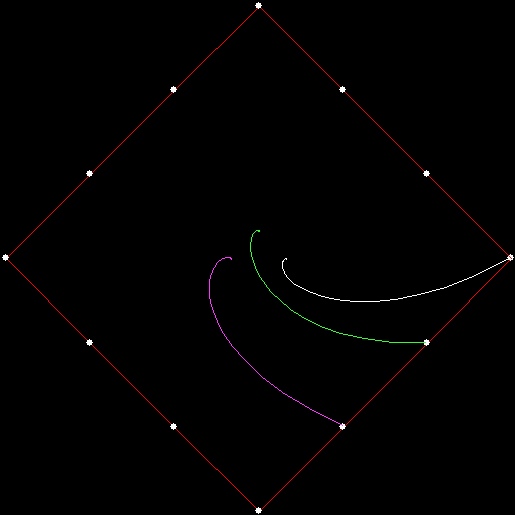
And what if you have two teams of mice, running towards one or more mice on the other team? For example, suppose two mice, one from each team, start on each corner of a square. Each mouse on team 1 runs towards the mouse on team 2 that is one place away, while each mouse on team 2 runs towards the mouse on team 1 that is two places away. If the pursuits curves of team 1 are represented in white and the pursuit curves of team 2 in green, the curves look like this:
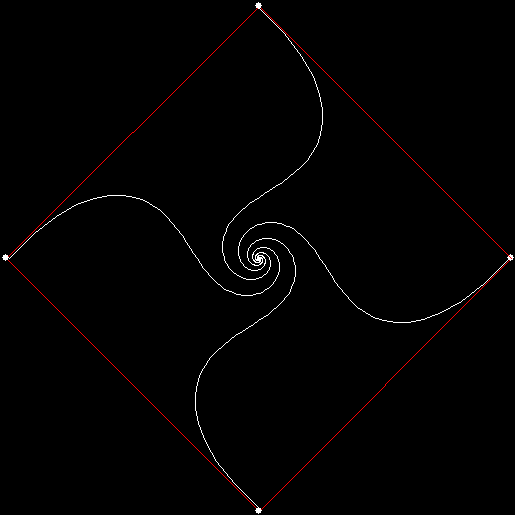
v = 4 * 2, vmi = 1, vmi = 2
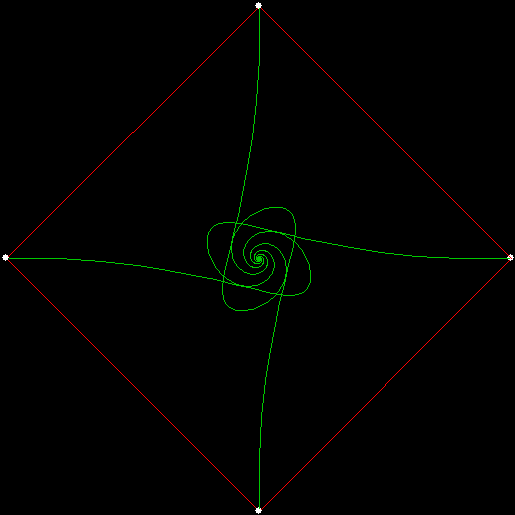
v = 4 * 2, vmi = 1, vmi = 2

v = 4 * 2, vmi = 1, vmi = 2 (animated)
Now suppose the four mice of team 1 start on the corners while the mice of team 2 start at the centre of the square.
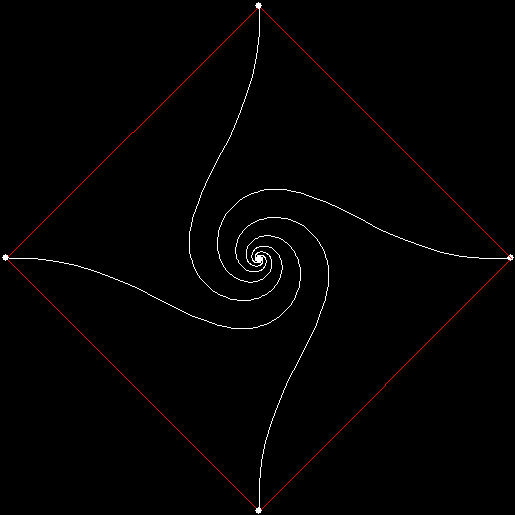
v = 4, centre = 4, vmi = 1, cmi = 2 (white team)

v = 4, centre = 4, vmi = 1, cmi = 2 (green team)

v = 4, centre = 4, vmi = 1, cmi = 2 (both teams)

v = 4, centre = 4, vmi = 1, cmi = 2 (animated)
Here are more variants on pursuit curves formed by two teams of mice, one starting on the corners, one at the centre:
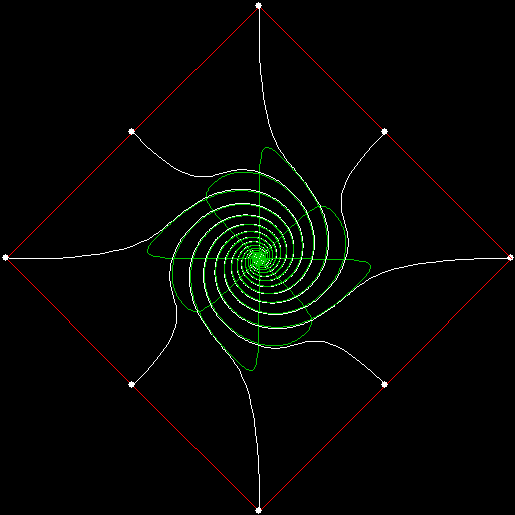
v = 4, centre = 4, vmi = (0, 1), cmi = 0

v = 4, centre = 4, vmi = (0, 2), cmi = 0

v = 4, centre = 4, vmi = (0, 3), cmi = 0

The blancmange curve is an interesting fractal formed by summing a series of zigzags. It
takes its name from its resemblance to the milk-pudding known as a blancmange
(blanc-manger in French, meaning “white eating”):

Blancmange curve
In successive zigzags, the number of zags doubles as their height halves, i.e. z(i) = z(i-1) * 2, h(i) = h(i-1) / 2. If all the zigzags are represented at once, the construction looks like this:
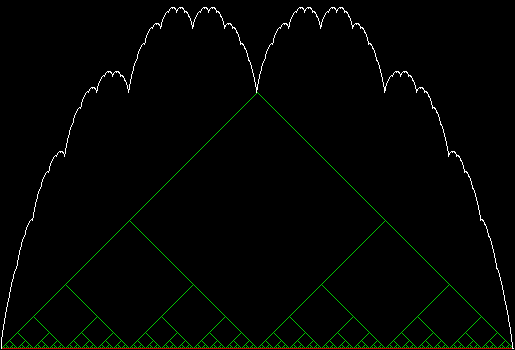
Zigzags 1 to 10

Zigzags 1 to 10 (animated)
Here is a step-by-step construction, with the total sum of zigzags in white, the present zigzag in red and the previous zigzag in green:

Blancmange curve stage 1

Stage 2
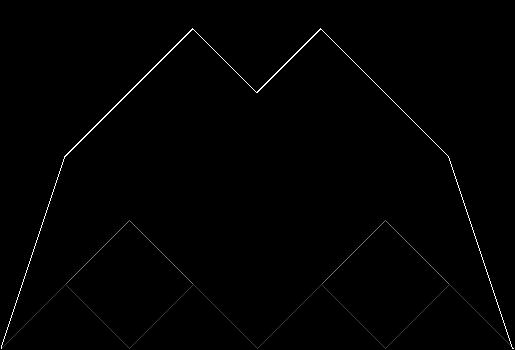
Stage 3
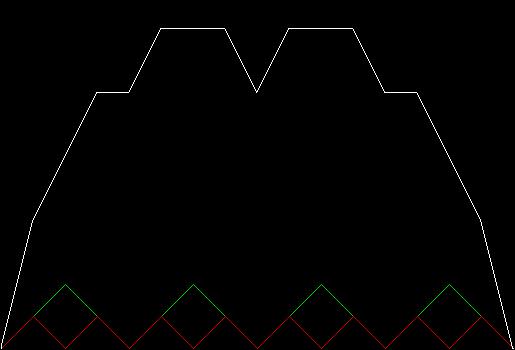
Stage 4
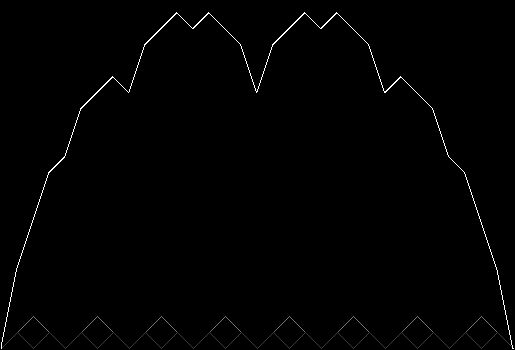
Stage 5

Stage 6
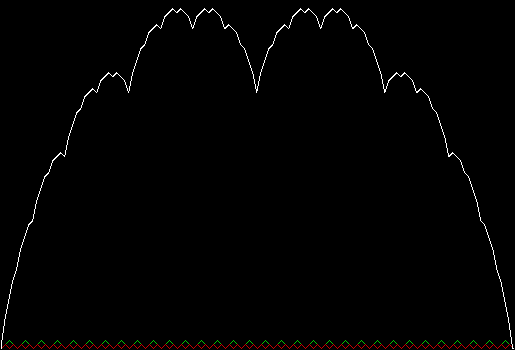
Stage 7

Stage 8

Stage 9
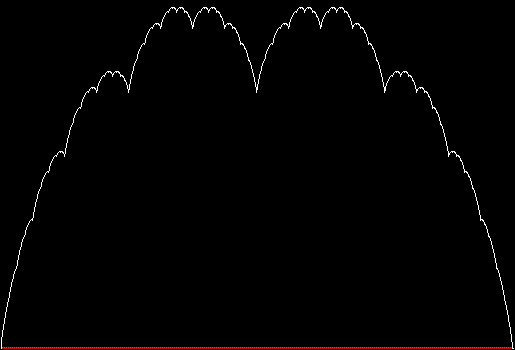
Stage 10

Blancmange curve (animated)
It’s easy to think of variants on the standard blancmange curve. Suppose the number of zags triples as their height is divided by three, i.e. z(i) = z(i-1) * 3, h(i) = h(i-1) / 3:
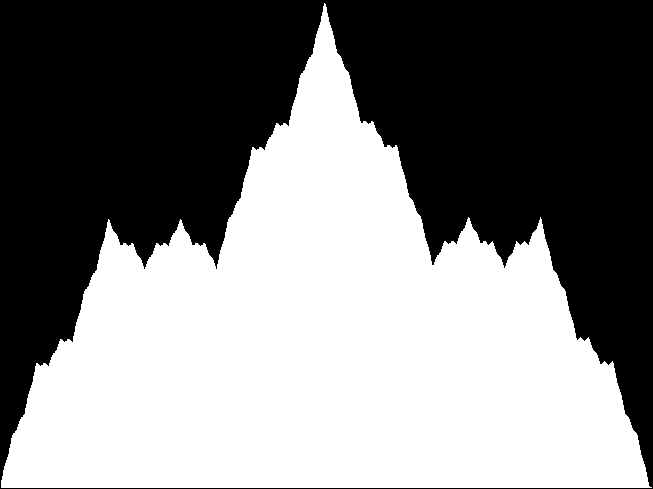
Blancmange curve for z(i) = z(i-1) * 3, h(i) = h(i-1) / 3
Continue reading “White Rites”…
An heretical Guardianista keyly critiquizes a core component of Guardianese:
I recently considered nominating for a board position on a professional association to which I belong, so I had a look at the biographical statements of the incumbents. One claimed to be “passionate about helping individuals, businesses, and communities thrive”, another declared “a particular passion for thought leadership and executive profiling”, and another revealed “a passion for social inclusion”. Yet another claimed “a passion about creating valuable career development opportunities for the profession”. The best was the one that stated, without irony, “a passion for working on meaningful projects”.
In days gone by, job applicants listed hobbies. These days, it appears candidates are expected to declare, not merely interests or things they like doing, but things they are allegedly passionate about. — Being enthusiastic is no longer enough. Now we must all be passionate, Paul Begley, The Guardian, 13/vii/2016.
Elsewhere other-engageable:
• Ex-term-in-ate!
• Reds under the Thread
• Titus Graun — Heresy, Homotextuality, Hive-Mind
• Oh My Guardian
 Overlord In Terms of Core Issues Around Maximal Engagement with Key Notions of the Über-Feral