
Cultural gayness has a fraught history in pop culture. Ever since Aids began to pick off members of the queer cultural elite in the 80s, femininity and queer signifiers (ahem, like glitter) became red flags for disease and moral corruption. The tabloid media systematically crucified gay people, using these feminine signifiers as tracking beacons. Closeting oneself and cloaking one’s femininity became a matter of survival, and not just for celebrities. — Claiming Shawn Mendes is queer is an own goal for gay men, Brian O’Flynn, The Guardian, 28xi2018.
Author Archives: Krilling for Company
This Charming Dis-Arming
One of the charms of living in an old town or city is finding new routes to familiar places. It’s also one of the charms of maths. Suppose a three-armed star sprouts three half-sized arms from the end of each of its three arms. And then sprouts three quarter-sized arms from the end of each of its nine new arms. And so on. This is what happens:

Three-armed star
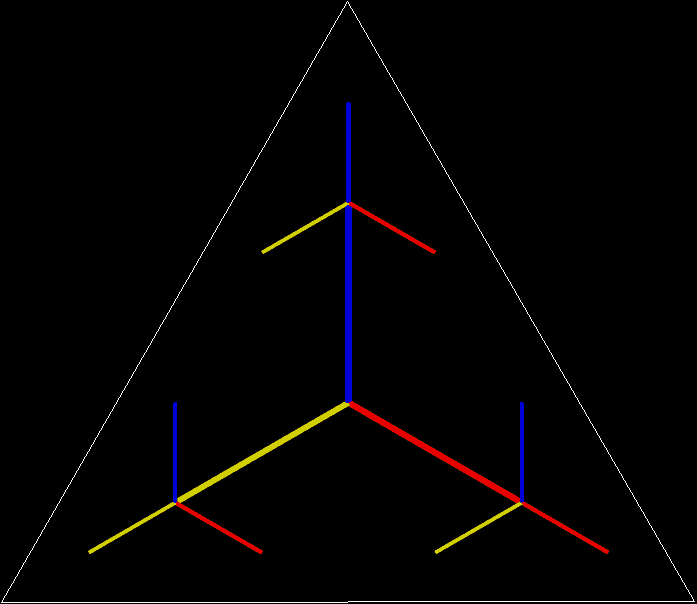
3-Star sprouts more arms

Sprouting 3-Star #3
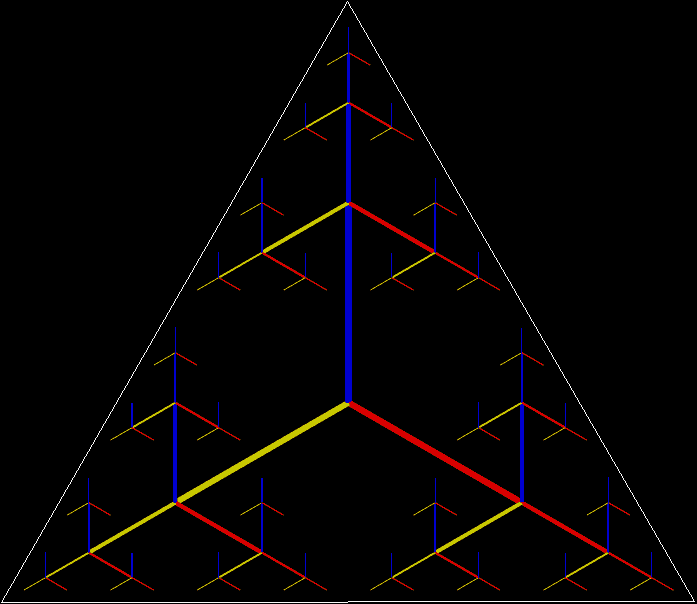
Sprouting 3-Star #4
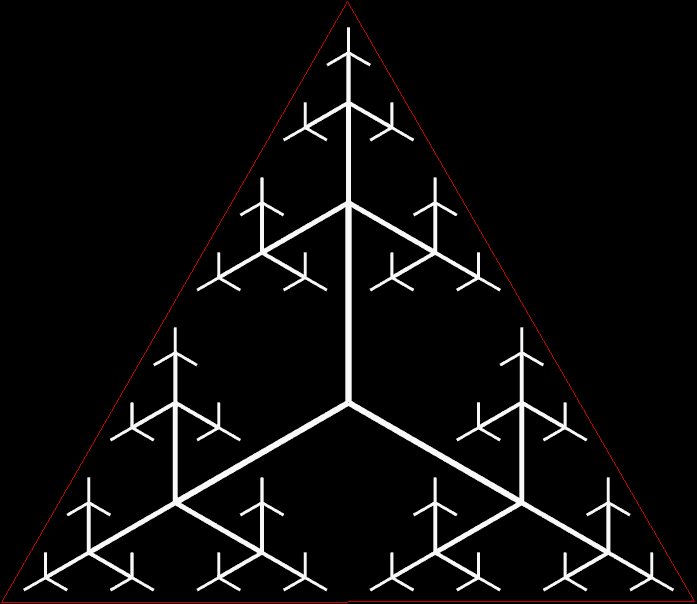
Sprouting 3-Star #5
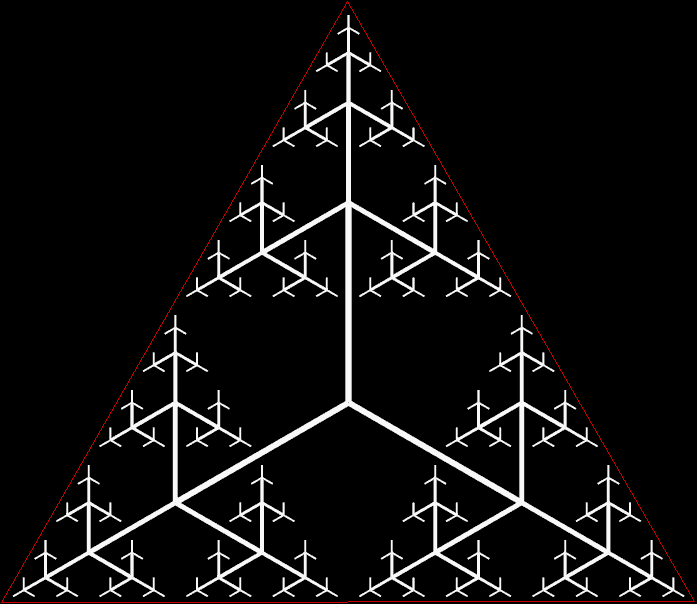
Sprouting 3-Star #6

Sprouting 3-Star #7
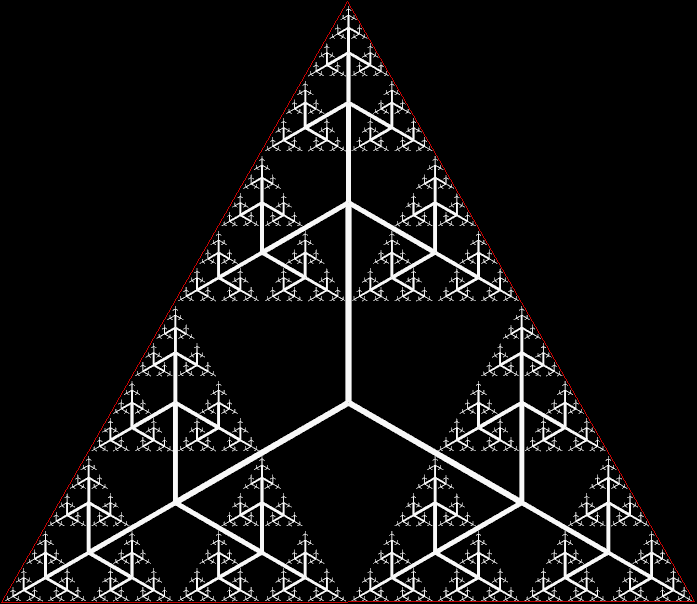
Sprouting 3-Star #8

Sprouting 3-Star #9
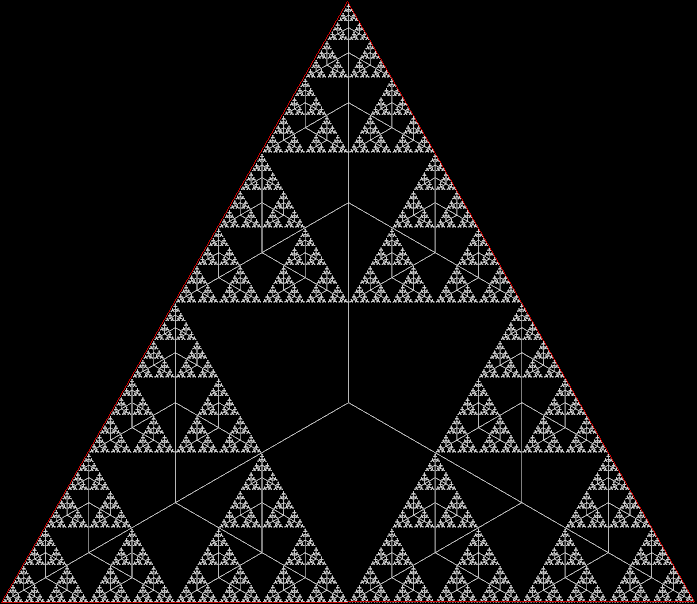
Sprouting 3-Star #10

Sprouting 3-Star #11 — the Sierpiński triangle
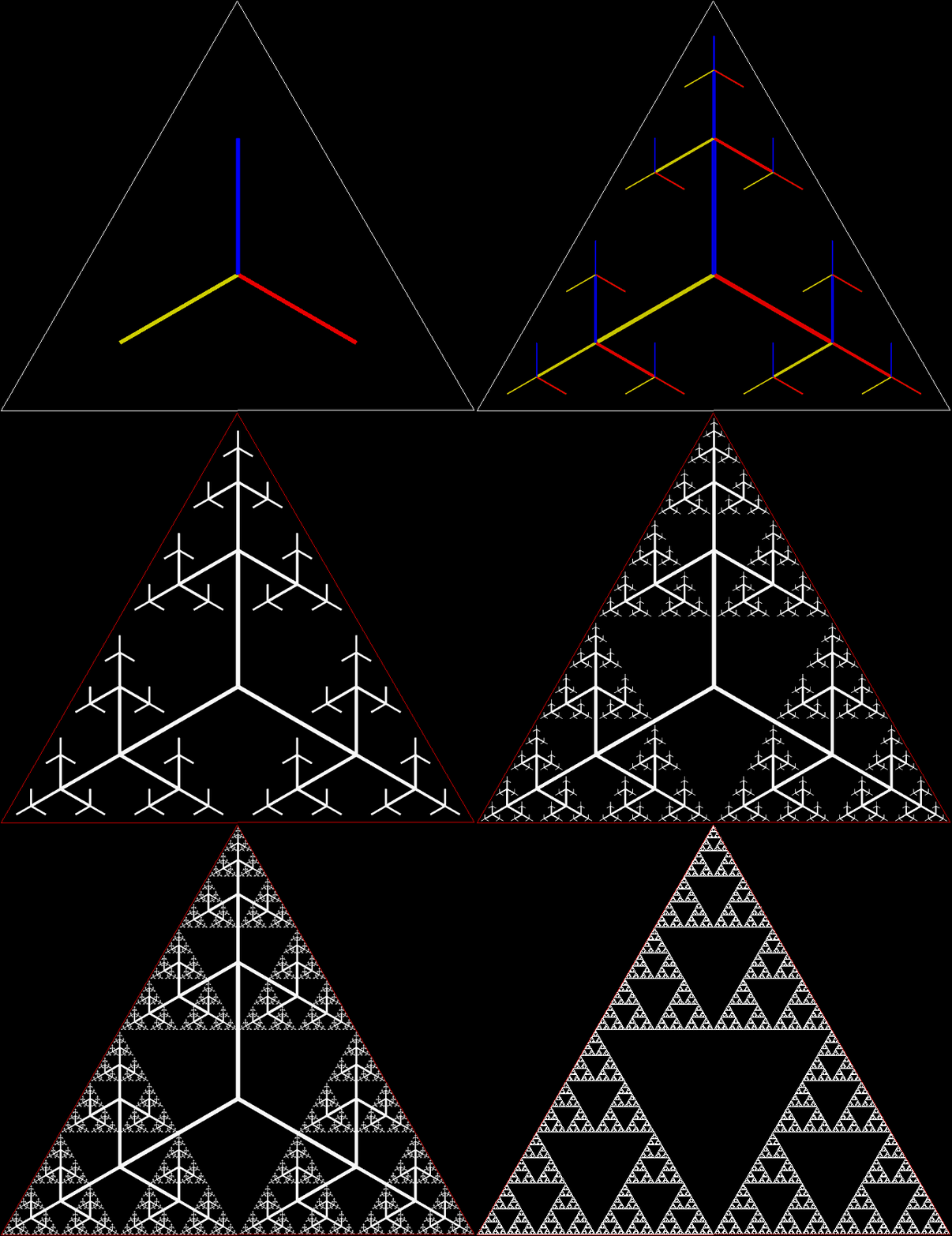
Sprouting 3-star (animated)
The final stage is a famous fractal called the Sierpiński triangle — the sprouting 3-star is a new route to a familiar place. But what happens when you trying sprouting a four-armed star in the same way? This does:

Four-armed star #1
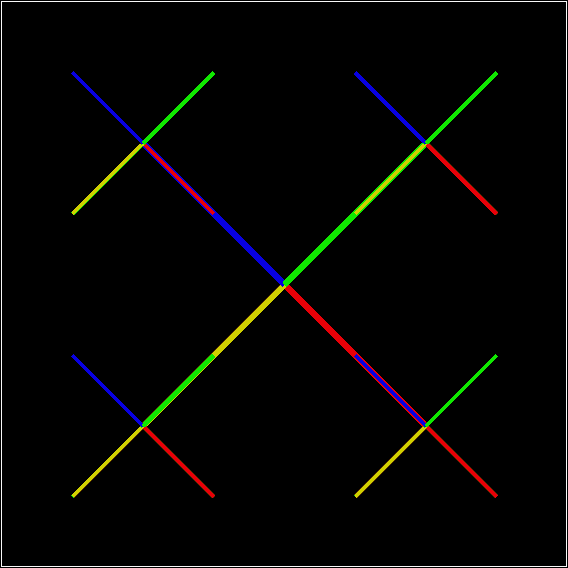
Sprouting 4-Star #2
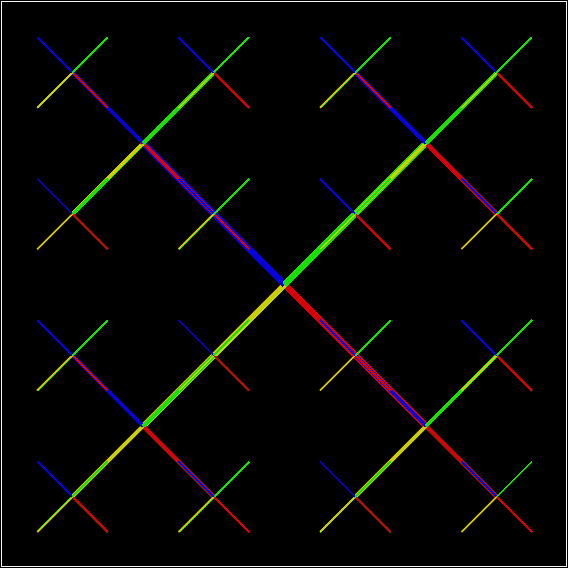
Sprouting 4-Star #3

Sprouting 4-Star #4
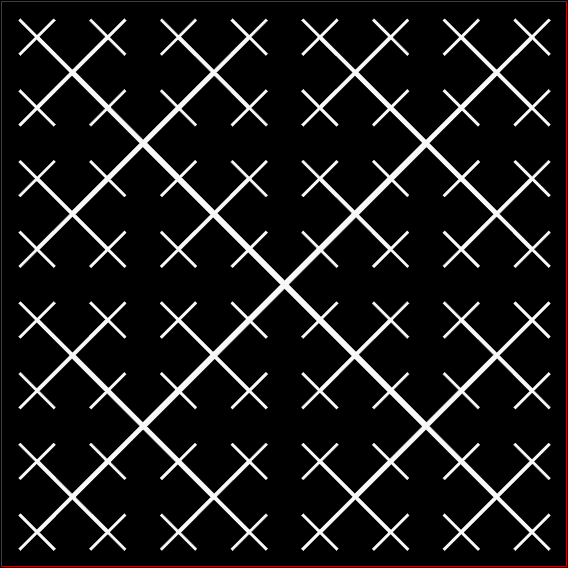
Sprouting 4-Star #5

Sprouting 4-Star #6
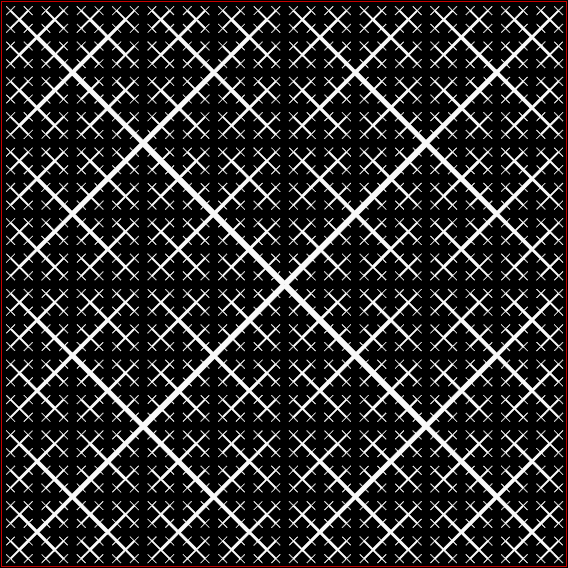
Sprouting 4-Star #7

Sprouting 4-Star #8

Sprouting 4-Star #9
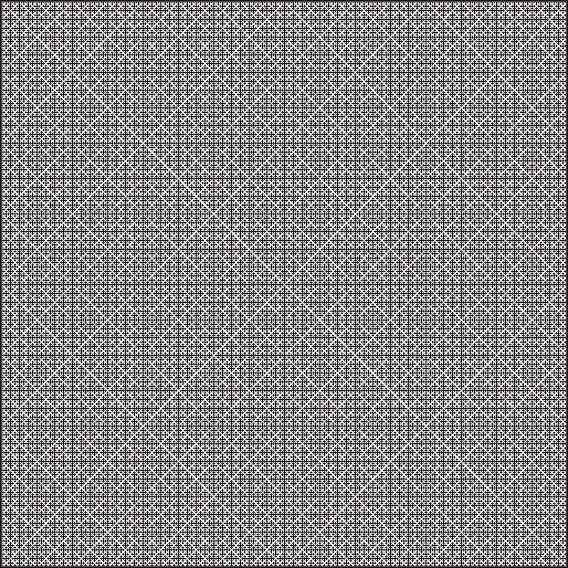
Sprouting 4-Star #10
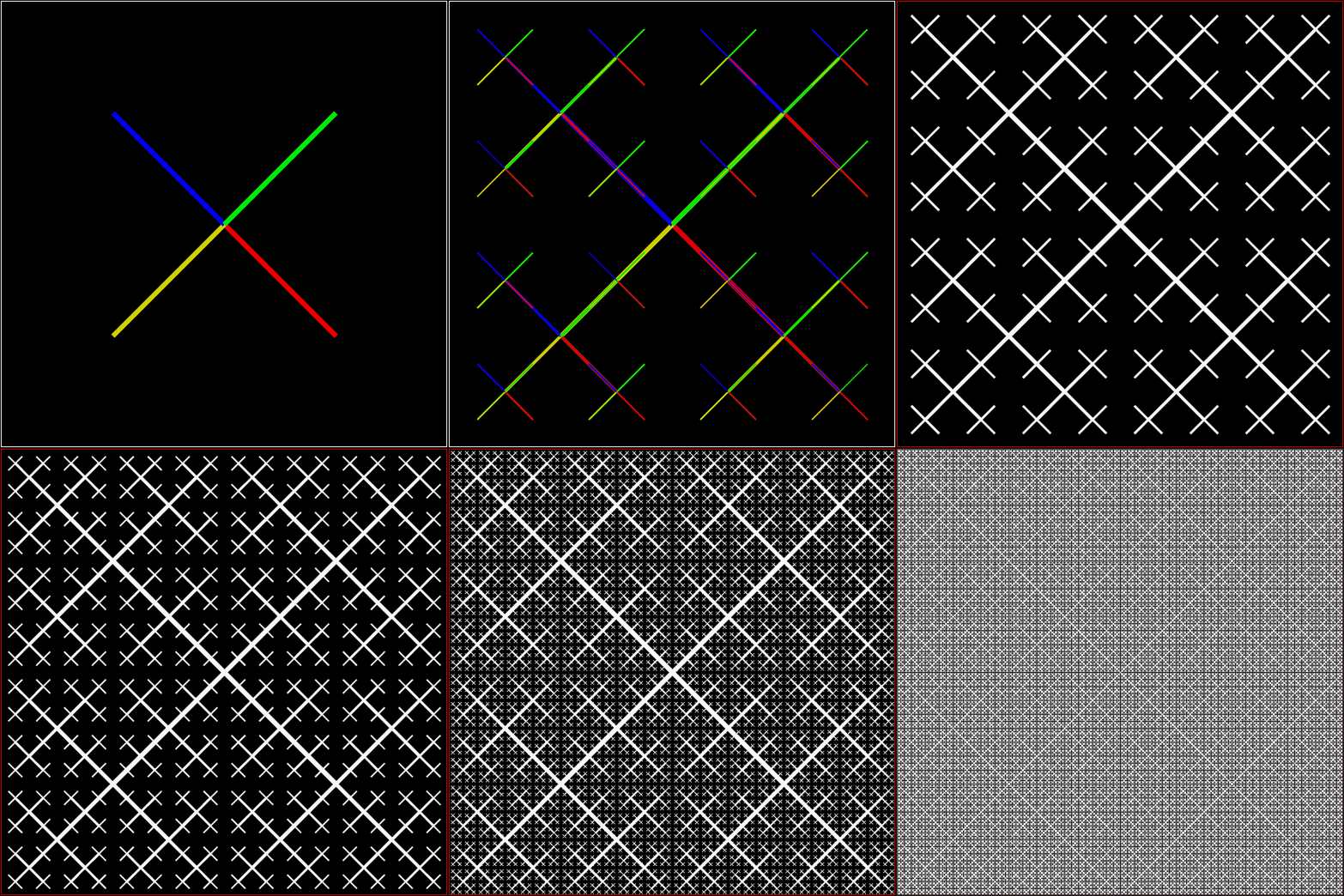
Sprouting 4-star (animated)
There’s no obvious fractal with a sprouting 4-star. Not unless you dis-arm the 4-star in some way. For example, you can ban any new arm sprouting in the same direction as the previous arm:

Dis-armed 4-star (+0) #1
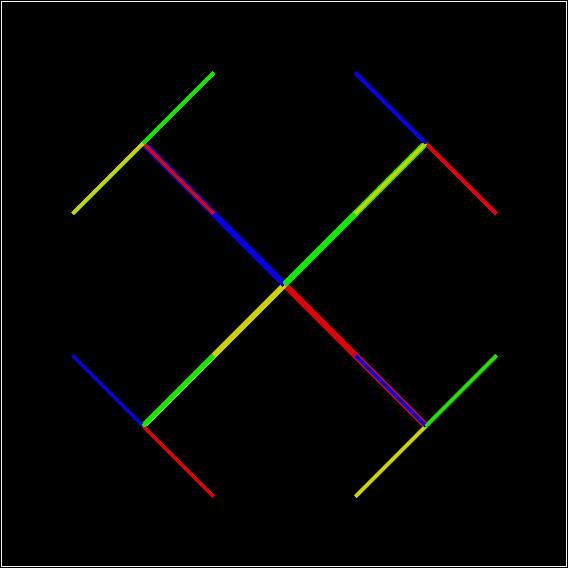
Dis-armed 4-Star (+0) #2
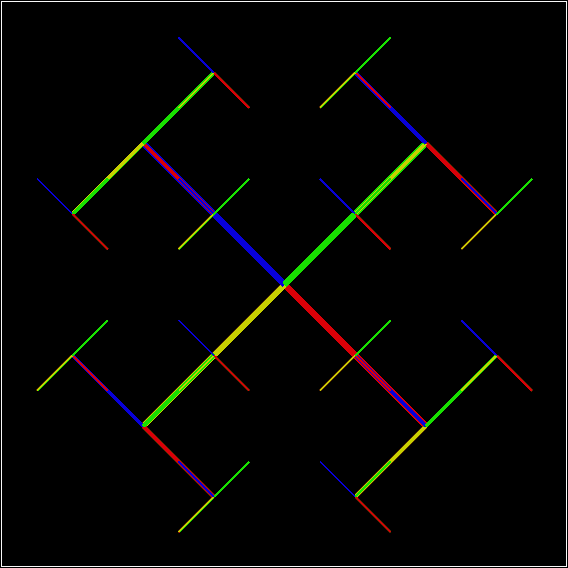
Dis-armed 4-Star (+0) #3
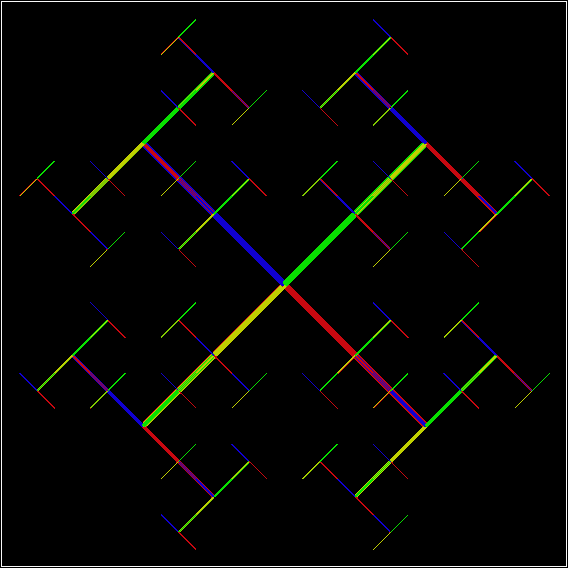
Dis-armed 4-Star (+0) #4
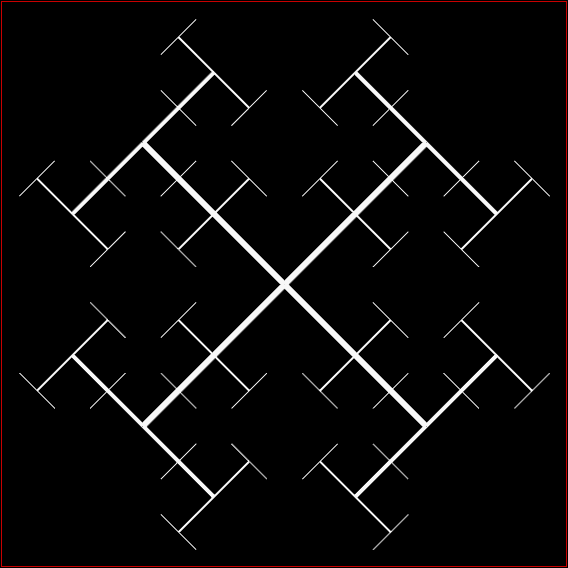
Dis-armed 4-Star (+0) #5
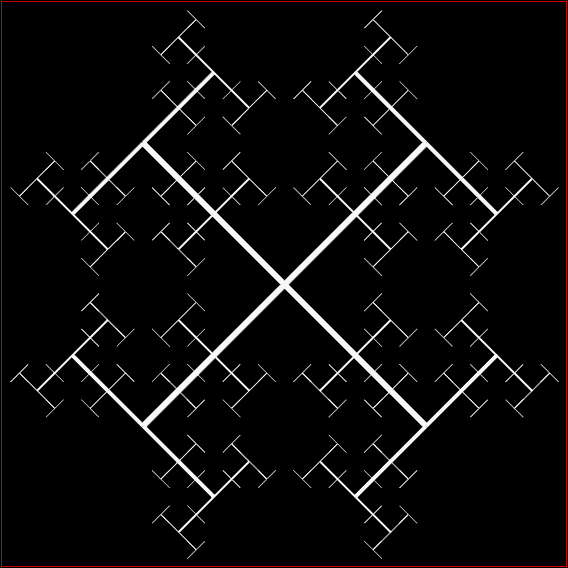
Dis-armed 4-Star (+0) #6
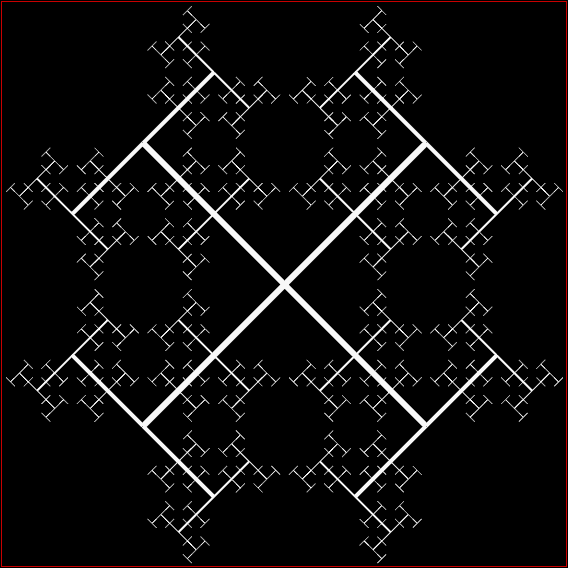
Dis-armed 4-Star (+0) #7

Dis-armed 4-Star (+0) #8
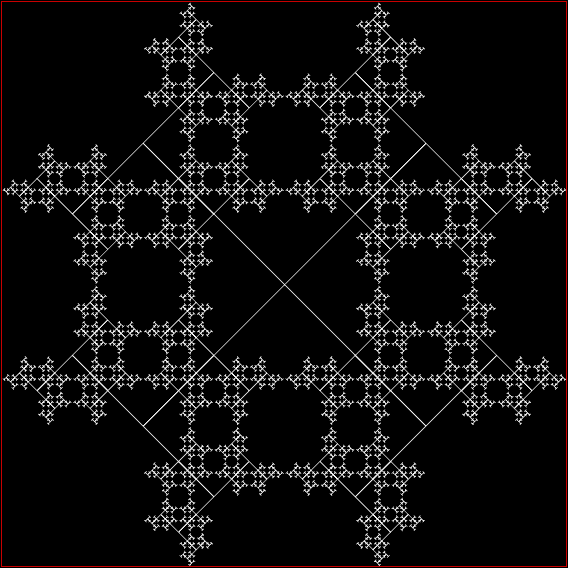
Dis-armed 4-Star (+0) #9
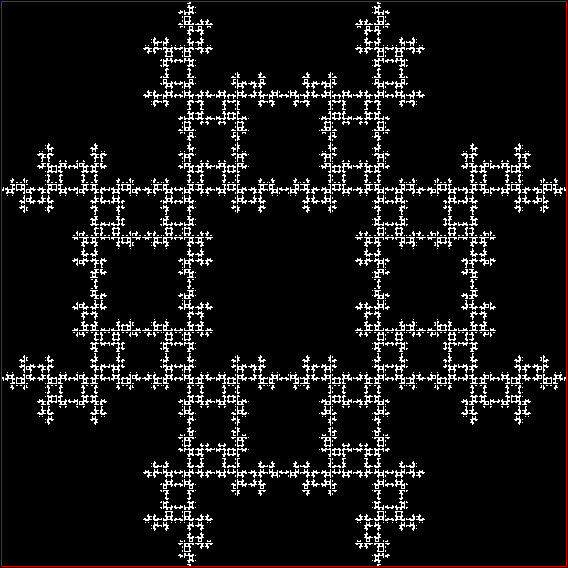
Dis-armed 4-Star (+0) #10
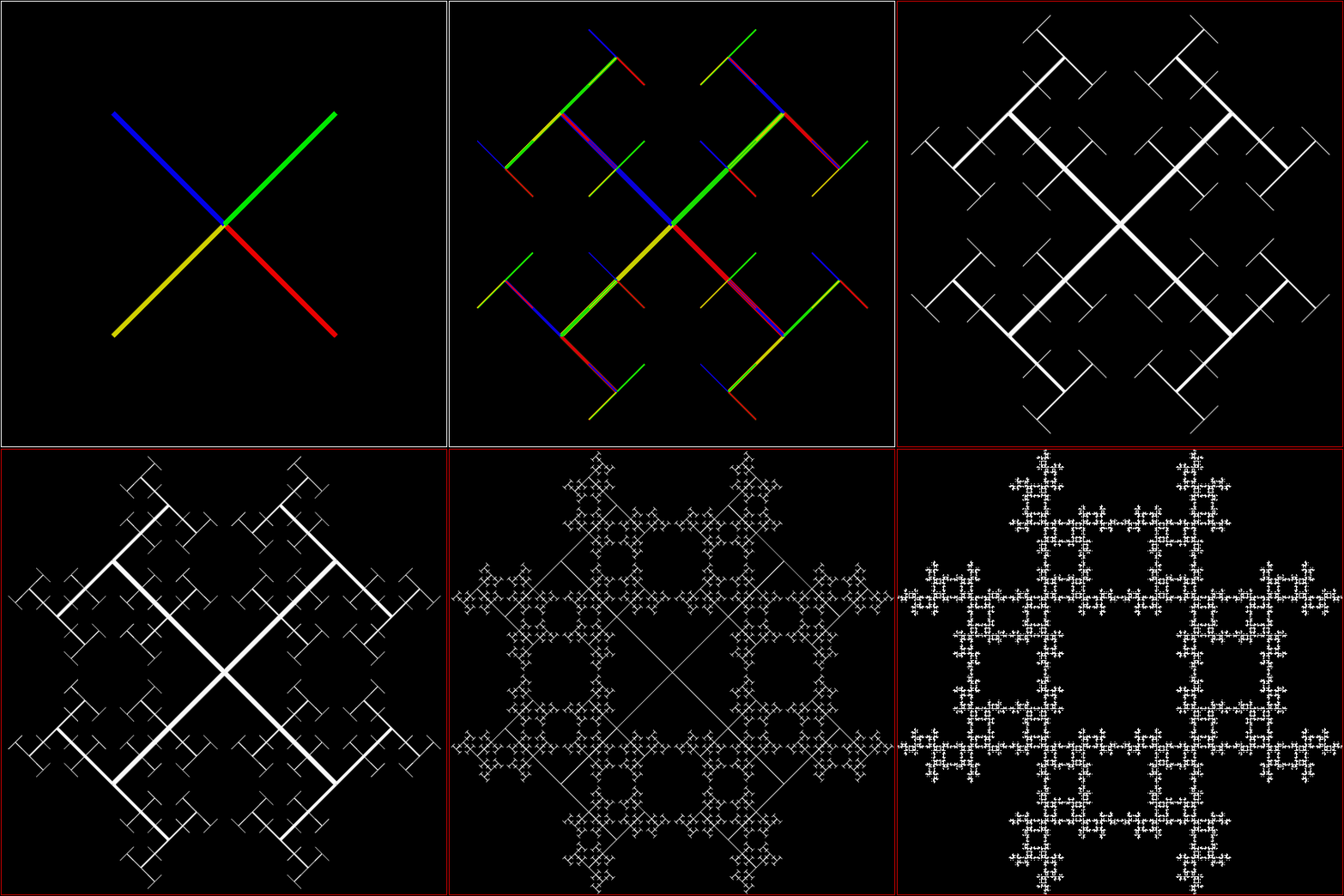
Dis-armed 4-star (+0) (animated)
Once again, it’s a new route to a familiar place (for keyly committed core components of the Overlord-of-the-Über-Feral community, anyway). Now try banning an arm sprouting one place clockwise of the previous arm:
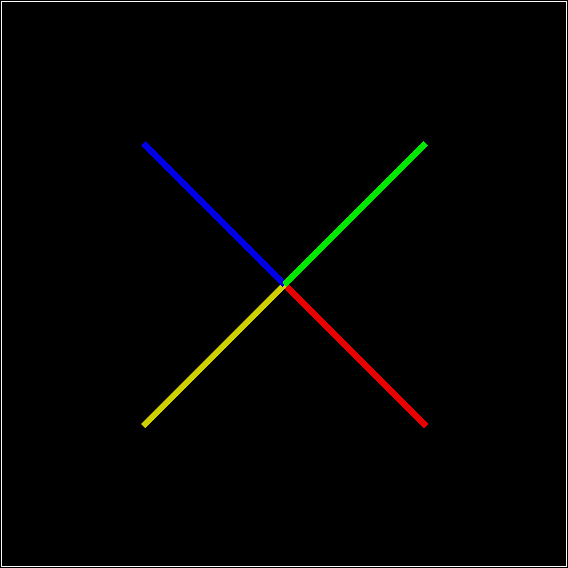
Dis-armed 4-Star (+1) #1

Dis-armed 4-Star (+1) #2
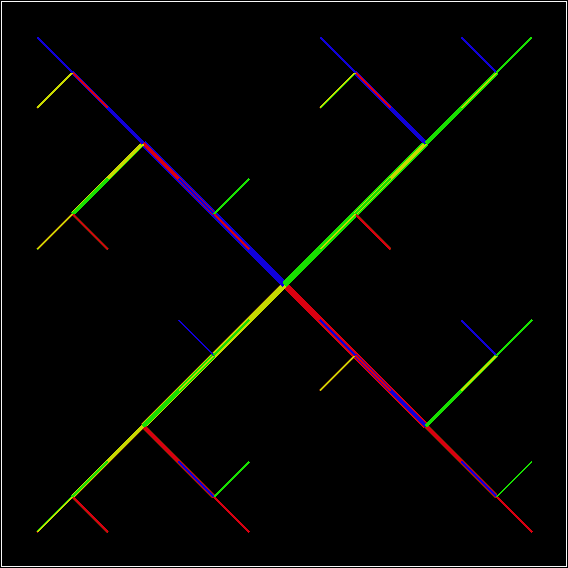
Dis-armed 4-Star (+1) #3
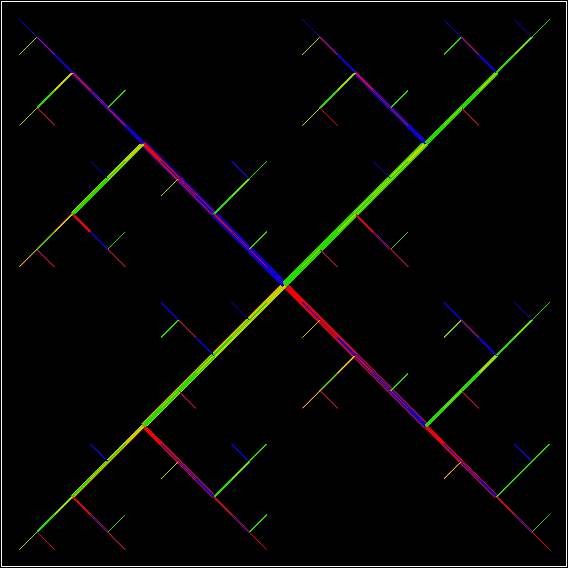
Dis-armed 4-Star (+1) #4
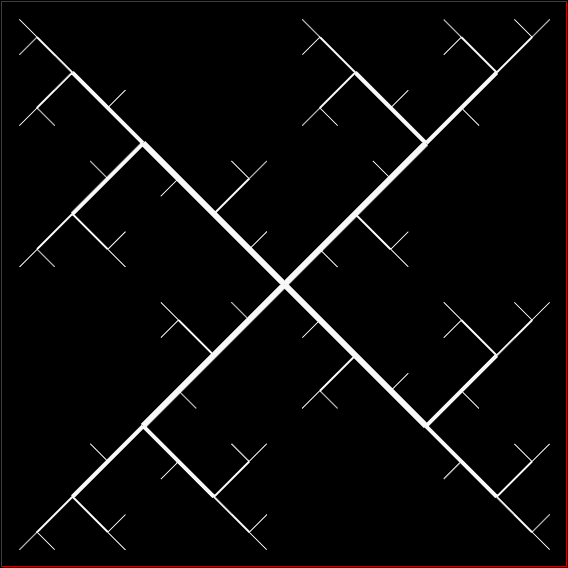
Dis-armed 4-Star (+1) #5
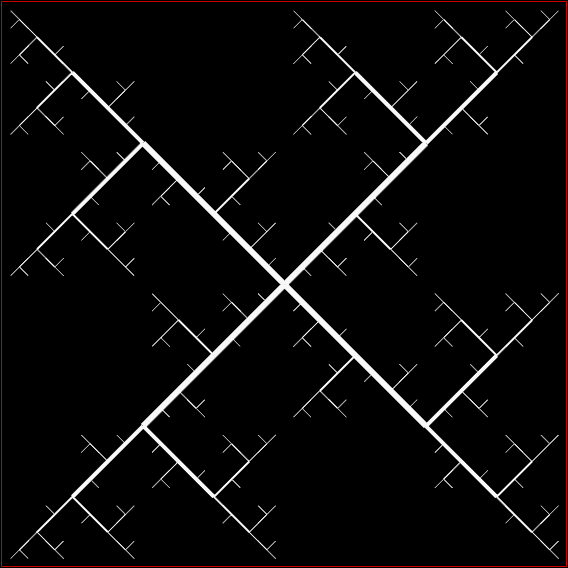
Dis-armed 4-Star (+1) #6
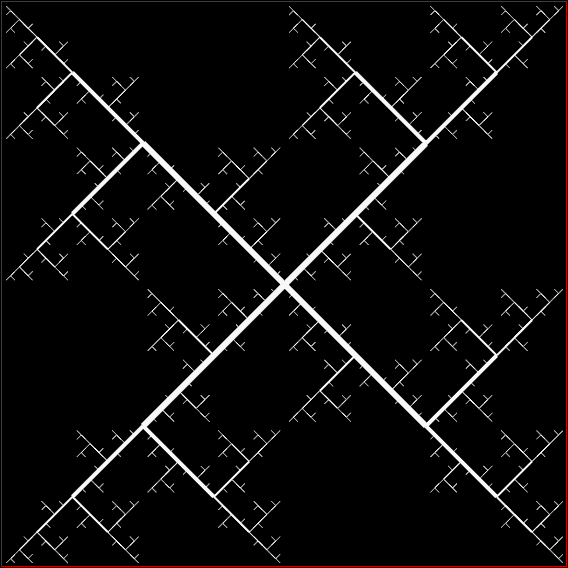
Dis-armed 4-Star (+1) #7

Dis-armed 4-Star (+1) #8

Dis-armed 4-Star (+1) #9

Dis-armed 4-Star (+1) #10
Dis-armed 4-Star (+1) (animated)
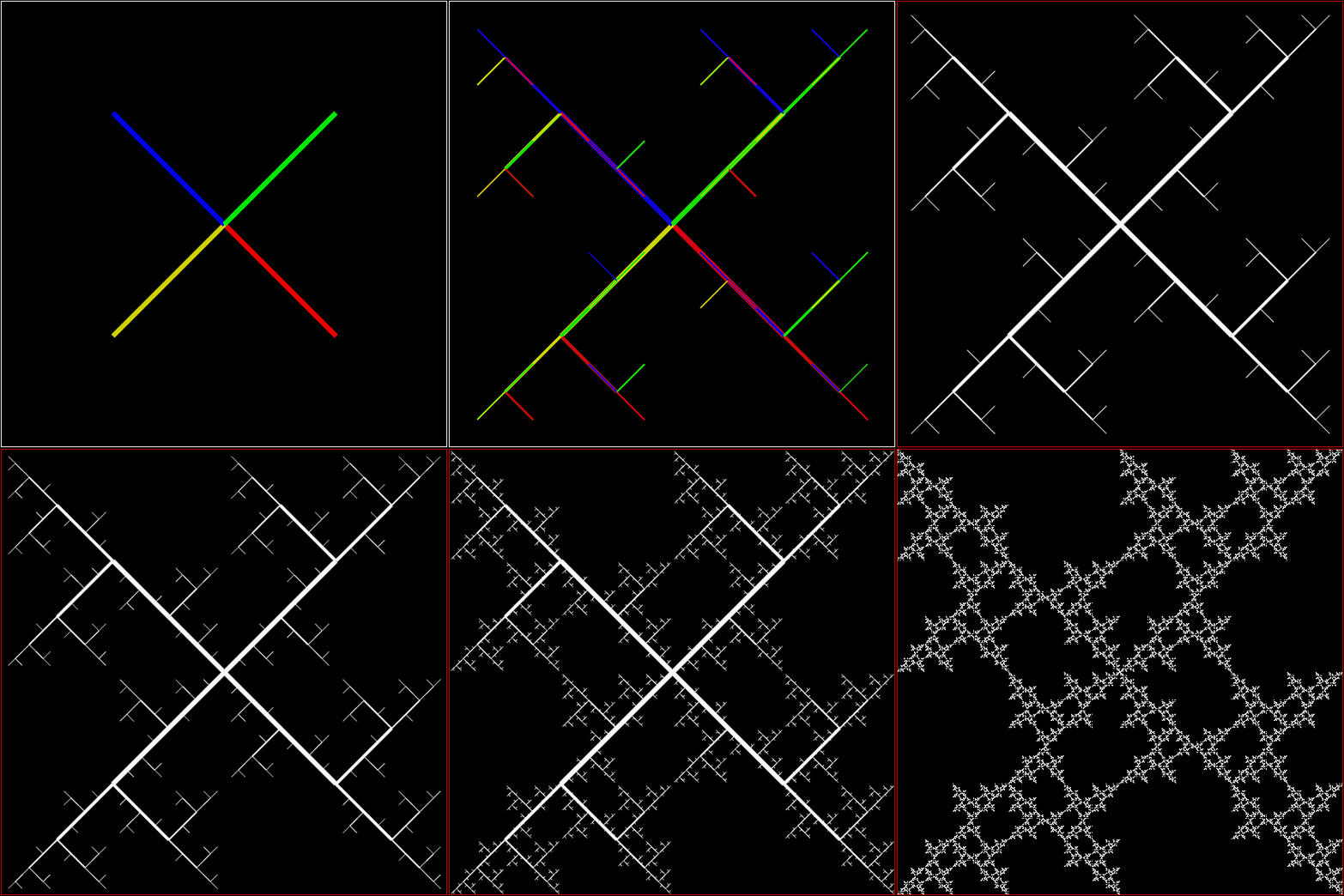
Again it’s a new route to a familiar place. Now trying banning an arm sprouting two places clockwise (or anti-clockwise) of the previous arm:
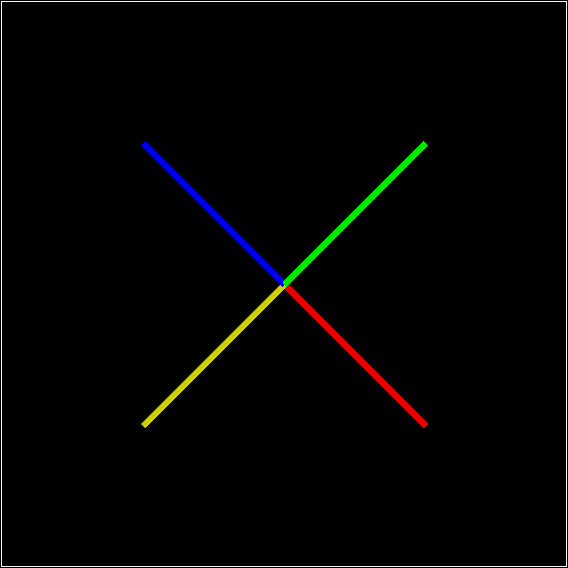
Dis-armed 4-Star (+2) #1

Dis-armed 4-Star (+2) #2

Dis-armed 4-Star (+2) #3
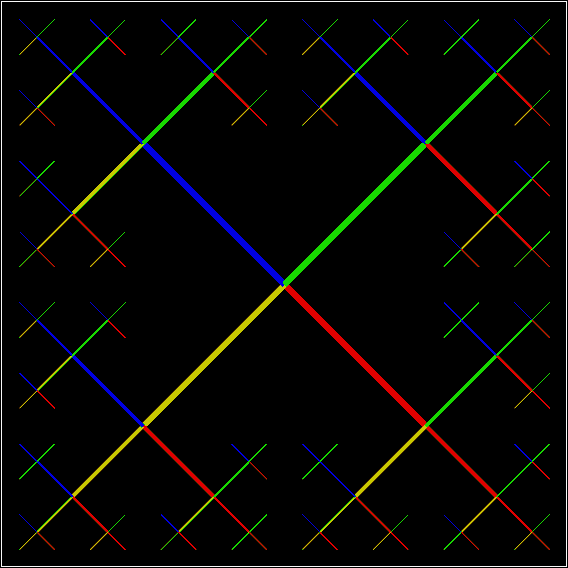
Dis-armed 4-Star (+2) #4
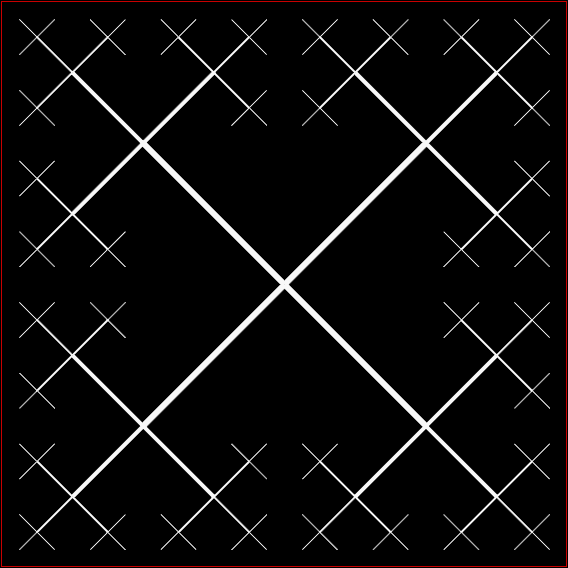
Dis-armed 4-Star (+2) #5

Dis-armed 4-Star (+2) #6

Dis-armed 4-Star (+2) #7

Dis-armed 4-Star (+2) #8

Dis-armed 4-Star (+2) #9
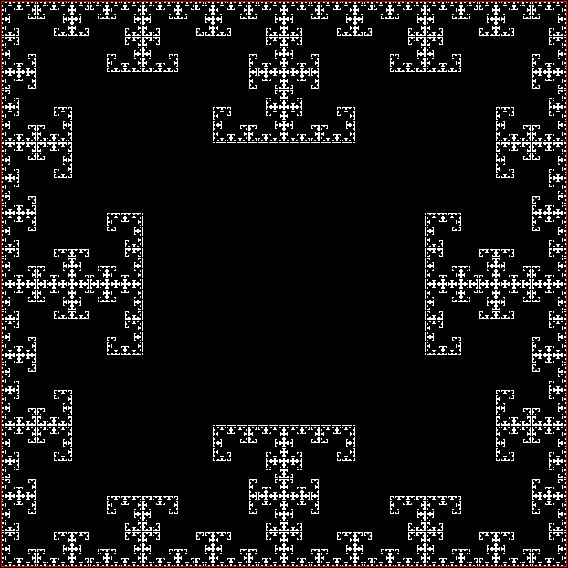
Dis-armed 4-Star (+2) #10
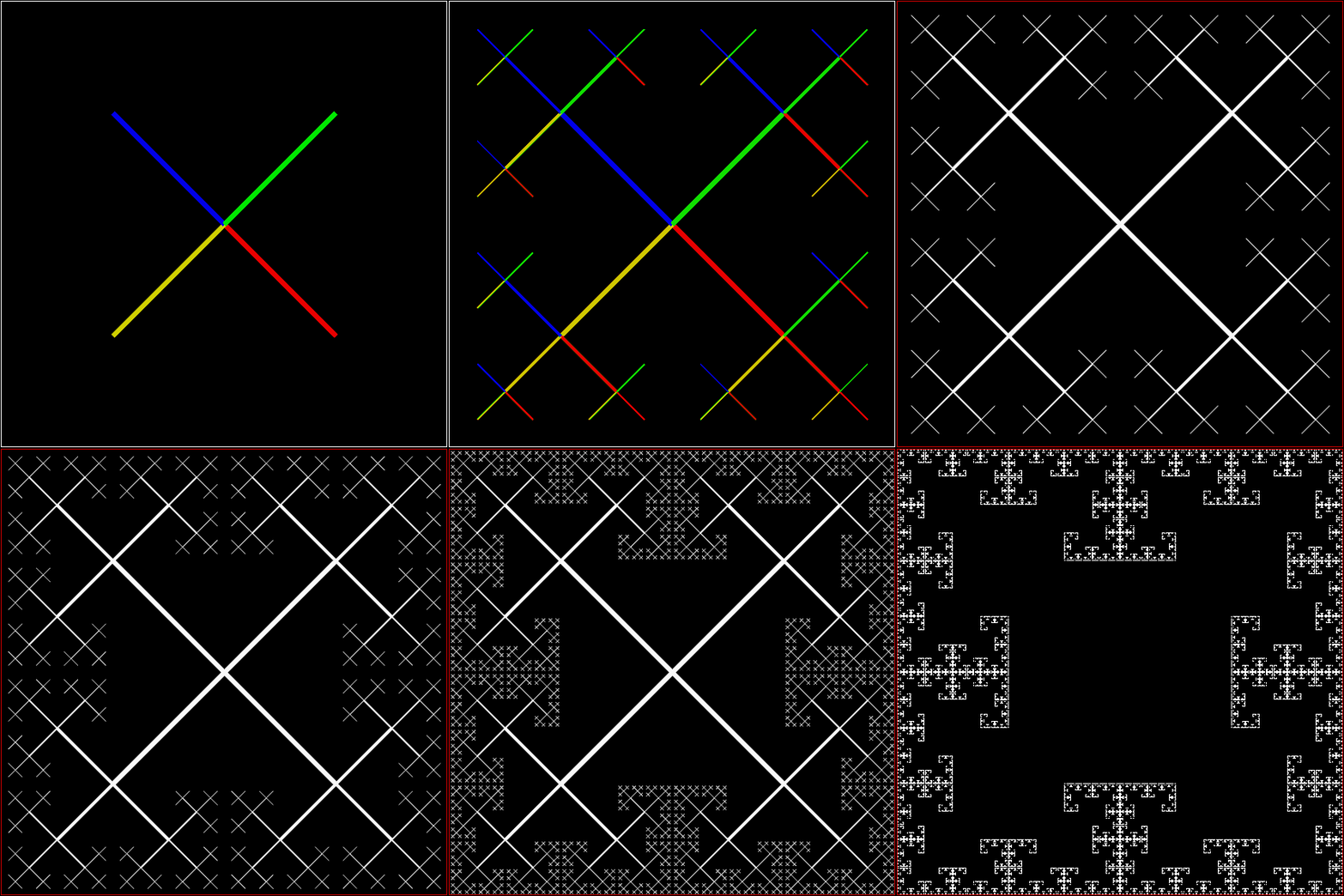
Dis-armed 4-Star (+2) (animated)
Once again it’s a new route to a familiar place. And what happens if you ban an arm sprouting three places clockwise (or one place anti-clockwise) of the previous arm? You get a mirror image of the Dis-armed 4-Star (+1):

Dis-armed 4-Star (+3)
Here’s the Dis-armed 4-Star (+1) for comparison:
Dis-armed 4-Star (+1)
Elsewhere other-accessible
• Boole(b)an #2 — other routes to the fractals seen above
Freeze Please Me
“Ich habe unter meinen Papieren ein Blatt gefunden,” sagte Goethe, “wo ich die Baukunst eine erstarrte Musik nenne.” — Gespräche mit Goethe, Johann Peter Eckermann (1836)
• “I have found a sheet among my papers,” said Goethe, “where I call architecture a frozen music.” — Conversations with Goethe
N.B. The aphorism “Architecture is frozen music” has also sometimes been attributed to Friedrich von Schelling (1775-1854) and Ganopati Sthapat (1927-2011).
Peri-Performative Post-Scriptum
The toxic title of this paronomastic post is a key reference to core Beatles album Please Please Me (1963).
Boole(b)an #2
In “Boole(b)an”, I looked at some of the things that happen when you impose bans of different kinds on a point jumping half-way towards a randomly chosen vertex of a square. If the point can’t jump towards the same vertex twice (or more) in a row, you get the fractal below (or rather, you get a messier version of the fractal below, because I’ve used an algorithm that finds all possible routes to create the fractals in this post):

ban = v(i) + 0
If the point can’t jump towards the vertex one place clockwise of the point it has just jumped towards, you get this fractal:
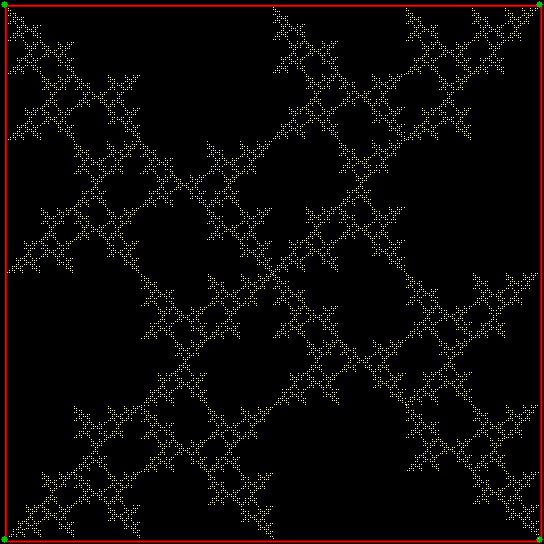
ban = v(i) + 1
If the point can’t jump towards the vertex two places clockwise (or anti-clockwise) of the point it has just jumped towards, you get this fractal:
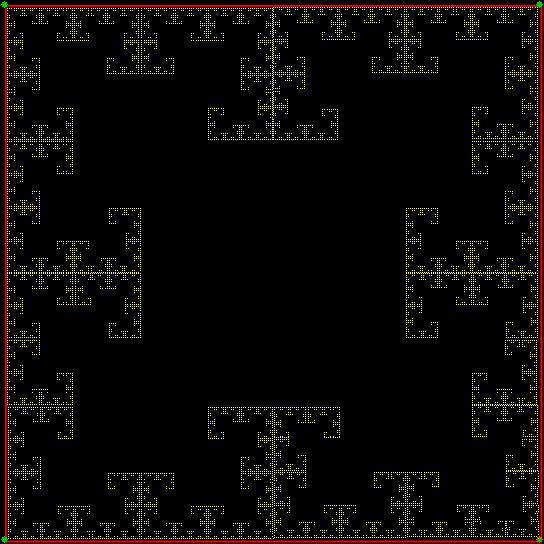
ban = v(i) + 2
Finally, you get a mirror-image of the one-place-clockwise fractal when the ban is on jumping towards the vertex three places clockwise (or one place anti-clockwise) of the previous vertex:

ban = v(i) + 3
Now let’s introduce the concept of “vertex-history”. The four fractals above use a vertex-history of 1, vh = 1, because they look one step into the past, at the previously chosen vertex. Because there are four vertices, there are four possible previous vertices. But when vh = 2, you’re taking account of both the previous vertex, v(i), and what you might call the pre-previous vertex, v(i-1). There are sixteen possible combinations of previous vertex and pre-previous vertex (16 = 4 x 4).
Now, suppose the jump-ban is imposed when one of two conditions is met: the vertex is 1) one place clockwise of the previous vertex and the same as the pre-previous vertex; 2) three places clockwise of the previous chosen vertex and the same as the pre-previous vertex. So the boolean test is (condition(1) AND condition(2)) OR (condition(3) AND condition(4)). When you apply the test, you get this fractal:
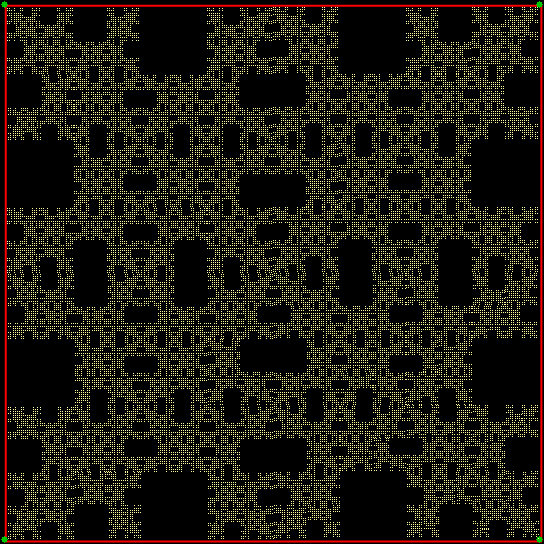
ban = v(i,i-1) + [0,1] or v(i,i-1) + [0,3]
The fractal looks more complex, but I think it’s a blend of some combination of the four classic fractals shown at the beginning of this post. Here are more multiple-ban fractals using vh = 2 and bani = 2:
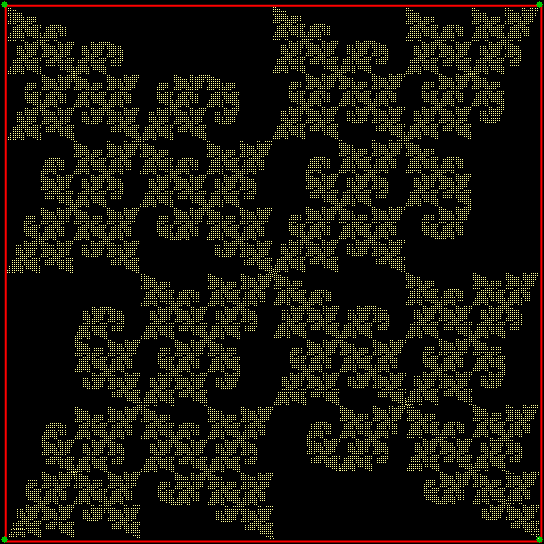
ban = [0,1] or [1,1]
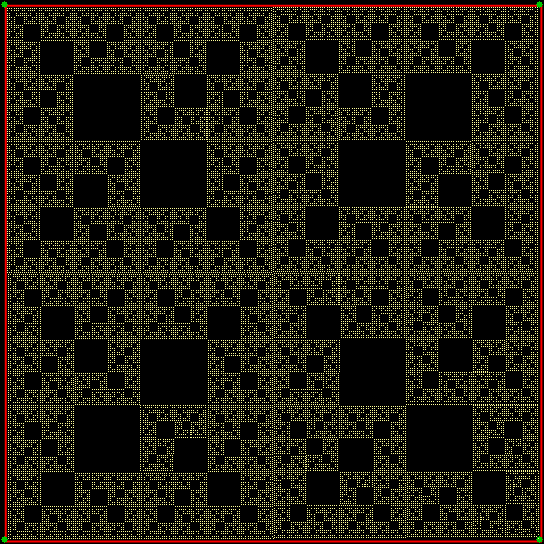
ban = [0,2] or [2,0]

ban = [0,2] or [2,2]

ban = [1,0] or [3,0]
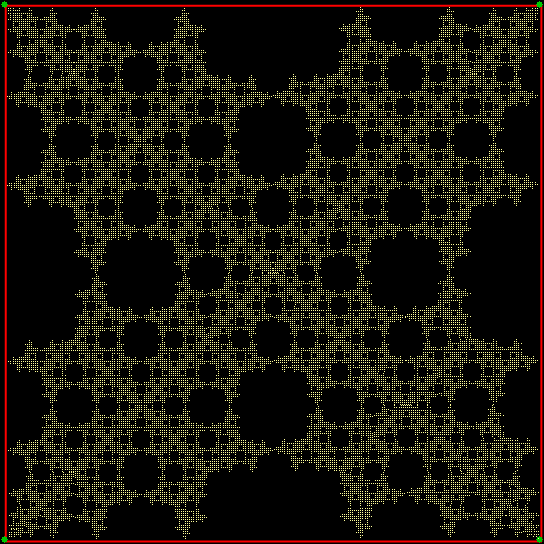
ban = [1,1] or [3,3]
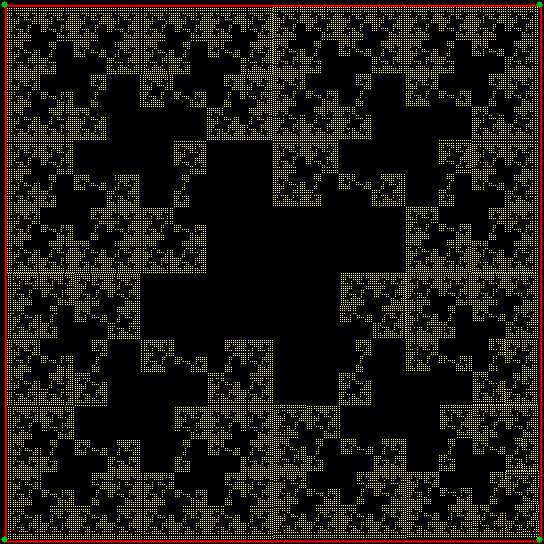
ban = [1,2] or [2,2]
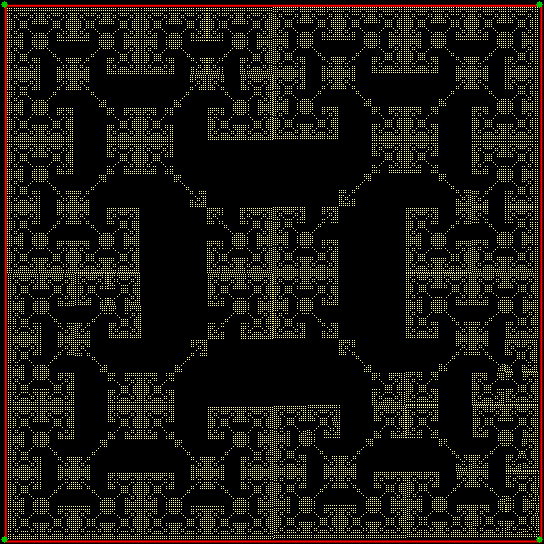
ban = [1,2] or [3,2]

ban = [1,3] or [2,0]
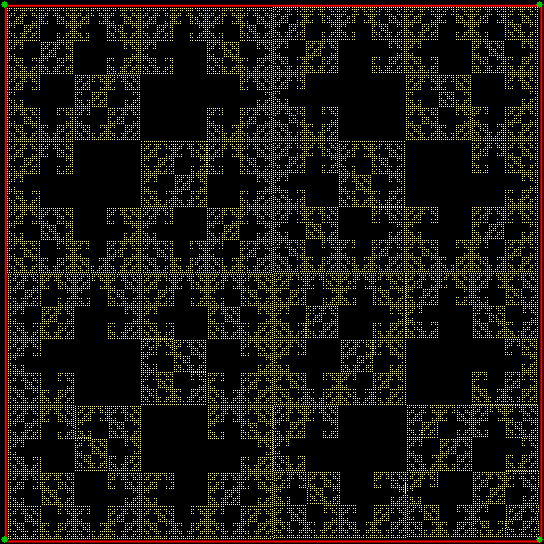
ban = [1,3] or [3,1]

ban = [2,0] or [2,2]
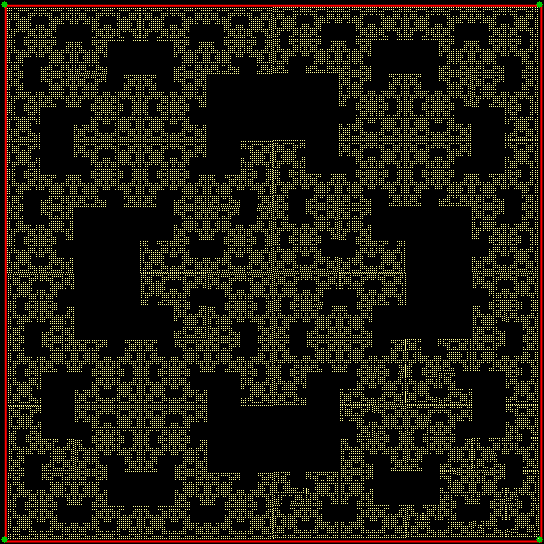
ban = [2,1] or [2,3]
For the fractals below, vh = 2 and bani = 3 (i.e., bans are imposed when one of three possible conditions is met). Again, I think the fractals are blends of some combination of the four classic ban-fractals shown at the beginning of this post:

ban = [0,0] or [1,2] or [3,2]
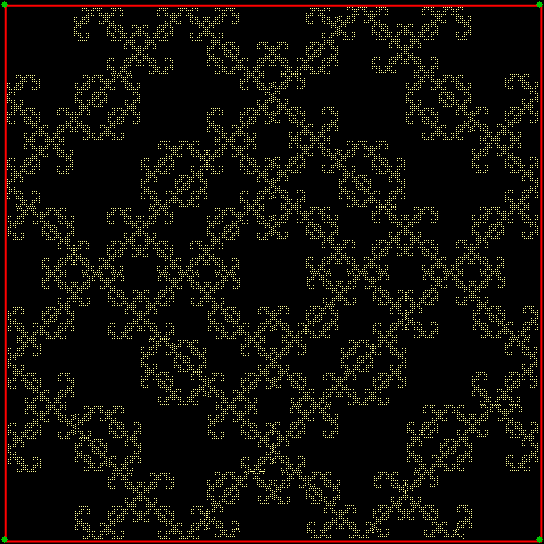
ban = [0,0] or [1,3] or [3,1]

ban = [0,0] or [2,1] or [2,3]
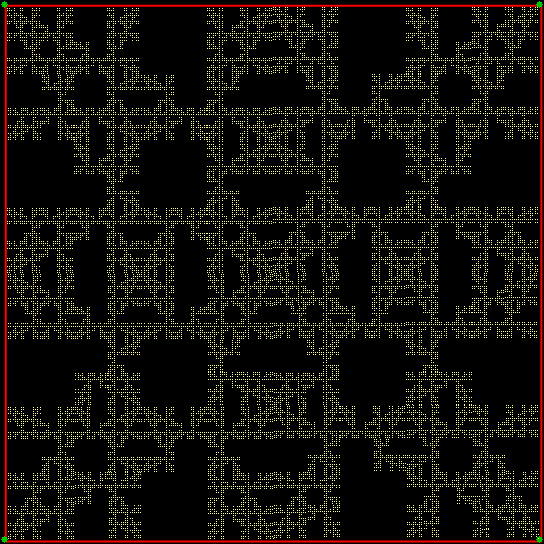
ban = [0,1] or [0,2] or [0,3]
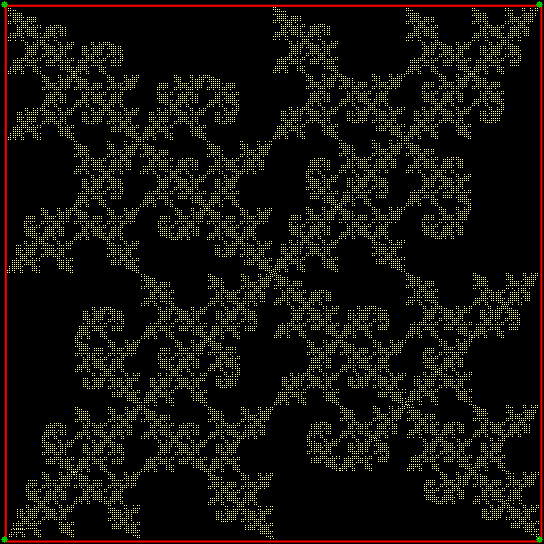
ban = [0,1] or [0,3] or [1,1]
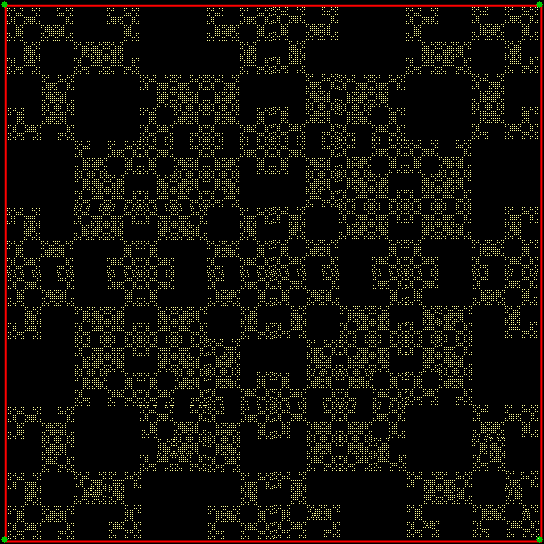
ban = [0,1] or [0,3] or [2,0]

ban = [0,1] or [0,3] or [2,2]

ban = [0,1] or [1,1] or [1,2]
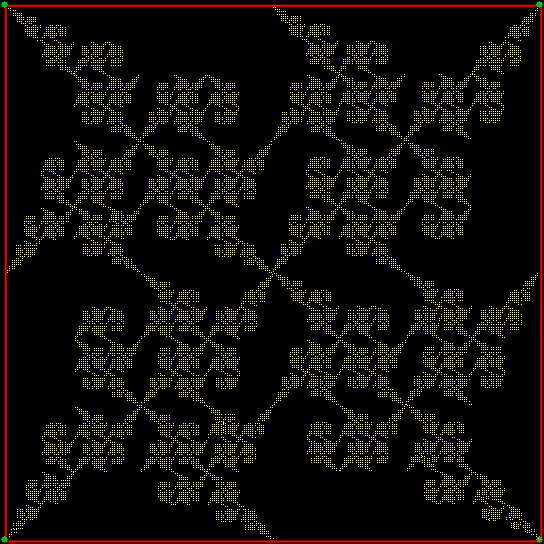
ban = [0,1] or [1,1] or [3,0]
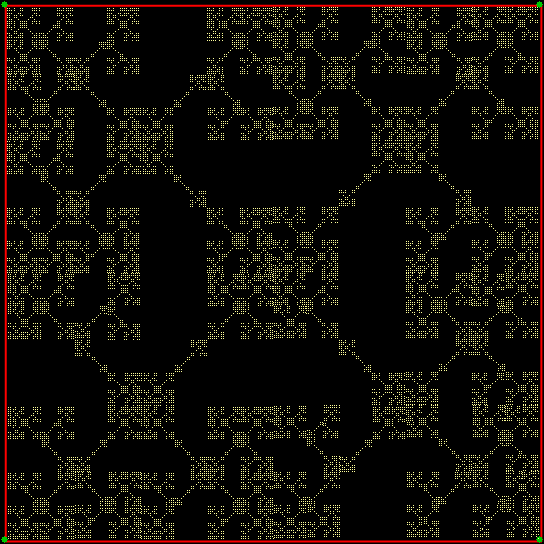
ban = [0,1] or [1,2] or [3,2]
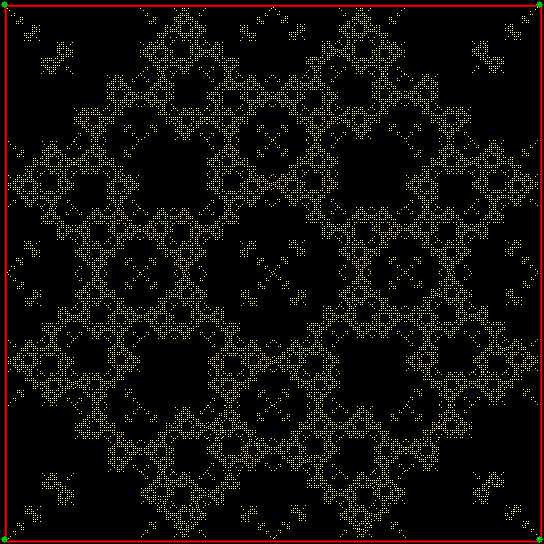
ban = [0,2] or [1,0] or [3,0]
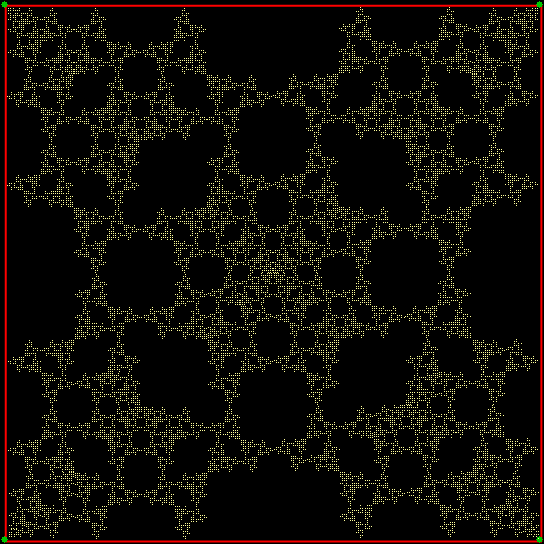
ban = [0,2] or [1,1] or [3,3]
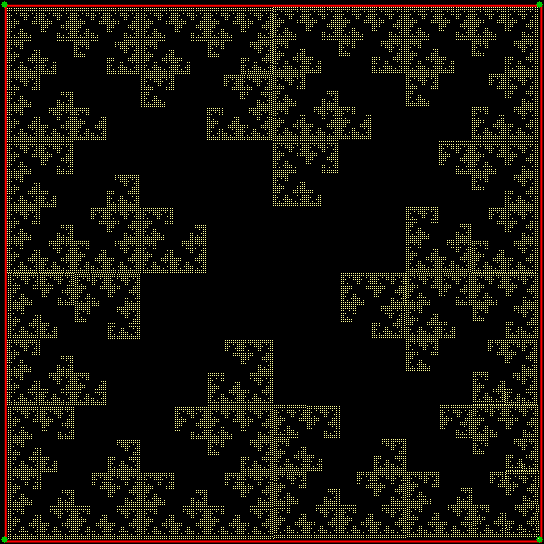
ban = [0,2] or [1,2] or [2,2]
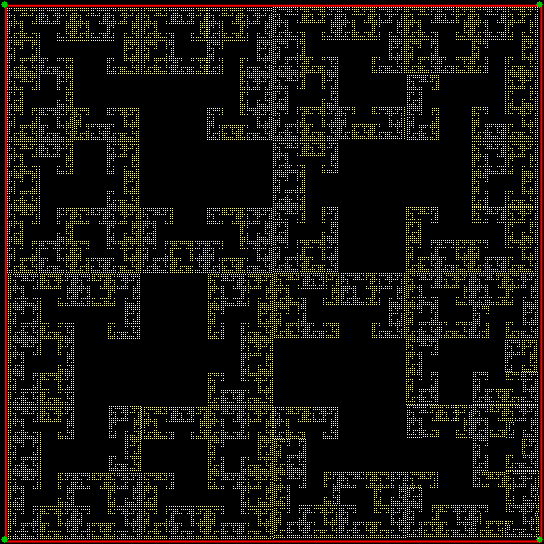
ban = [0,2] or [1,2] or [3,1]
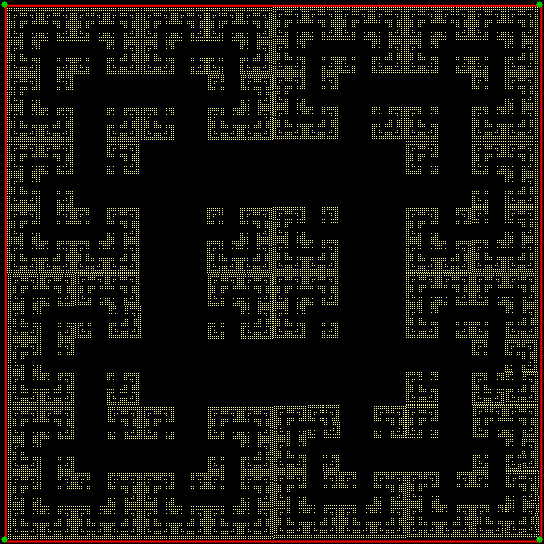
ban = [0,2] or [1,2] or [3,2]

ban = [0,2] or [1,3] or [2,0]
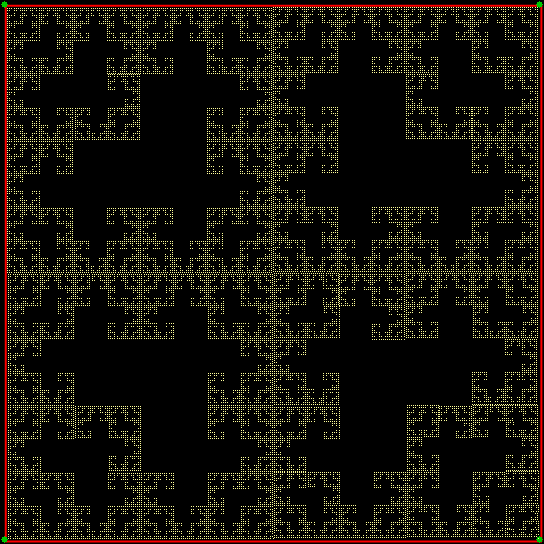
ban = [0,2] or [1,3] or [3,1]
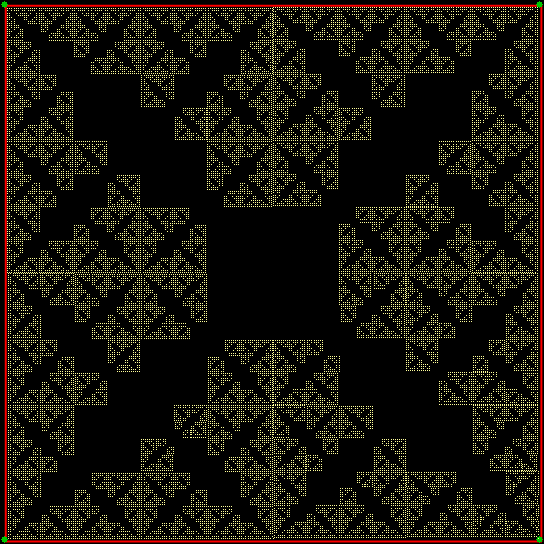
ban = [0,2] or [2,0] or [2,2]

ban = [0,2] or [2,1] or [2,3]
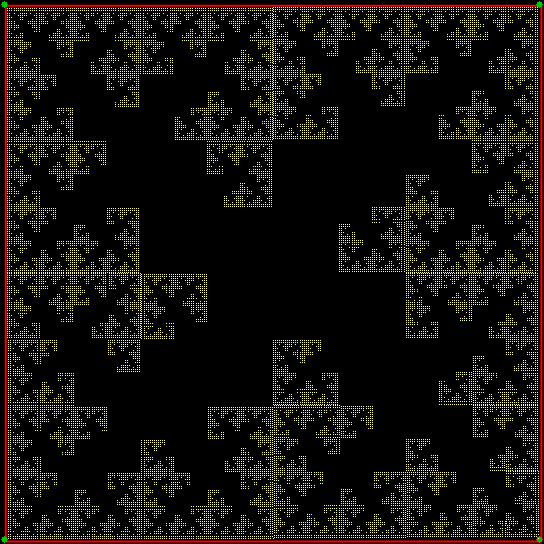
ban = [0,2] or [2,2] or [3,2]

ban = [0,3] or [1,0] or [2,0]
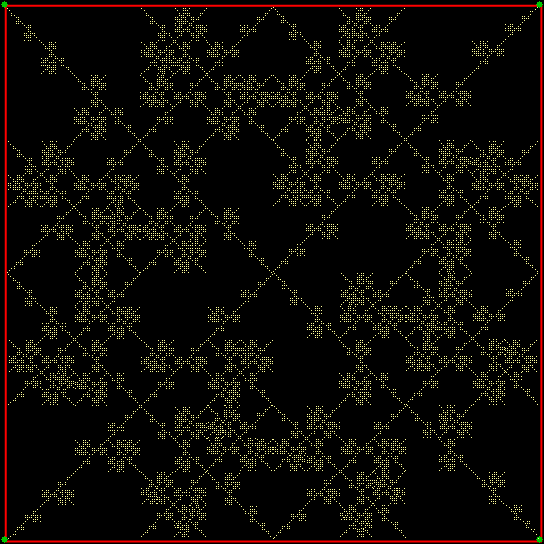
ban = [1,0] or [1,2] or [3,0]
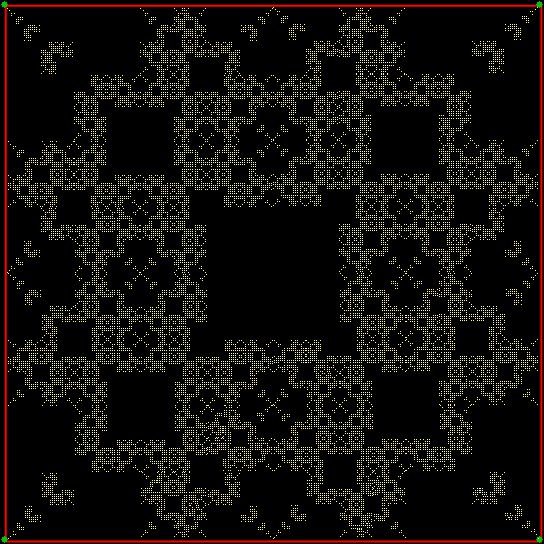
ban = [1,0] or [2,2] or [3,0]
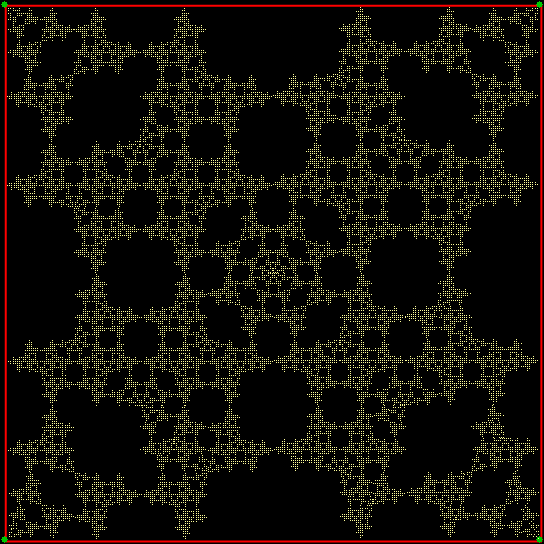
ban = [1,1] or [2,0] or [3,3]
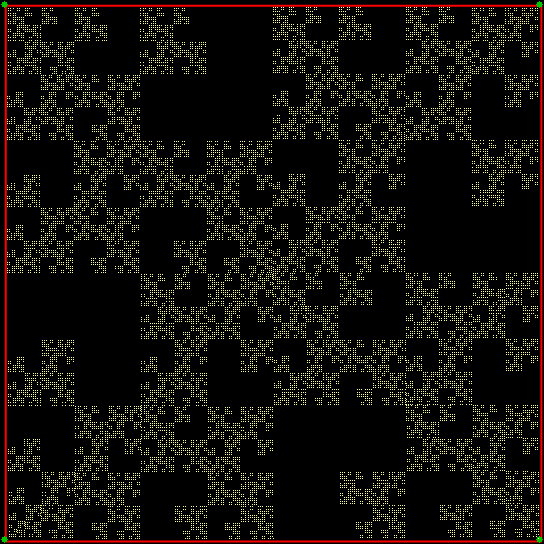
ban = [1,1] or [2,1] or [3,1]

ban = [1,1] or [2,2] or [3,3]
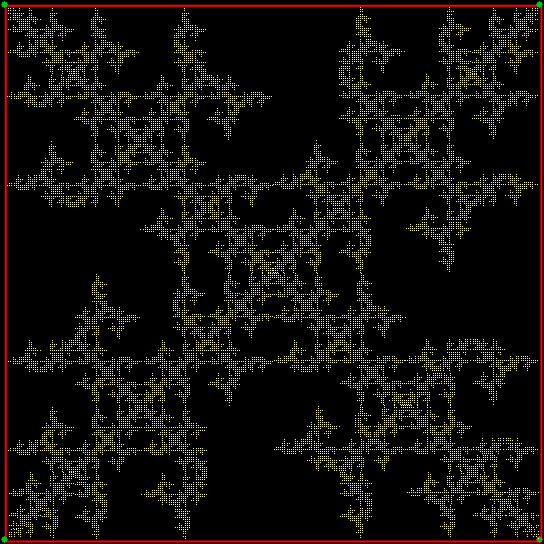
ban = [1,1] or [2,3] or [3,3]
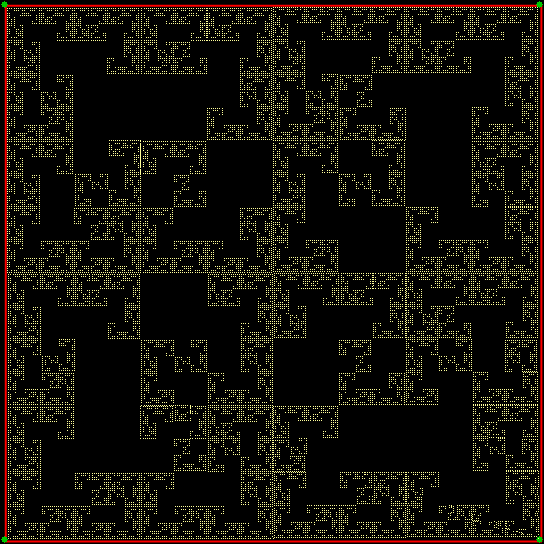
ban = [1,2] or [2,0] or [3,1]
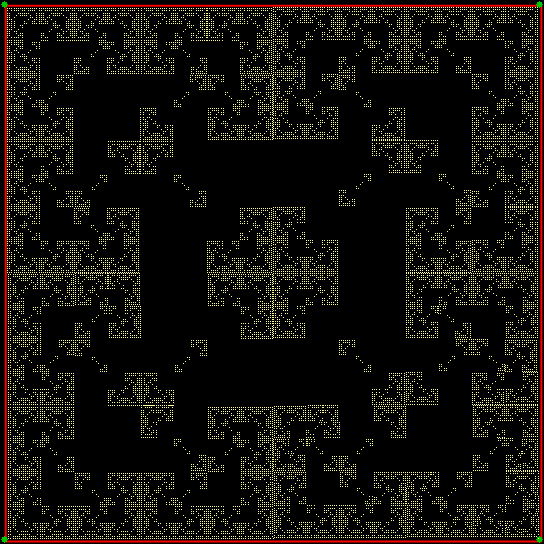
ban = [1,2] or [2,0] or [3,2]

ban = [1,2] or [2,1] or [2,3]
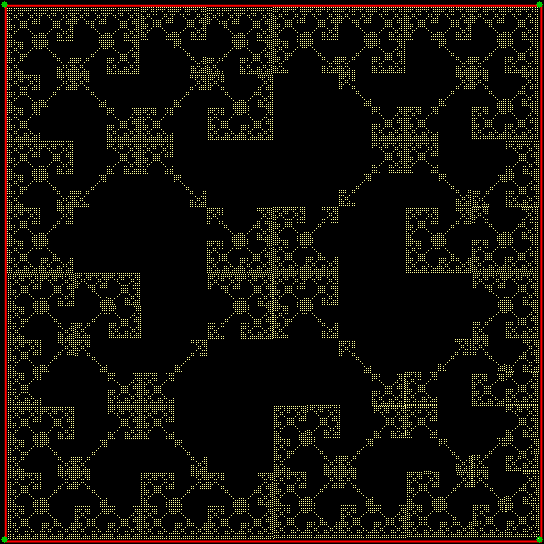
ban = [1,2] or [2,3] or [3,2]
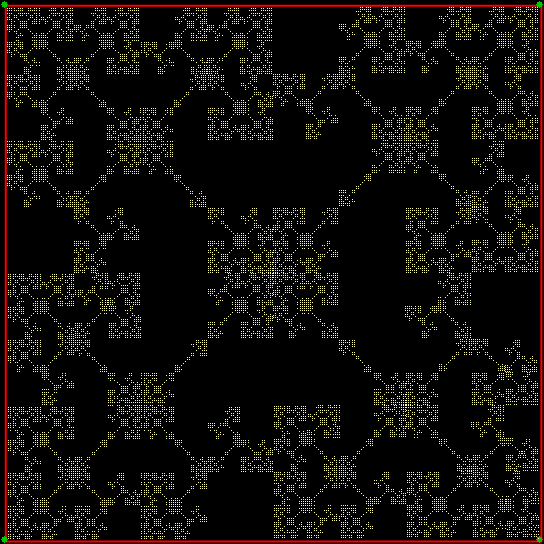
ban = [1,2] or [3,2] or [3,3]

ban = [1,3] or [2,0] or [2,2]

ban = [1,3] or [2,0] or [3,0]
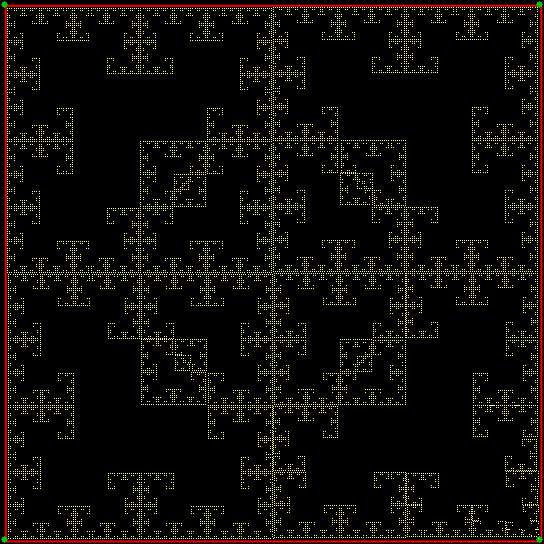
ban = [1,3] or [2,0] or [3,1]
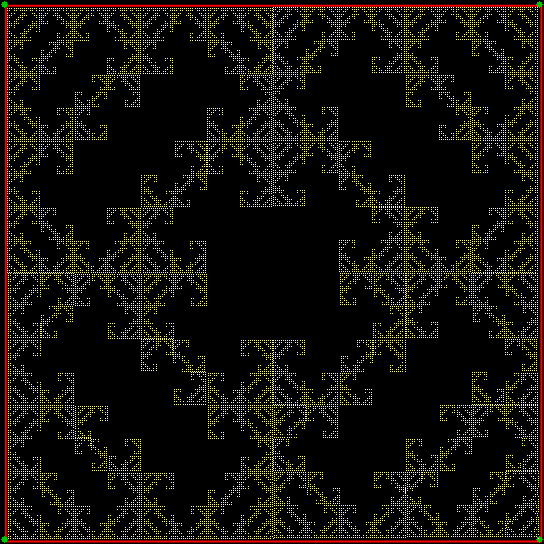
ban = [1,3] or [2,2] or [3,1]
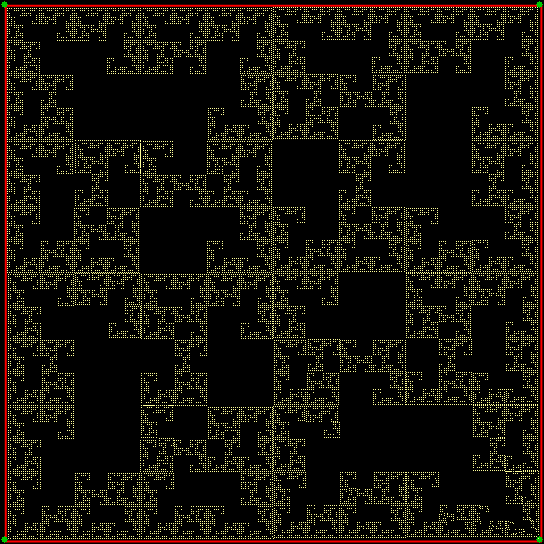
ban = [2,0] or [3,1] or [3,2]
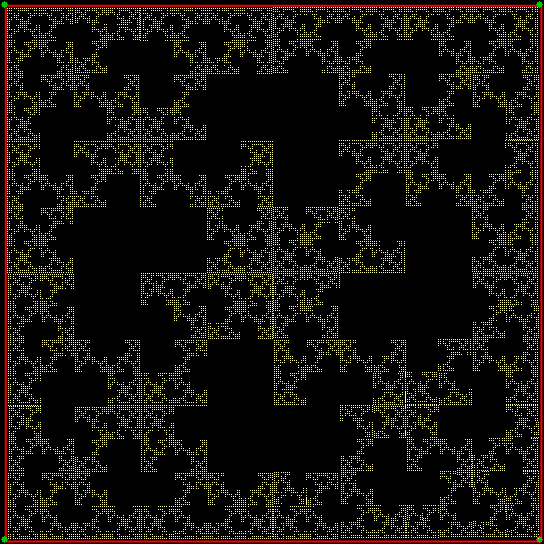
ban = [2,1] or [2,3] or [3,2]
Previously pre-posted
Boole(b)an — an early look at ban-fractals
Hu’ sur La Mu’
« La musique exprime ce qui ne peut être dit et sur quoi il est impossible de rester silencieux. » — Victor Hugo (1802-85)
• “Music expresses what cannot be said and on which it is impossible to remain silent.” — Victor Hugo
Jonglietzsche

Post-Performative Post-Scriptum
“Jonglietzsche” is a portmanteau of German Jongleur / jonglieren, “juggler, juggling”, and the surname of core counter-cultural philosopher Friedrich Nietzsche (1844-1900). Jongleur is pronounced something like “zhawngloer”, as in French.
Stu’s Views
“Consciousness is a fascinating but elusive phenomenon; it is impossible to specify what it is, what it does, or why it evolved. Nothing worth reading has been written on it.” — Stuart Sutherland (1927-98), in The International Dictionary of Psychology (1995), entry on “Consciousness”
Boole(b)an
Suppose you allow a point to jump at random half-way towards one of the four vertices of a square. But not entirely at random — you ban the point from jumping towards the same vertex twice (or more) in a row. You get this pattern:
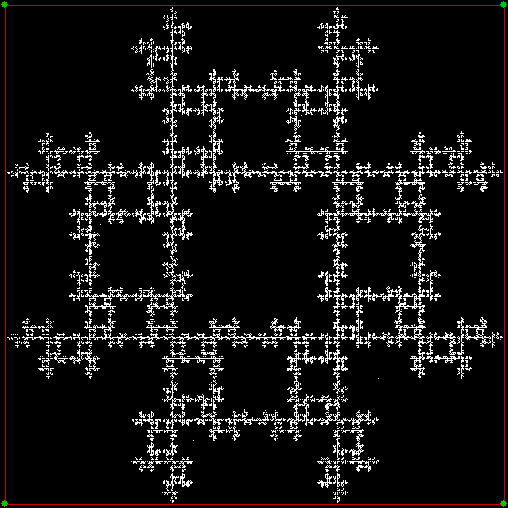
ban on v(i) + 0
It’s a fractal, that is, a shape that contains smaller and smaller copies of itself. Next you ban the point from jumping towards the vertex one place clockwise of the vertex it last jumped towards (i.e., it can jump towards, say, vertex 2 as many times as it likes, but it can’t jump towards vertex 2+1 = 3, and so on). You get this fractal:
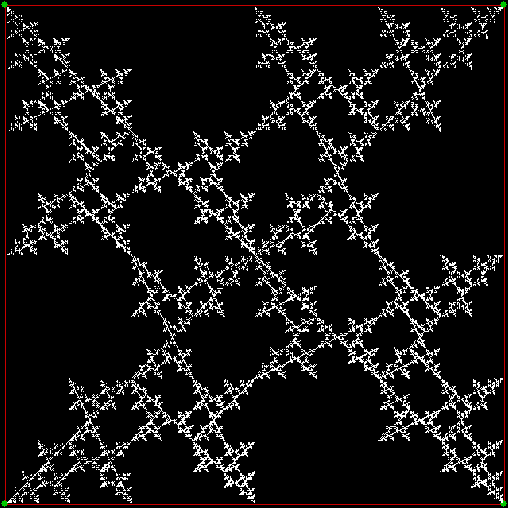
ban on v(i) + 1
Now ban it from jumping towards the vertex two places clockwise of the vertex it last jumped towards (i.e., it can’t jump towards the diagonally opposite vertex). You get this fractal:
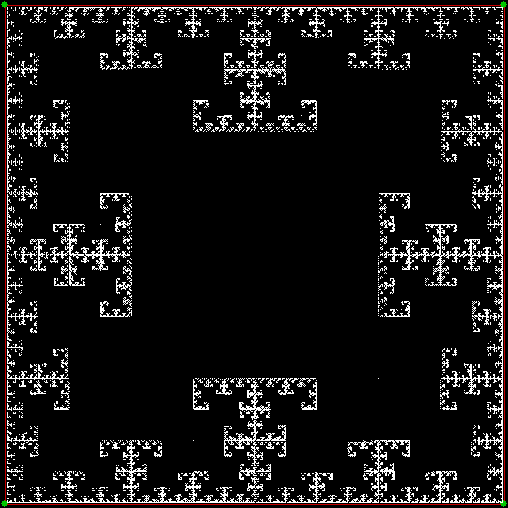
ban on v(i) + 2
And if you ban the point from jumping towards the vertex three places clockwise of the last vertex, you get a mirror-image of the v(i)+1 fractal (see above):

ban on v(i) + 3
The fractals above have a memory one vertex into the past: the previous vertex. Let’s try some fractals with a memory two vertices into the past: the previous vertex and the pre-previous vertex (and even the pre-pre-previous vertex).
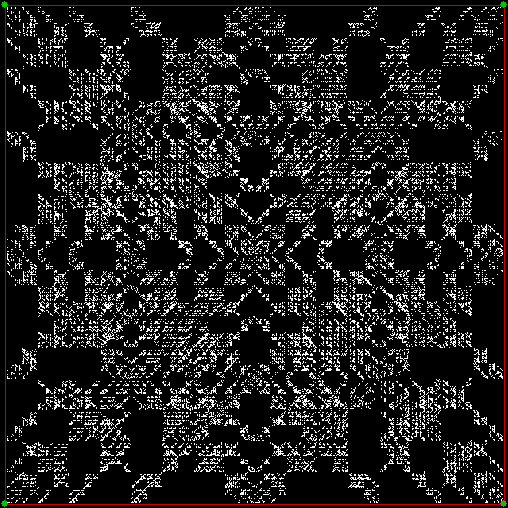
But this time, let’s suppose that sometimes the point can’t jump if the previous or pre-previous isn’t equal to v(i) + n. So sometimes the jump is banned when the test is true, sometimes when the test is false — you might call it a boolean ban or boole(b)an. Using boole(b)ans, you can get this set of fractals:

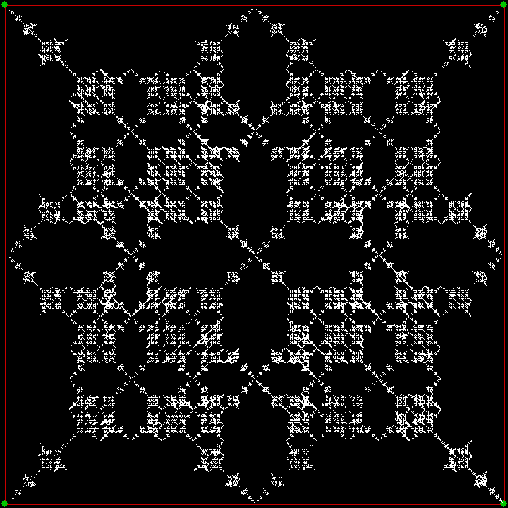


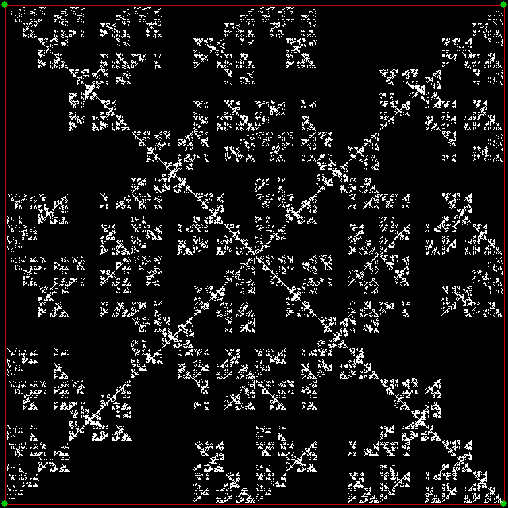
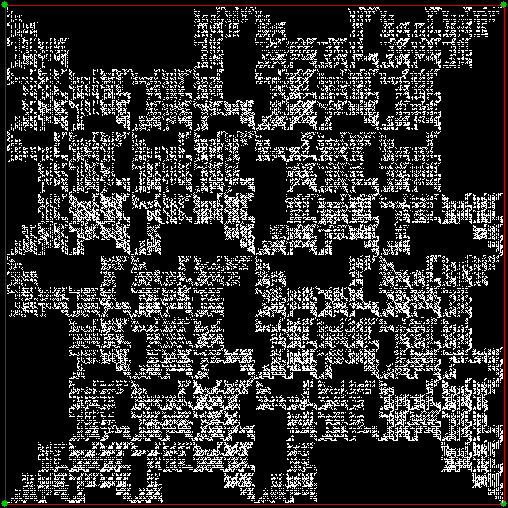
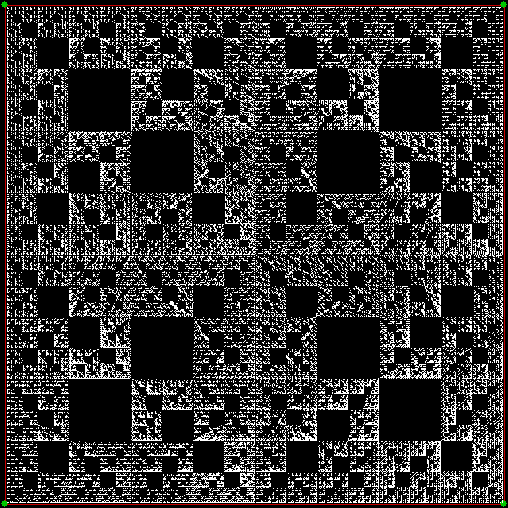

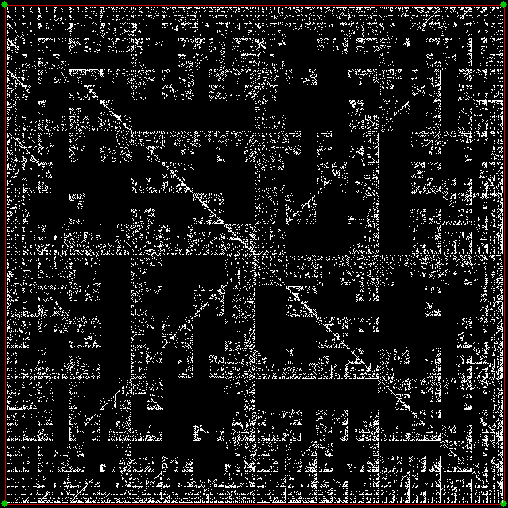

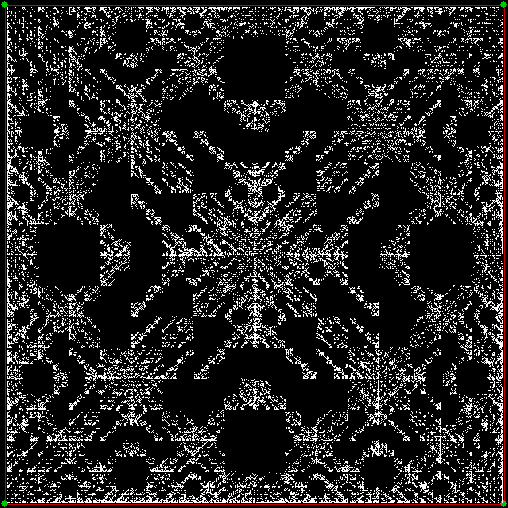

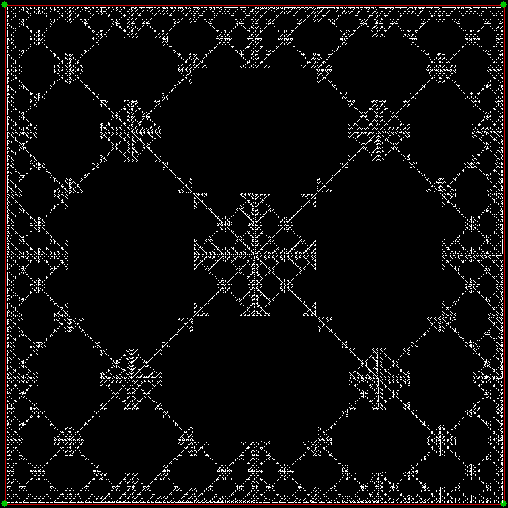
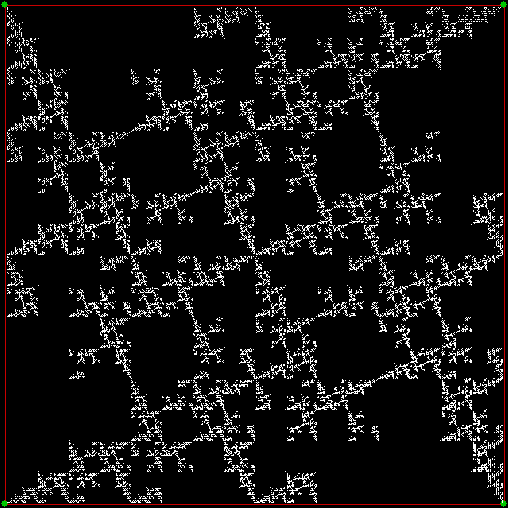
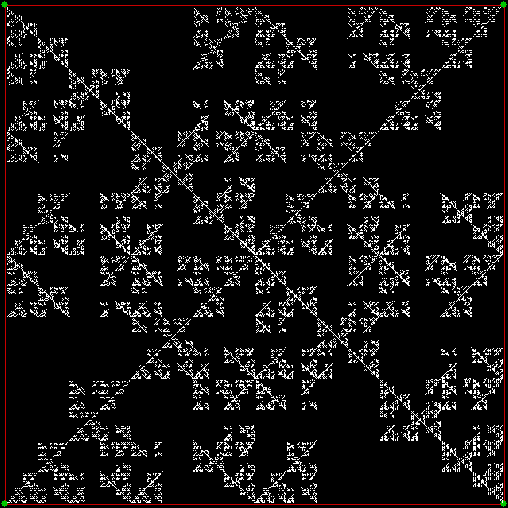
With these fractals, the boolean test sends the point back to the center of the square:

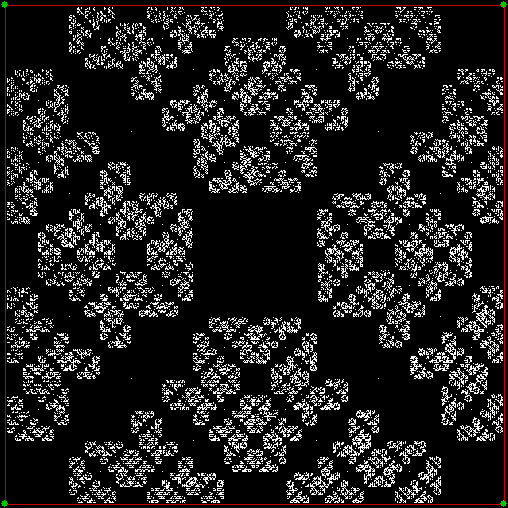


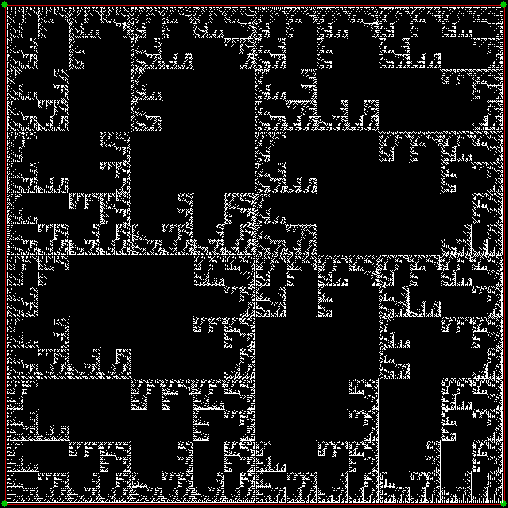

Posteriously post-posted
Boole(b)an #2 — a later look at ban-fractals
Letishist’s Labor of Love
Вряд ли где можно было найти человека, который так жил бы в своей должности. Мало сказать: он служил ревностно, нет, он служил с любовью. Там, в этом переписываньи, ему виделся какой-то свой разнообразный и приятный мир. Наслаждение выражалось на лице его; некоторые буквы у него были фавориты, до которых если он добирался, то был сам не свой: и подсмеивался, и подмигивал, и помогал губами, так что в лице его, казалось, можно было прочесть всякую букву, которую выводило перо его. — Николай Гоголь, «Шинель» (1842)
It would be difficult to find another man who lived so entirely for his duties. It is not enough to say that Akakiy laboured with zeal: no, he laboured with love. In his copying, he found a varied and agreeable world. Enjoyment was written on his face: some letters were even favourites with him; and when he encountered these, he smiled, winked, and worked with his lips, till it seemed as though each letter might be read in his face, as his pen traced it. — Nikolai Gogol, “The Overcoat” (1842)
Post-Performative Post-Scriptum
Бу́ква, búkva, the Russian for “letter”, may be related to the German Buche, meaning “beech”, which in its turn may be related to the English word “book”. Why so? Because beech-bark was once used for writing.
Golden Goat-God’s Gateway

Although this blog stands strongly and sternly against the use of any drugs weaker than water (which is all of ’em), some interesting art has been inspired by those weaker drugs. The front cover of Bongzilla’s Gateway (2002) by Malleus Rock Art Lab is a good and skilful example. Please be aware, however, that smoking grass is more likely to induce psychosis than turn you into a golden goat-god. Especially coz artificially strengthened varieties of grass are not what Gaia intended. (dot dot dot)
Post-Performative Post-Scriptum
Yes, the horns on the album-cover are those of a bovid, not a caprid, but I like to think of the image being that of a goat-god rather than a bull-god.

