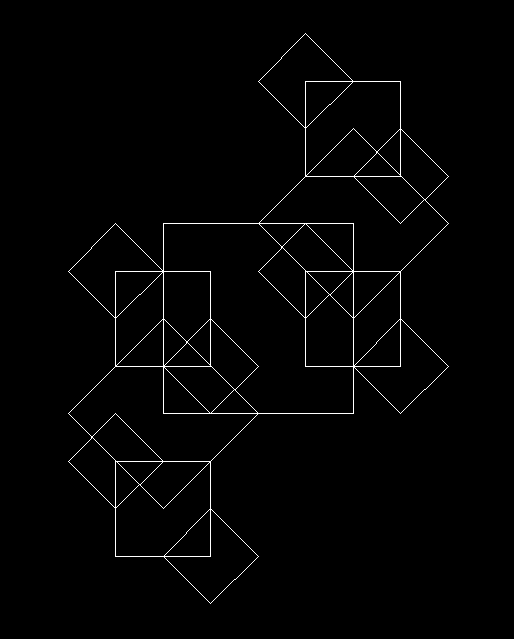
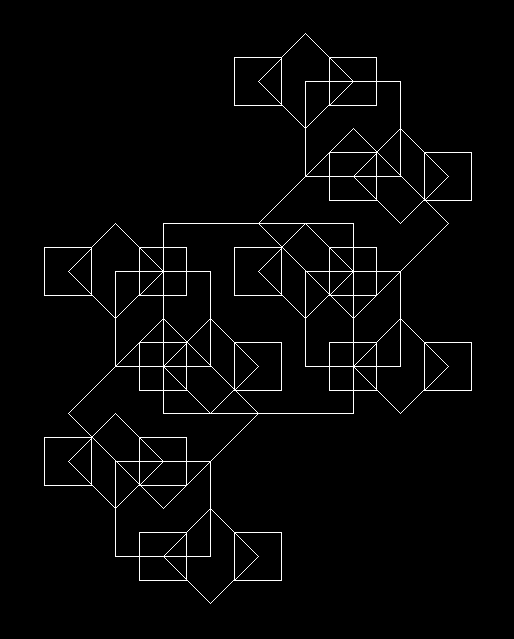
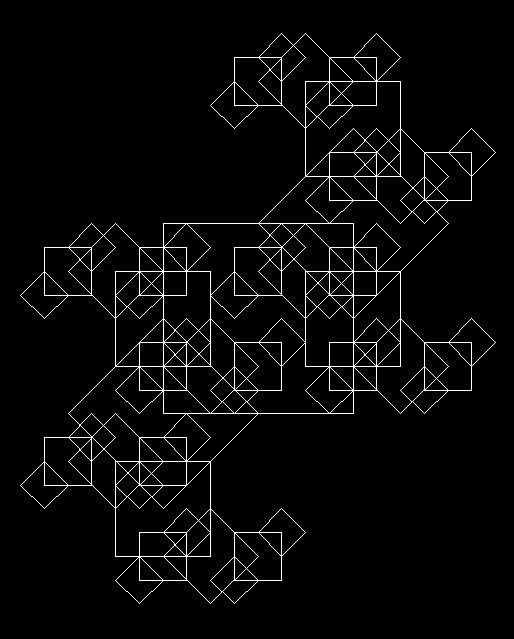
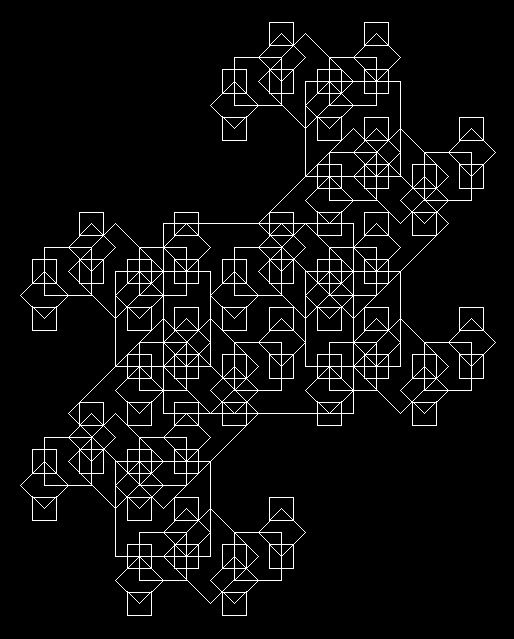
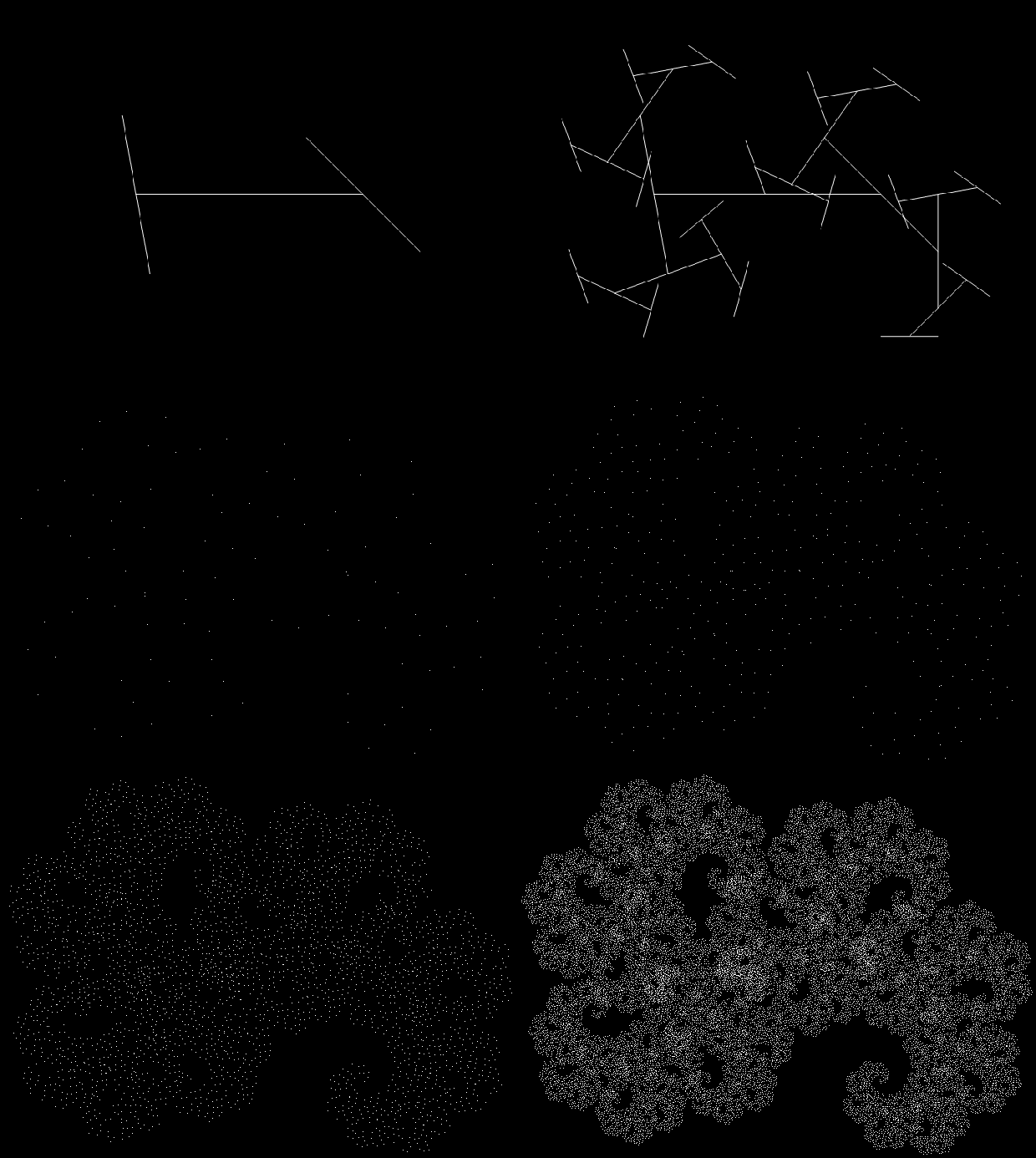
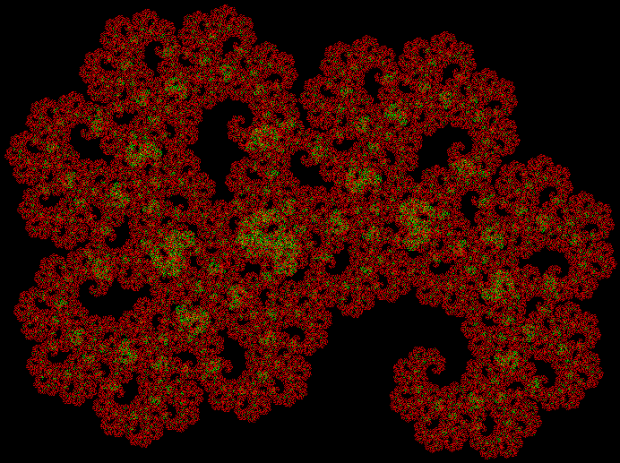
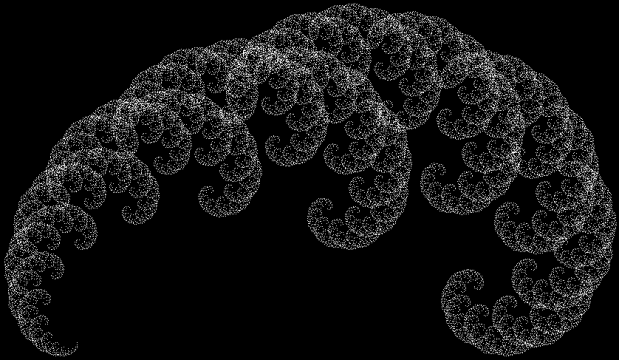
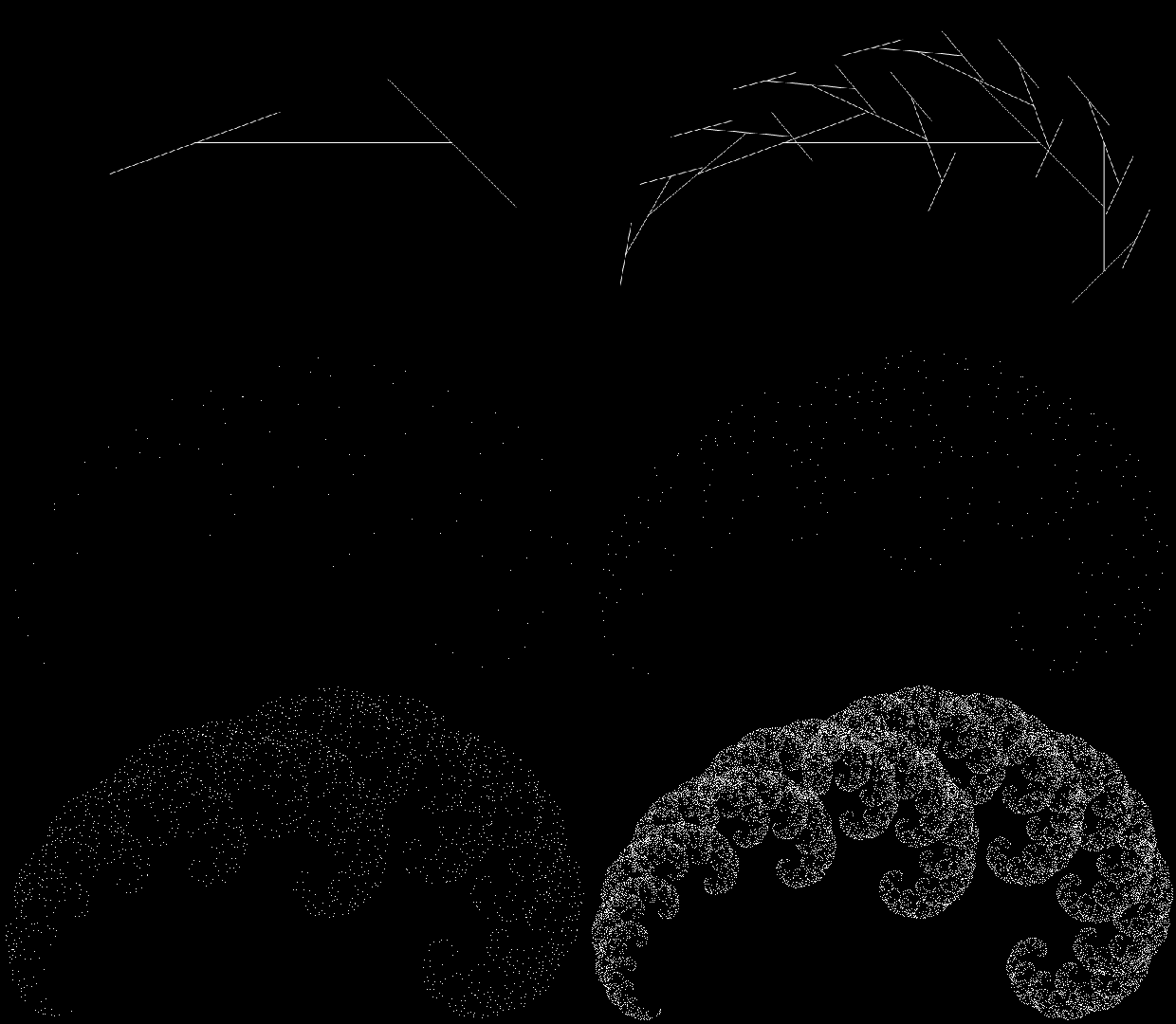
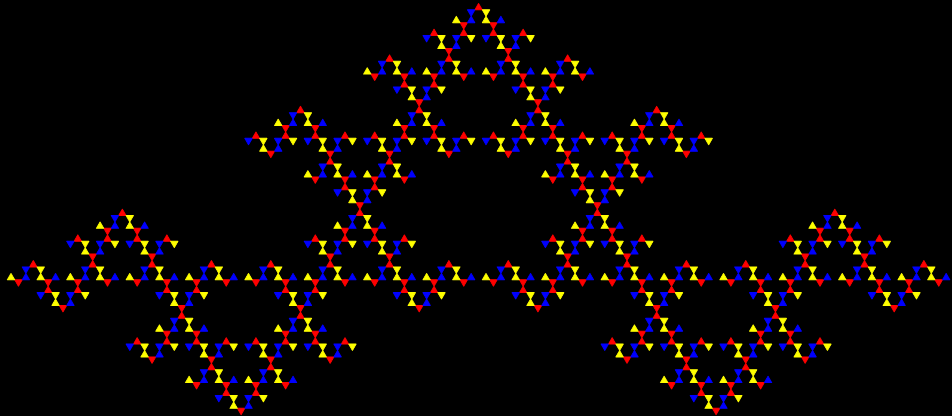
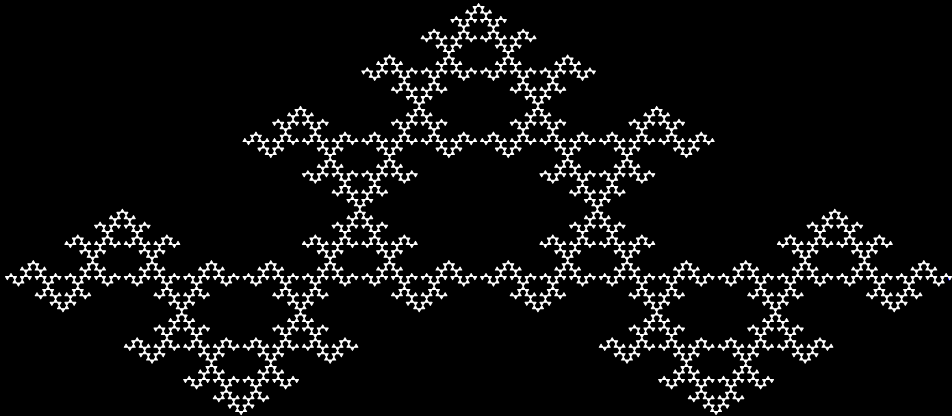
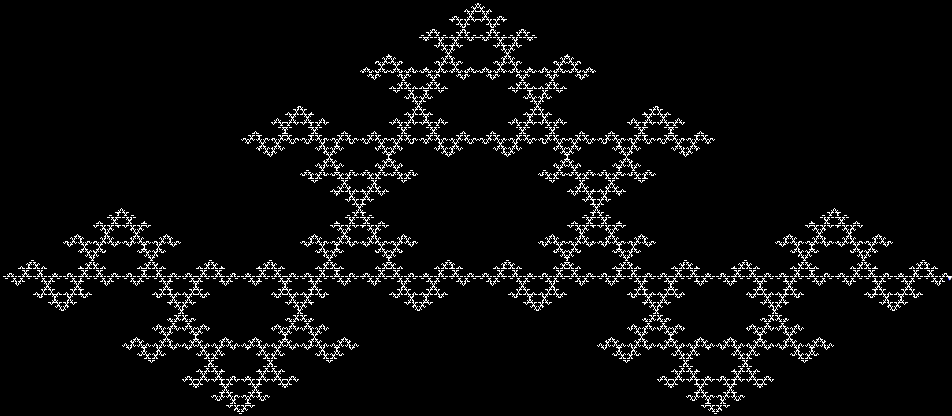
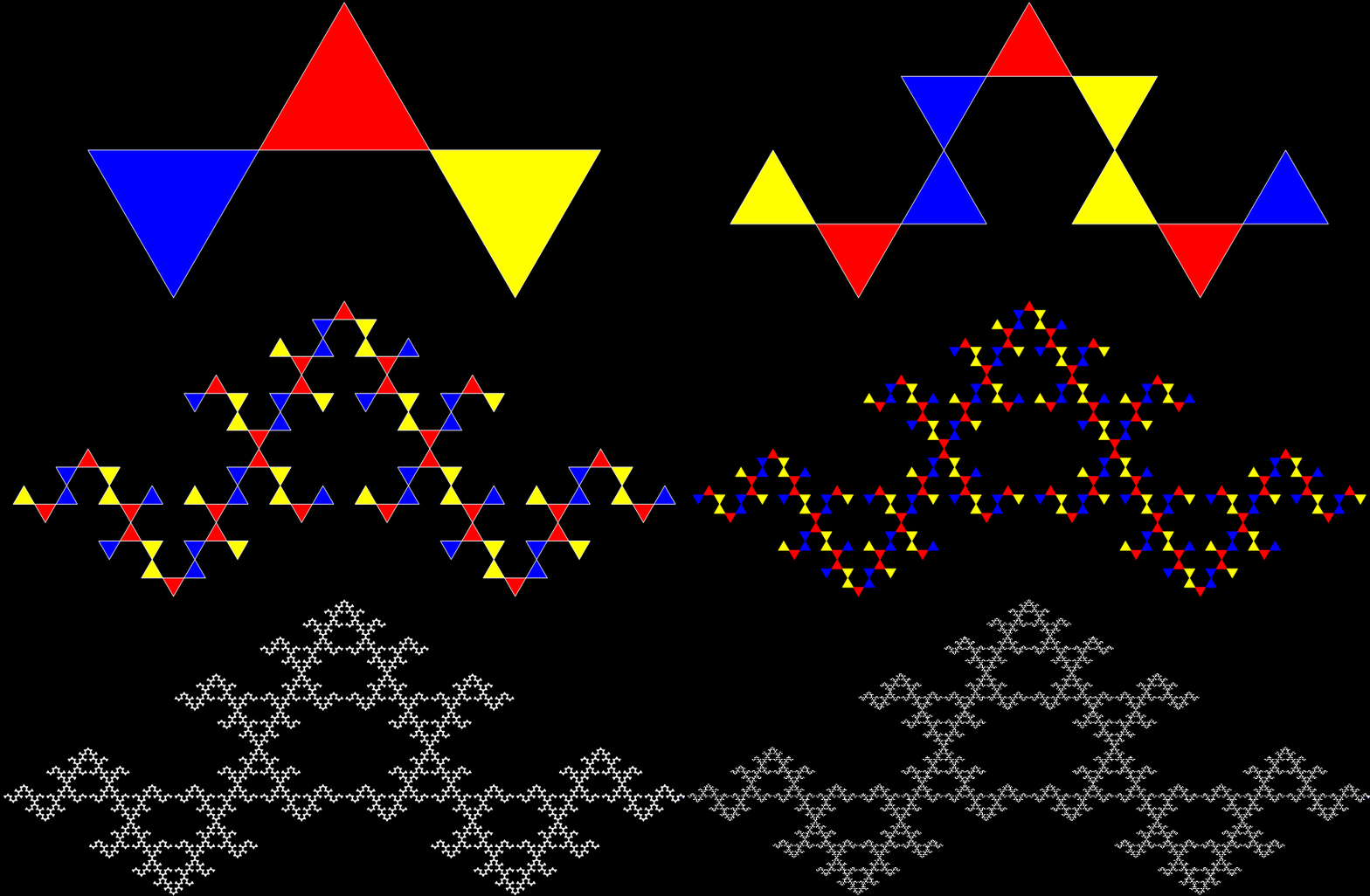
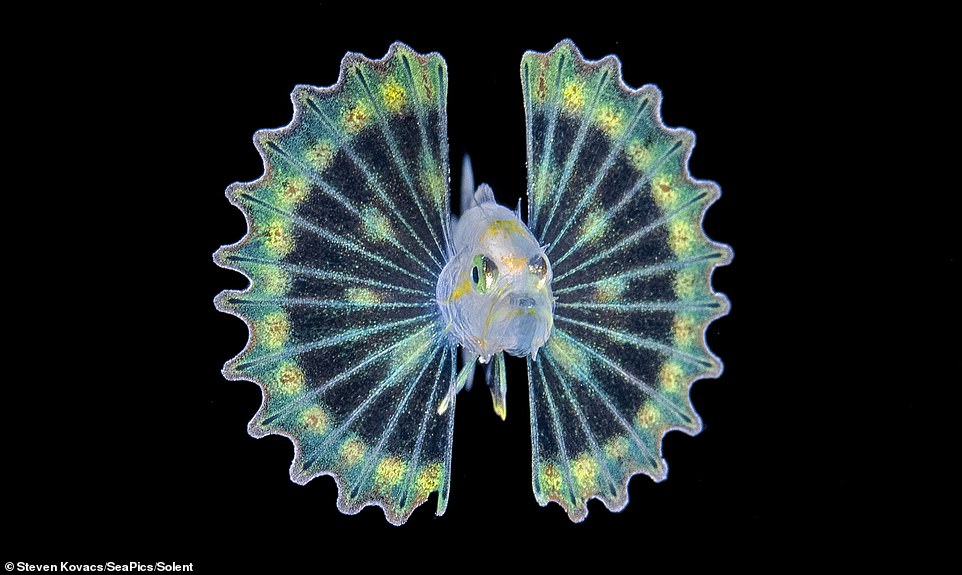
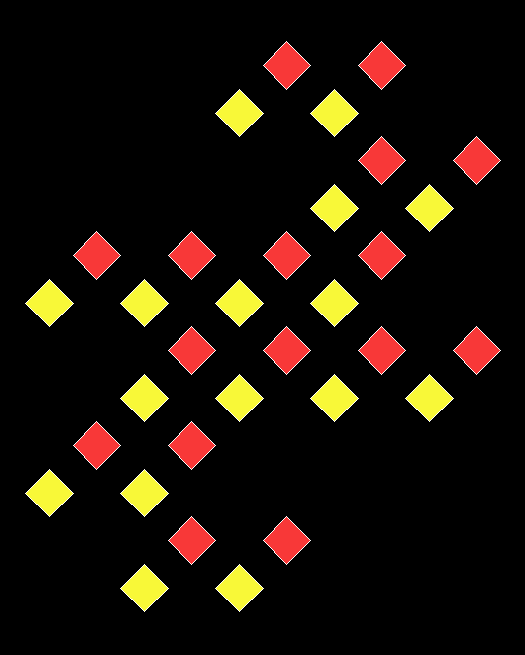
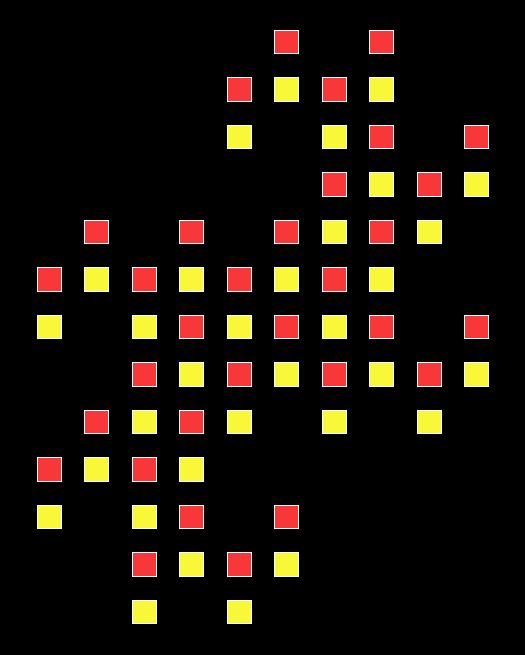
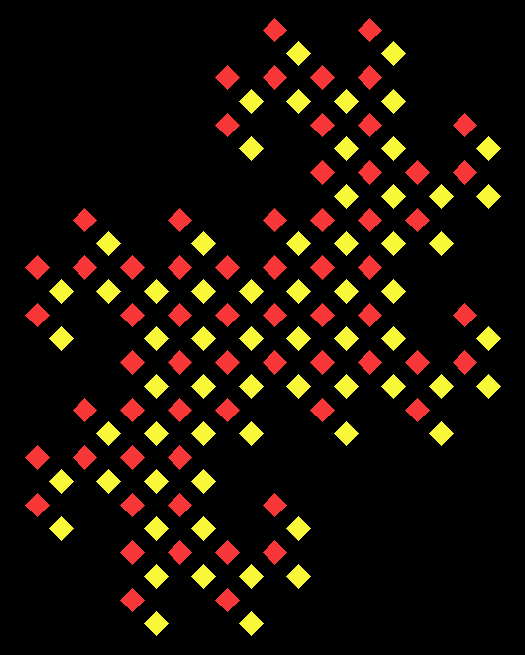
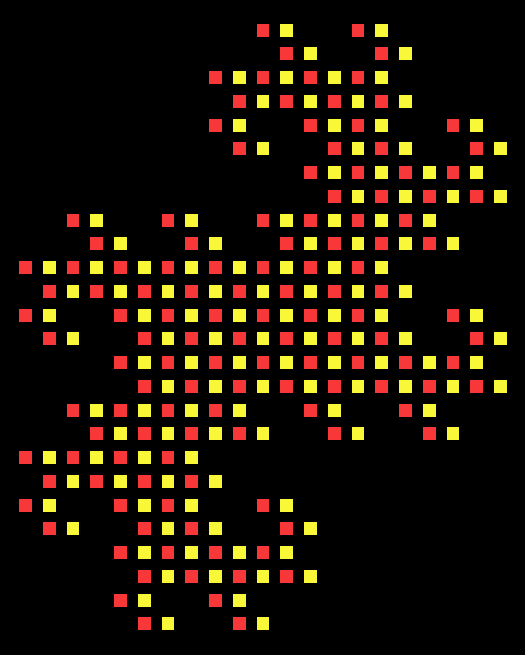
Aztec or Jacobean lily, Sprekelia formosissima (L.) (Mexico, Guatemala and Honduras)

Aztec or Jacobean lily, Sprekelia formosissima (L.) (Mexico, Guatemala and Honduras)
He’s been mixing with the wrong people:
“Our supporters and our country has had a long time suffering in terms of football. […] Our country has been through some difficult moments recently in terms of unity but sport has the power to unite — and football in particular has the power to do that.” — England manager Gareth Southgate, BBC Sport, 10vii2018.
Elsewhere other-engageable:
• Oh My Guardian #6 — the latest in the award-winning series
• All posts interrogating issues around the Guardian-reading community and its affiliates
• Ex-term-in-ate! — interrogating arguably the keyliest and coreliest Guardianista phrase
• All posts interrogating issues around “in terms of”
Twice before on Overlord-in-terms-of-Core-Issues-around-Maximal-Engagement-with-Key-Notions-of-the-Über-Feral, I’ve interrogated issues around pursuit curves. Imagine four mice or four beetles each sitting on one corner of a square and looking towards the centre of the square. If each mouse or beetle begins to run towards the mouse or beetle to its left, it will follow a curving path that takes it to the centre of the square, like this:
vertices = 4, pursuit = +1
The paths followed by the mice or beetles are pursuit curves. If you arrange eight mice clockwise around a square, with a mouse on each corner and a mouse midway along each side, you get a different set of pursuit curves:
v = 4 + 1 on the side, p = +1
Here each mouse is pursuing the mouse two places to its left:
v = 4+s1, p = +2
And here each mouse is pursuing the mouse three places to its left:
v = 4+s1, p = +3
Now try a different arrangement of the mice. In the square below, the mice are arranged clockwise in rows from the bottom right-hand corner. That is, mouse #1 begins on the bottom left-hand corner, mouse #2 begins between that corner and the centre, mouse #3 begins on the bottom left-hand corner, and so on. When each mice runs towards the mouse three places away, these pursuit curves appear:

v = 4 + 1 internally, p = +3
Here are some more:
v = 4 + i1, p = +5
v = 4 + i2, p = +1
v = 4 + i2, p = +2
So far, all the mice have eventually run to the centre of the square, but that doesn’t happen here:
v = 4 + i2, p = 4
Here are more pursuit curves for the v4+i2 mice, using an animated gif:
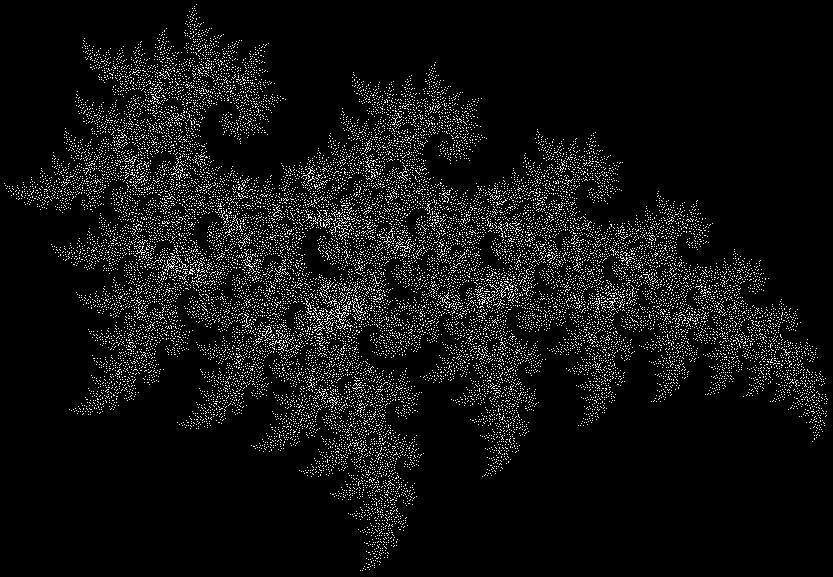
v = 4 + i2, p = various (animated — open in new tab for clearer image)
And here are more pursuit curves that don’t end in the centre of the square:
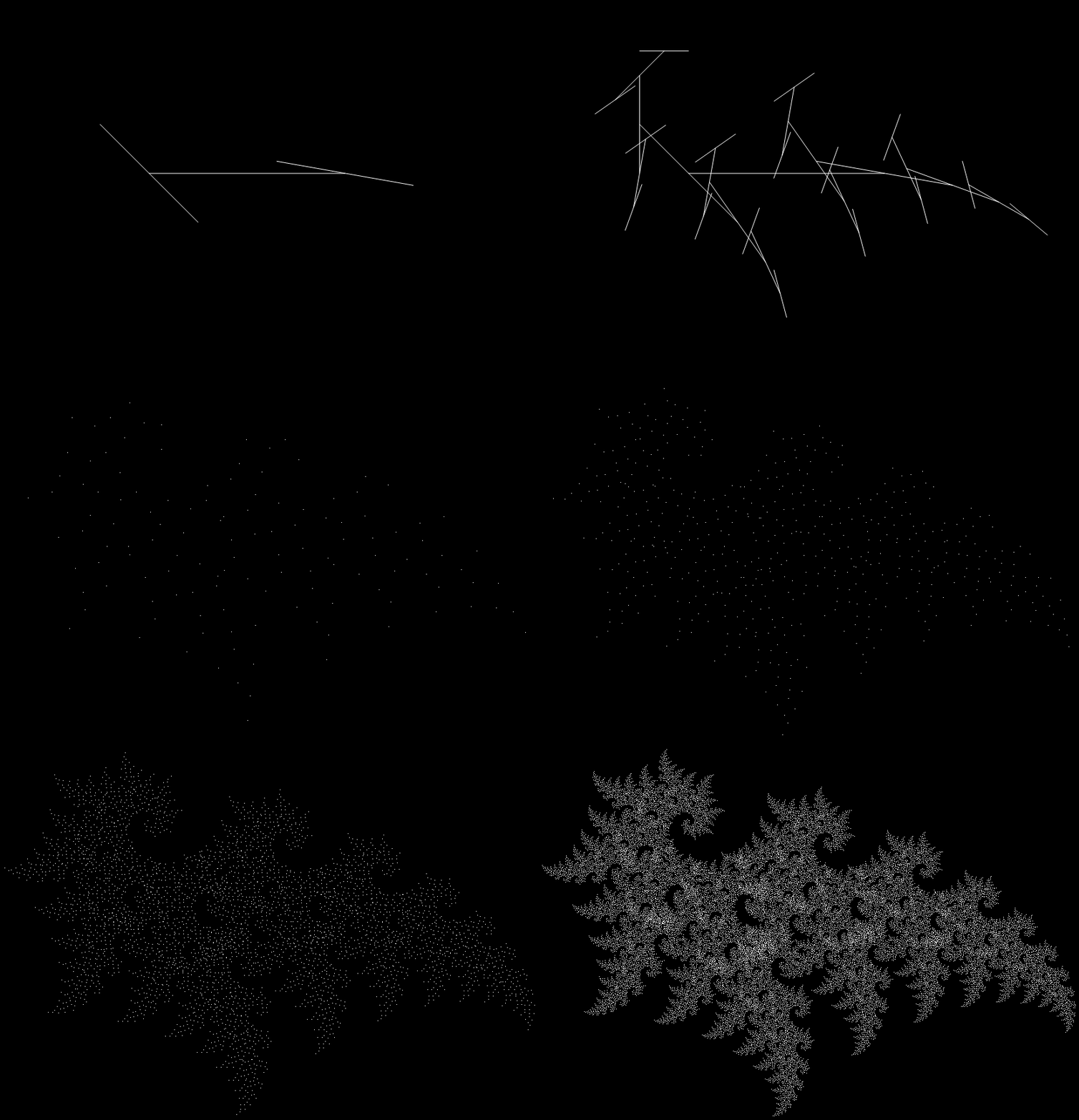
v = 4 + i4, p = 4
v = 4 + i4, p = 8
v = 4 + i4, p = 12
v = 4 + i4, p = 16
But the v4+i4 pursuit curves more usually look like this:
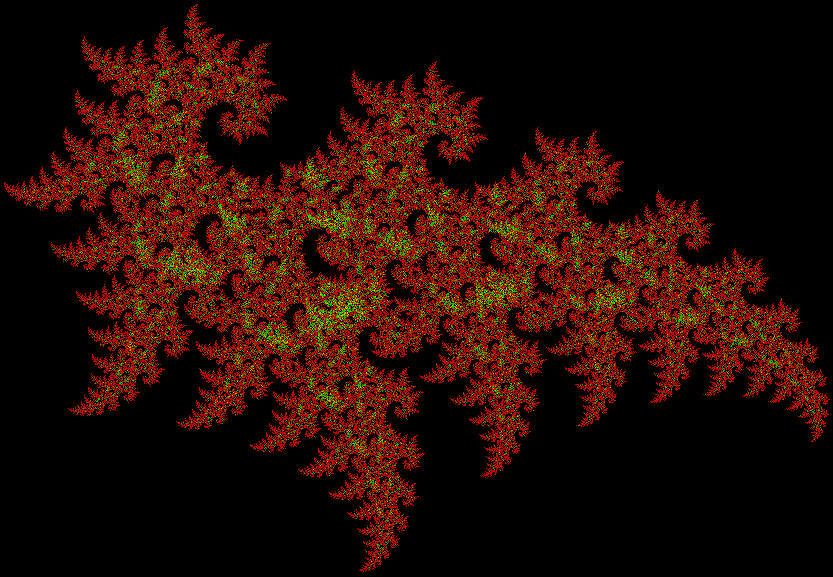
v = 4 + i4, p = 7
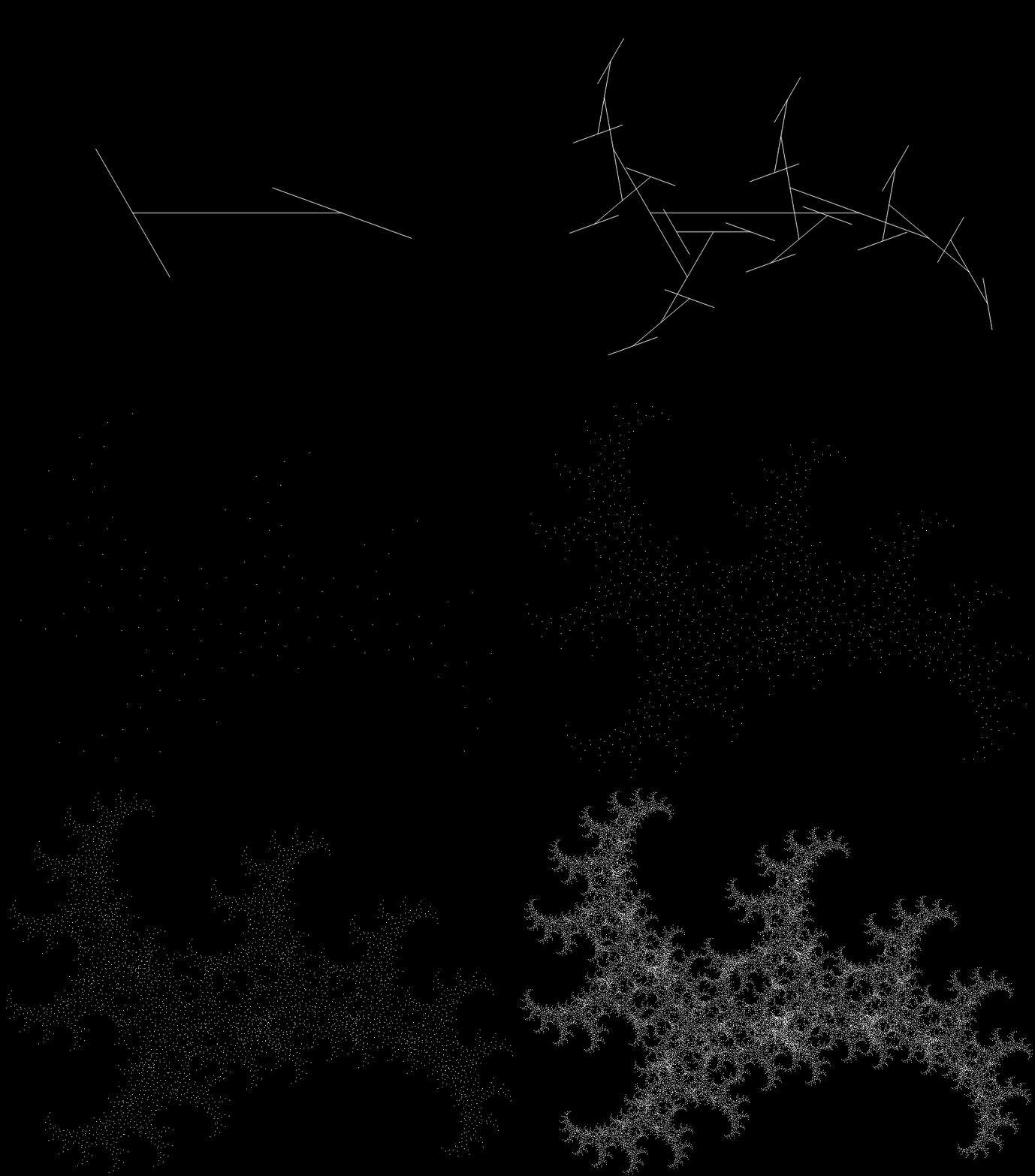
Now try adapting the rules so that mice don’t run directly towards another mouse, but towards the point midway between two other mice. In this square, the odd- and even-numbered mice follow different rules. Mice #1, #3, #5 and #7 run towards the point midway between the mice one and two places away, while ice #2, #4, #6 and #8 run towards the point midway between the mice two and seven places away:
v = 4 + s1, p(1,3,5,7) = 1,2, p(2,4,6,8) = 2,7
I think the curves are very elegant. Here’s a slight variation:
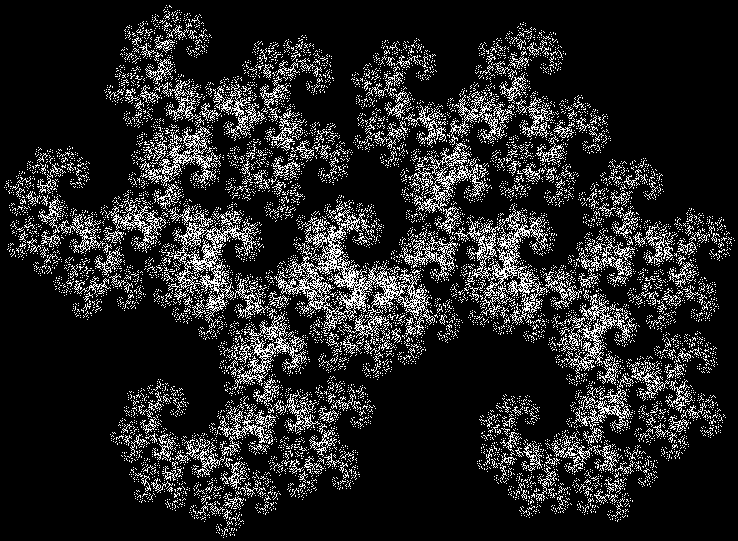
v = 4 + s1, p1 = 1,3, p2 = 2,7
Now try solid curves:
v = 4 + s1, p1 = 1,3, p2 = 2,7 (red)
v = 4 + s1, p1 = 1,3, p2 = 2,7 (yellow-and-blue)
And some variants:
v = 4 + s1, p1 = 1,7, p2 = 1,2
v = 4 + s1, p1 = 2,3, p2 = 2,5
v = 4 + s1, p1 = 5,6, p2 = 1,3
v = 4 + s1, p1 = 5,6, p2 = 1,4
v = 4 + s1, p1 = 5,6, p2 = 1,6
Elsewhere other-posted:
Currently listening…
• Pigiz Ligiz, Pigs and Grapes (2003)
• Jag Rote Kill, West by West (1972)
• Ziel Lovkopf, Wir Dulder (1980)
• Louve (+), Tb Rehearsal Tapes (1993)
• Hord Voe, Nord/Sud (1966)
• Ozark Swamphony, Sonic Remedies (1960)
• Blutfloh, Die Zauberflohte (2000)
• Zwoir, Oromig (1996)
• Flitwick Youth, Six Sieves (1989)
• Iuscaic, L2-B3/J7 (1995)
• Tiertochter, Elmsfeuer EP (2005)
• Eothorn, Duchess Esmeralda (1973)
• E.F. Dall’Abaco, 12 Concerti (1972)
• Jamie Hendrix XPRNS, Mosaïk (1996)
Previously pre-posted:
Toxic Turntable #1 • #2 • #3 • #4 • #5 • #6 • #7 • #8 • #9 • #10 • #11 • #12 • #13 •

“Alice and the Caterpillar” by John Tenniel (1820-1914), from Lewis Carroll’s Alice in Wonderland (1865)
Ratschläge einer Raupe is one possible German translation of “Advice from a Caterpillar”, which is the title of chapter five of Alice in Wonderland. But the drawing above doesn’t need a translation. John Tenniel and Lewis Carroll were a classic combination, like Quentin Blake and J.P. Martin or Thomas Henry and Richmal Crompton. Tenniel drew fantastic things in a matter-of-fact way, which was just right.
But that makes me wonder about Ratschläge einer Raupe. In German, Rat-schlag means “piece of advice” and Ratschläge is the plural. At first glance, the title is more fun in German: it alliterates and trips off the the tongue in a way the English doesn’t. And Schlag literally means “blow, stroke”, which captures the behaviour of the caterpillar well. Like many of the characters Alice encounters in Wonderland, he is a prickly and aggressive interlocutor. “Advice from a Caterpillar” is plain by comparison.
So perhaps that makes it better: it’s a matter-of-fact title for a surreal chapter. Tenniel’s art echoes that.
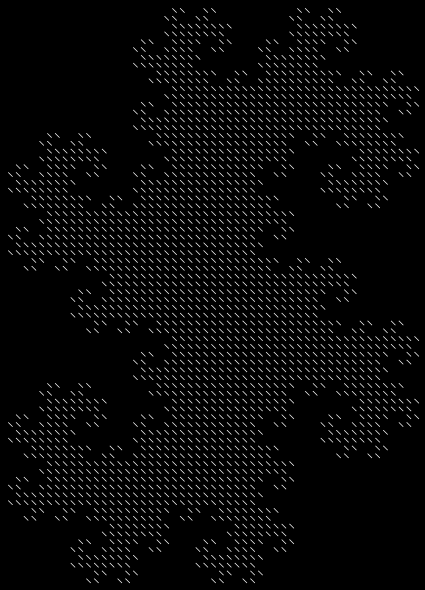
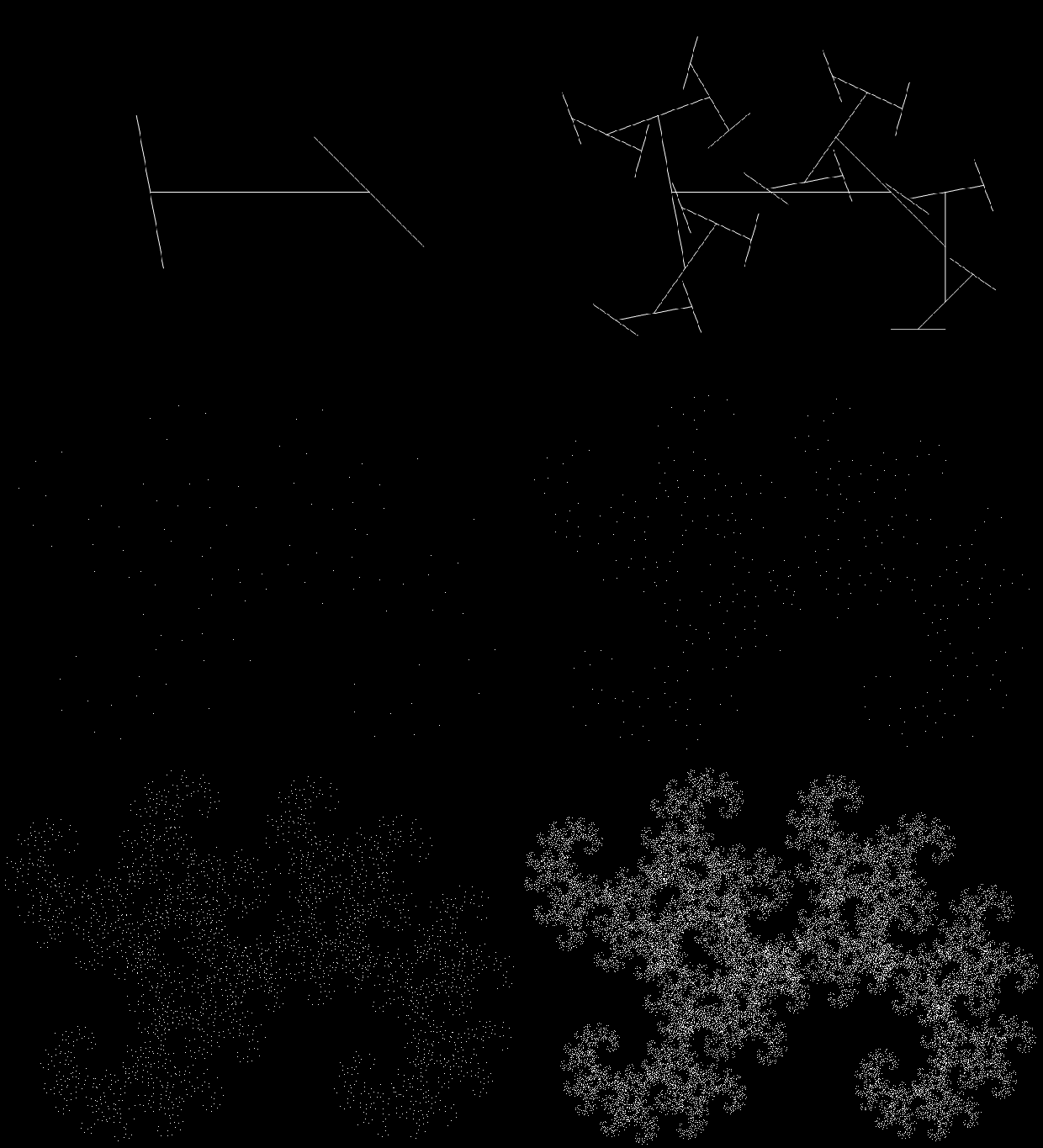
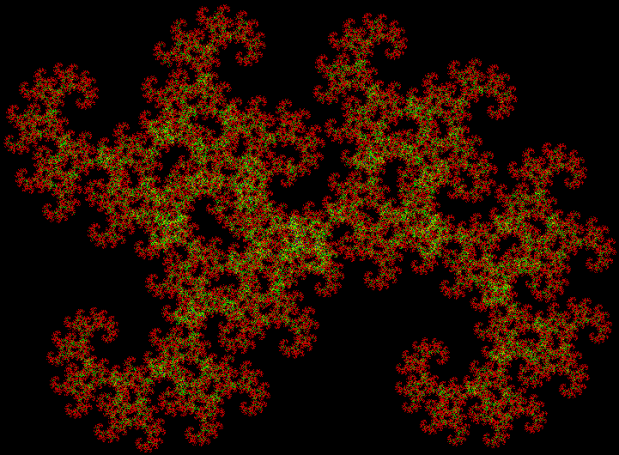
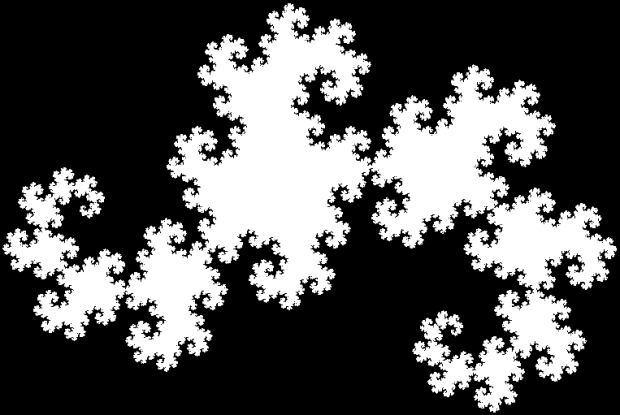
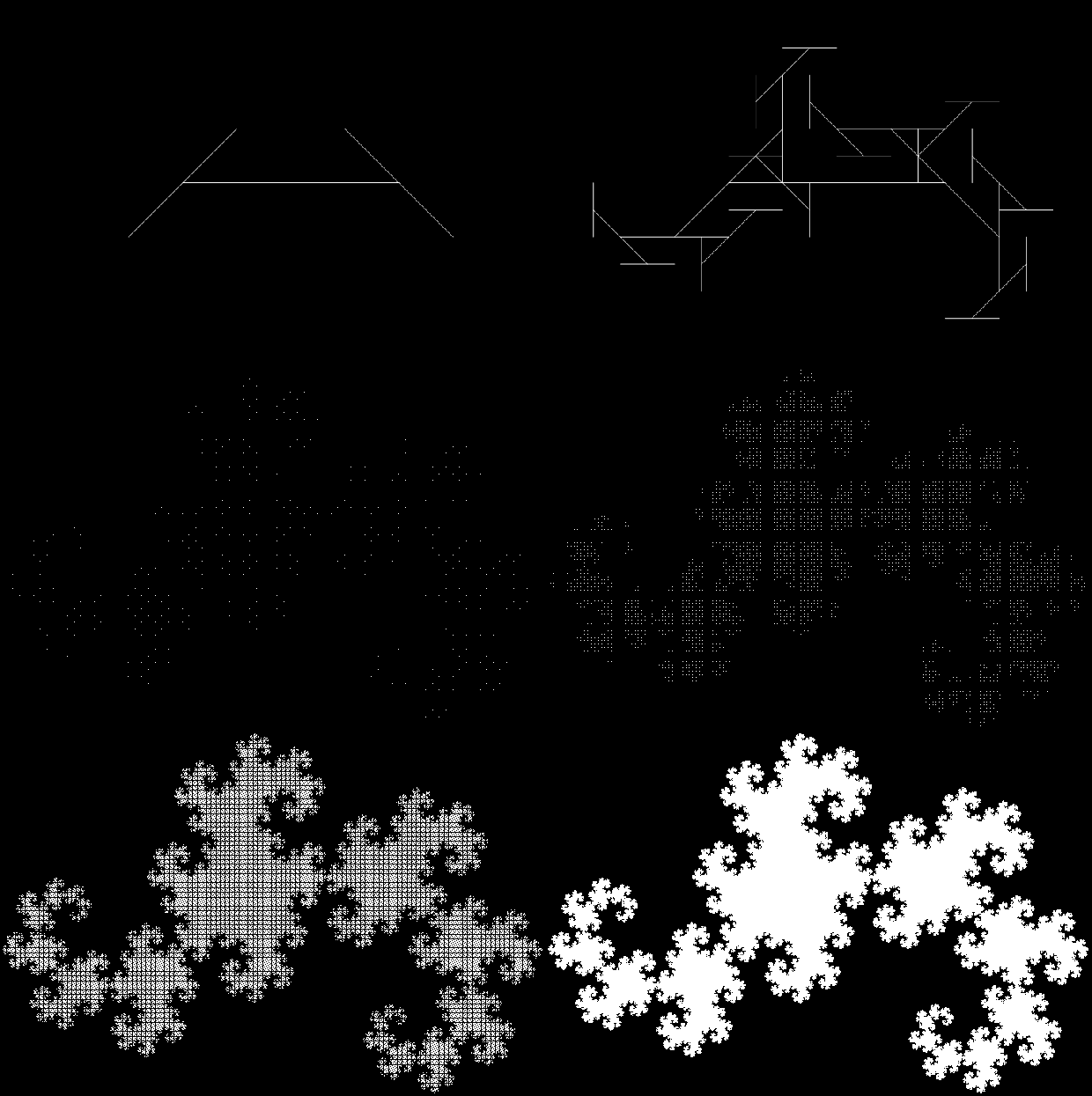
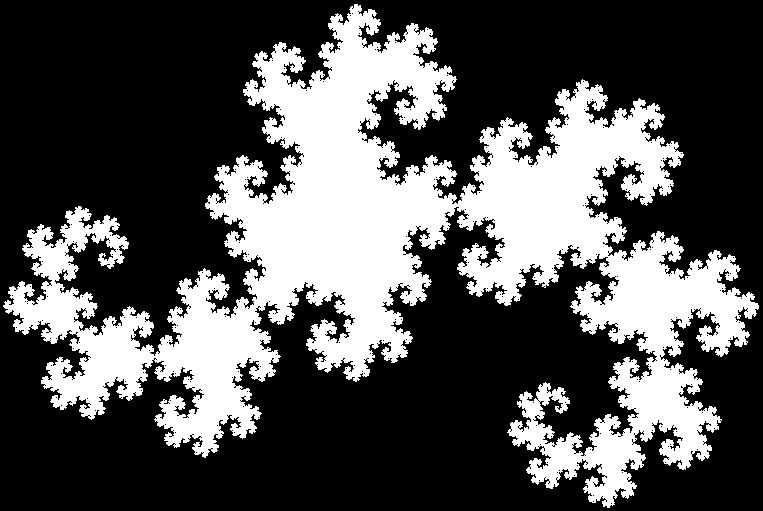
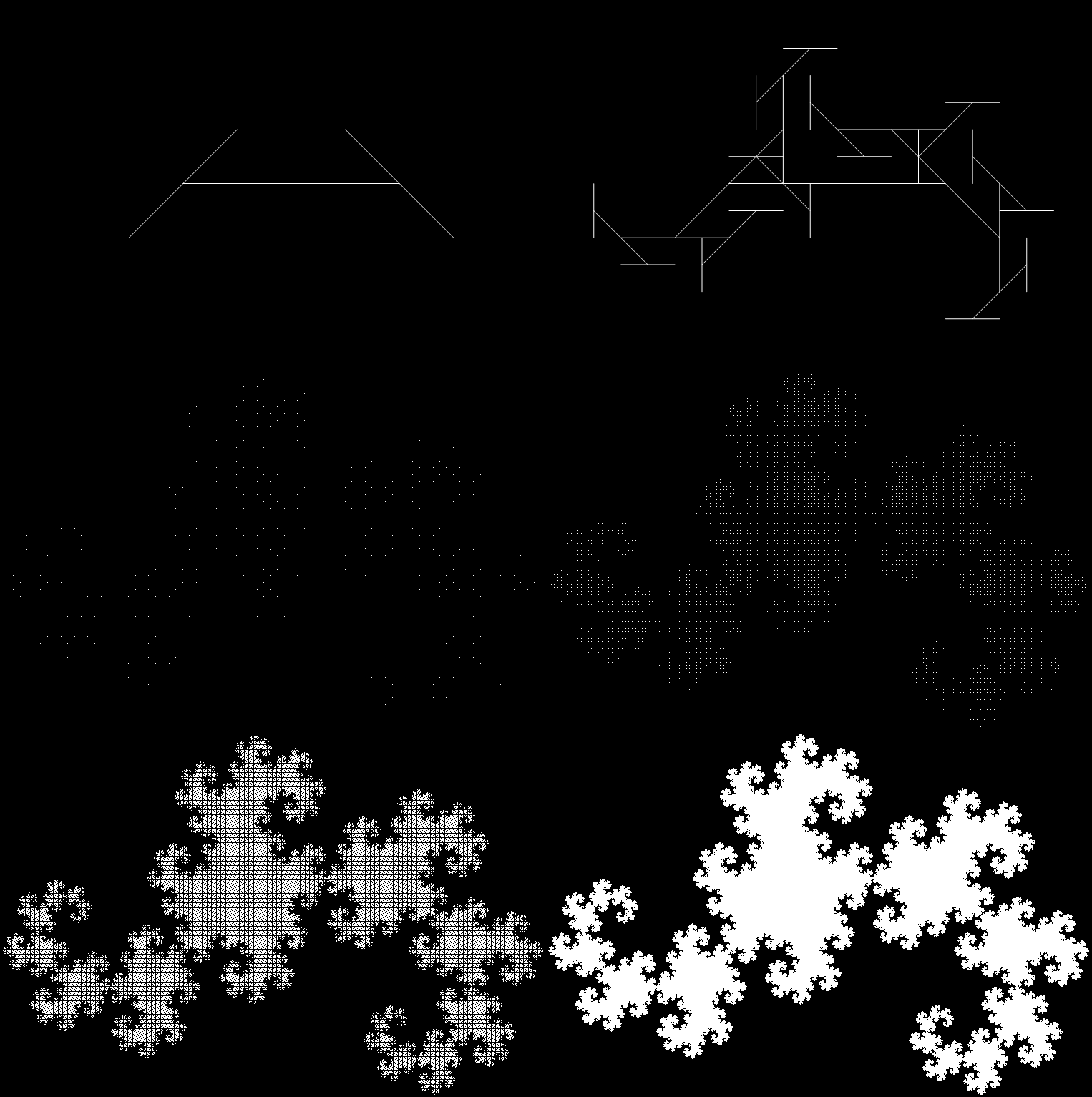
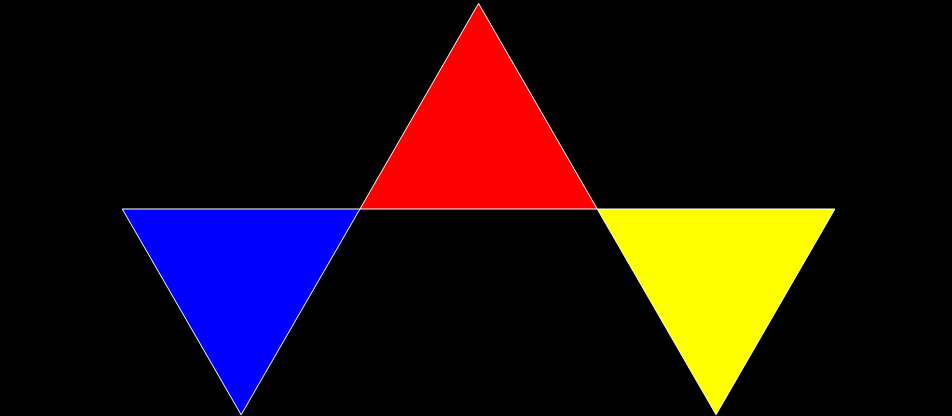
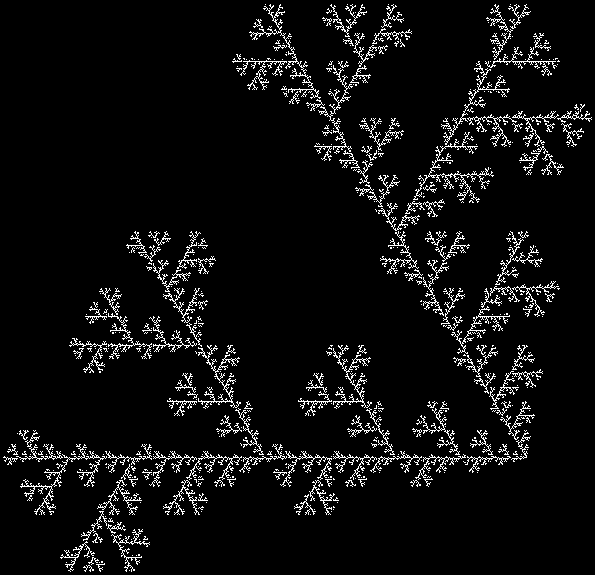
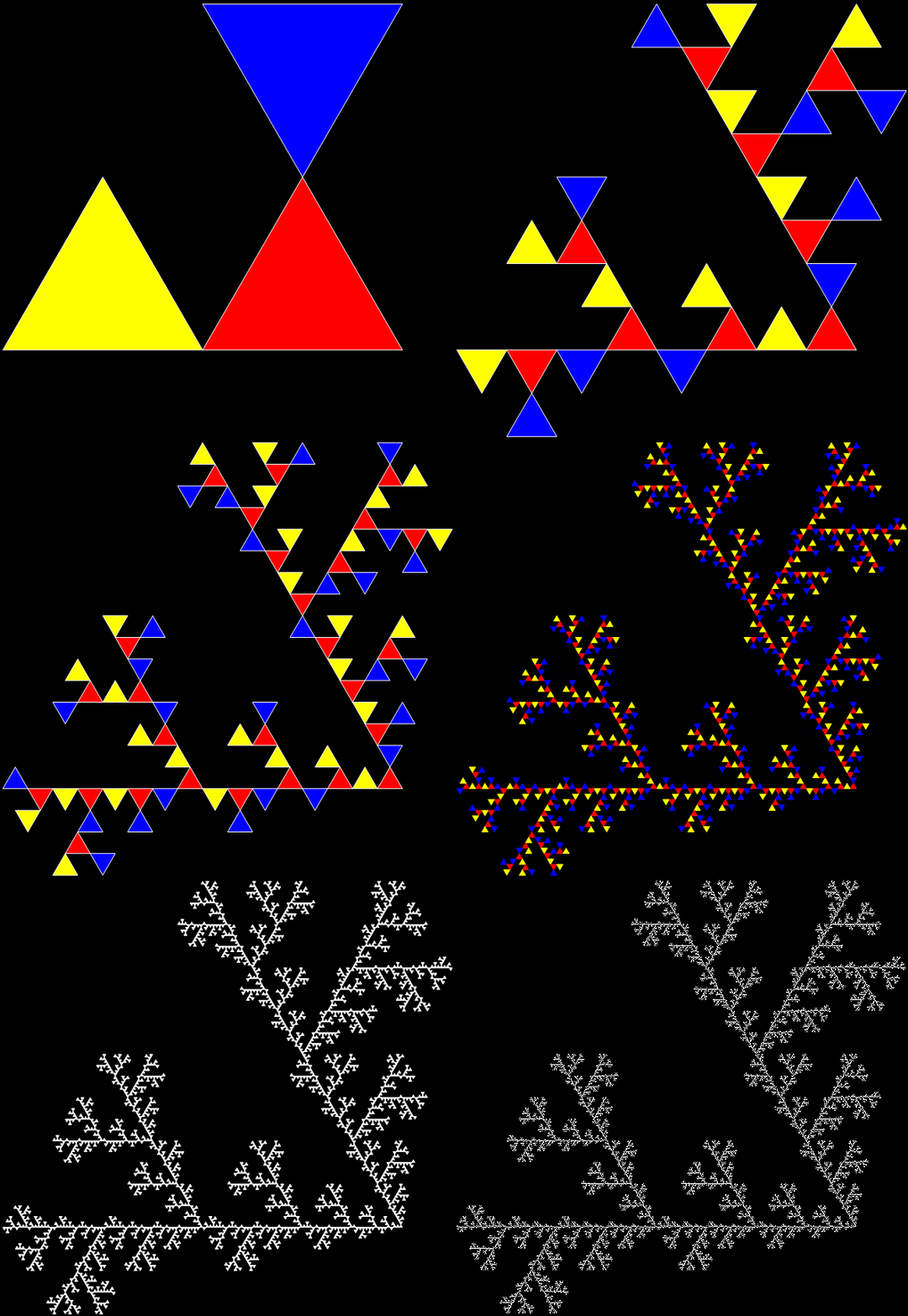
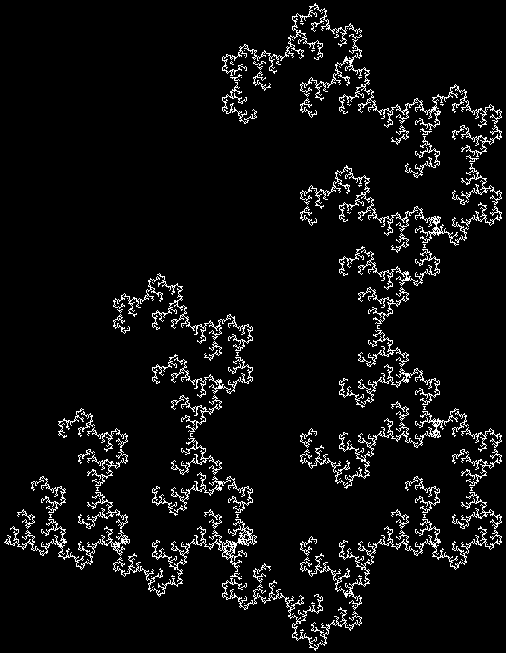
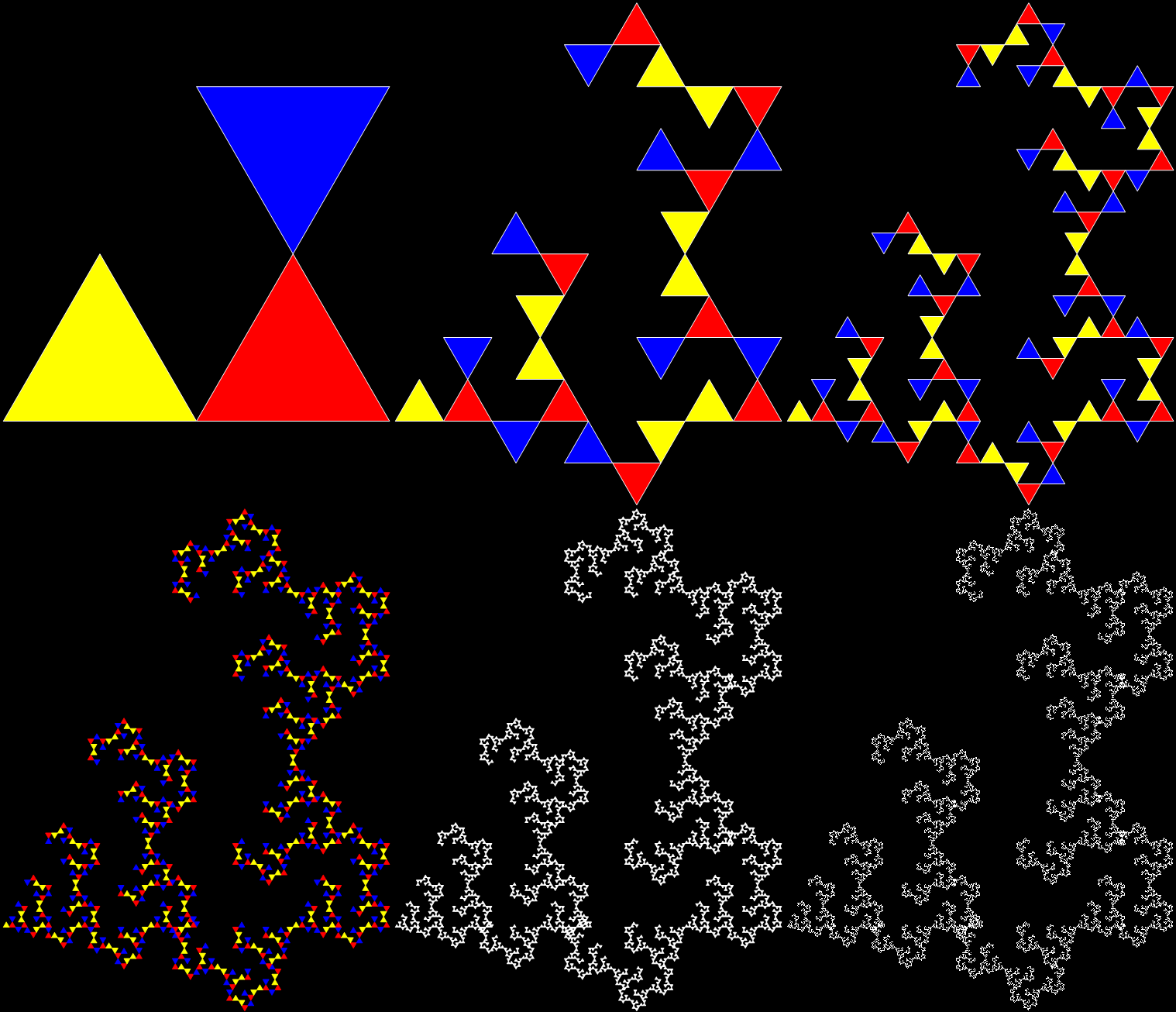
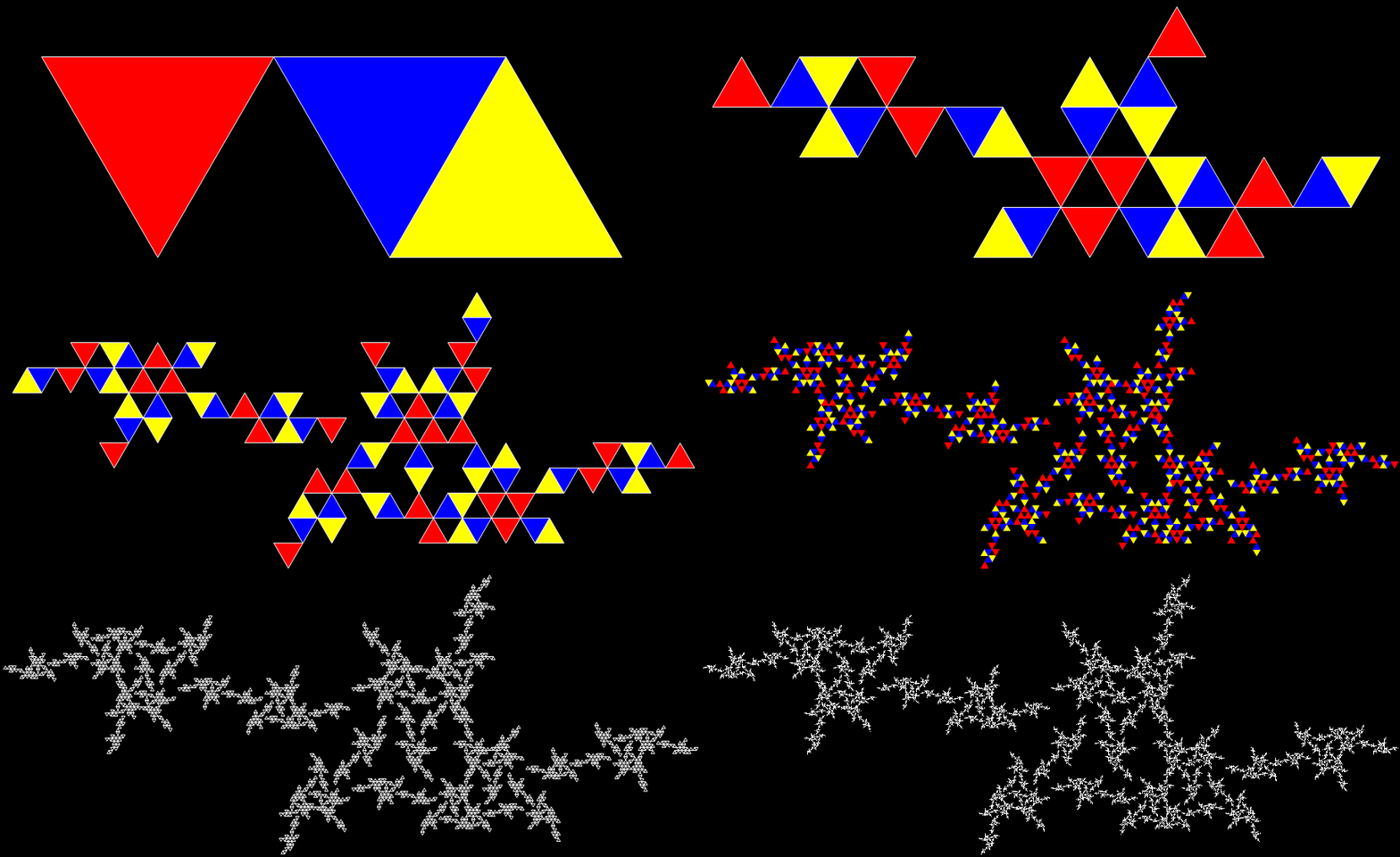
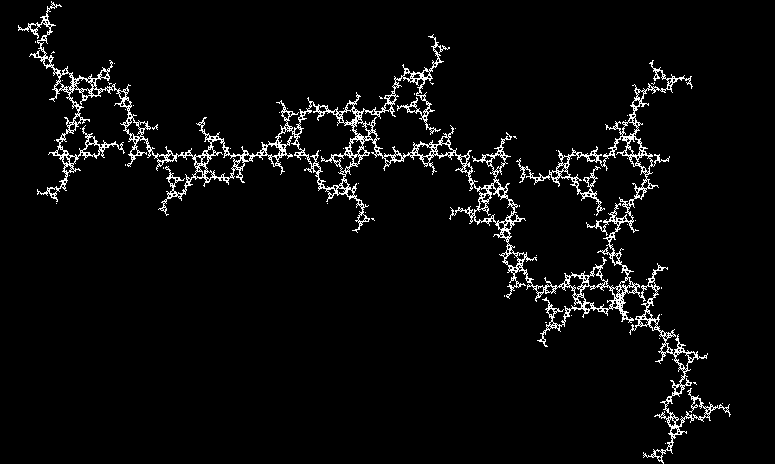
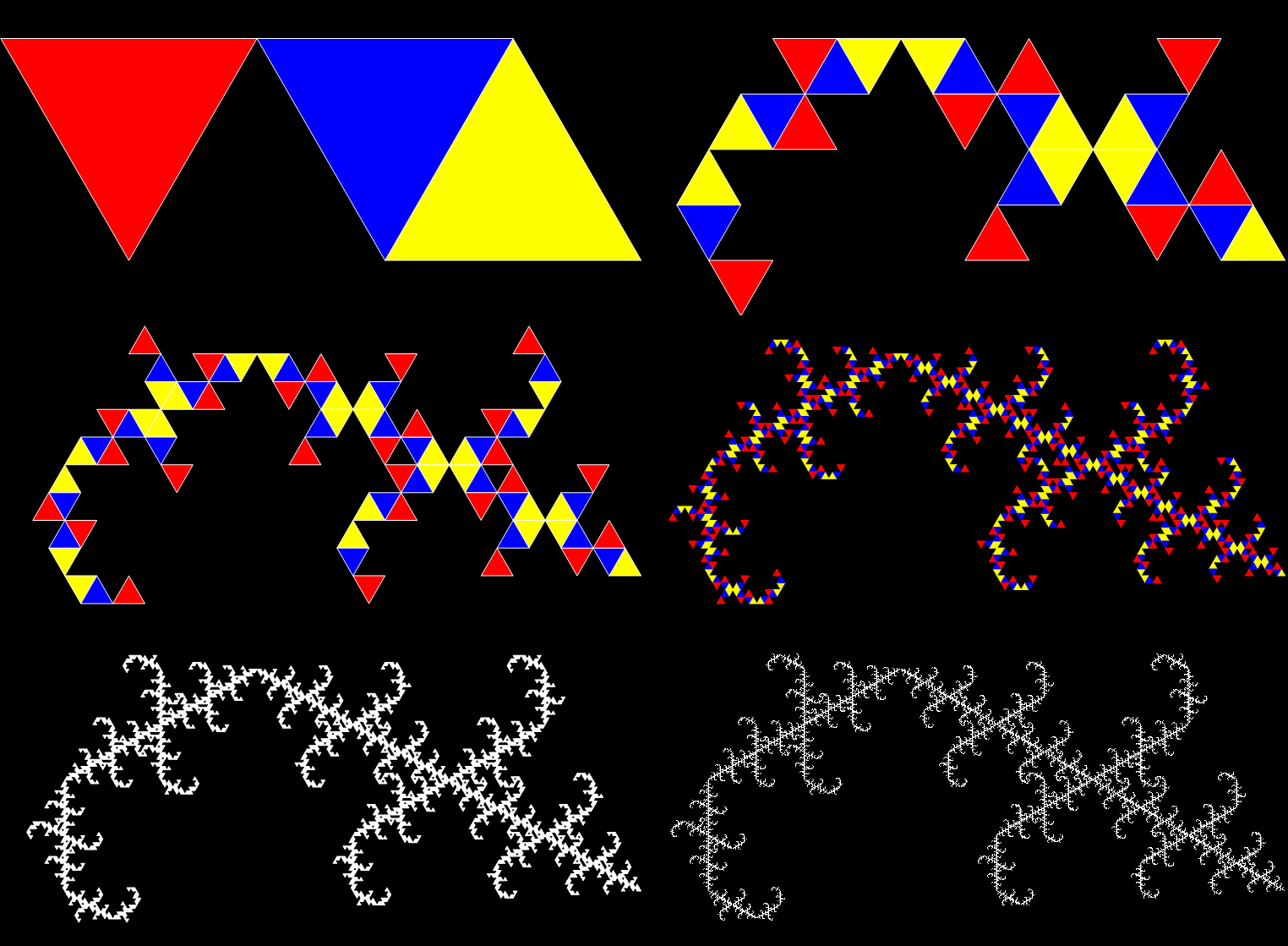
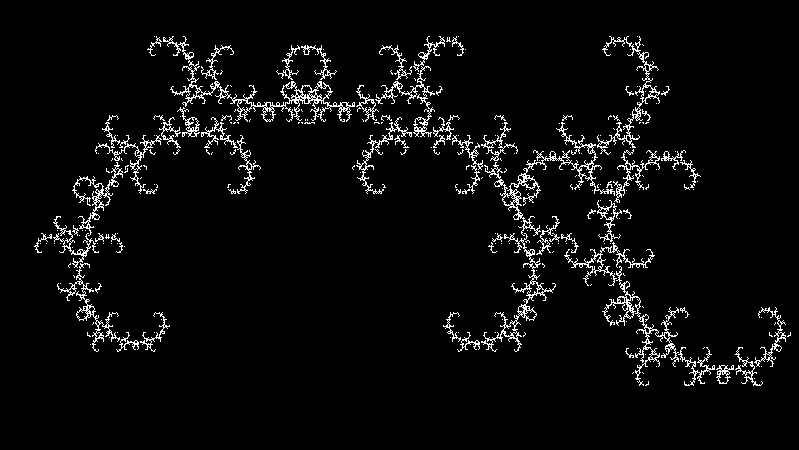
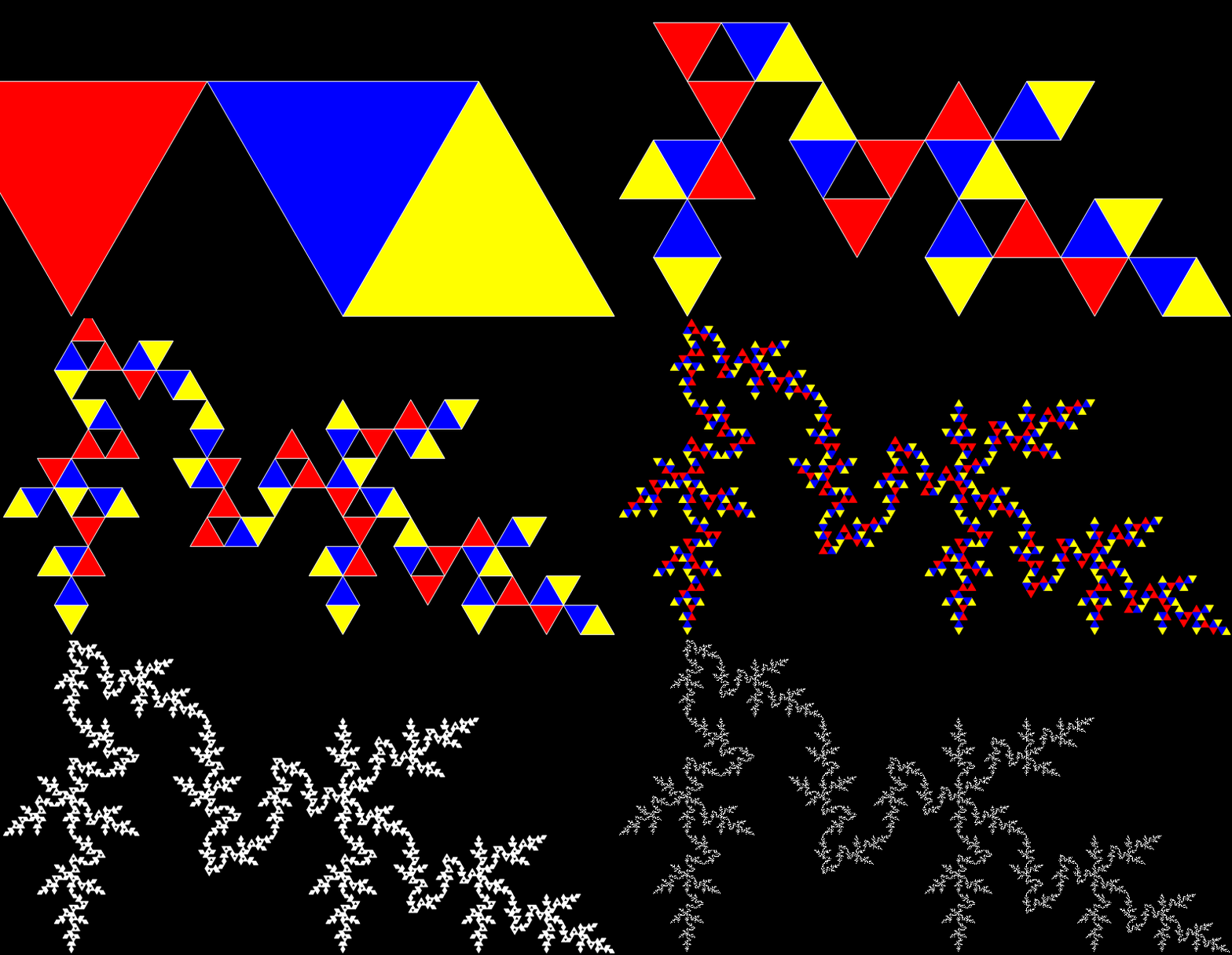
Pre-previously on Overlord-in-terms-of-Core-Issues-around-Maximal-Engagement-with-Key-Notions-of-the-Über-Feral, I interrogated issues around this shape, the horned triangle:
Horned Triangle (more details)
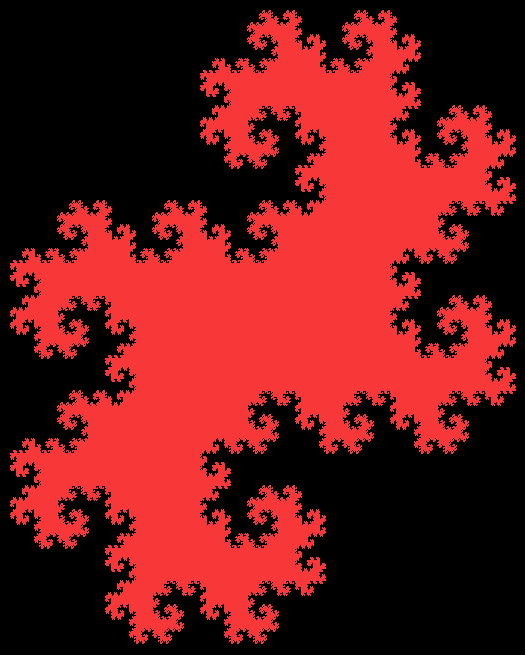
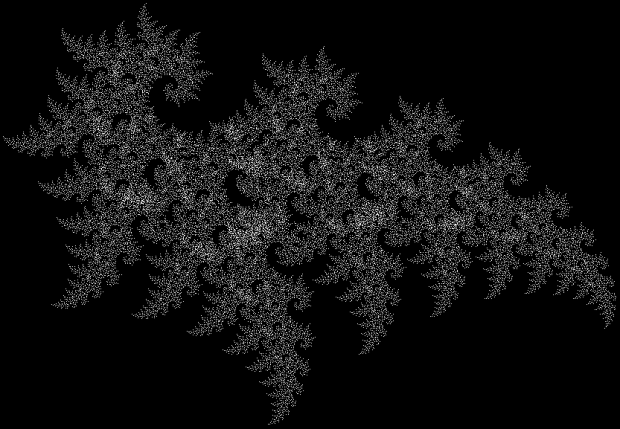
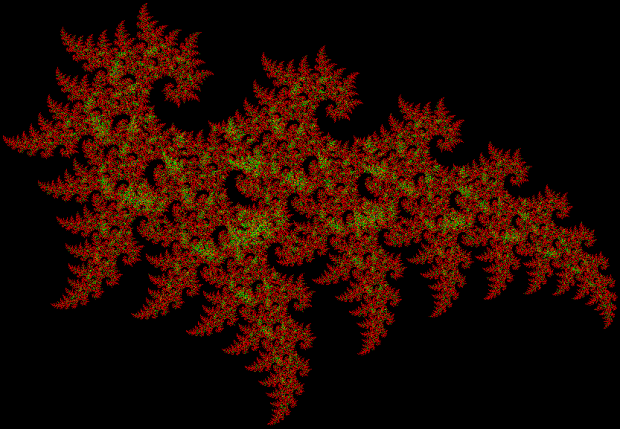
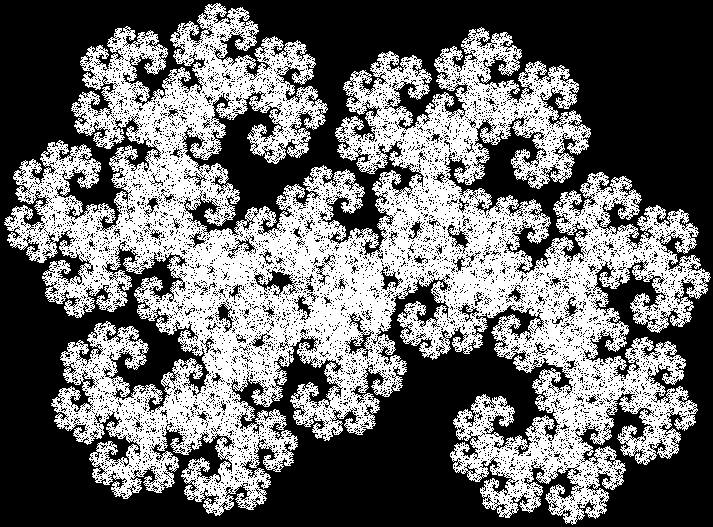
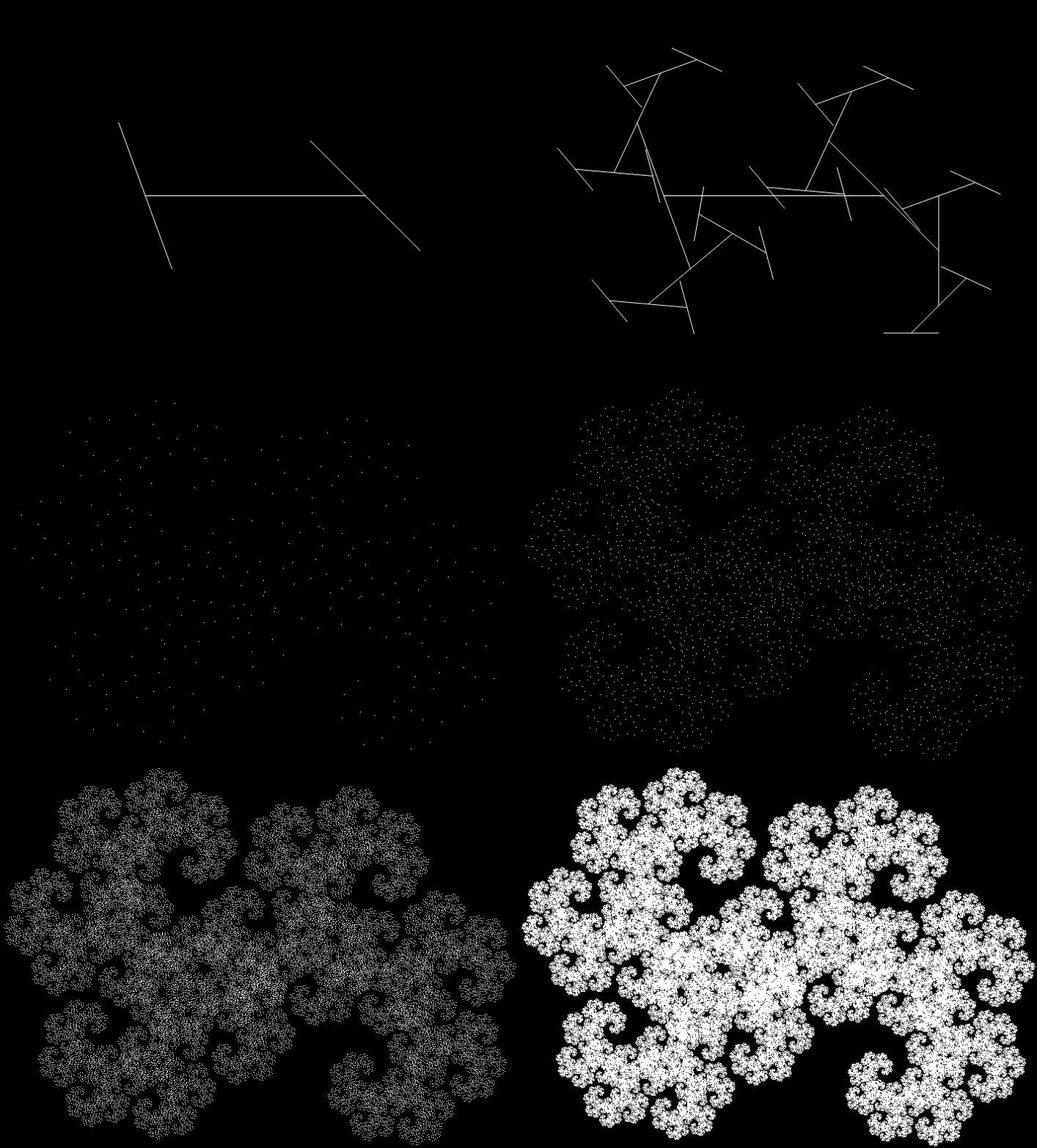
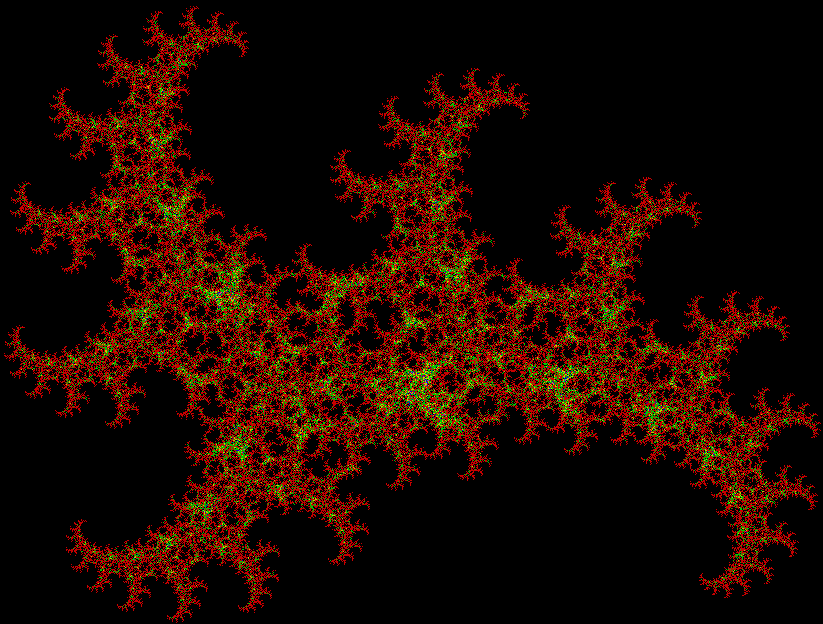
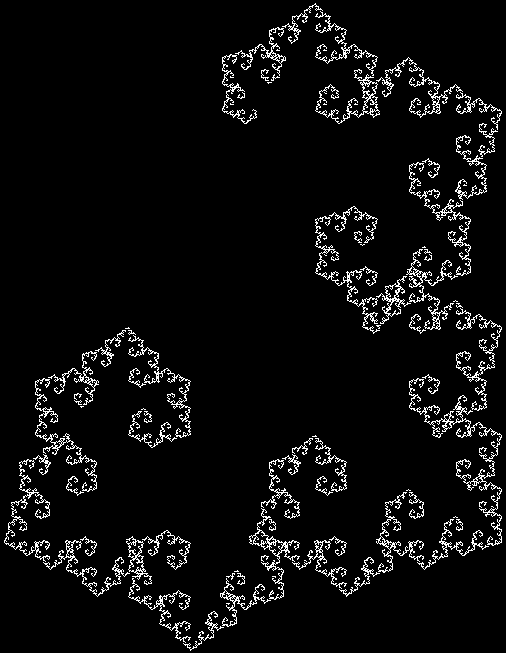
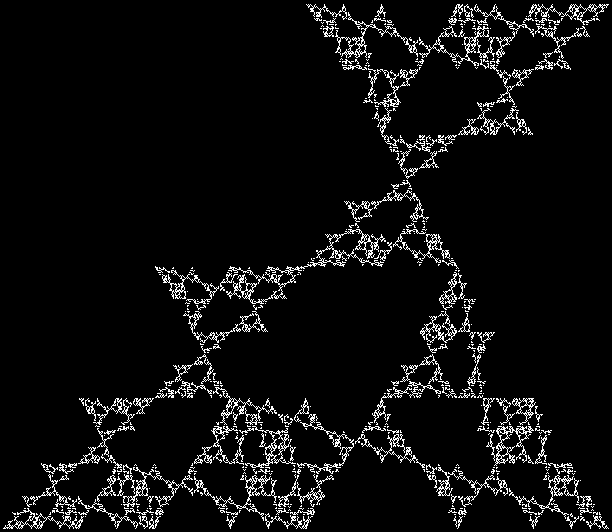
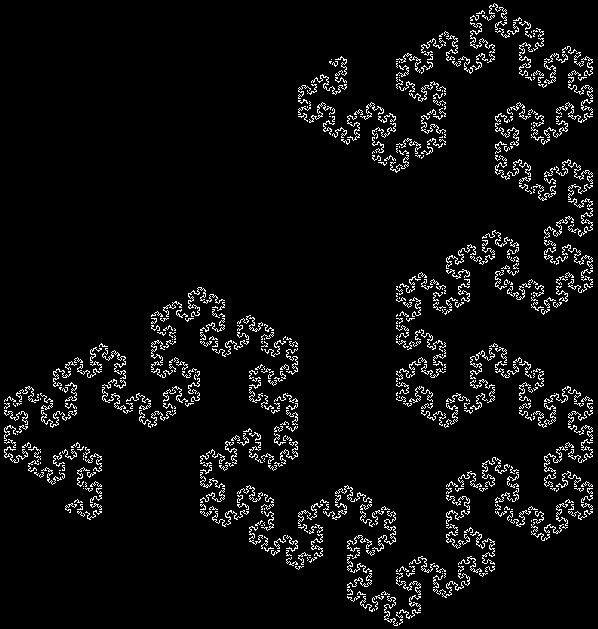
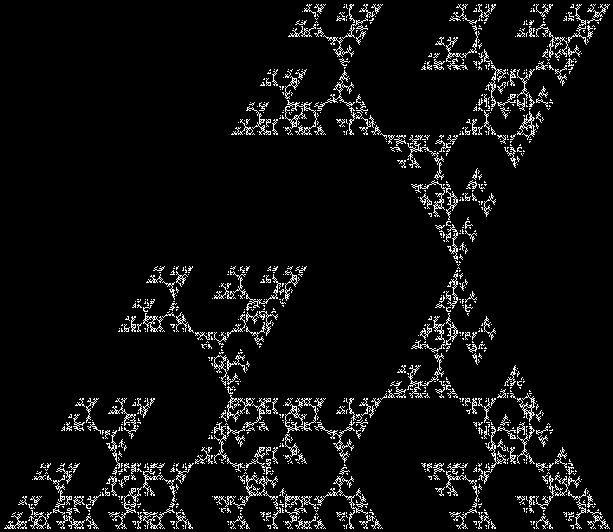
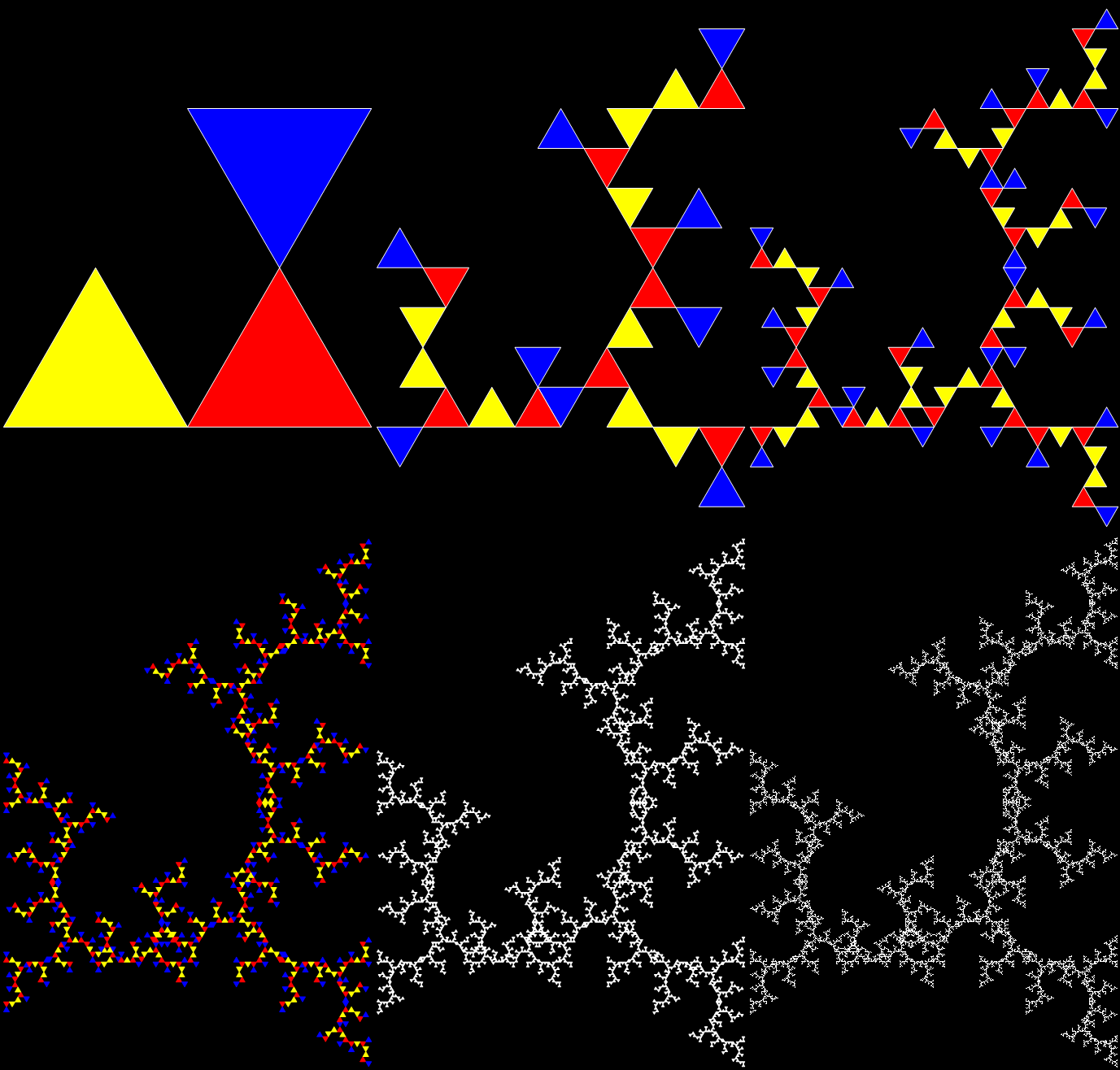
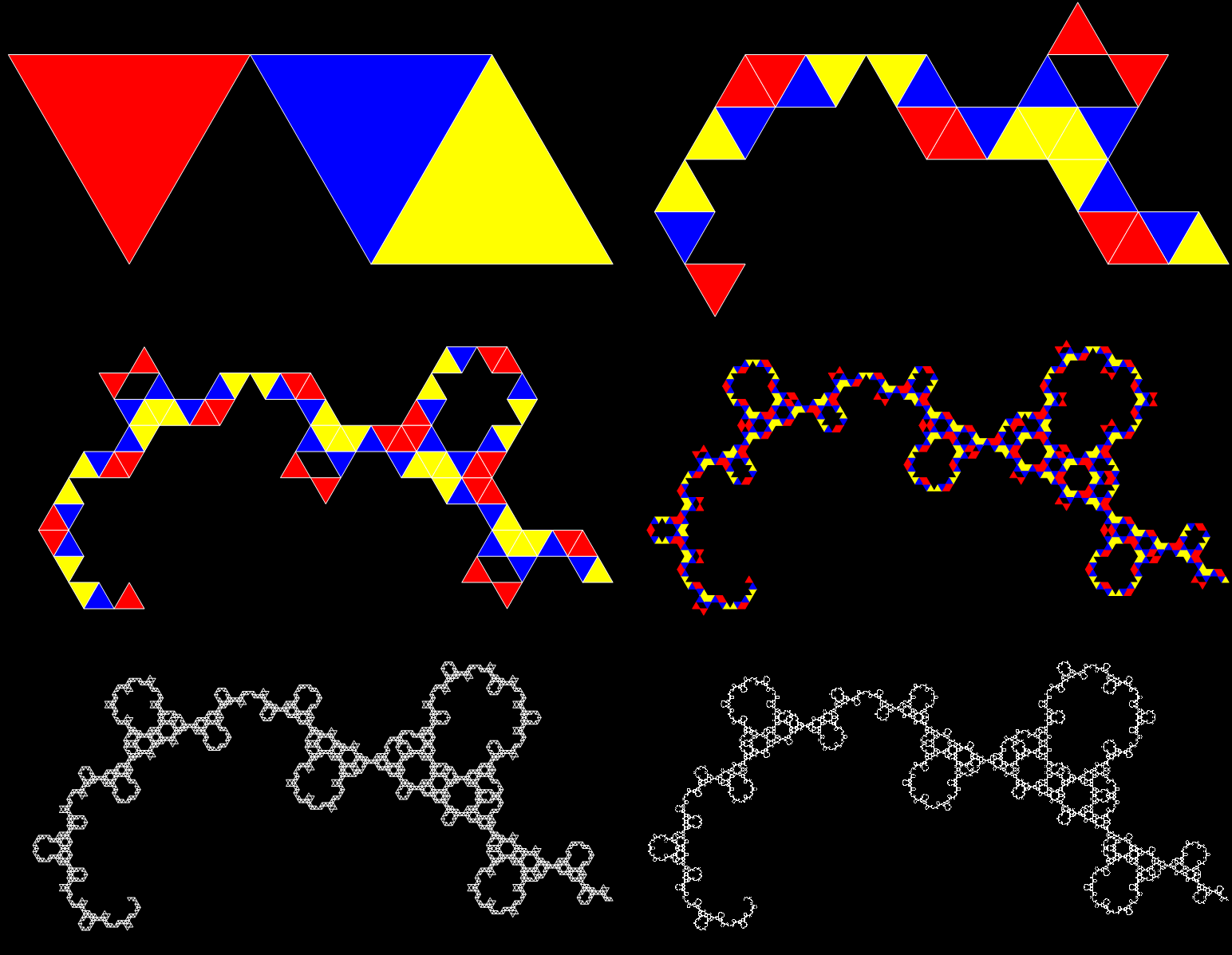
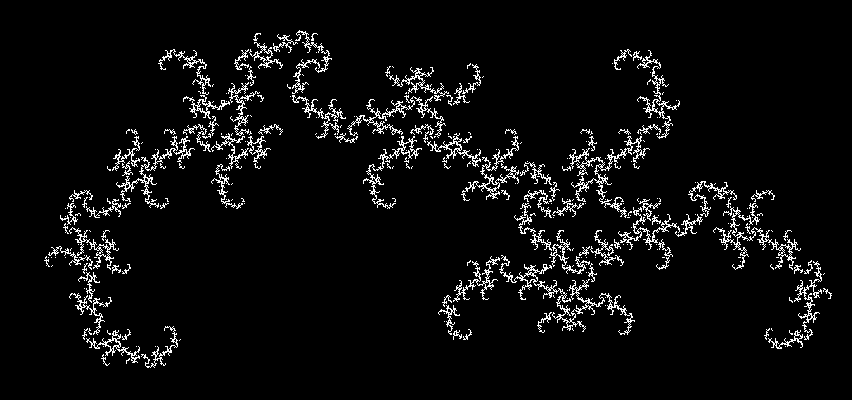
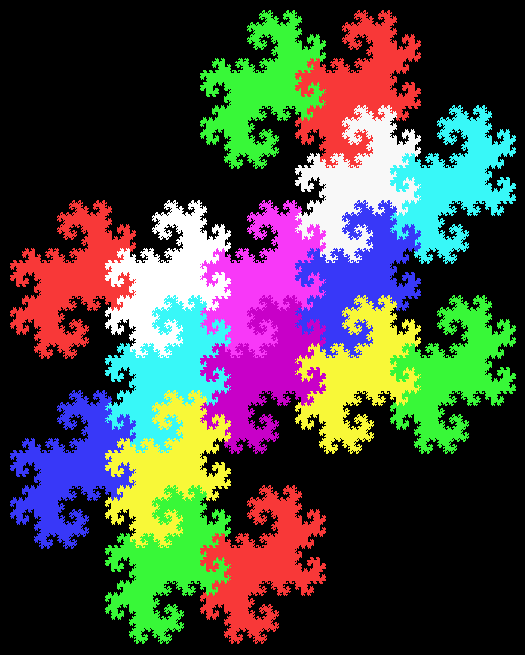
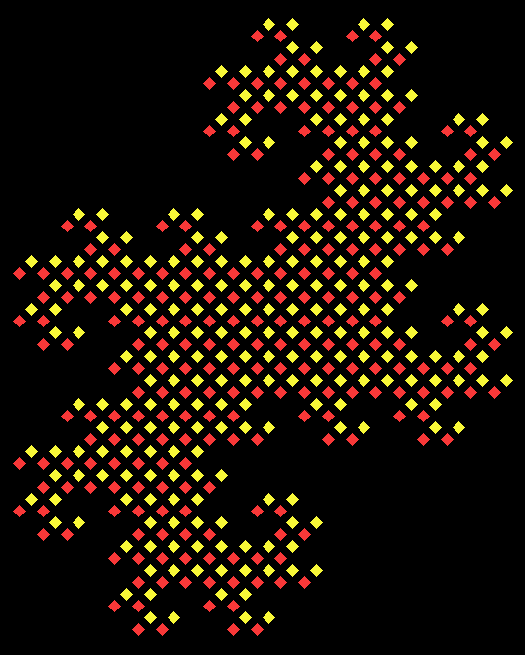
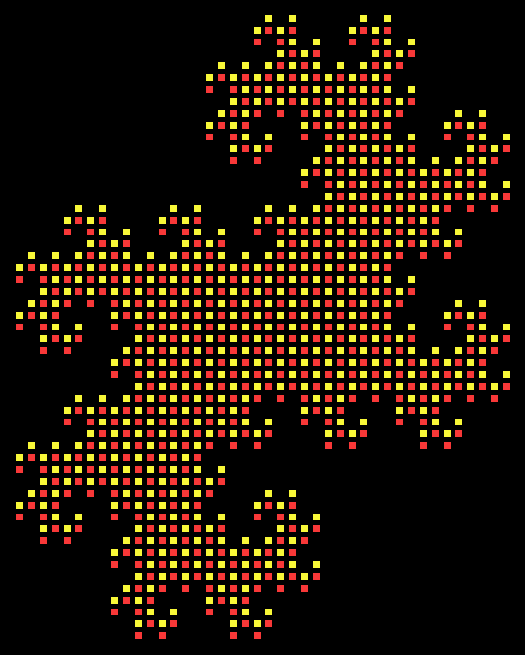
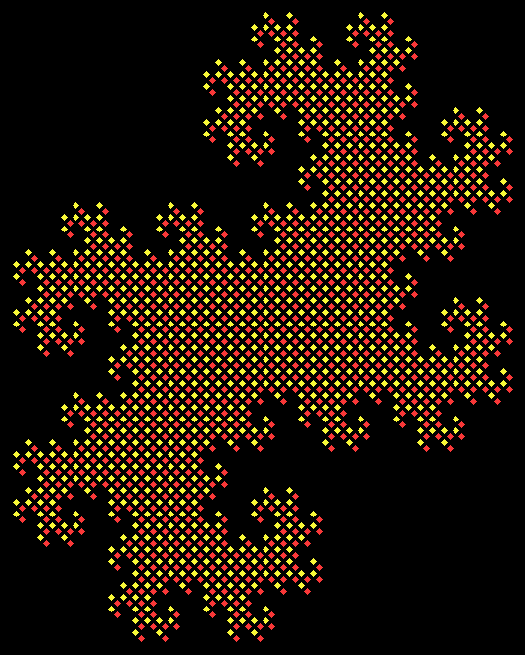
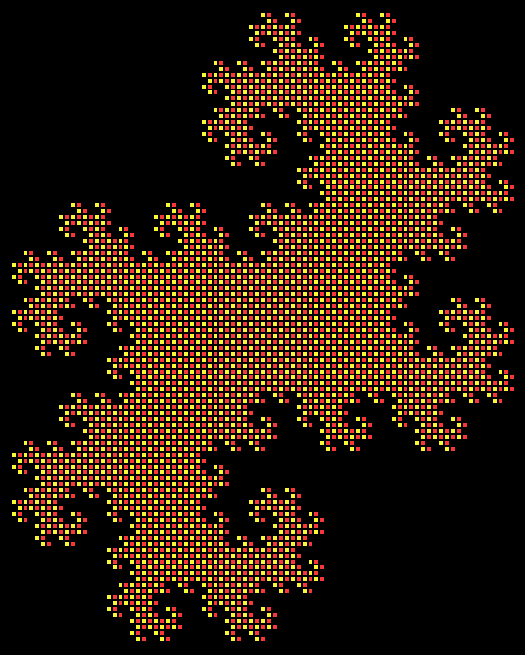
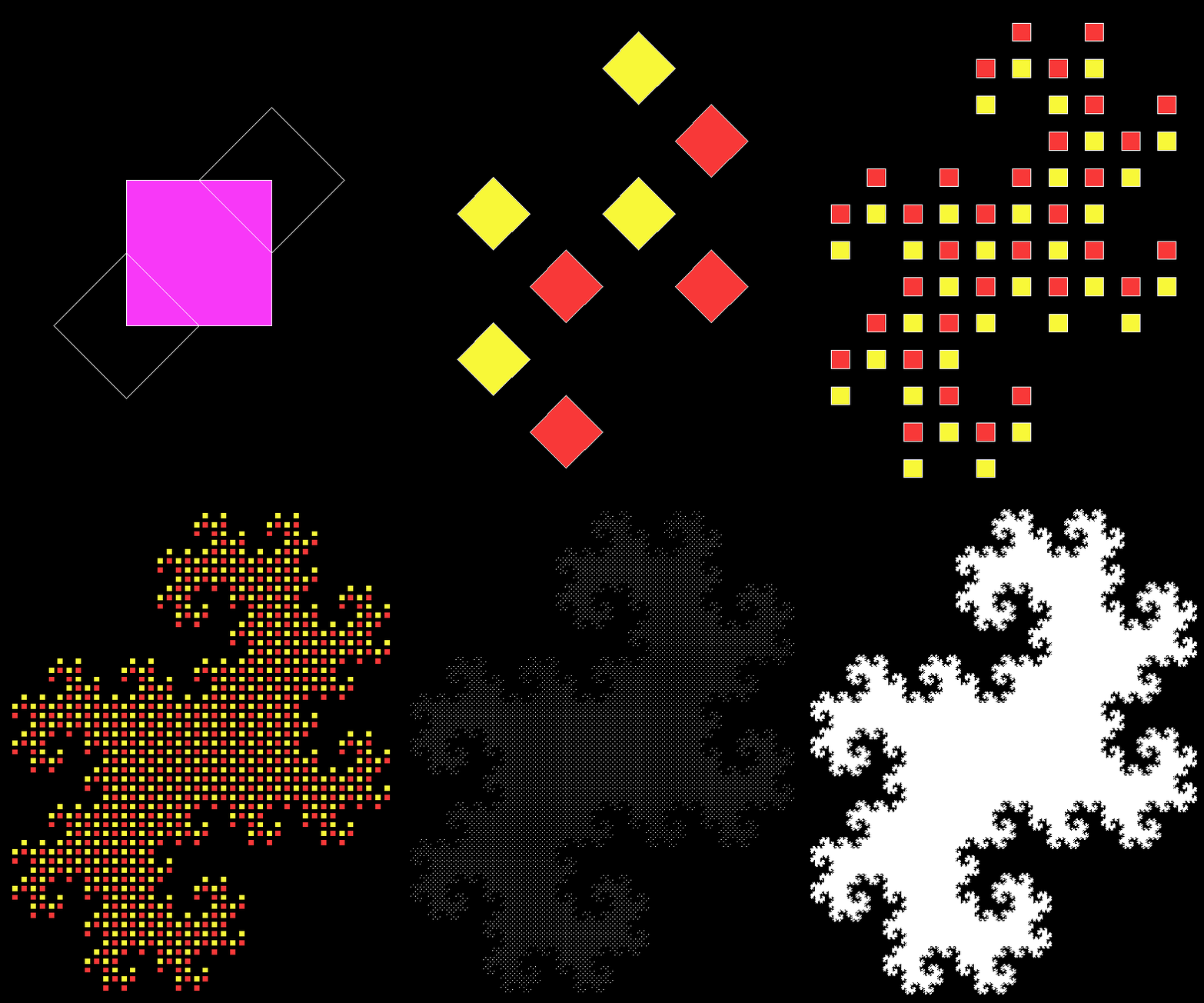
Now I want to look at the tricorn (from Latin tri-, “three”, + -corn, “horn”). It’s like a horned triangle, but has three horns instead of one:
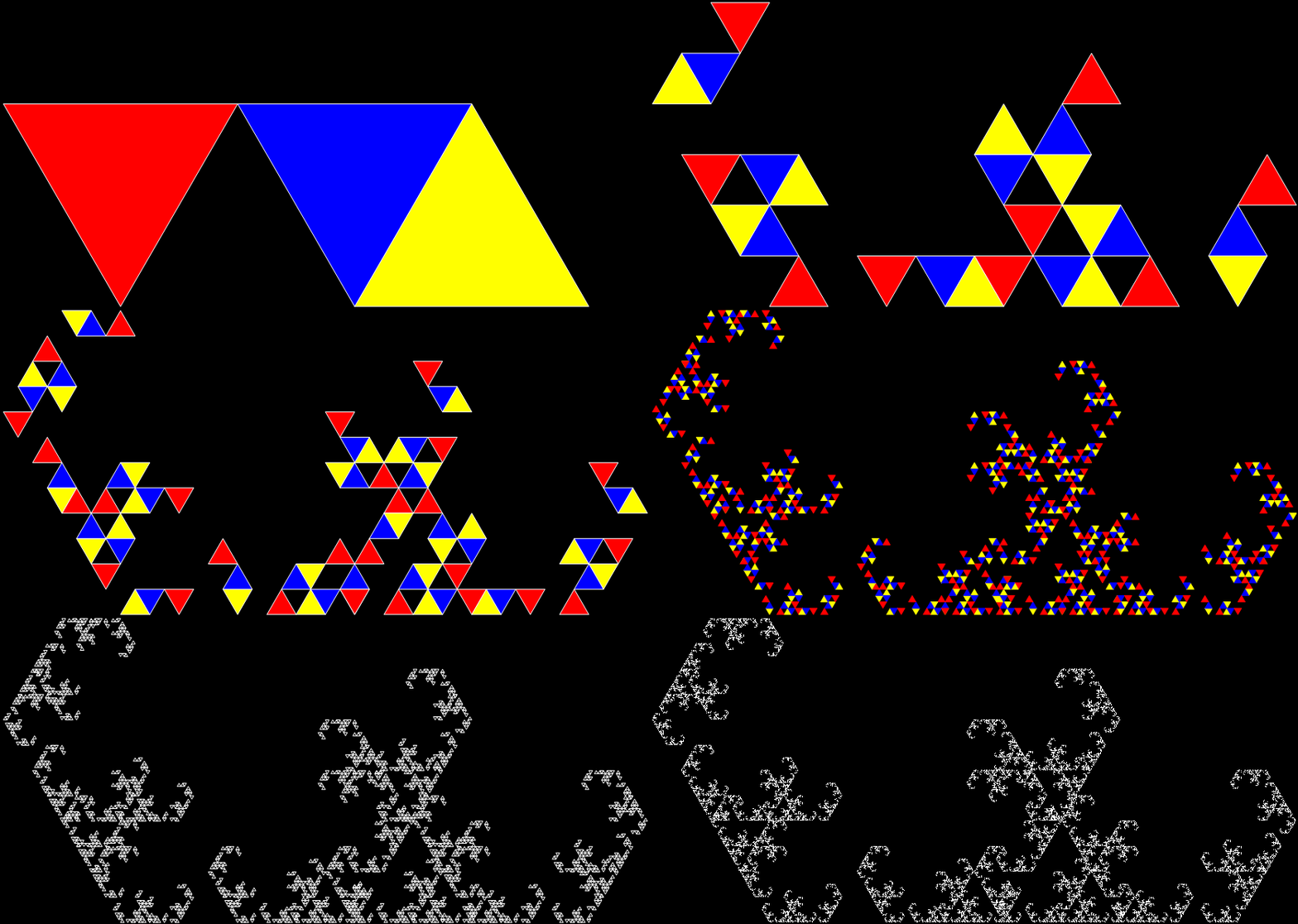
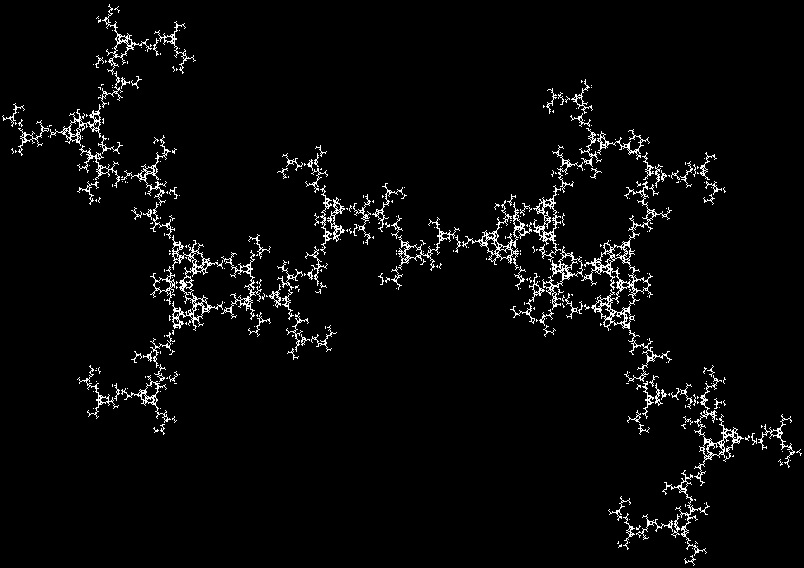
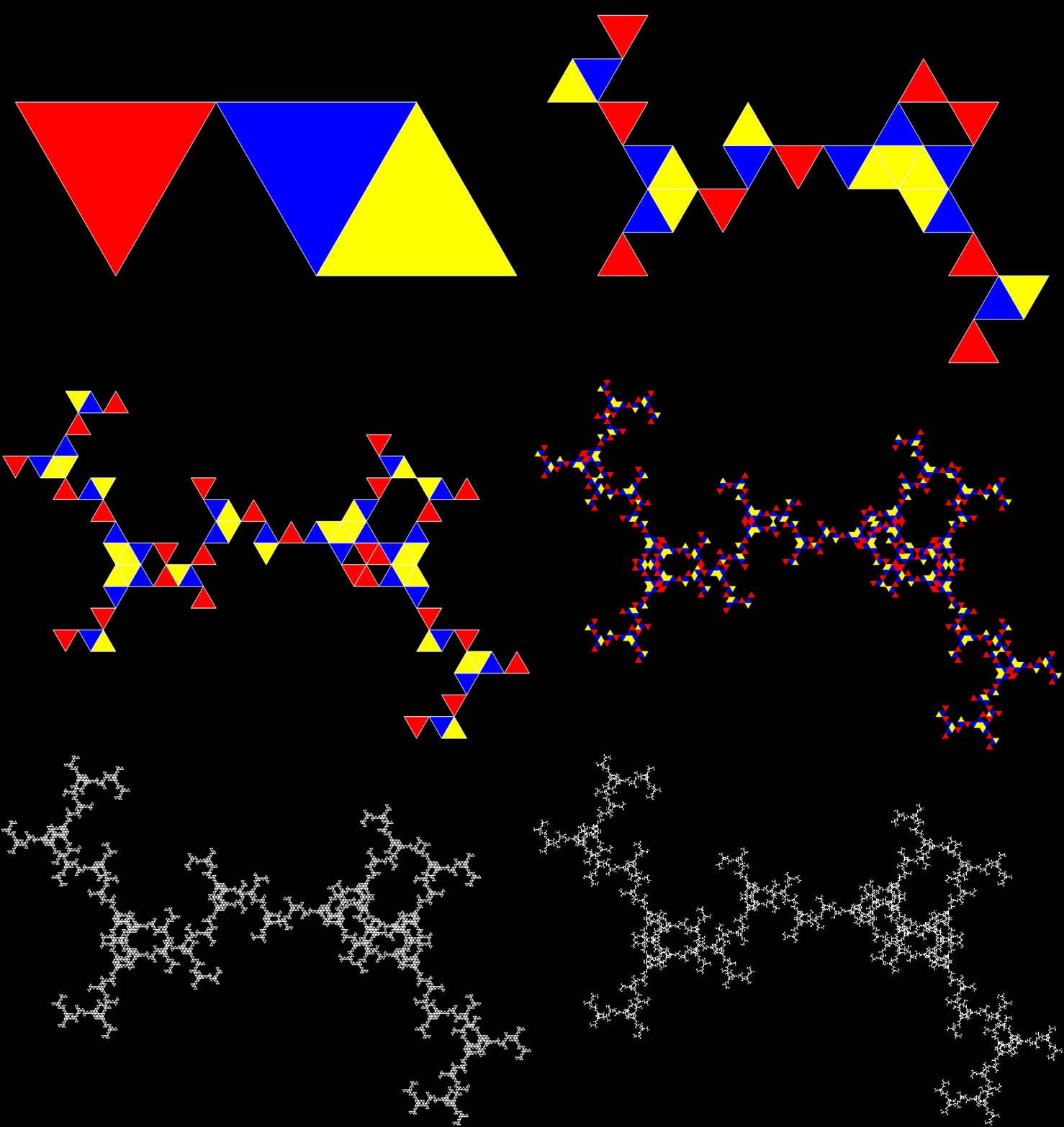
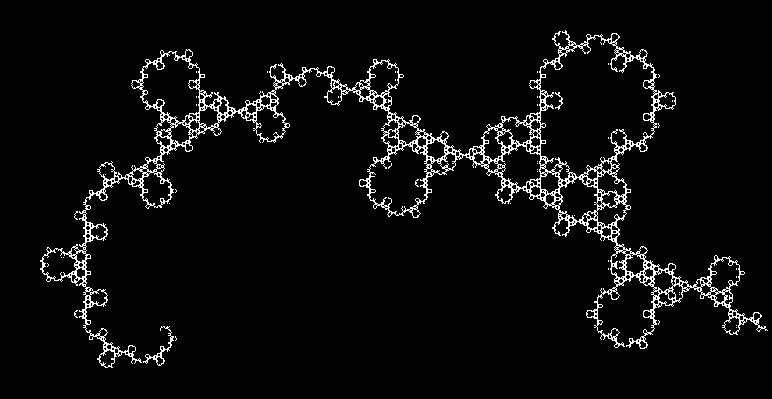
Tricorn, or three-horned triangle
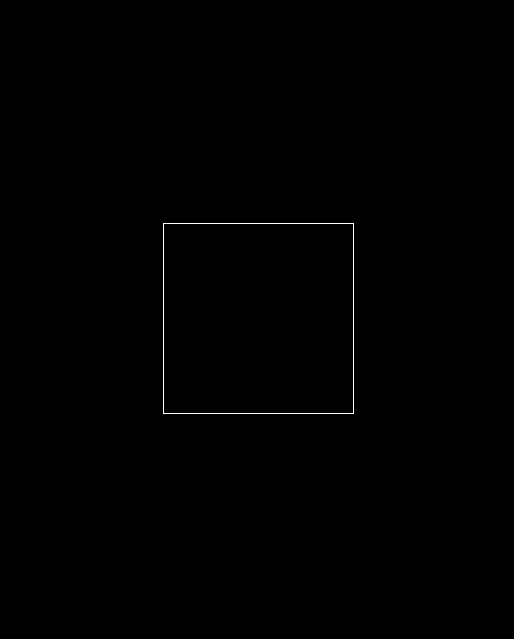
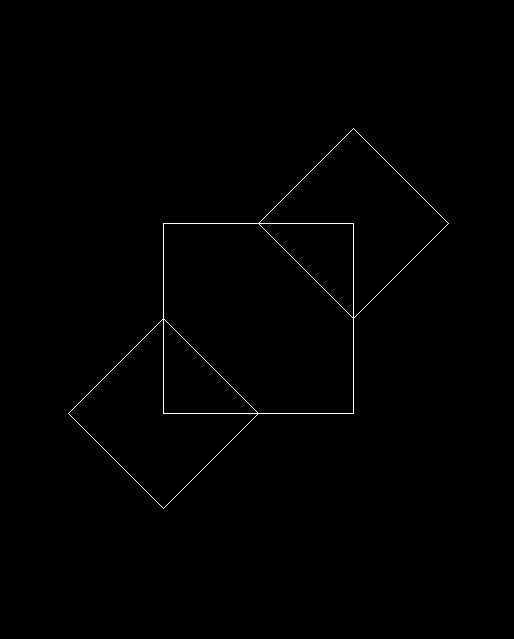
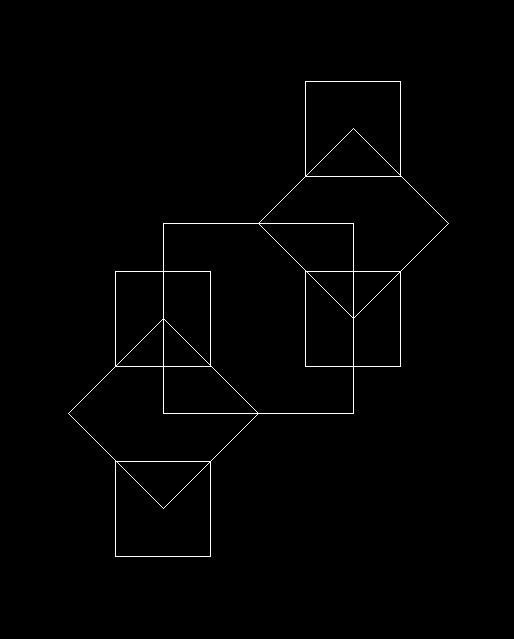
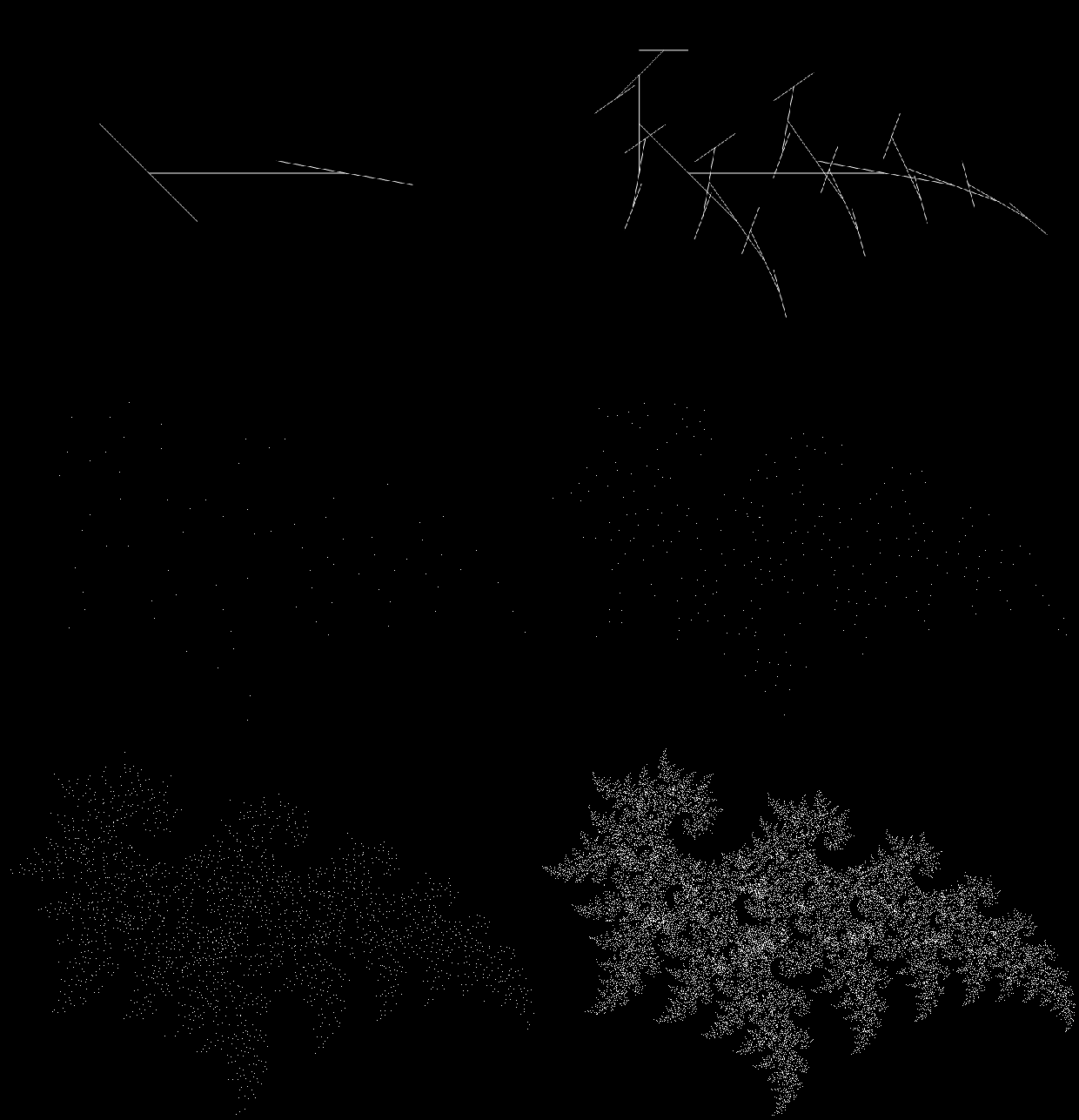
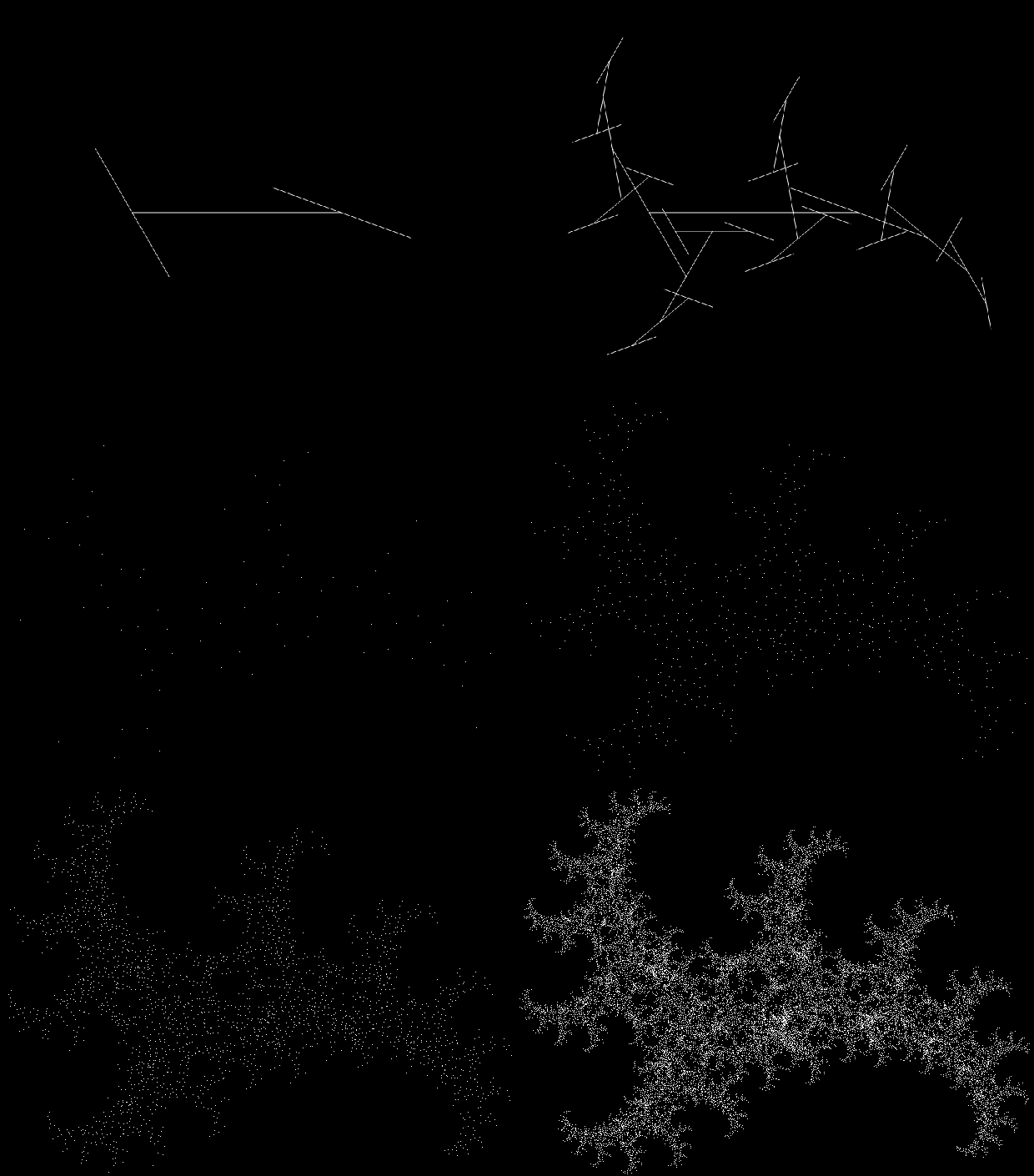
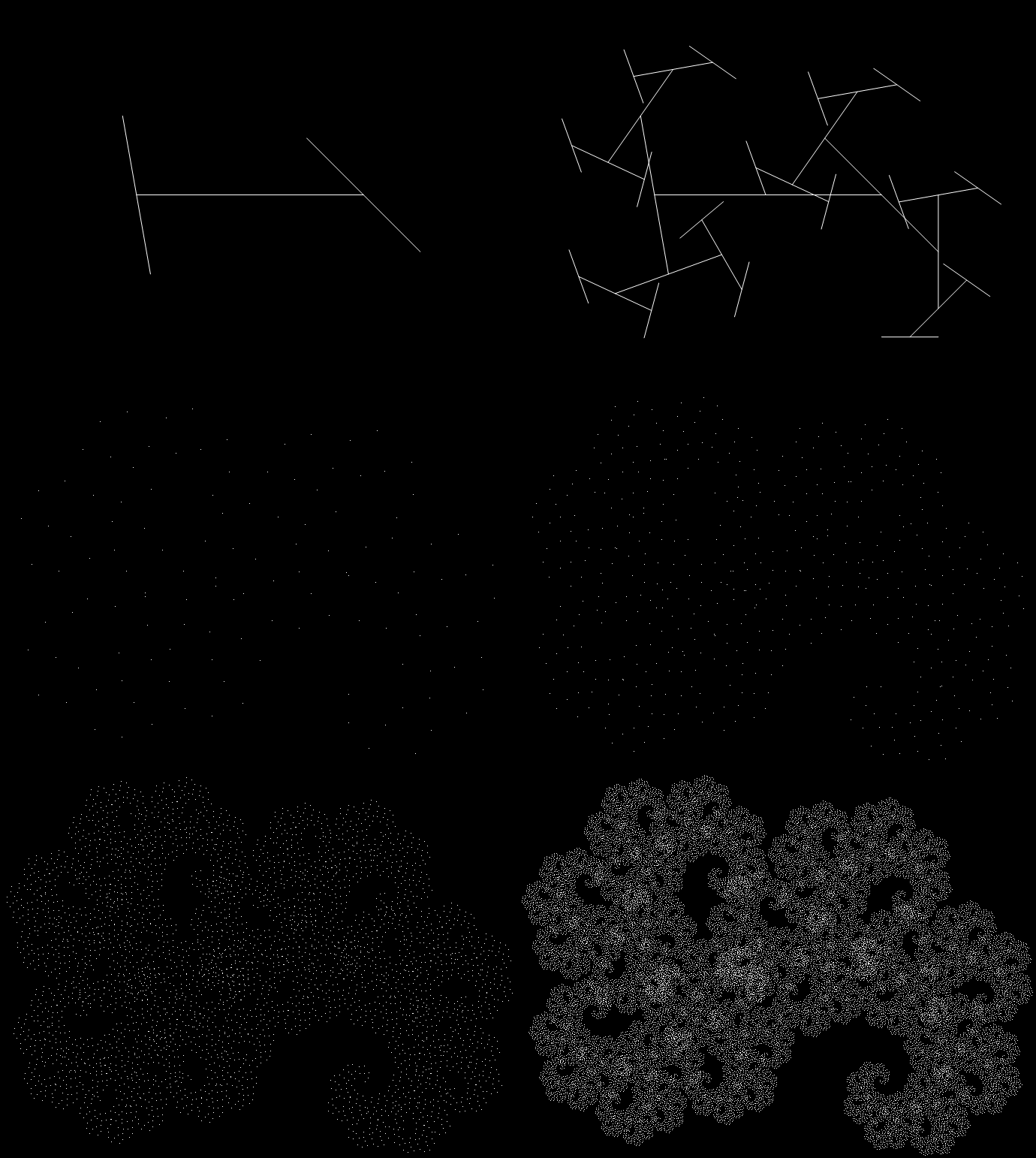
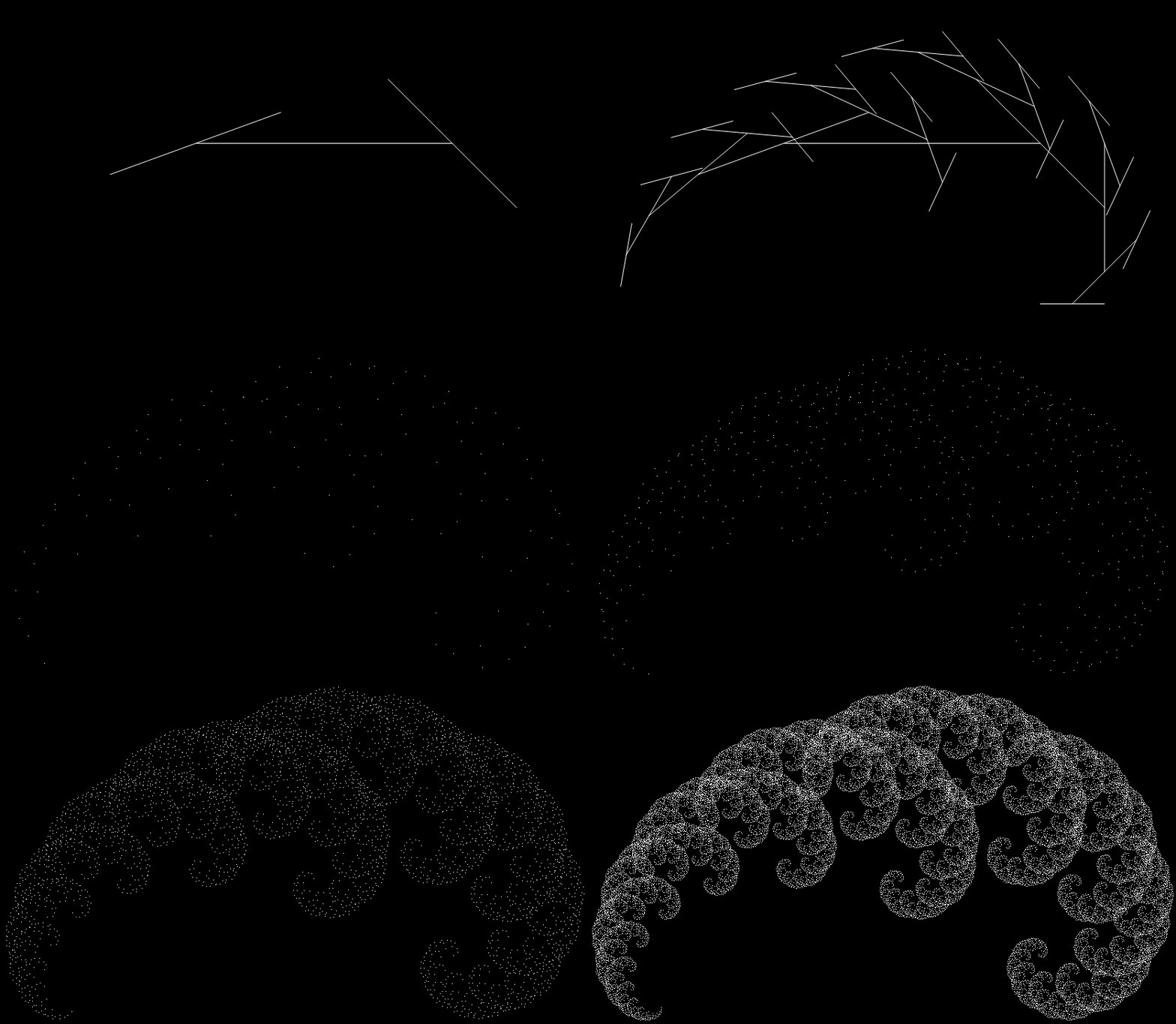
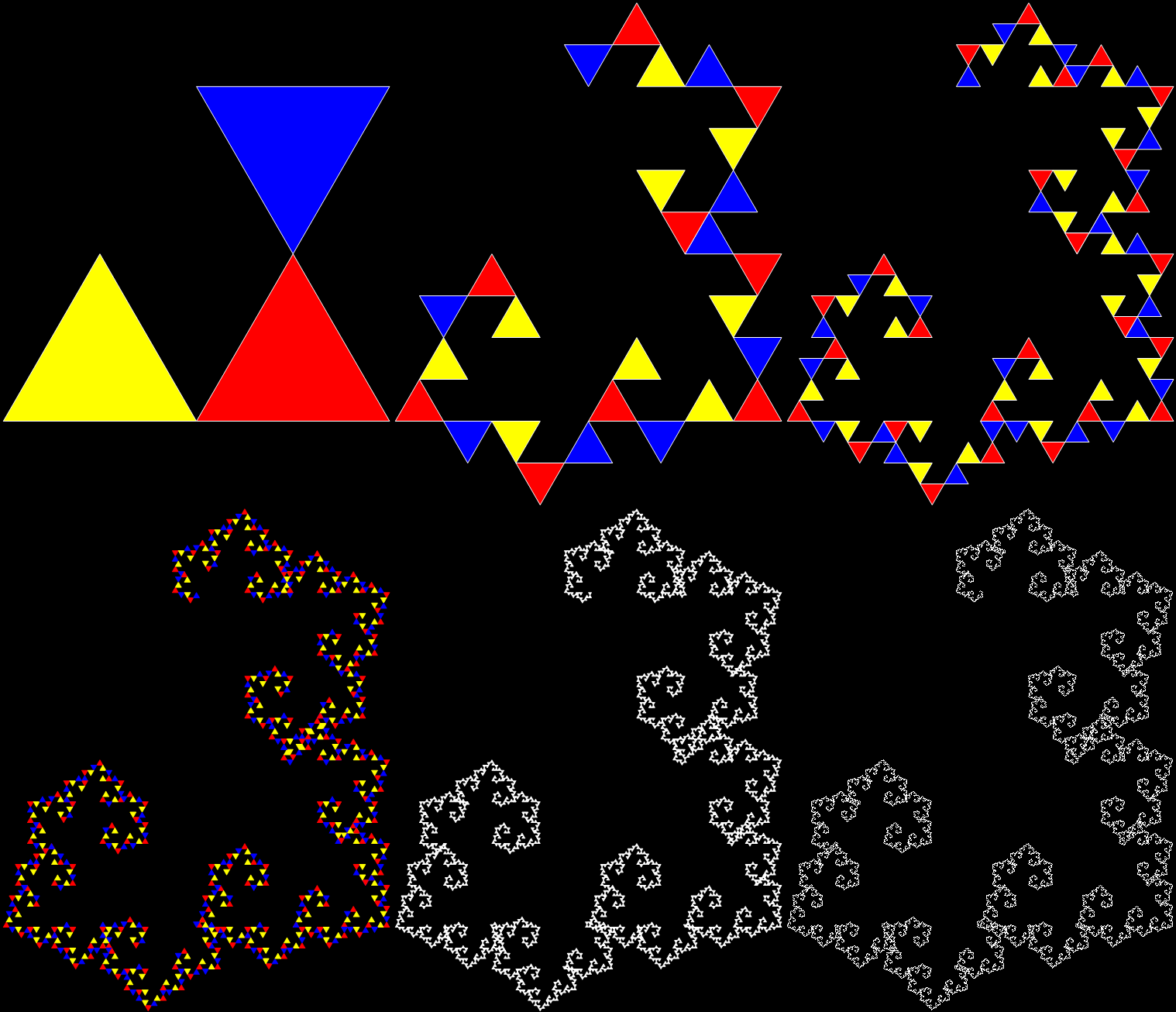
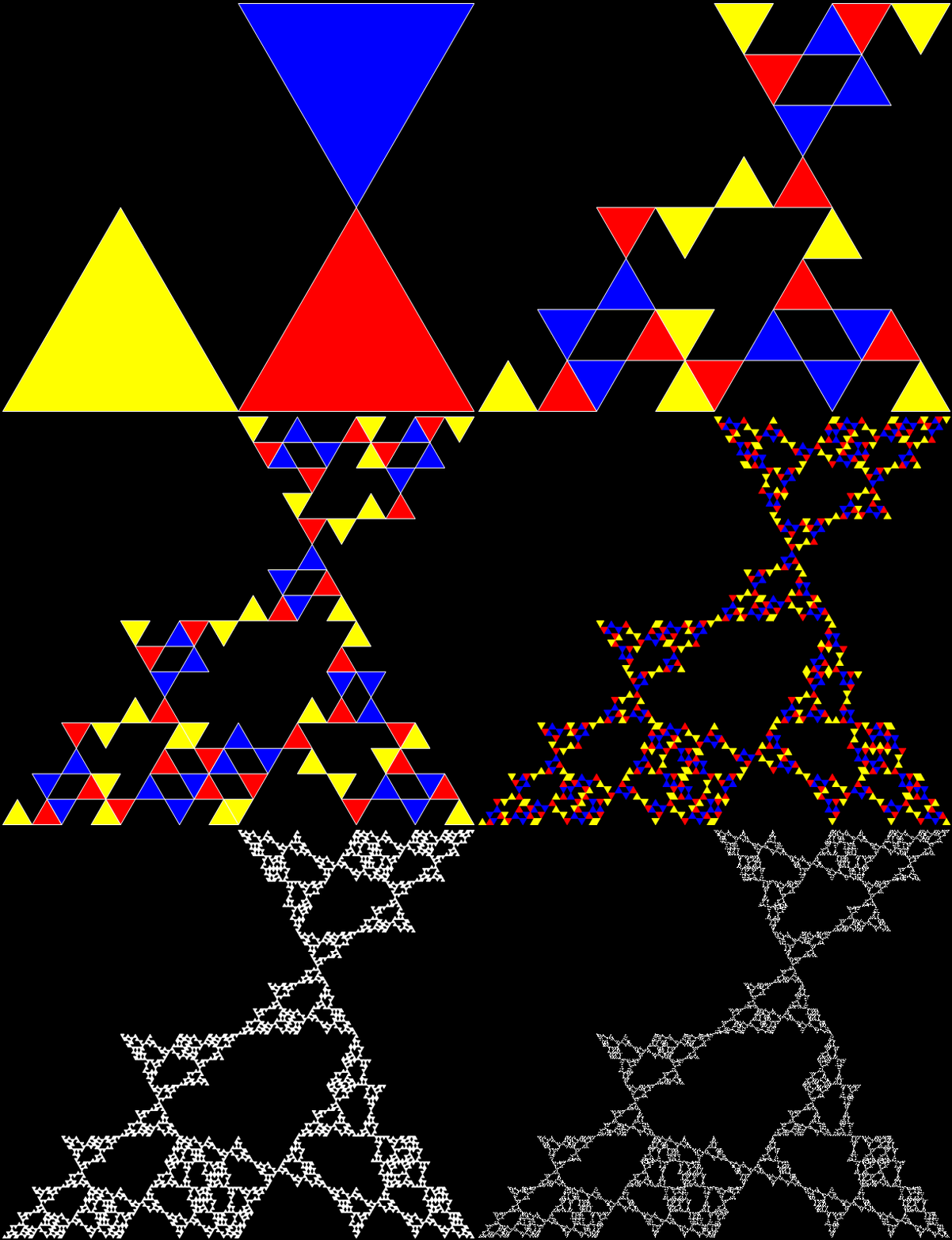
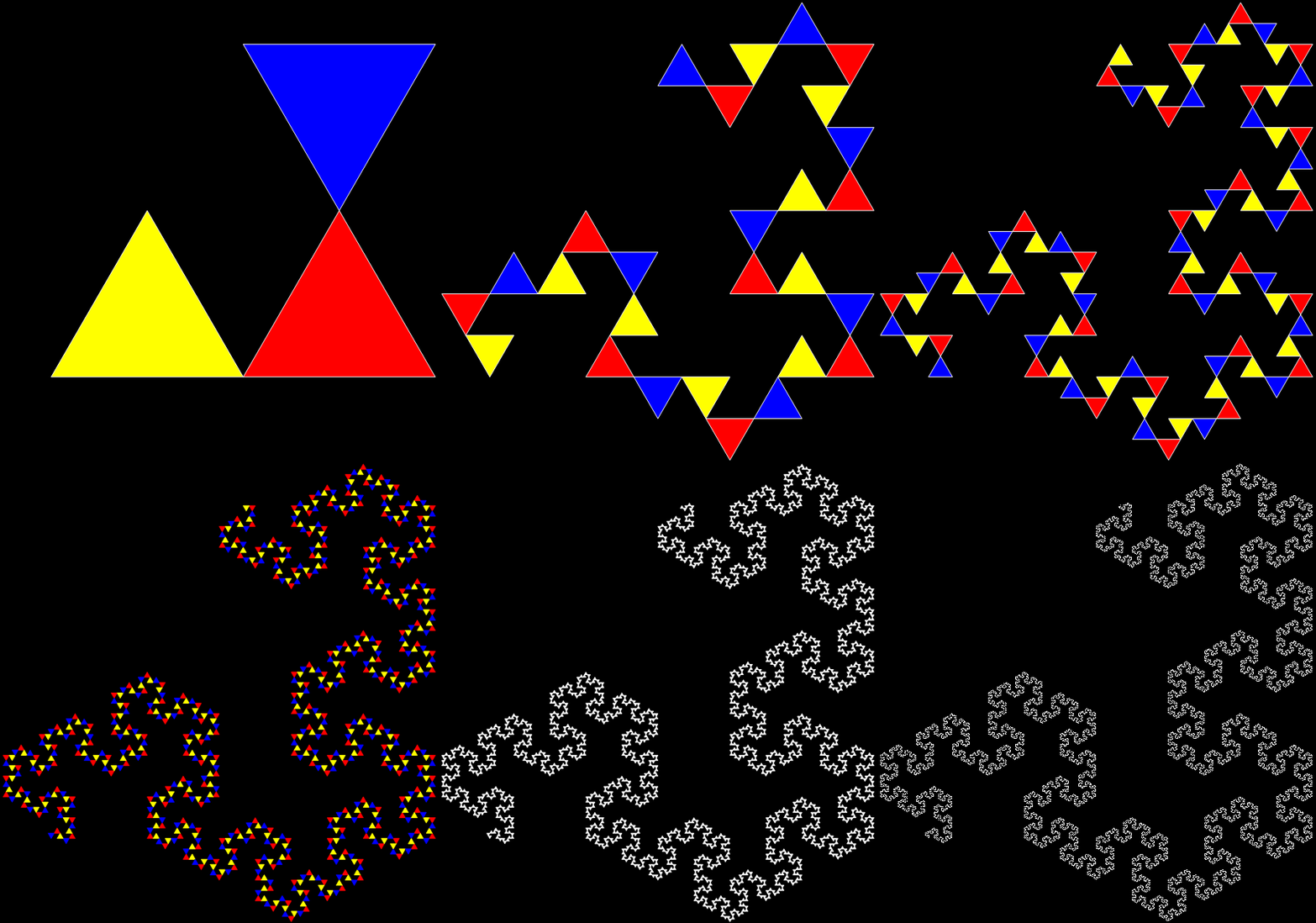
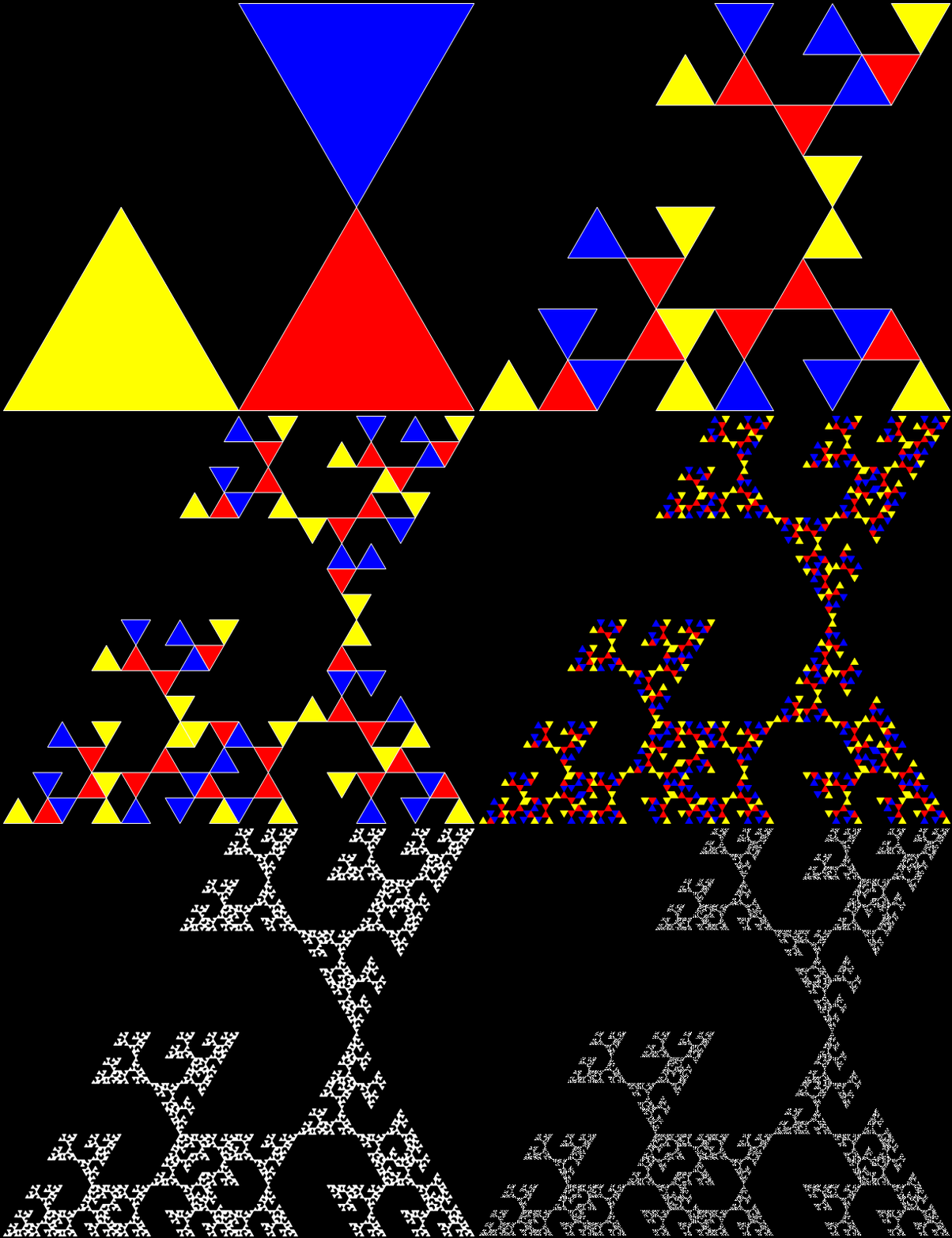
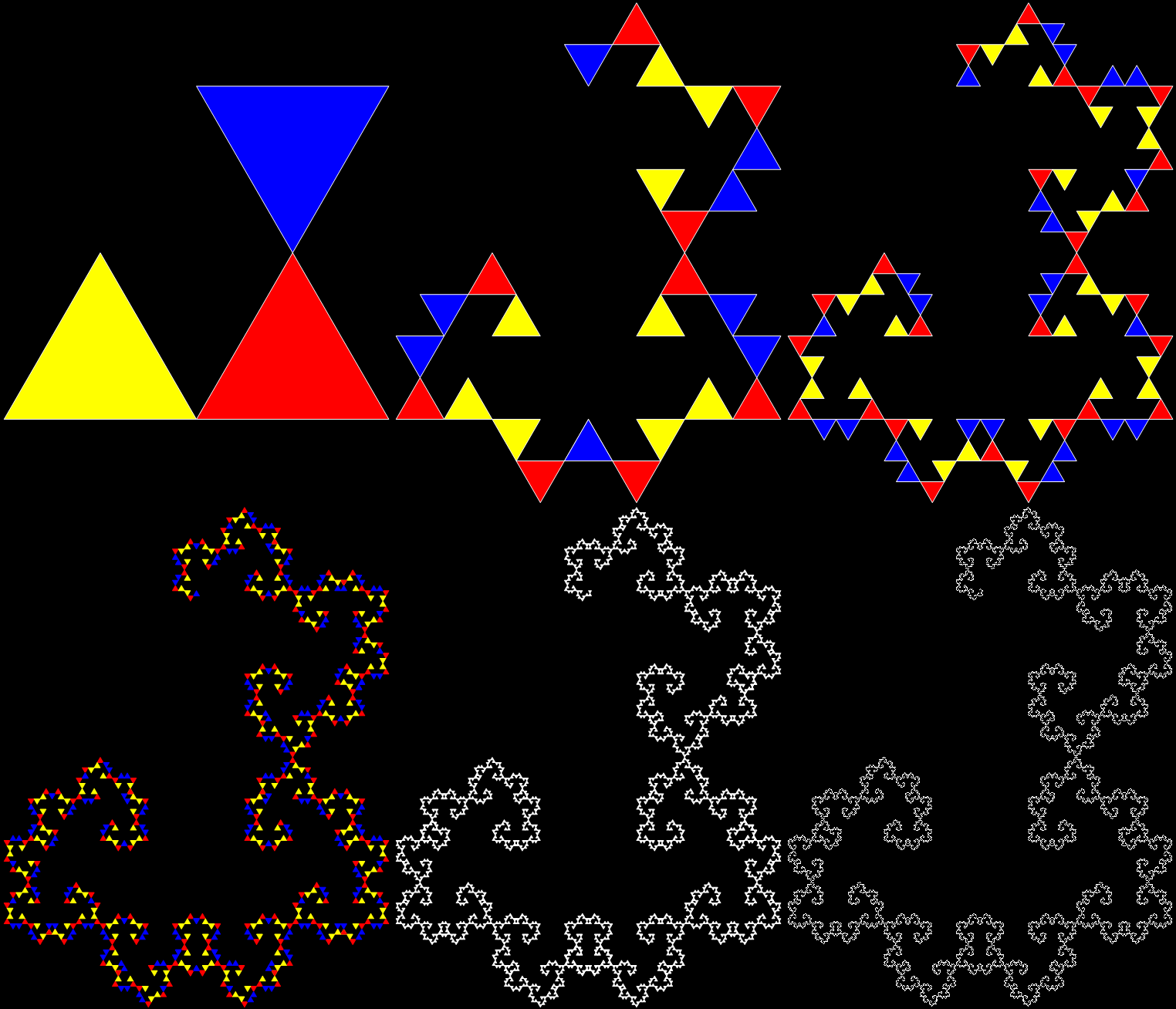
These are the stages that make up the tricorn:

Tricorn (stages)
Tricorn (animated)
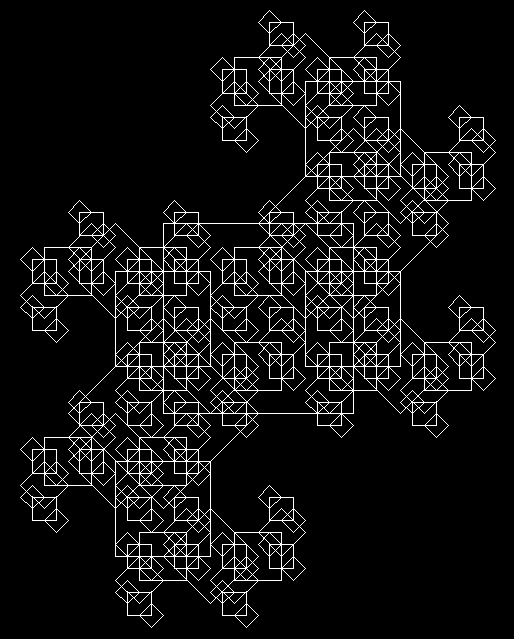
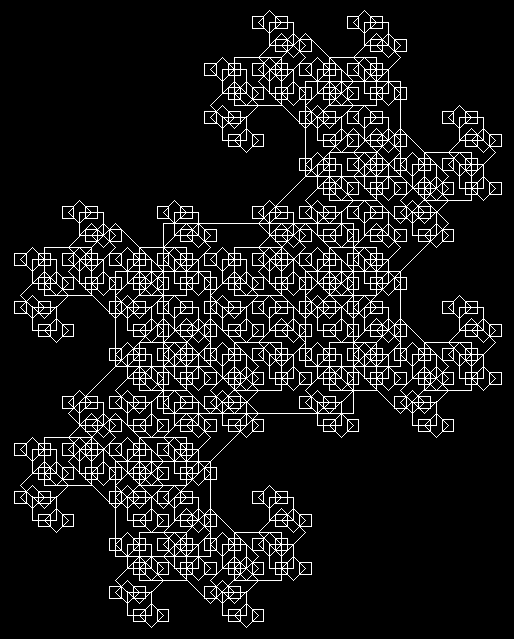
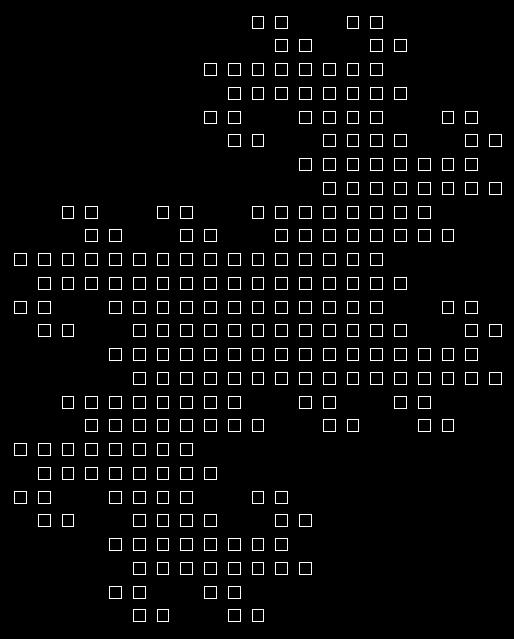
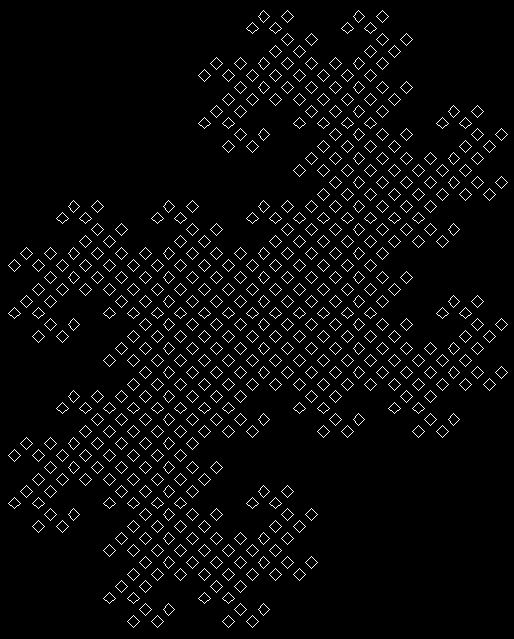
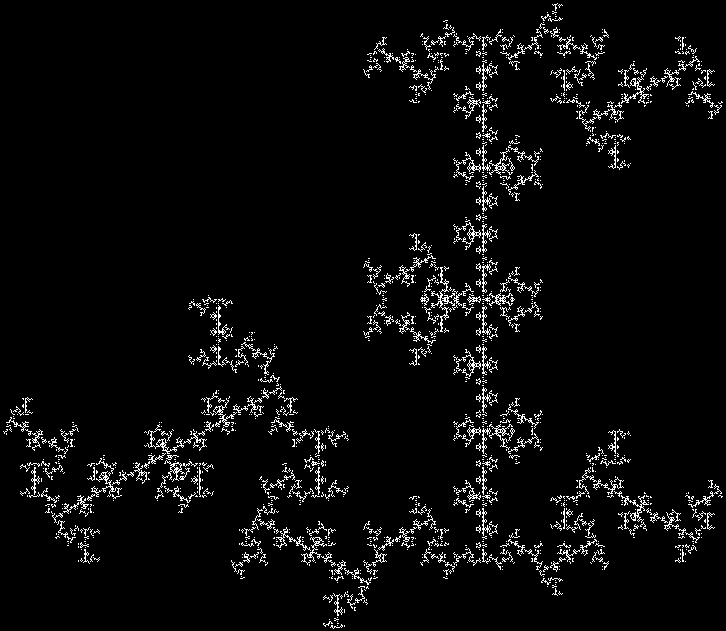
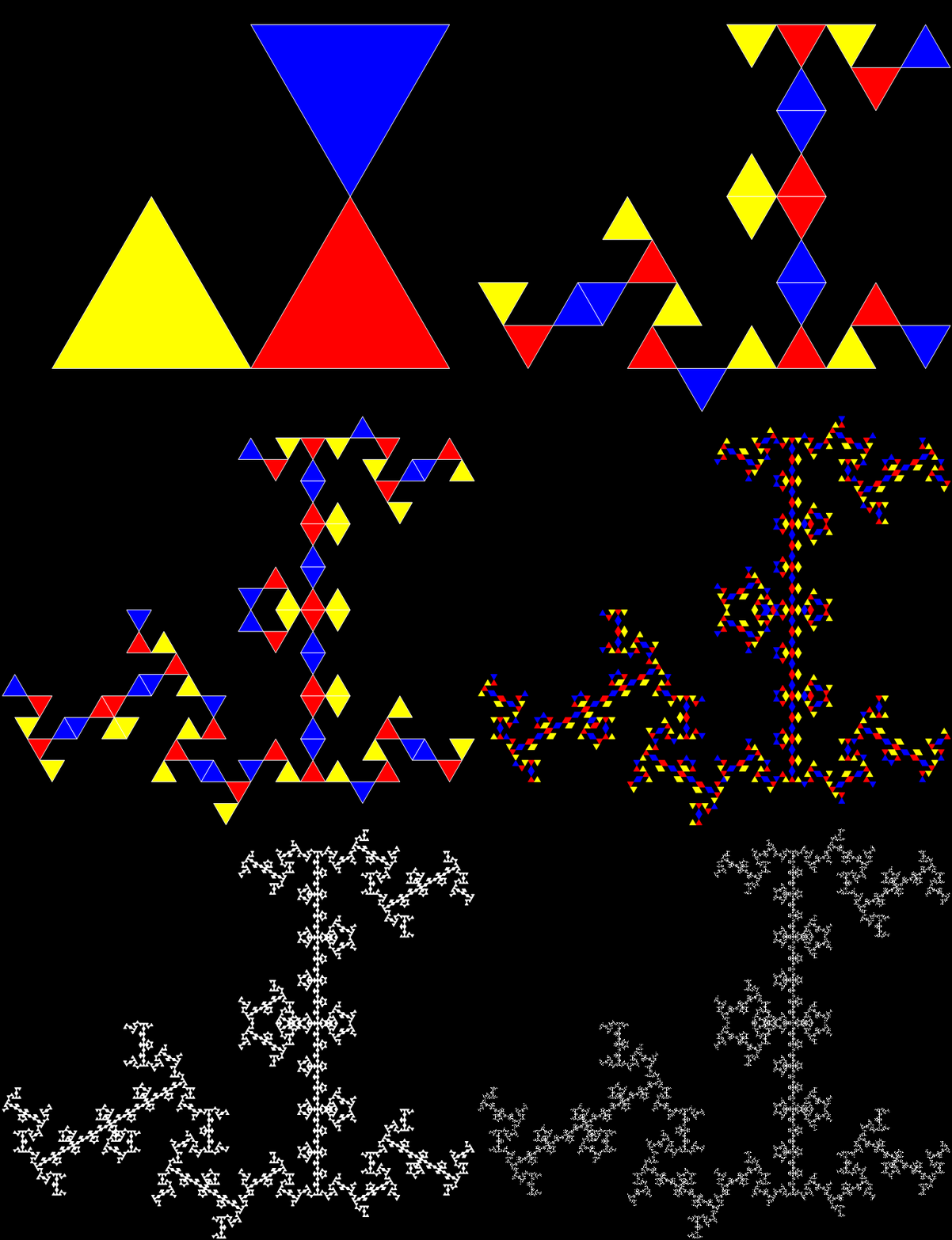
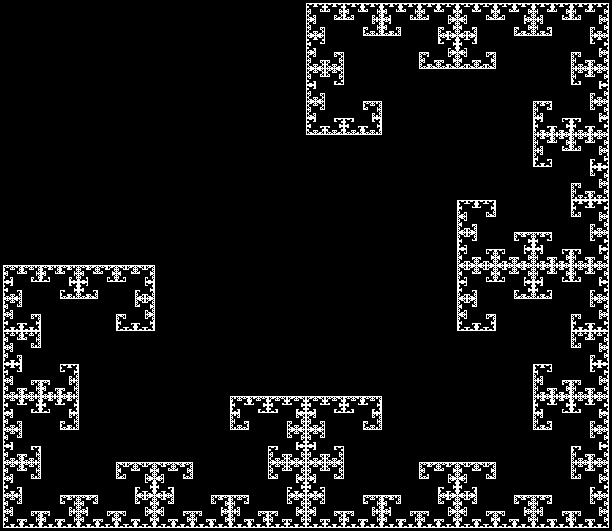
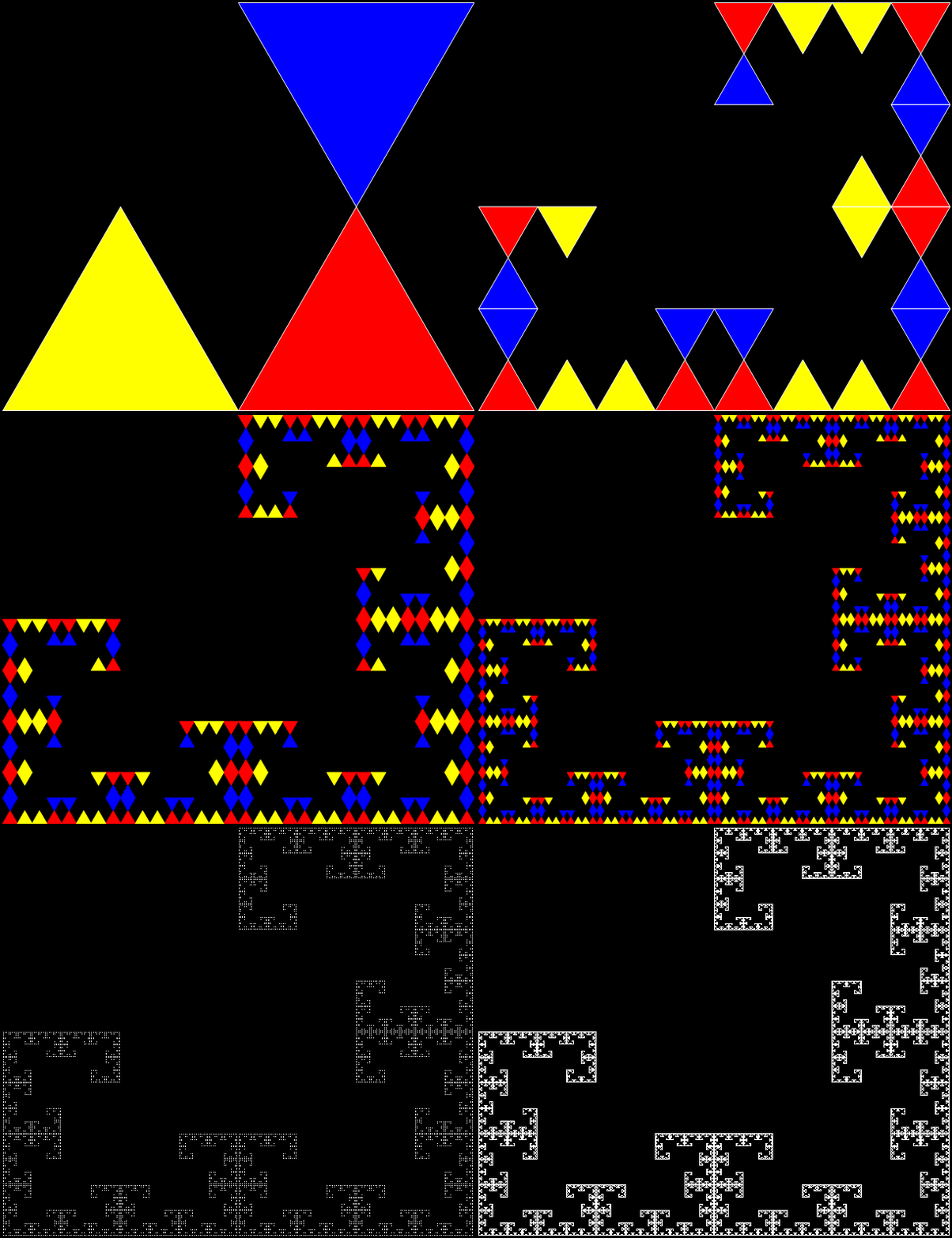
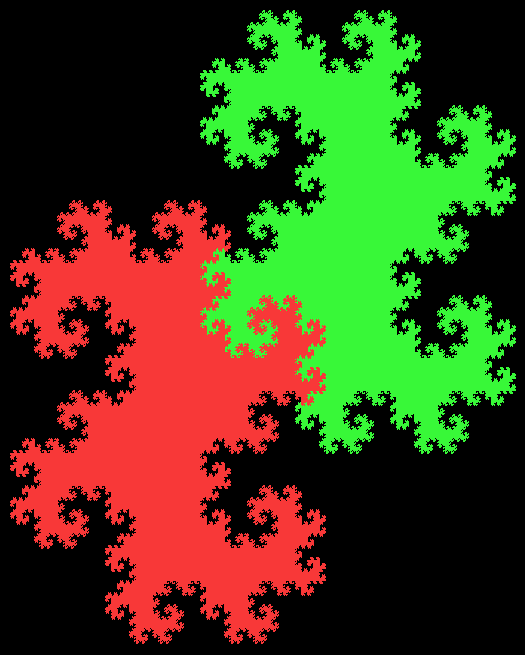
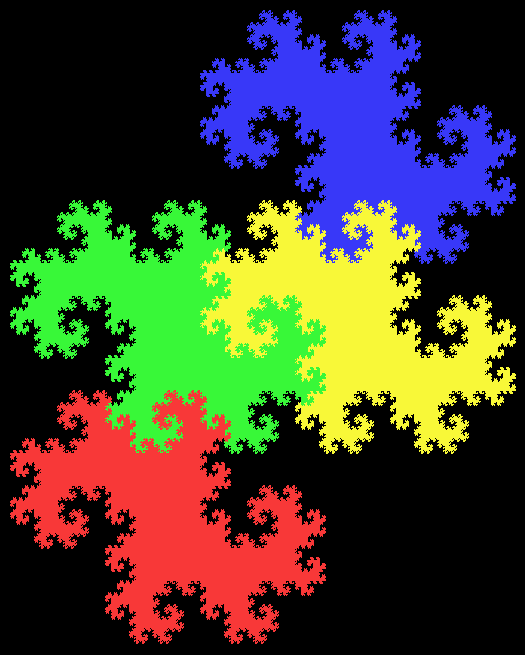
And there’s no need to stop at triangles. Here is a four-horned square, or quadricorn:
Quadricorn
Quadricorn (animated)
Quadricorn (coloured)
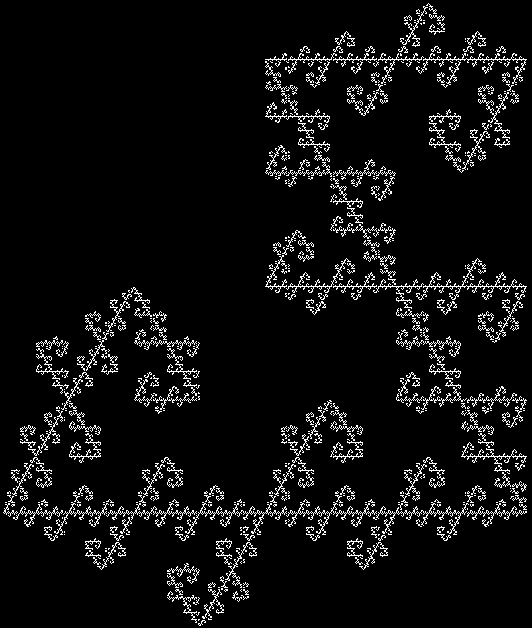
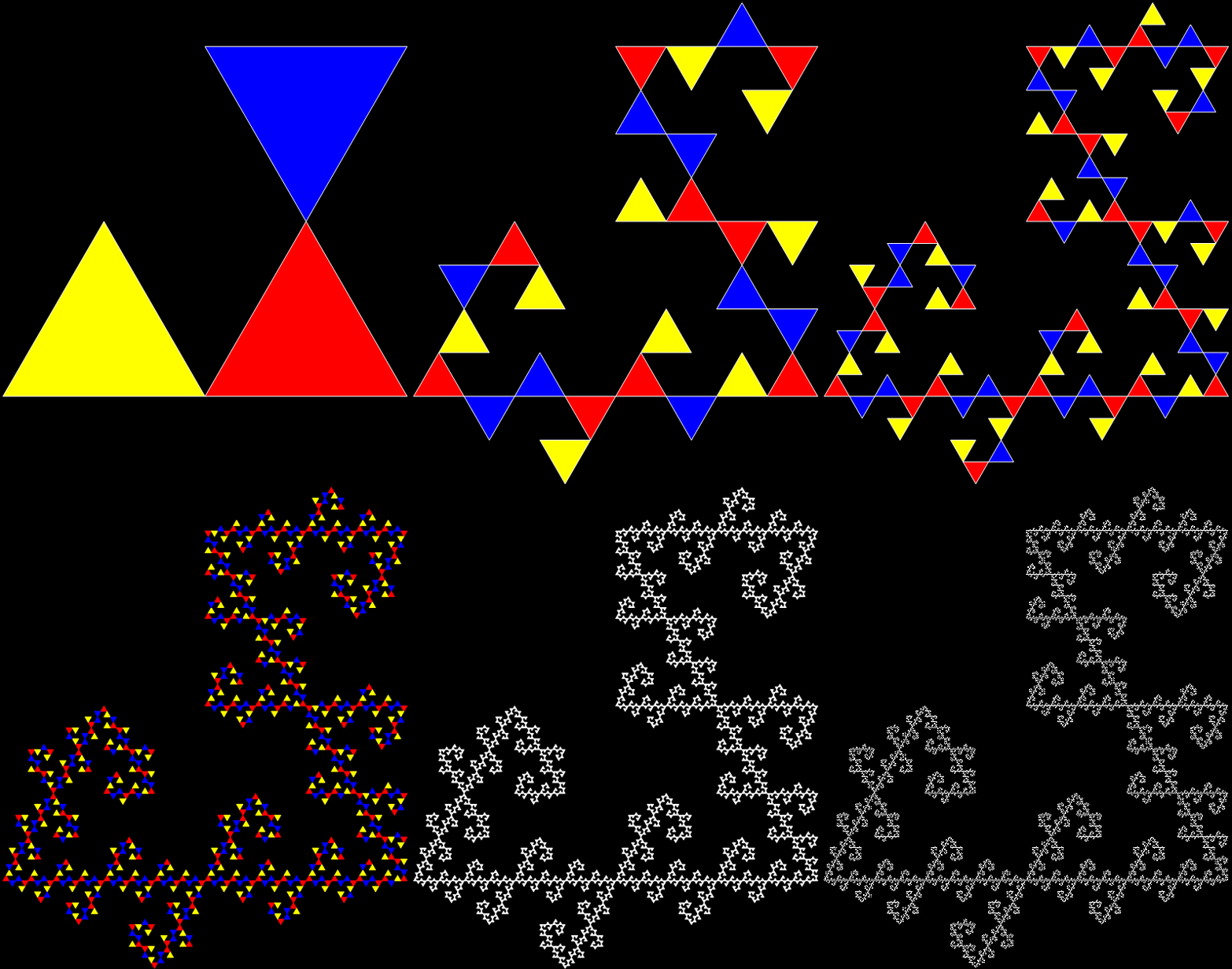
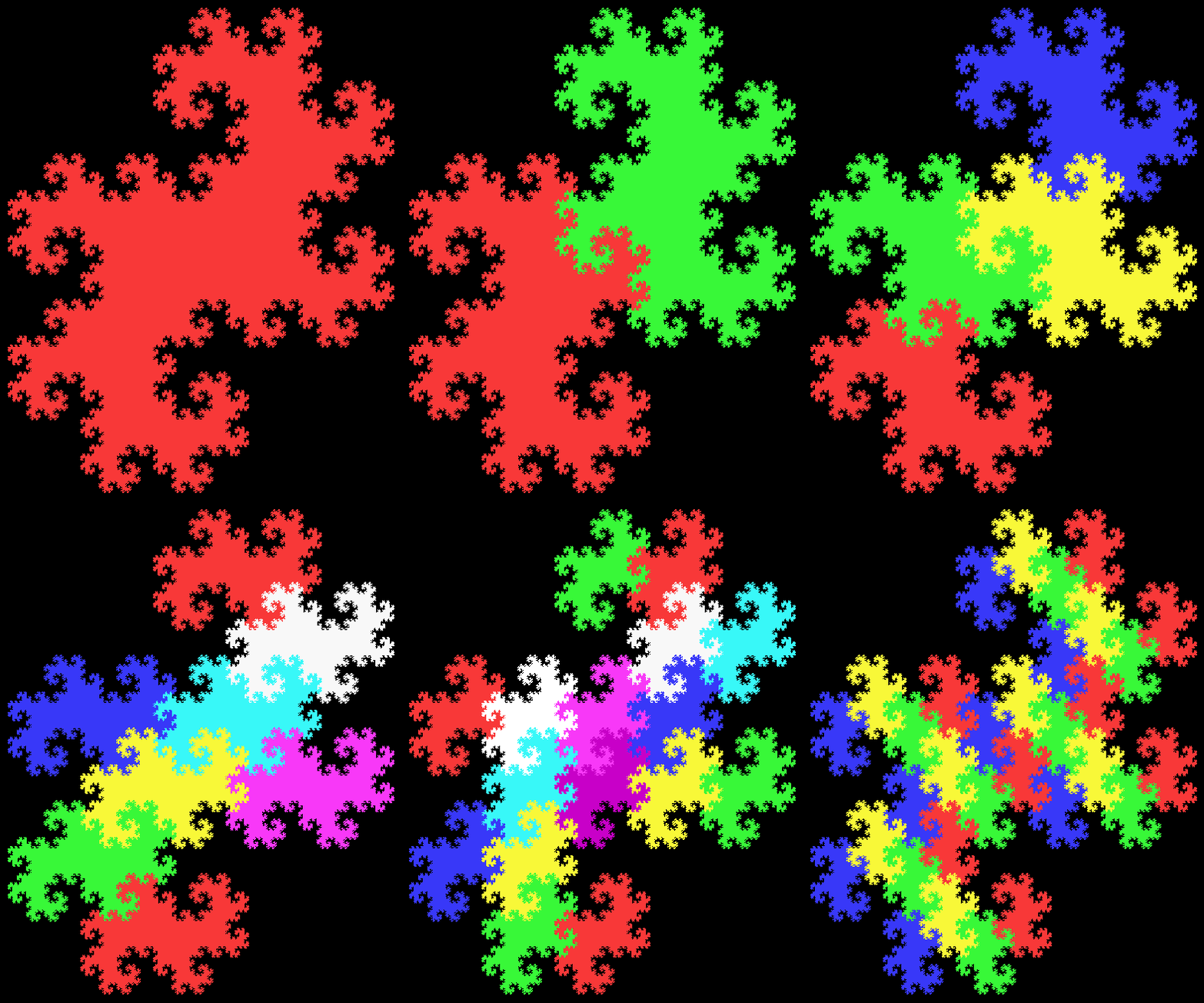
And a five-horned pentagon, or quinticorn:
Quinticorn, or five-horned pentagon
Quinticorn (anim)
Quinticorn (col)
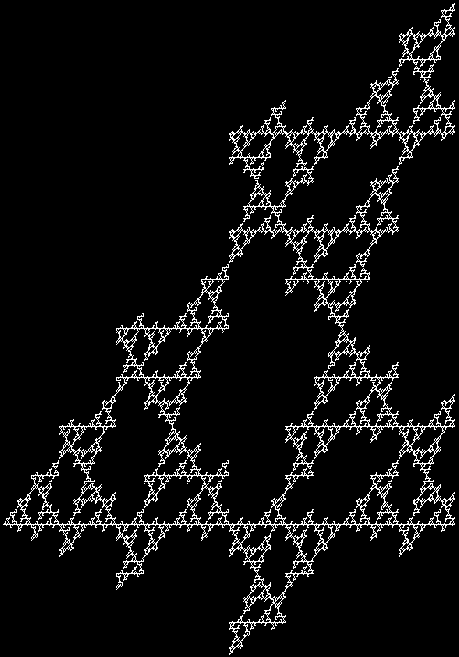
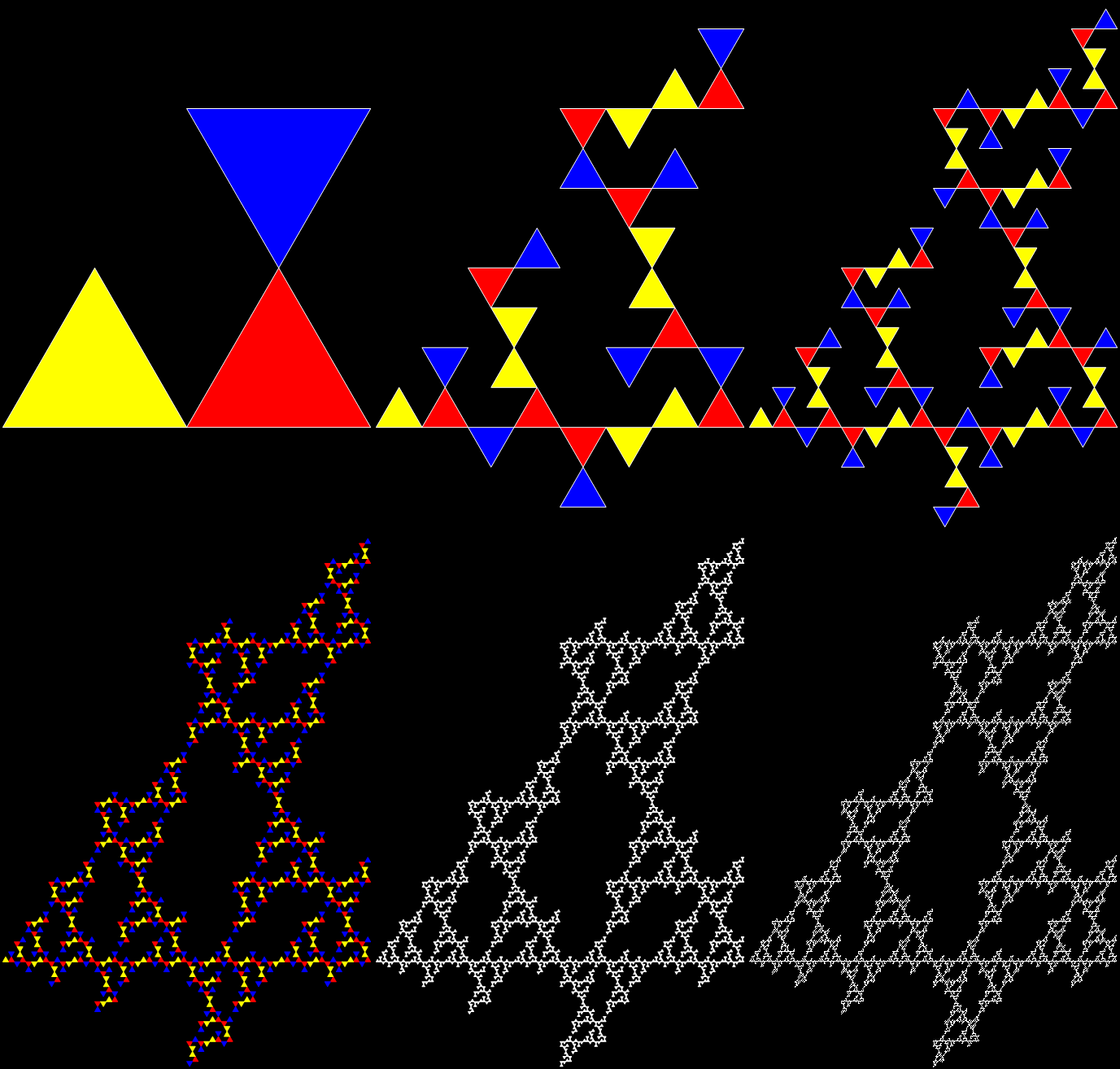
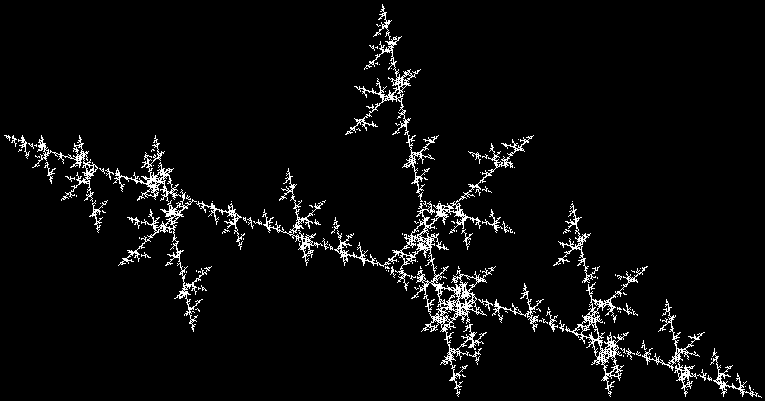
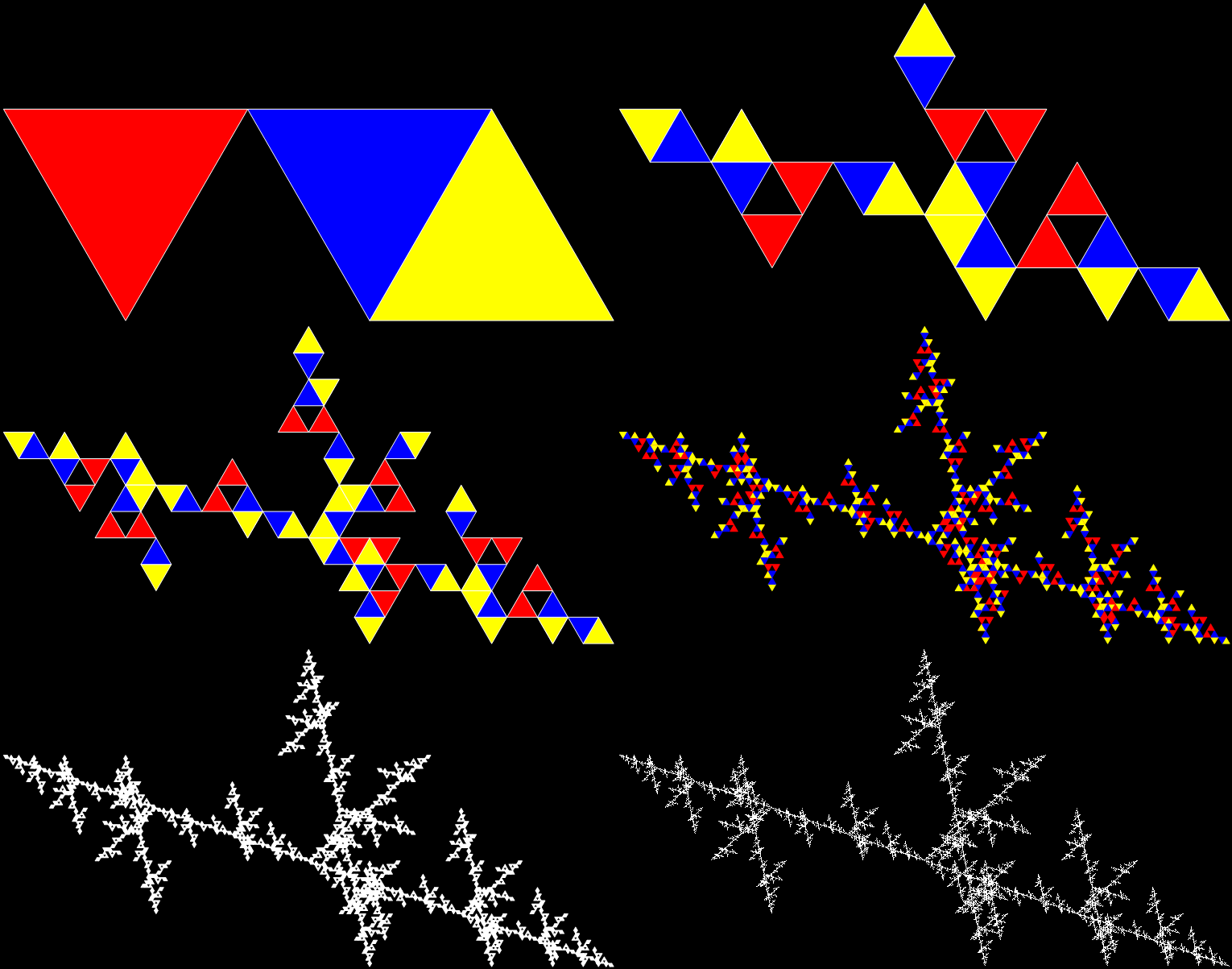
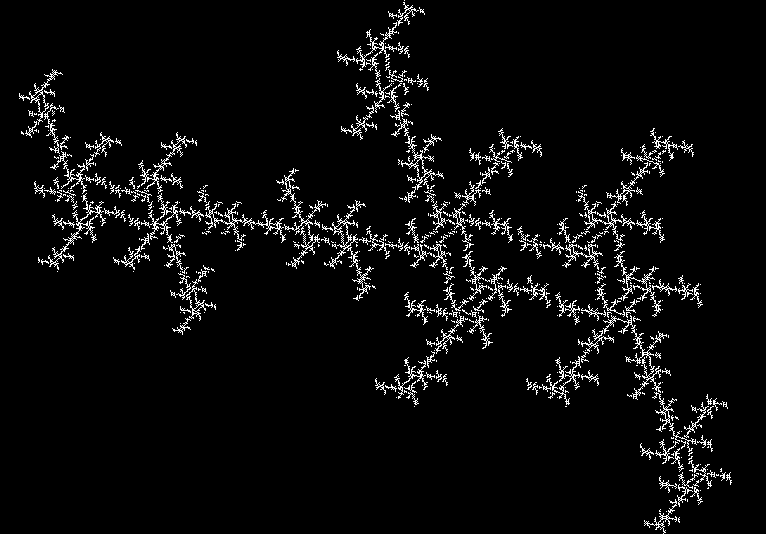
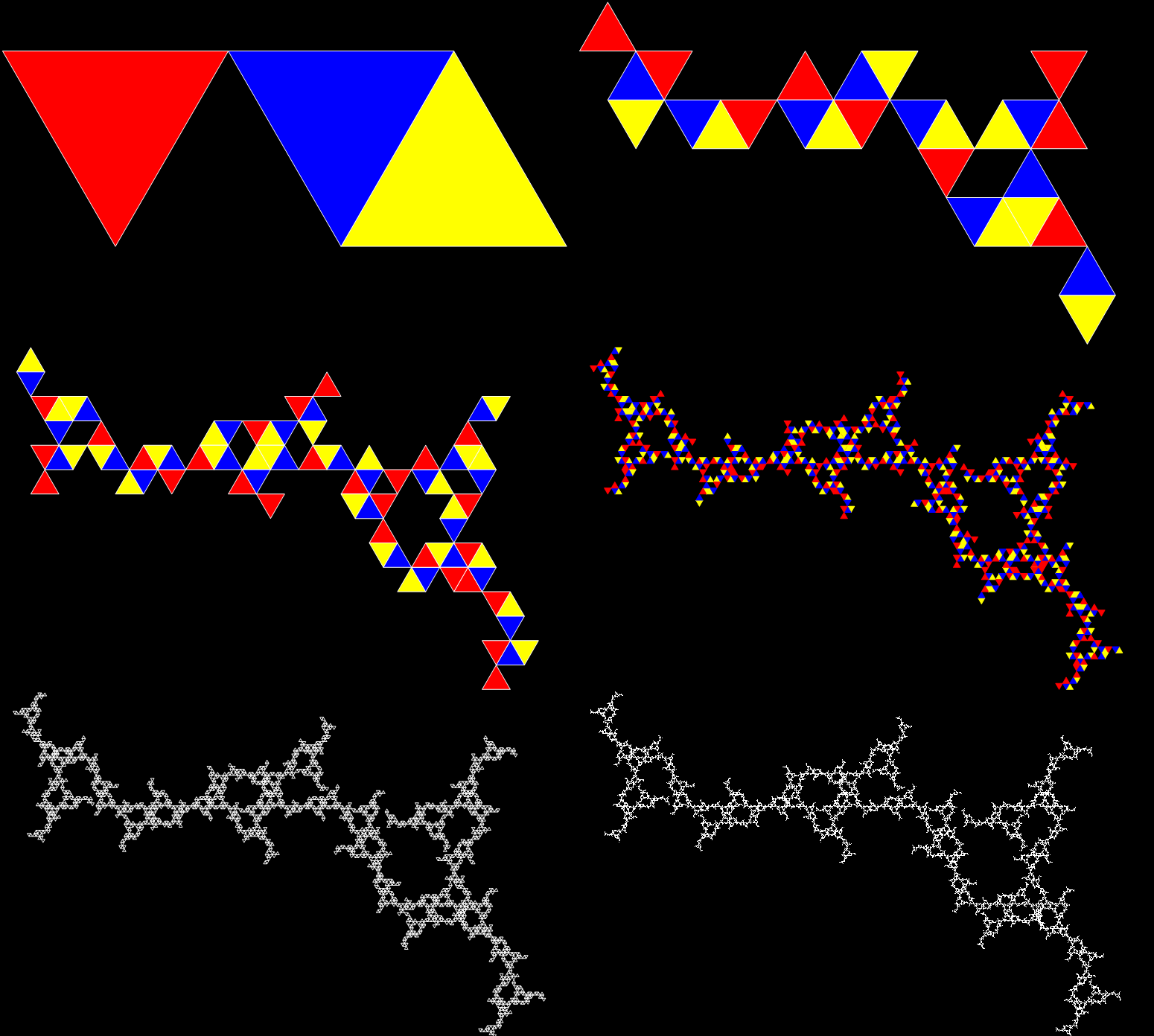
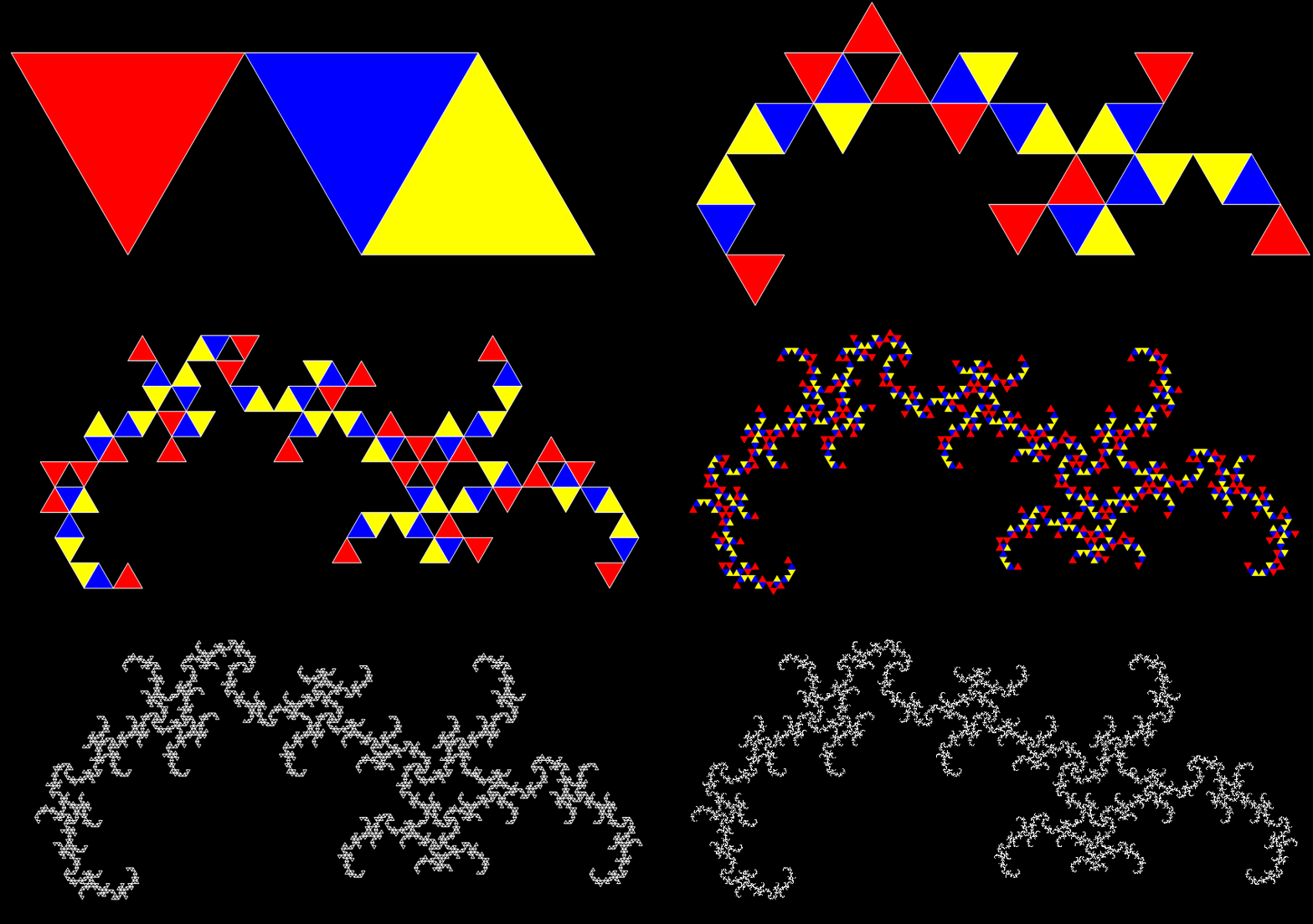
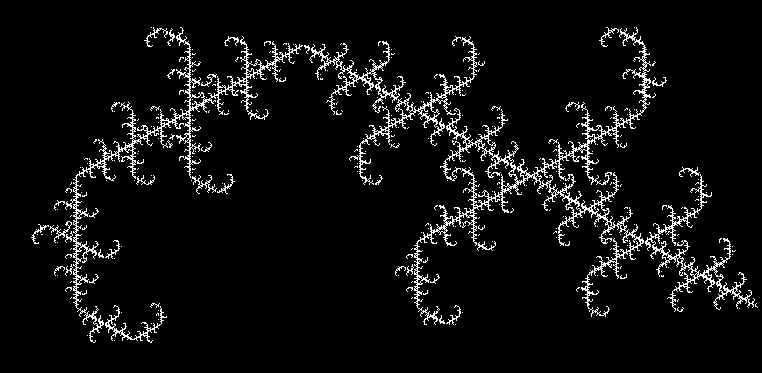
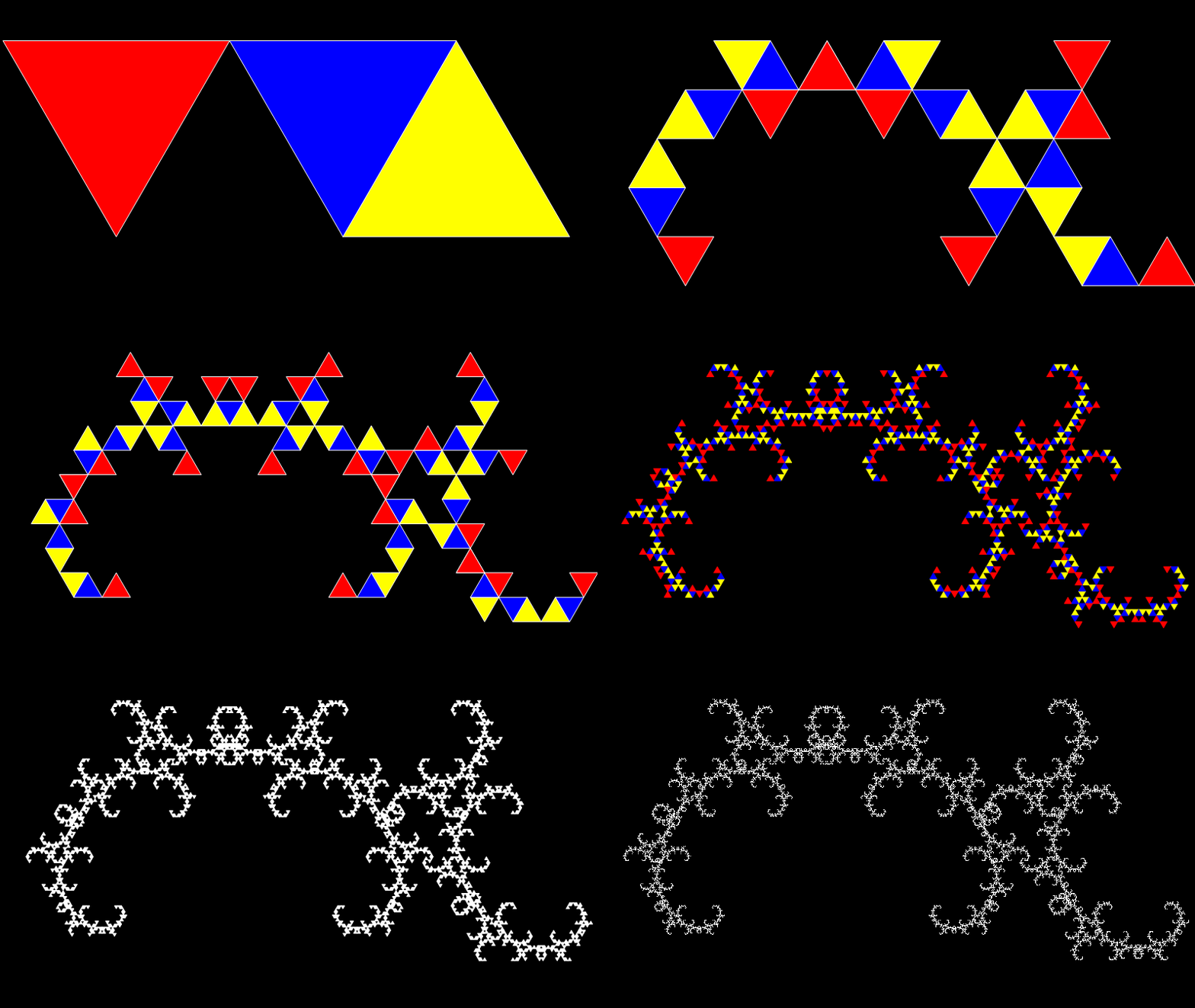
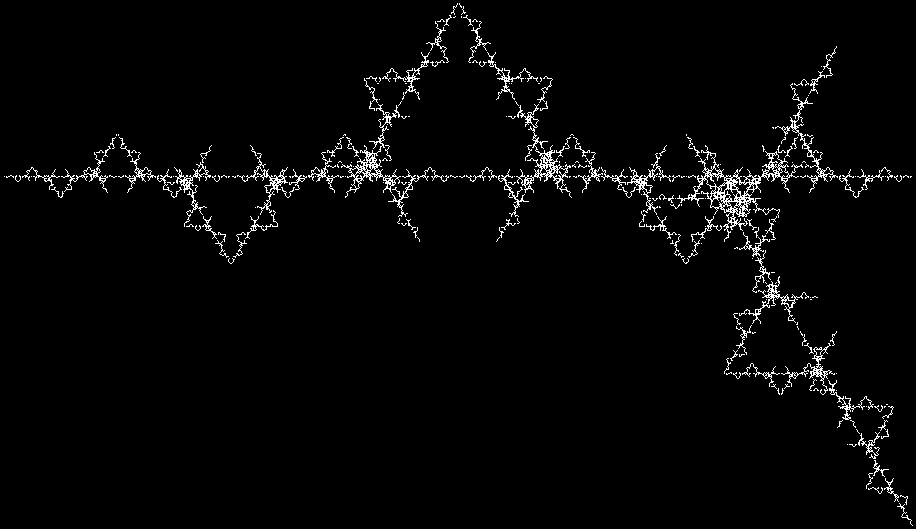
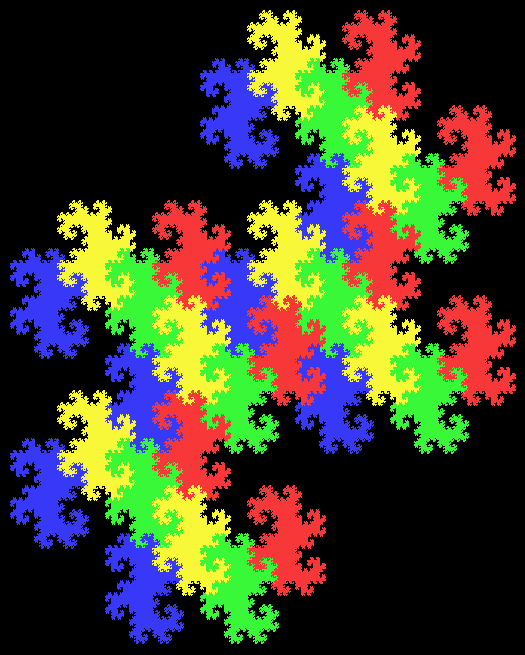
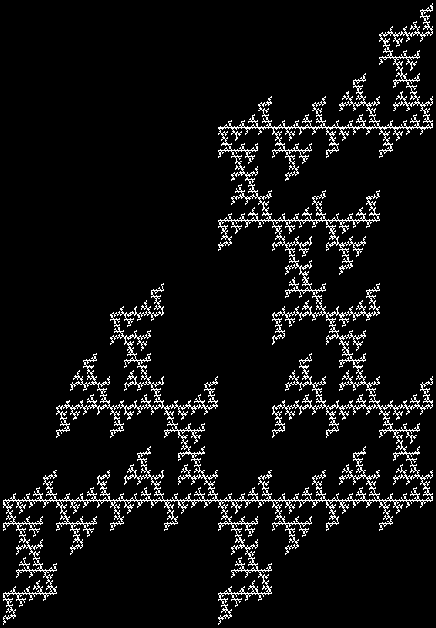
And below are some variants on the shapes above. First, the reversed tricorn:
Reversed Tricorn
Reversed Tricorn (anim)
Reversed Tricorn (col)
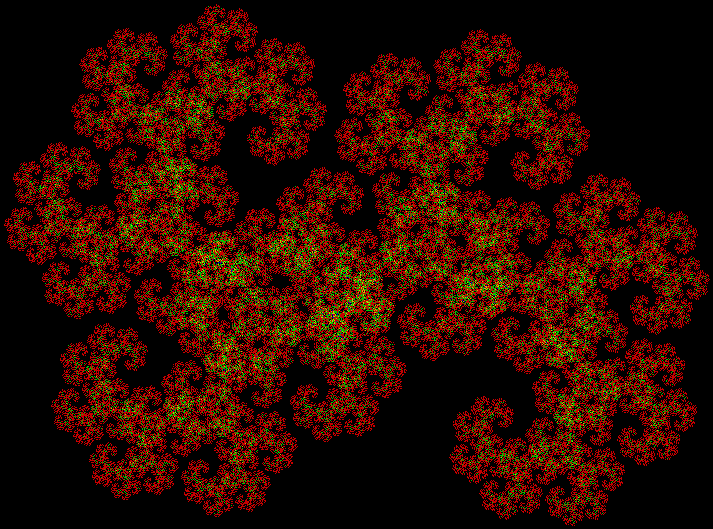
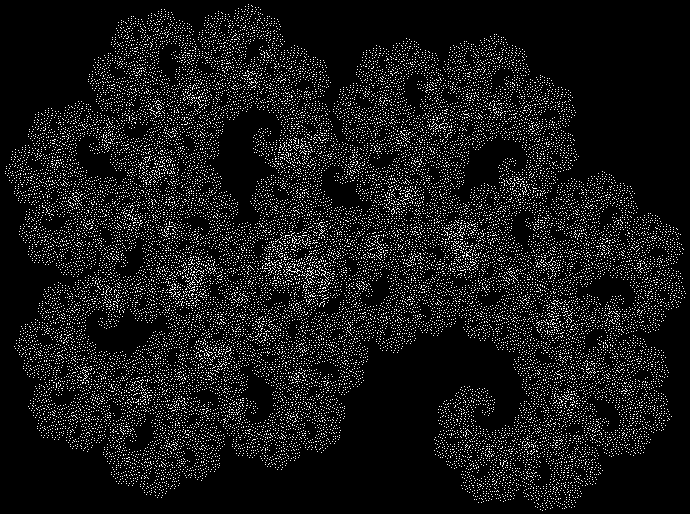
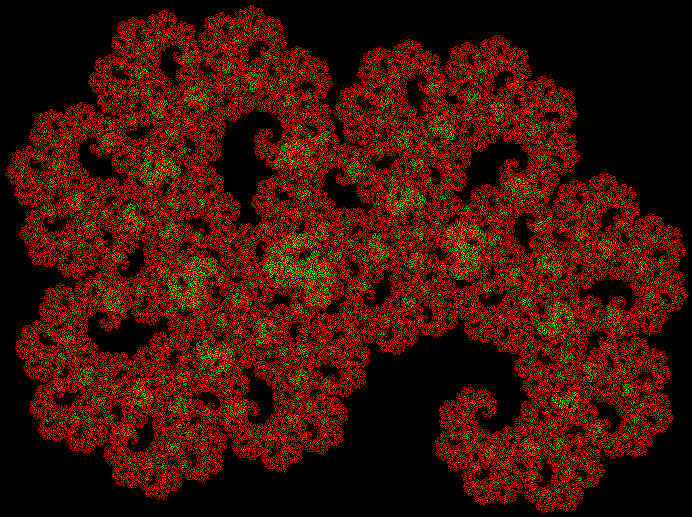
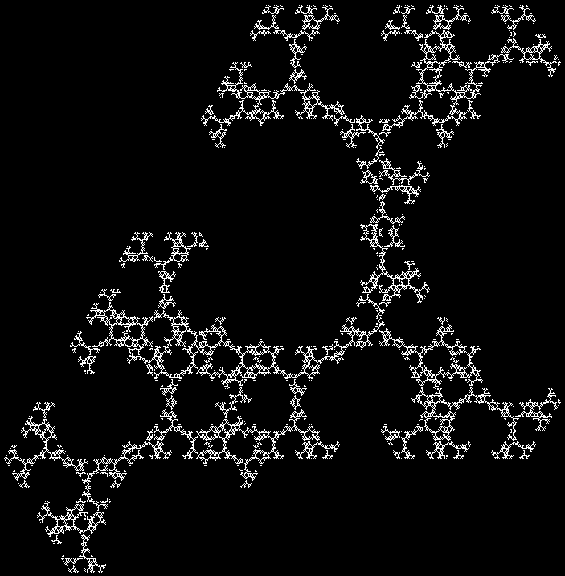
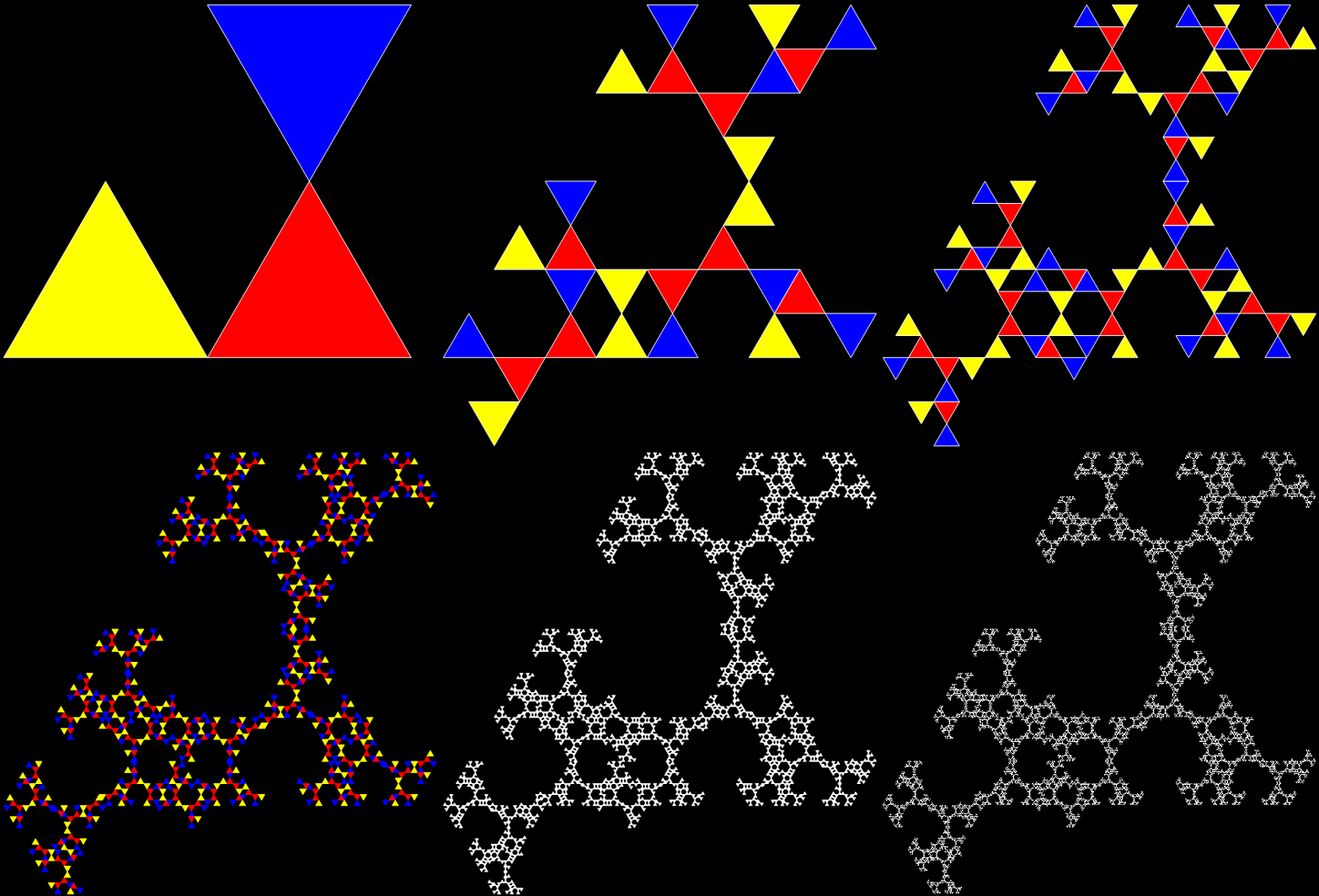
The nested tricorn:
Nested Tricorn (anim)
Nested Tricorn (col)
Nested Tricorn (red-green)
Nested Tricorn (variant col)
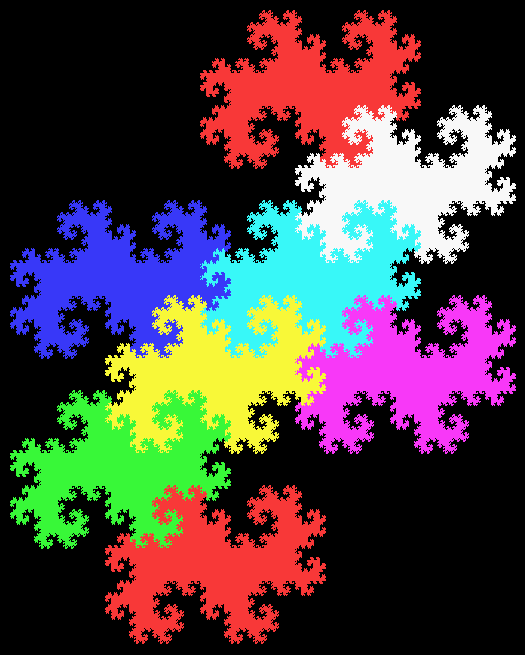
The nested quadricorn:
Nested Quadricorn (anim)
Nested Quadricorn
Nested Quadricorn (col #1)
Nested Quadricorn (col #2)
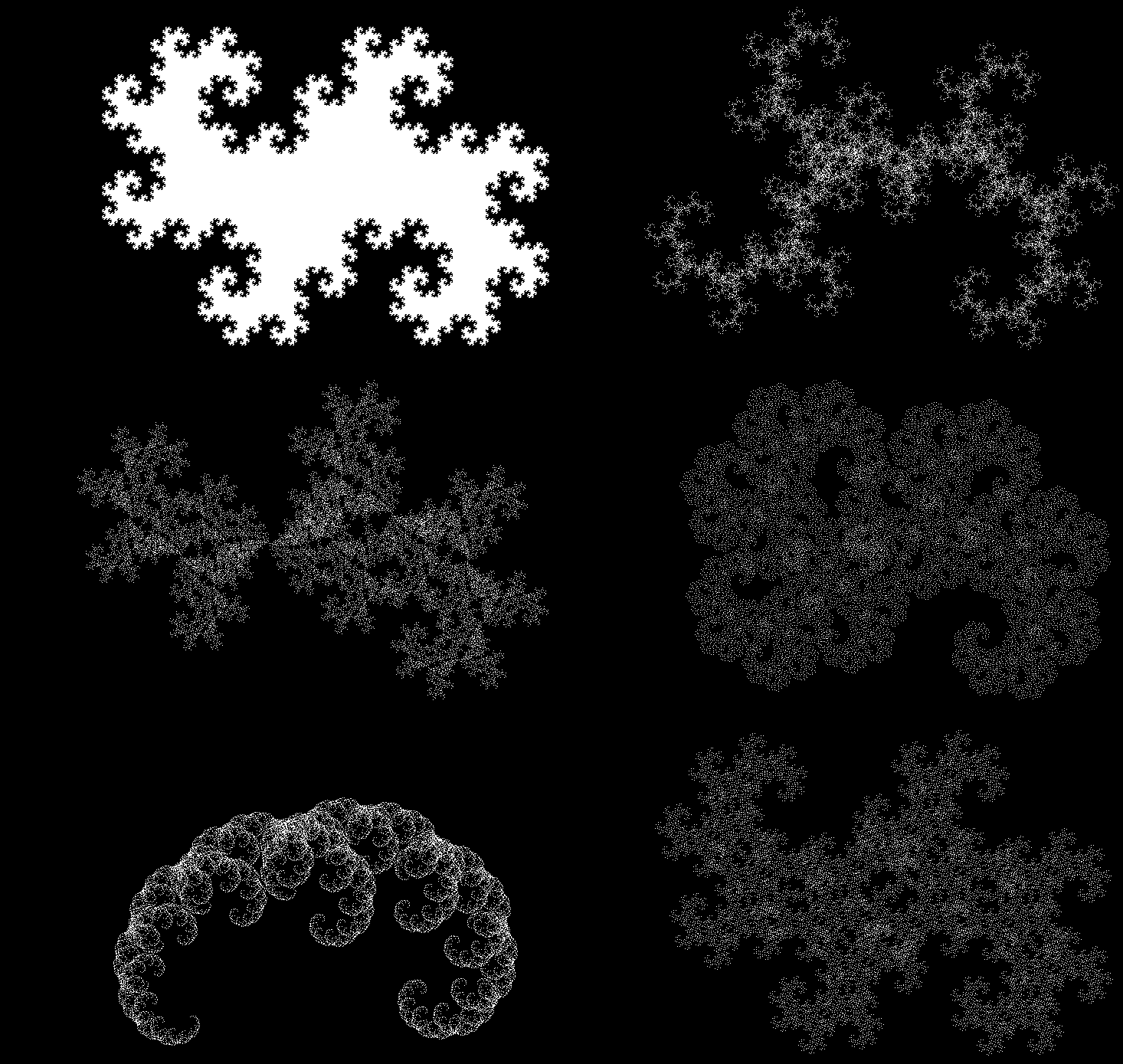
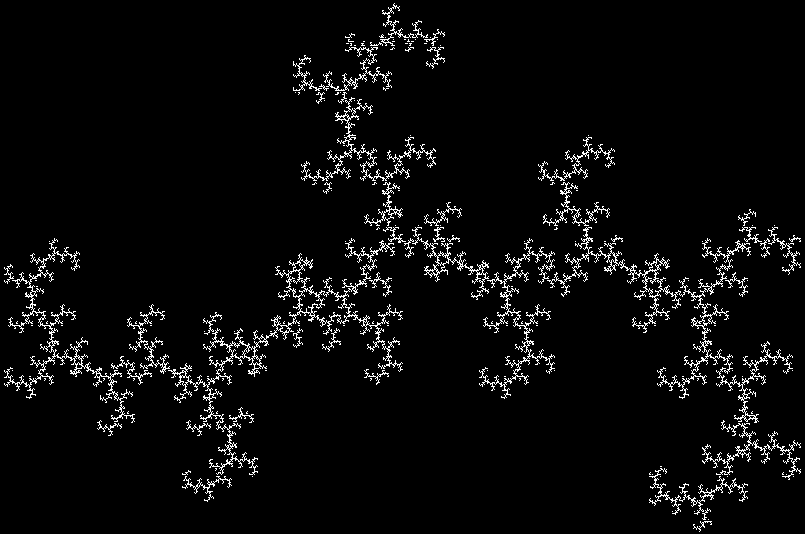
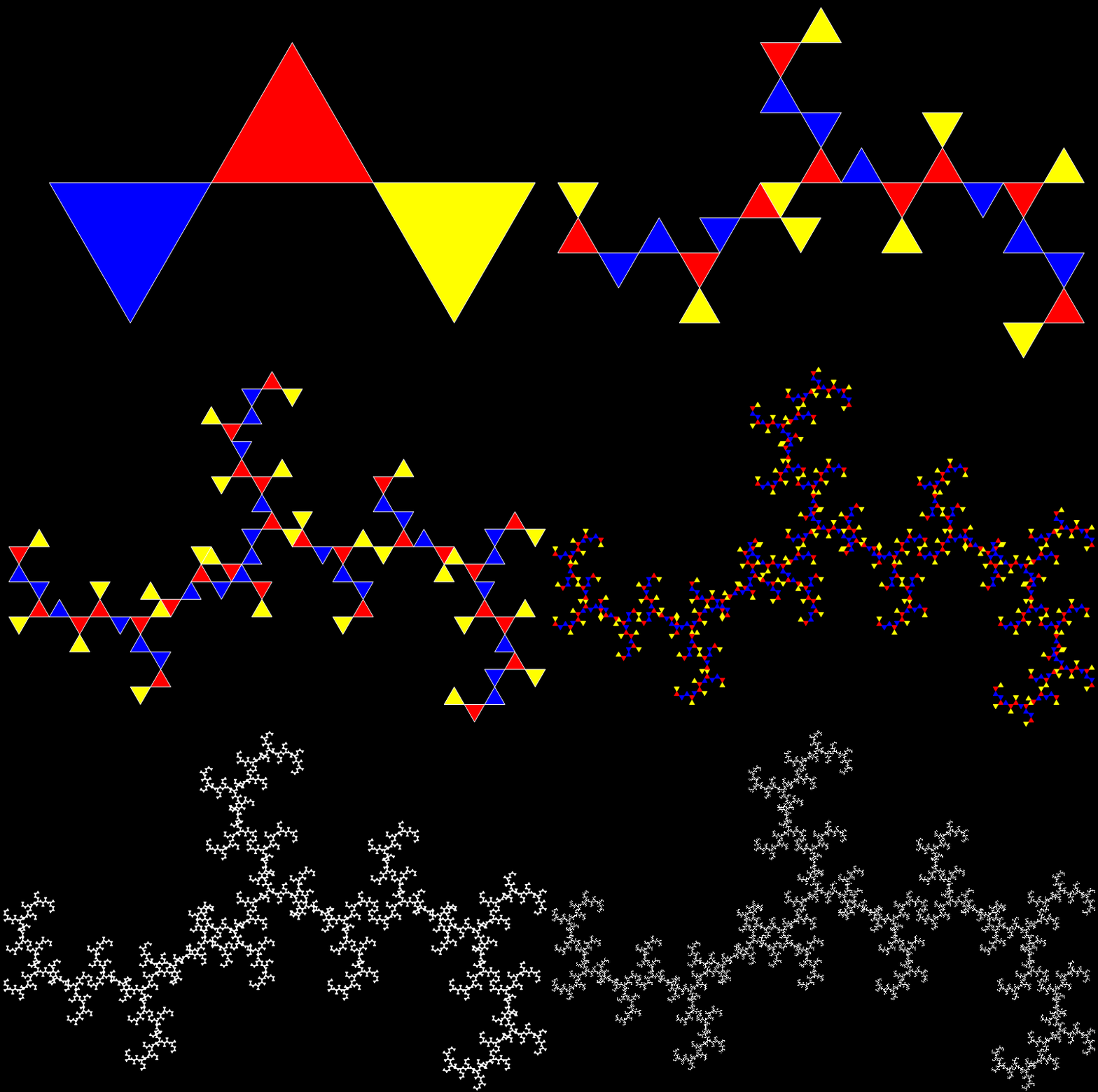
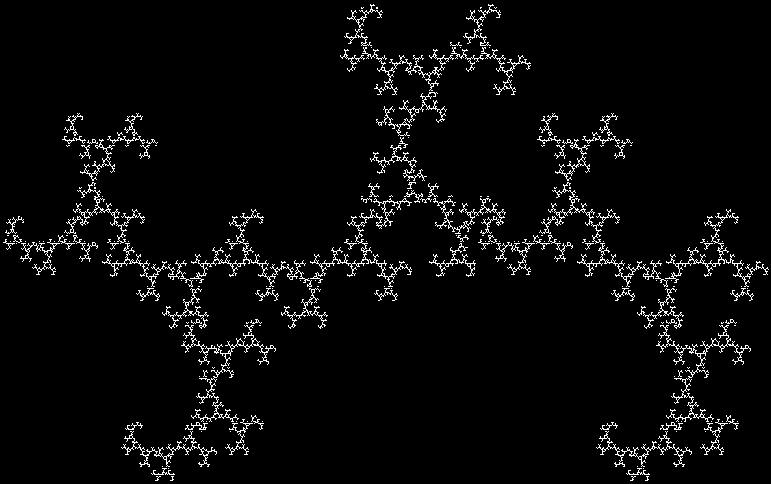
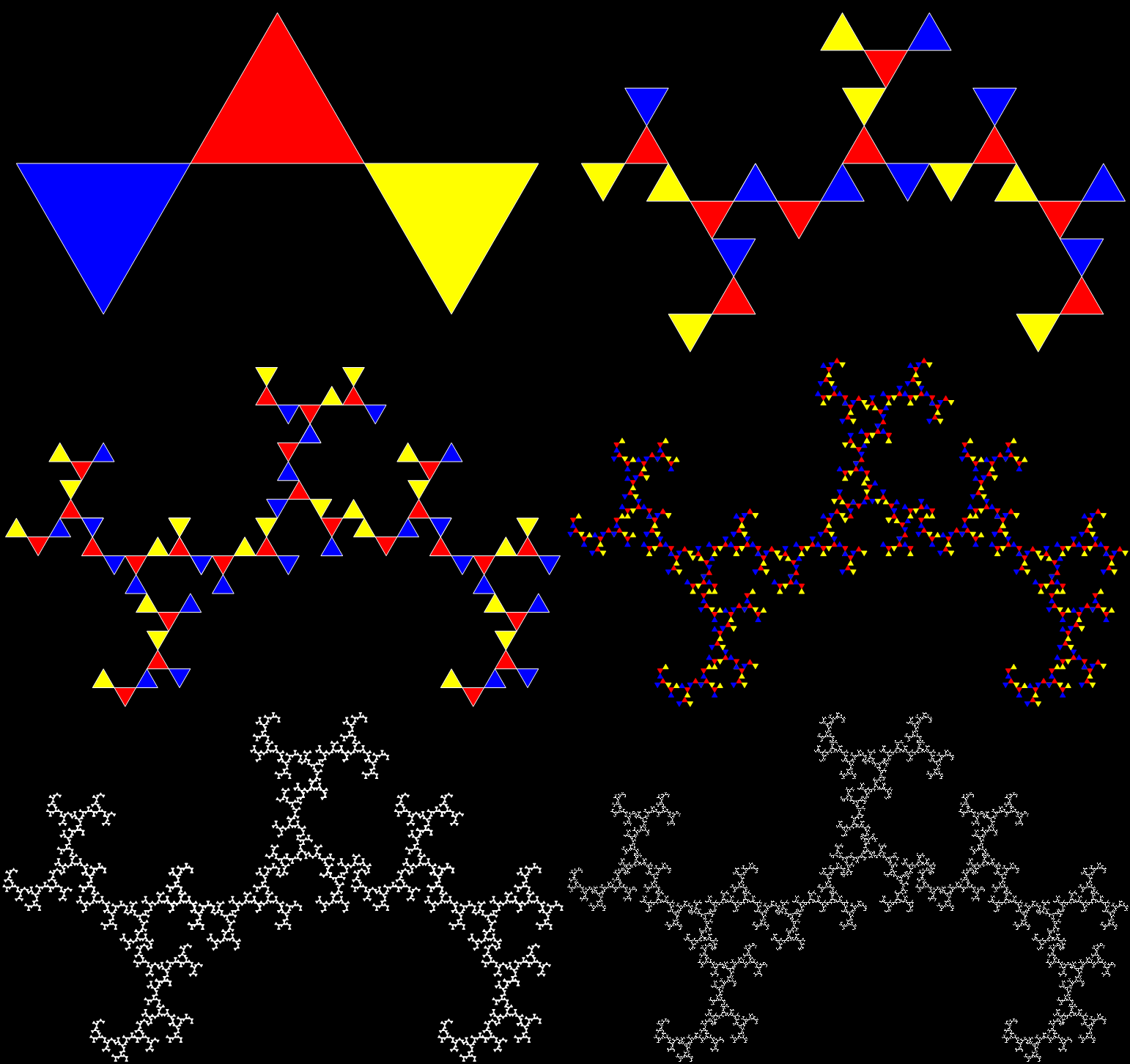
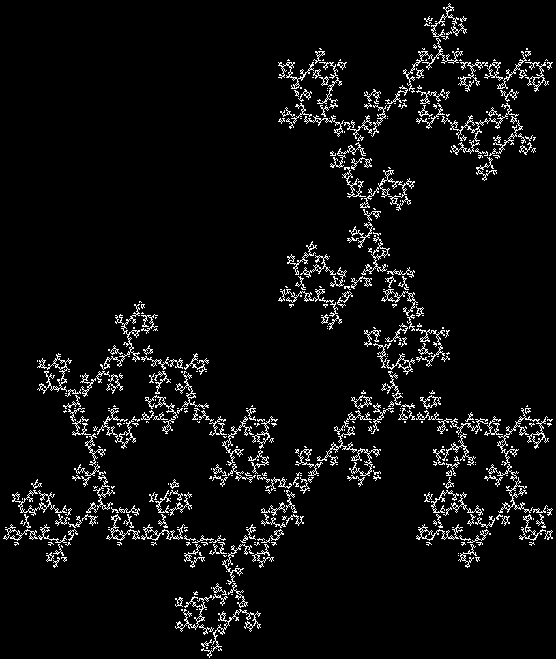
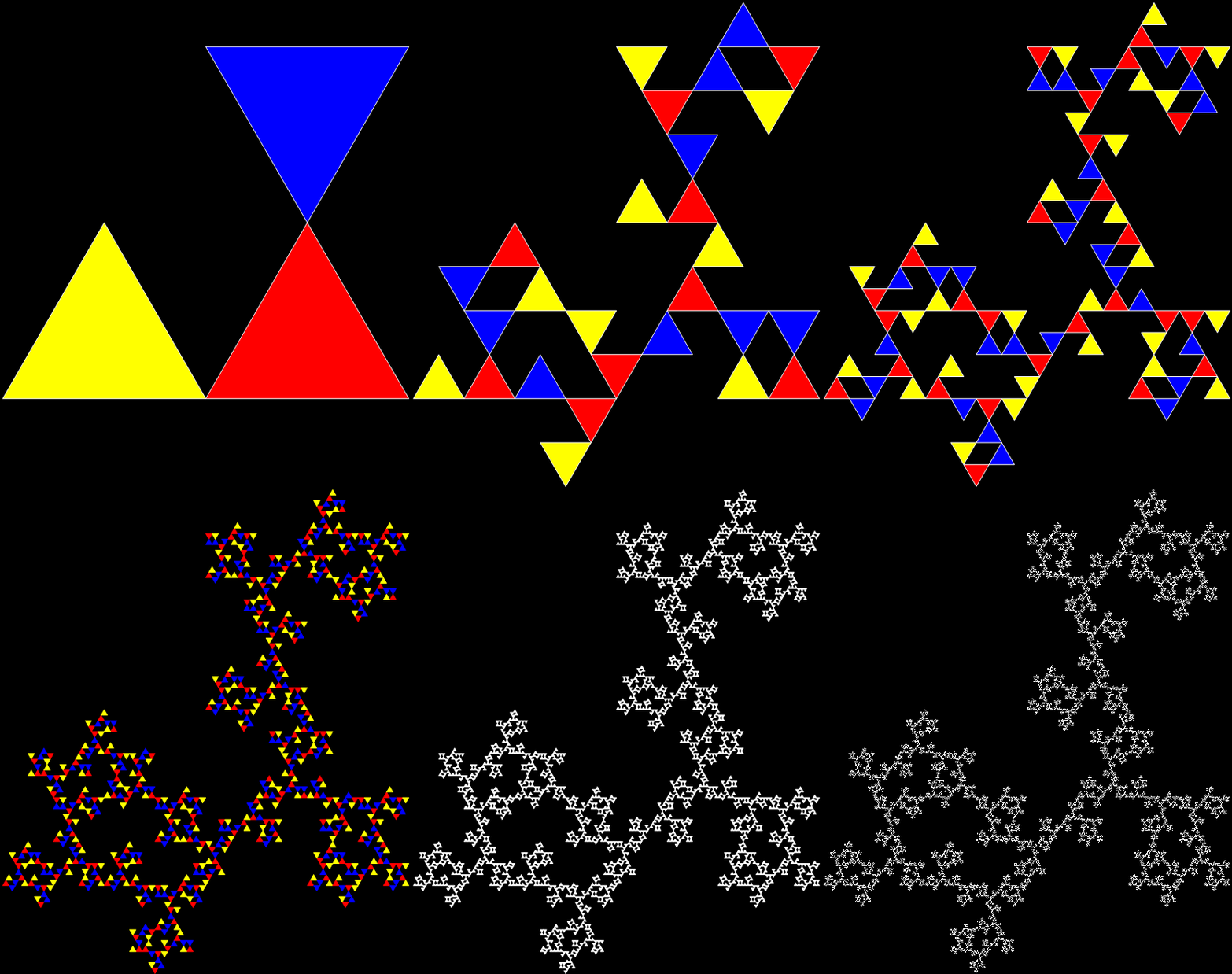
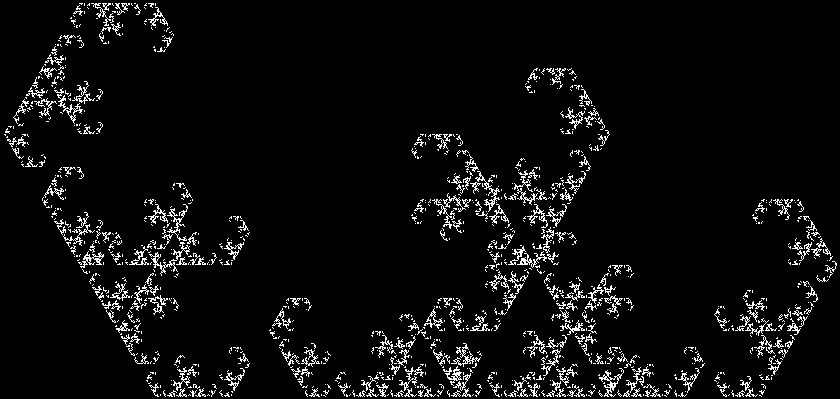
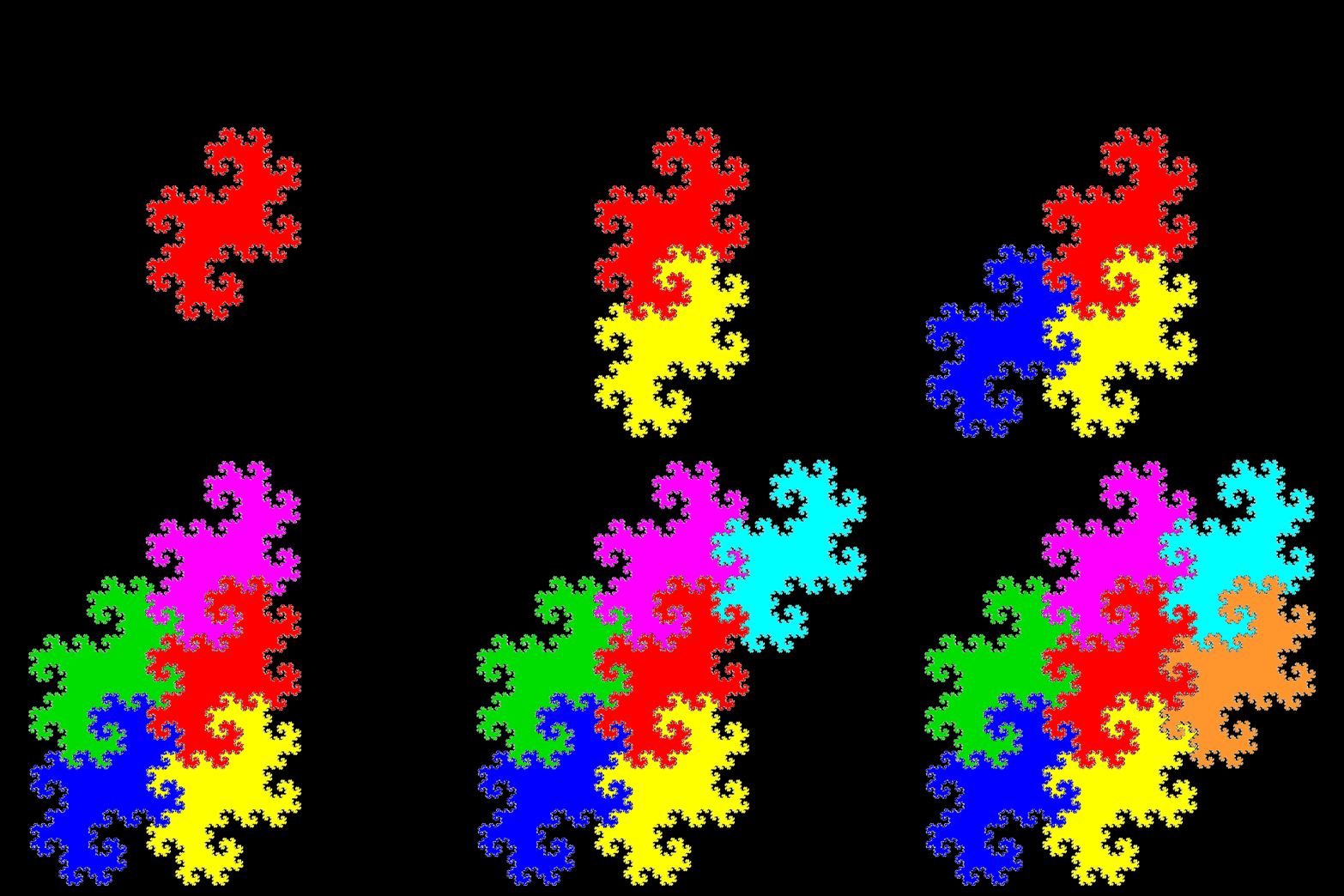
Finally (and ferally), the pentagonal octopus or pentapus:
Pentapus (anim)
Pentapus
Pentapus #2
Pentapus #3
Pentapus #4
Pentapus #5
Pentapus #6
Pentapus (col anim)
Elsewhere other-engageable:
• The Art Grows Onda — the horned triangle and Katsushika Hokusai’s painting The Great Wave off Kanagawa (c. 1830)
Papyrocentric Performativity Presents:
• Bullets and Butterflies – Mad Dog Killers: The Story of a Congo Mercenary, Ivan Smith (Helion / 30° South Publishers 2012)
• Jaundiced on George – George Orwell: English Rebel, Robert Colls (Oxford University Press 2013)
• Crabsody in View – RSPB Handbook of the Seashore, Maya Plass (Bloomsbury 2013)
Or Read a Review at Random: RaRaR

Gustave Moreau, L’Apparition (1876-7)
[…] the whole vintage package – which started as essentially a rediscovery of simple skills, tying generations together and serving as a visual cake-based bulwark against modern turbulence – has been used to sugar-coat a free-market nationalism that isn’t sweet at all. — Zoë Williams, Let’s ditch the nostalgia that’s invaded our TV and seeped into our politics, The Guardian, 30iv2018.
Elsewhere other-engageable:
• Oh My Guardian #5
• Zo with the Flow
• Reds under the Thread (more on mixed metaphory)

Zelfportret (1601) by Joachim Wtewael (1566-1638) (pron. roughly OO-tuh-vaal), as seen in Phaidon’s 500 Self-Portraits
Previously pre-posted:
• She-Shell — Perseus Rescuing Andromeda (1611) by Wtewael